
Rhema Expert Solutions
Empowering Innovation Through Technology
Providing cutting-edge solutions in Science, Technology, Engineering, and Mathematics to transform ideas into reality.
Welcome to the New Term
We are excited to begin a new term filled with innovation and learning. Check out our updated training schedule.
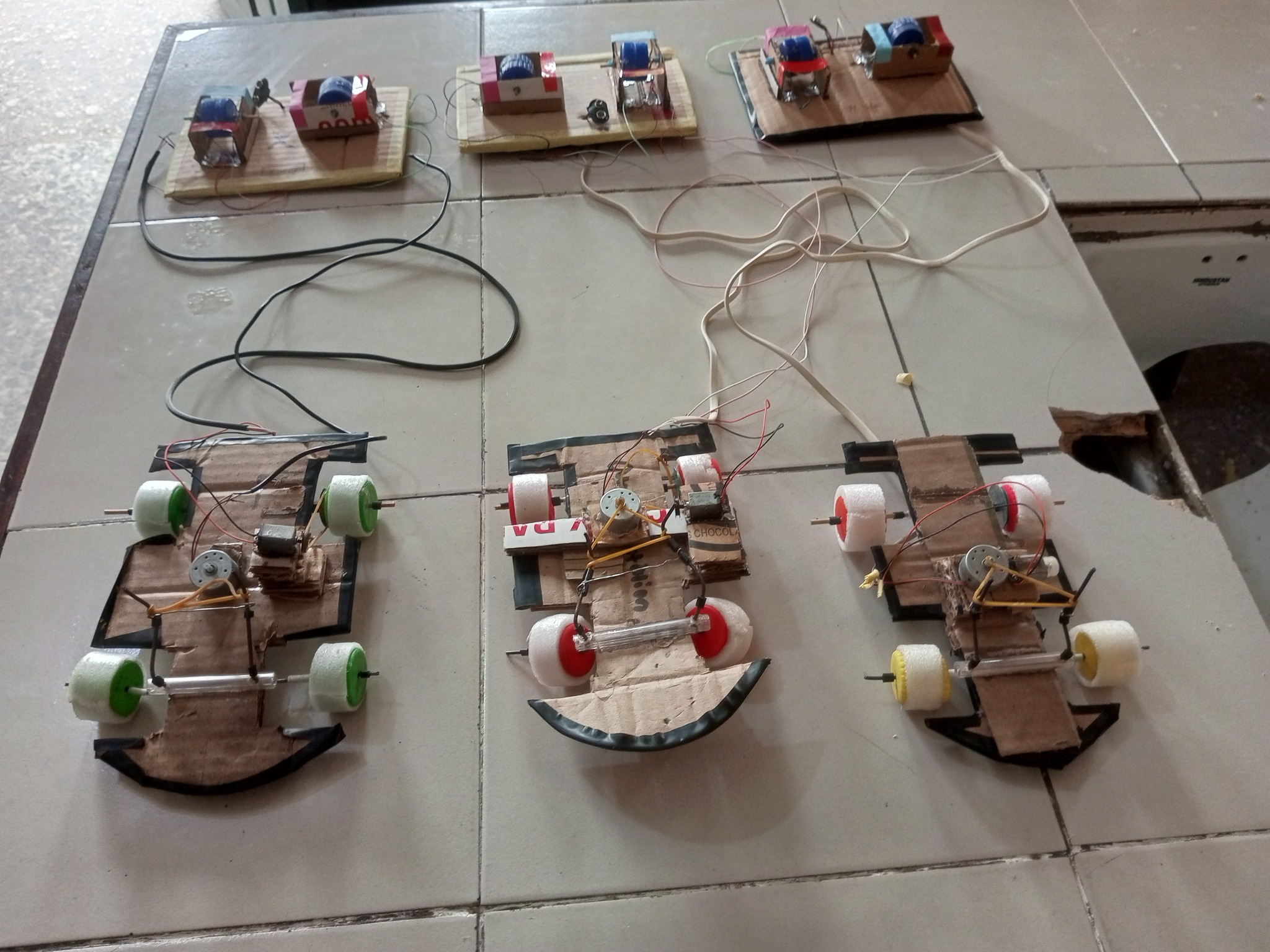
Empowering Education & Technology
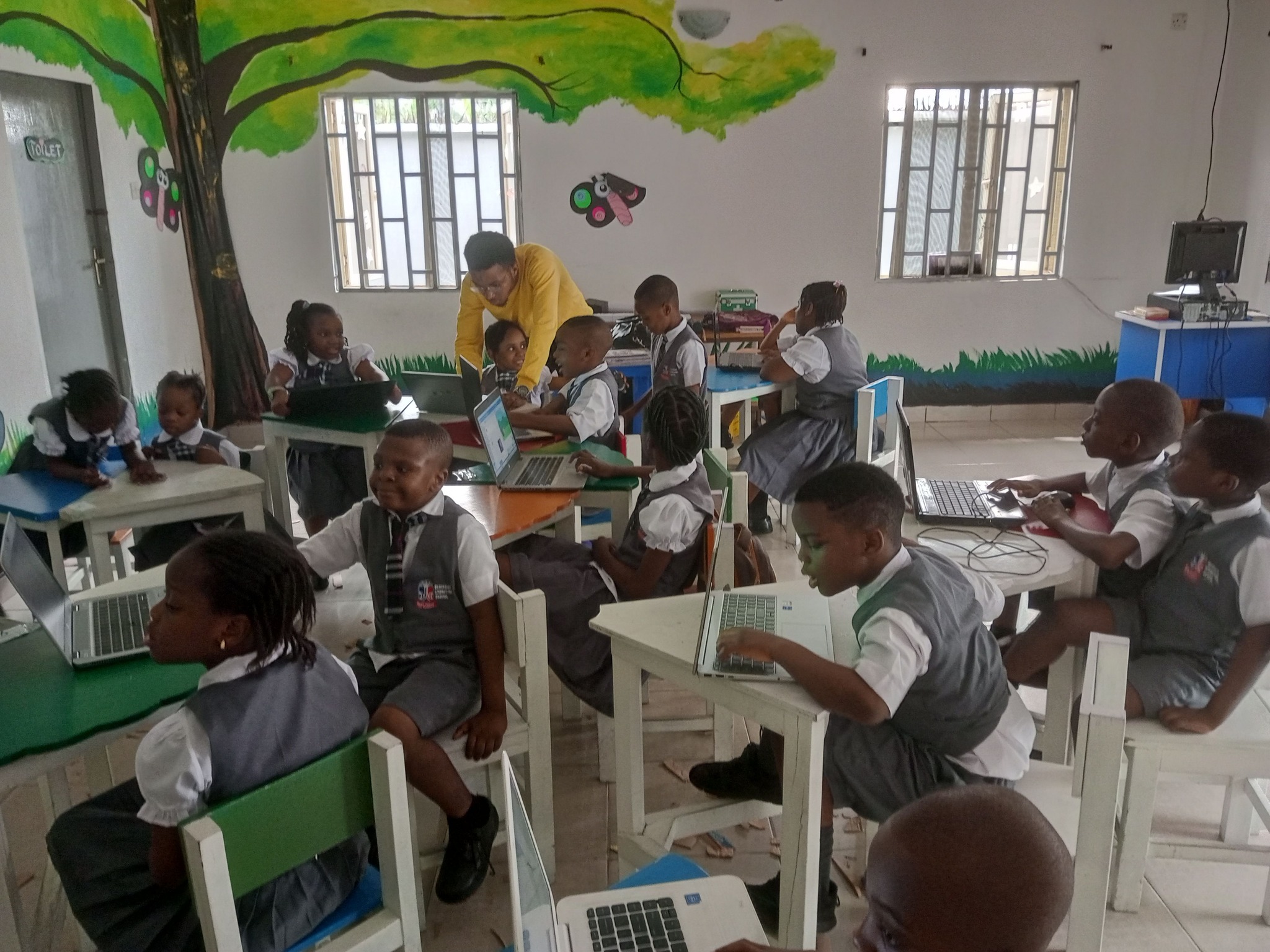
Empowering Education & Technology
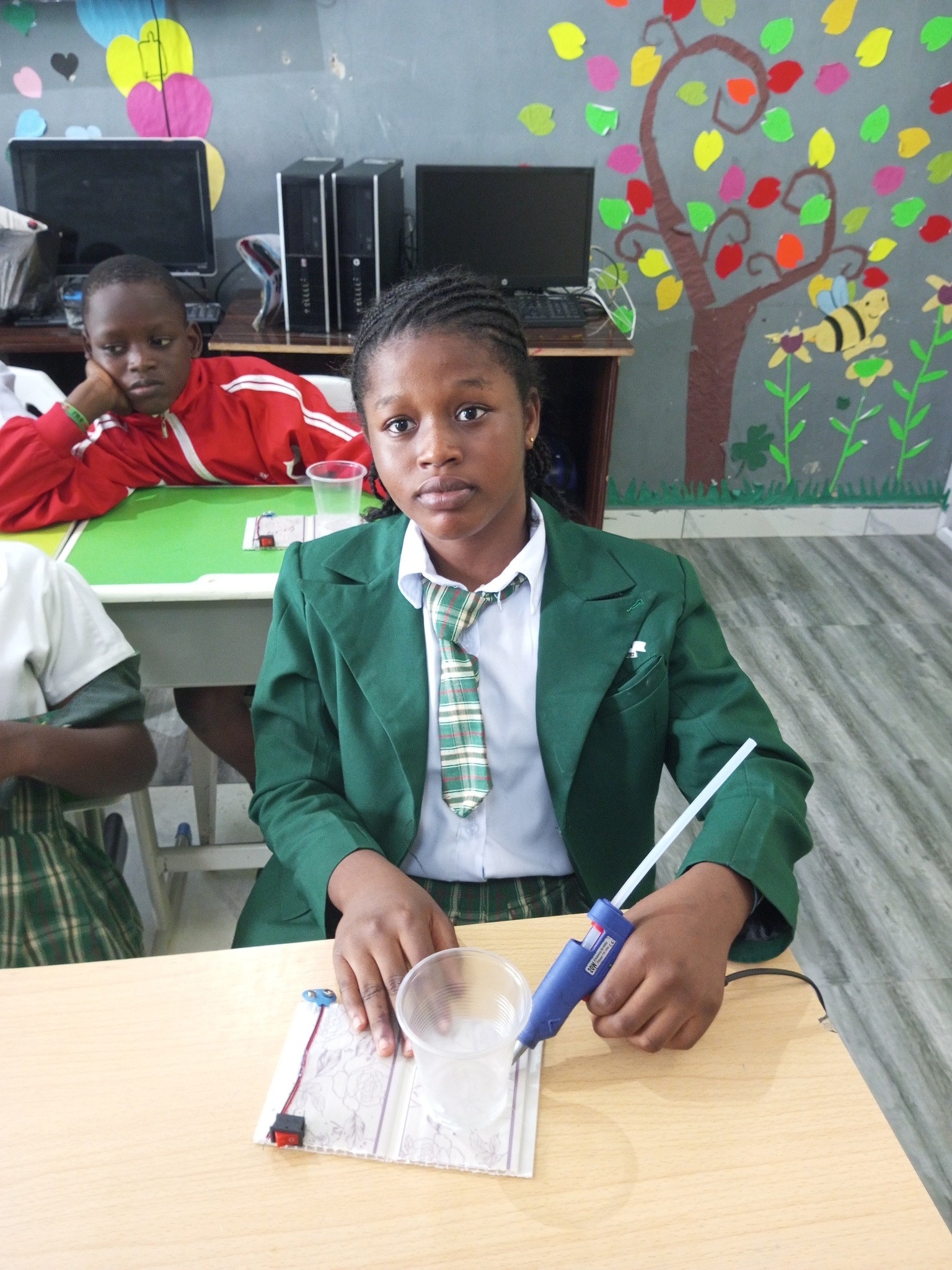
Empowering Education & Technology
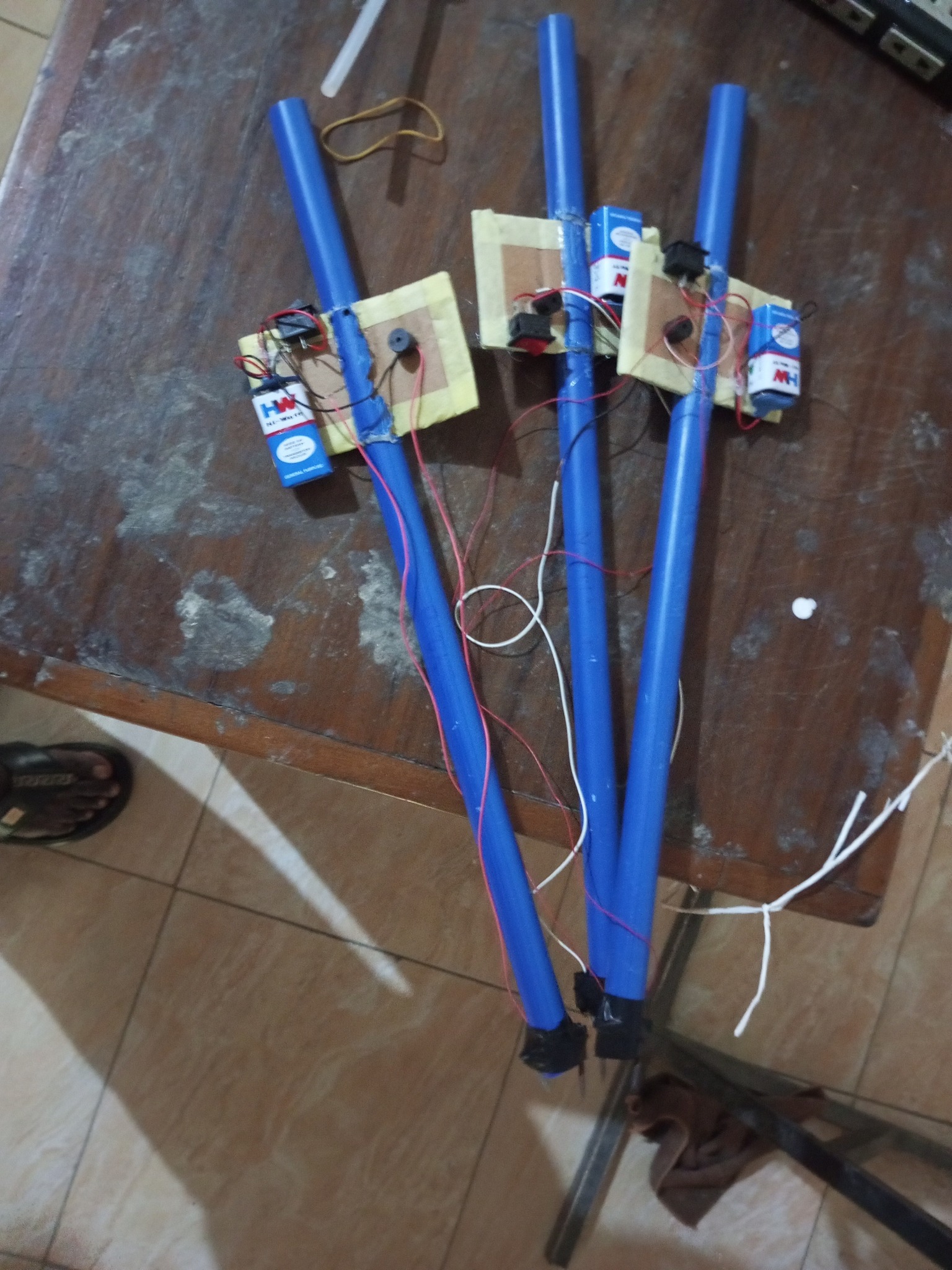
Empowering Education & Technology
Empowering Education & Technology
Empowering Education & Technology
Empowering Education & Technology
Empowering Education & Technology
Empowering Education & Technology
Empowering Education & Technology
Empowering Education & Technology
Empowering Education & Technology
Empowering Education & Technology
Empowering Education & Technology
Empowering Education & Technology
Empowering Education & Technology
Empowering Education & Technology
Empowering Education & Technology
Empowering Education & Technology
Empowering Education & Technology
Empowering Education & Technology
Empowering Education & Technology
Empowering Education & Technology
Empowering Education & Technology
Empowering Education & Technology
Empowering Education & Technology
Empowering Education & Technology
Empowering Education & Technology
Empowering Education & Technology
Empowering Education & Technology
Empowering Education & Technology
Empowering Education & Technology
Empowering Education & Technology
Empowering Education & Technology
Empowering Education & Technology
Empowering Education & Technology
Empowering Education & Technology
Empowering Education & Technology
Empowering Education & Technology
Empowering Education & Technology
Empowering Education & Technology
Empowering Education & Technology
Empowering Education & Technology
Empowering Education & Technology
Empowering Education & Technology
Empowering Education & Technology
Empowering Education & Technology
Empowering Education & Technology
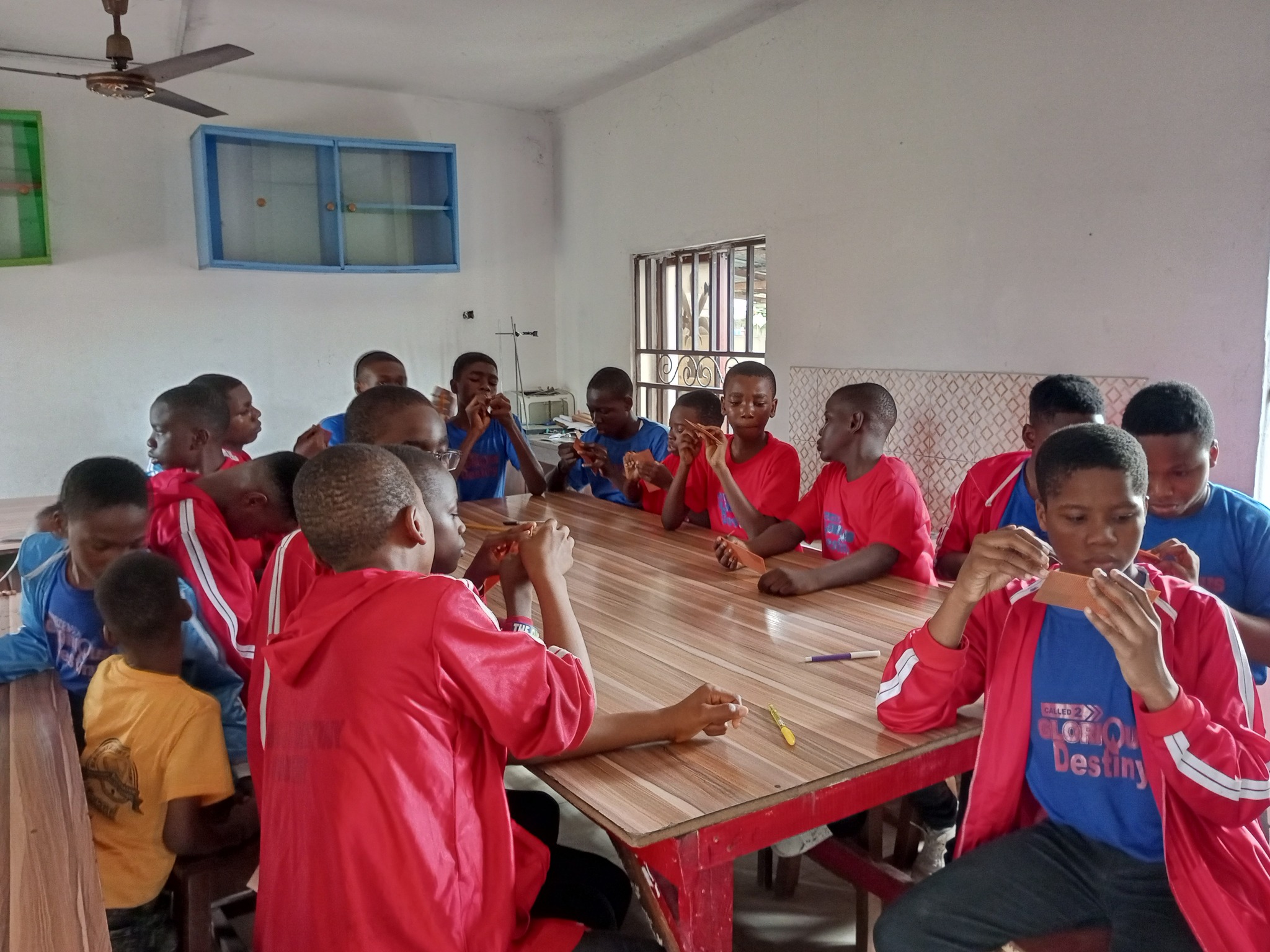
Empowering Education & Technology
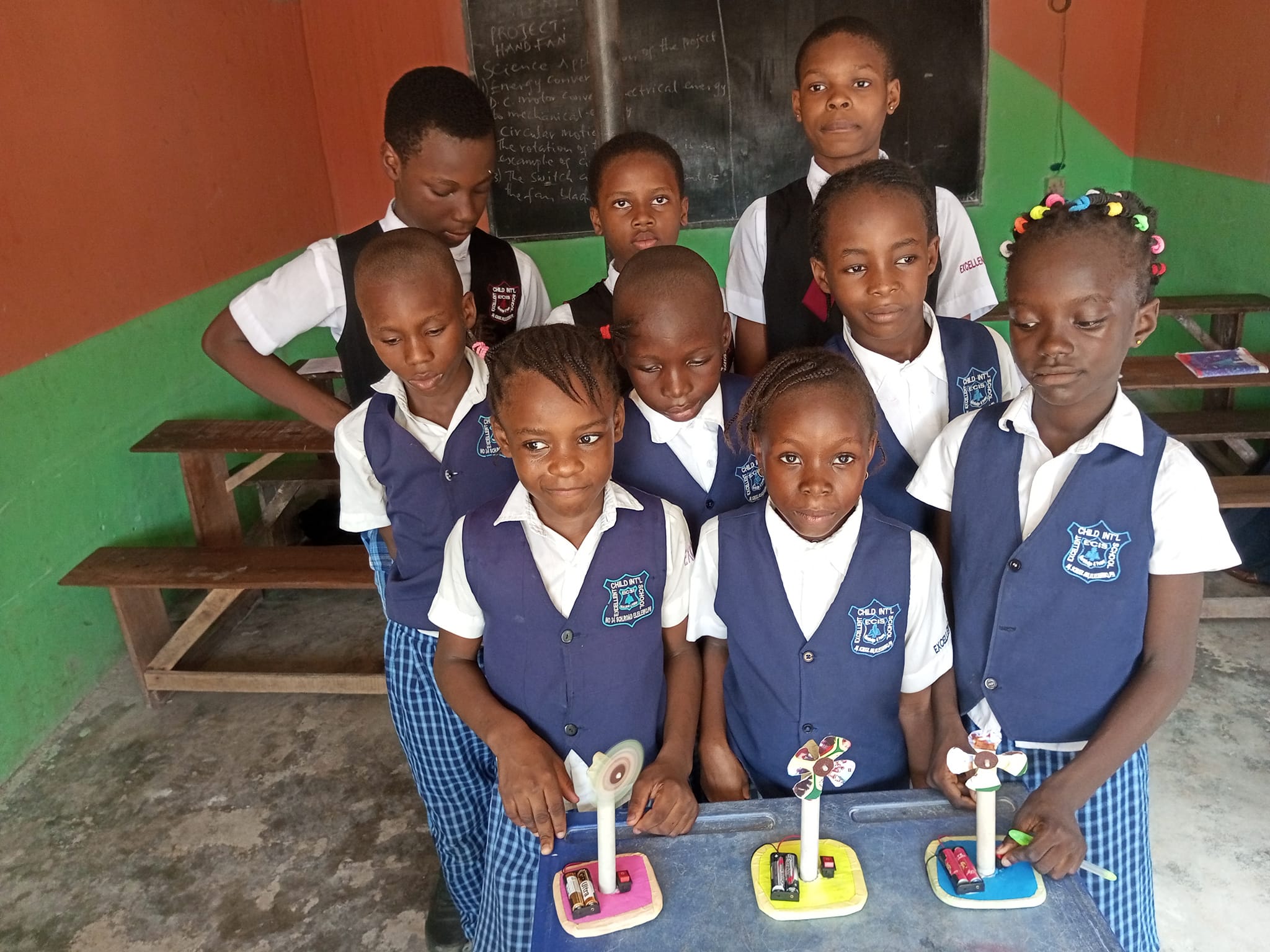
Empowering Education & Technology
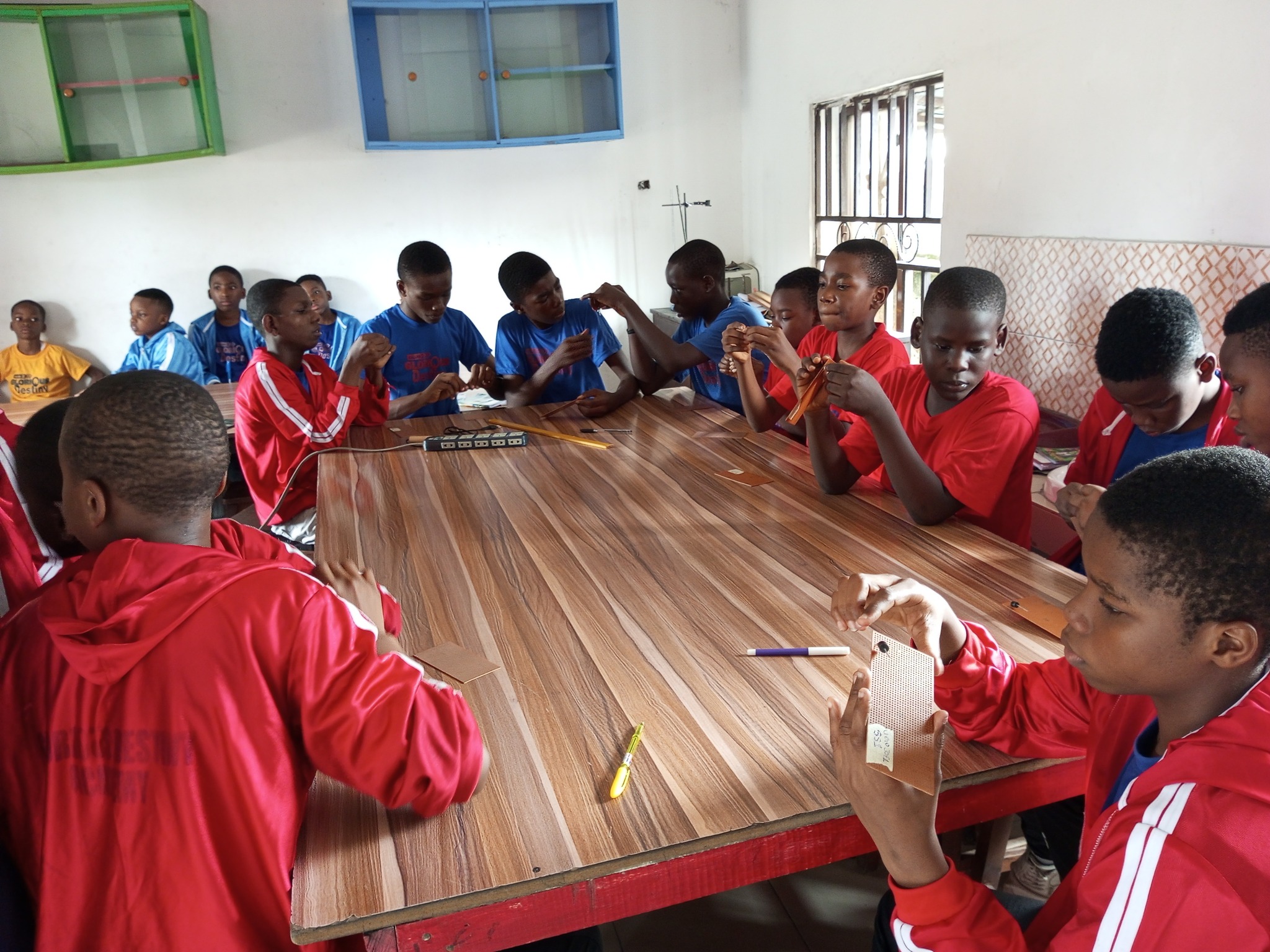
Empowering Education & Technology
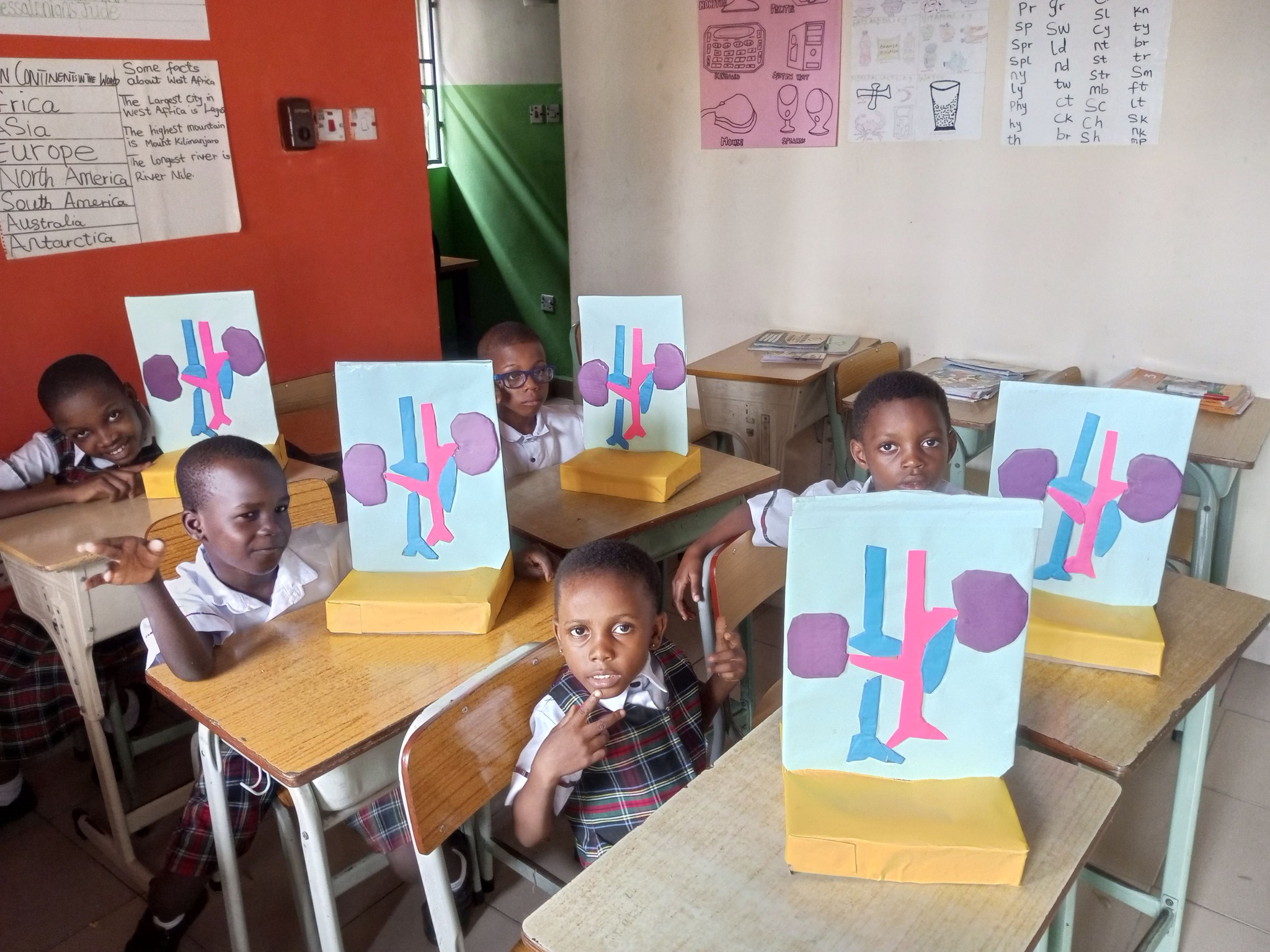
Empowering Education & Technology
Empowering Education & Technology
Empowering Education & Technology
Empowering Education & Technology
Empowering Education & Technology
Empowering Education & Technology
Empowering Education & Technology
Empowering Education & Technology
Empowering Education & Technology
Empowering Education & Technology
Empowering Education & Technology
Empowering Education & Technology
Empowering Education & Technology
Empowering Education & Technology
Empowering Education & Technology
Empowering Education & Technology
Empowering Education & Technology
Empowering Education & Technology
Empowering Education & Technology
Empowering Education & Technology
Empowering Education & Technology
Empowering Education & Technology
Empowering Education & Technology
Empowering Education & Technology
Empowering Education & Technology
Empowering Education & Technology
Empowering Education & Technology
Empowering Education & Technology
Empowering Education & Technology
Empowering Education & Technology
Empowering Education & Technology
Empowering Education & Technology
Empowering Education & Technology
Empowering Education & Technology
Empowering Education & Technology
Empowering Education & Technology
Empowering Education & Technology
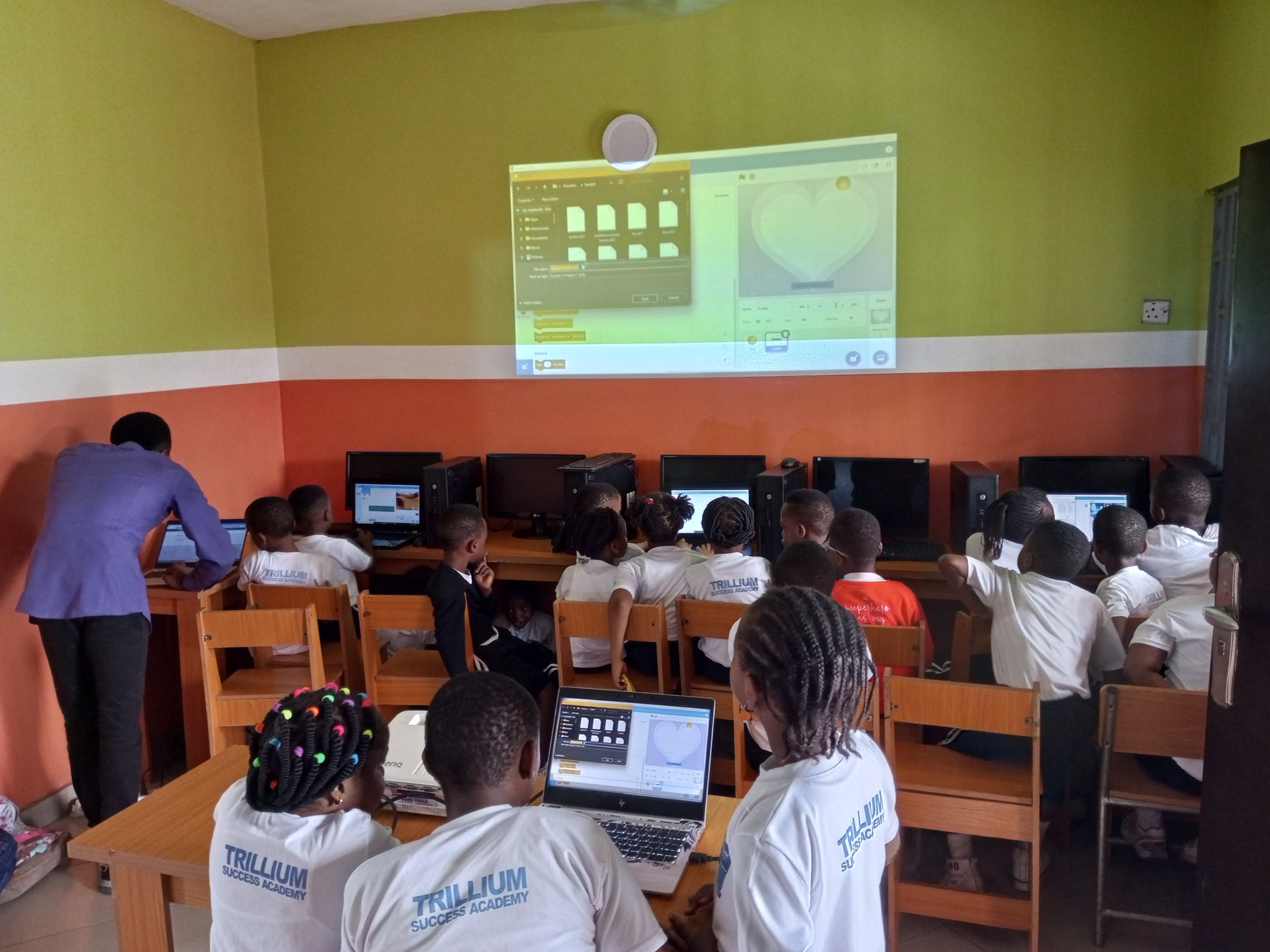
Empowering Education & Technology
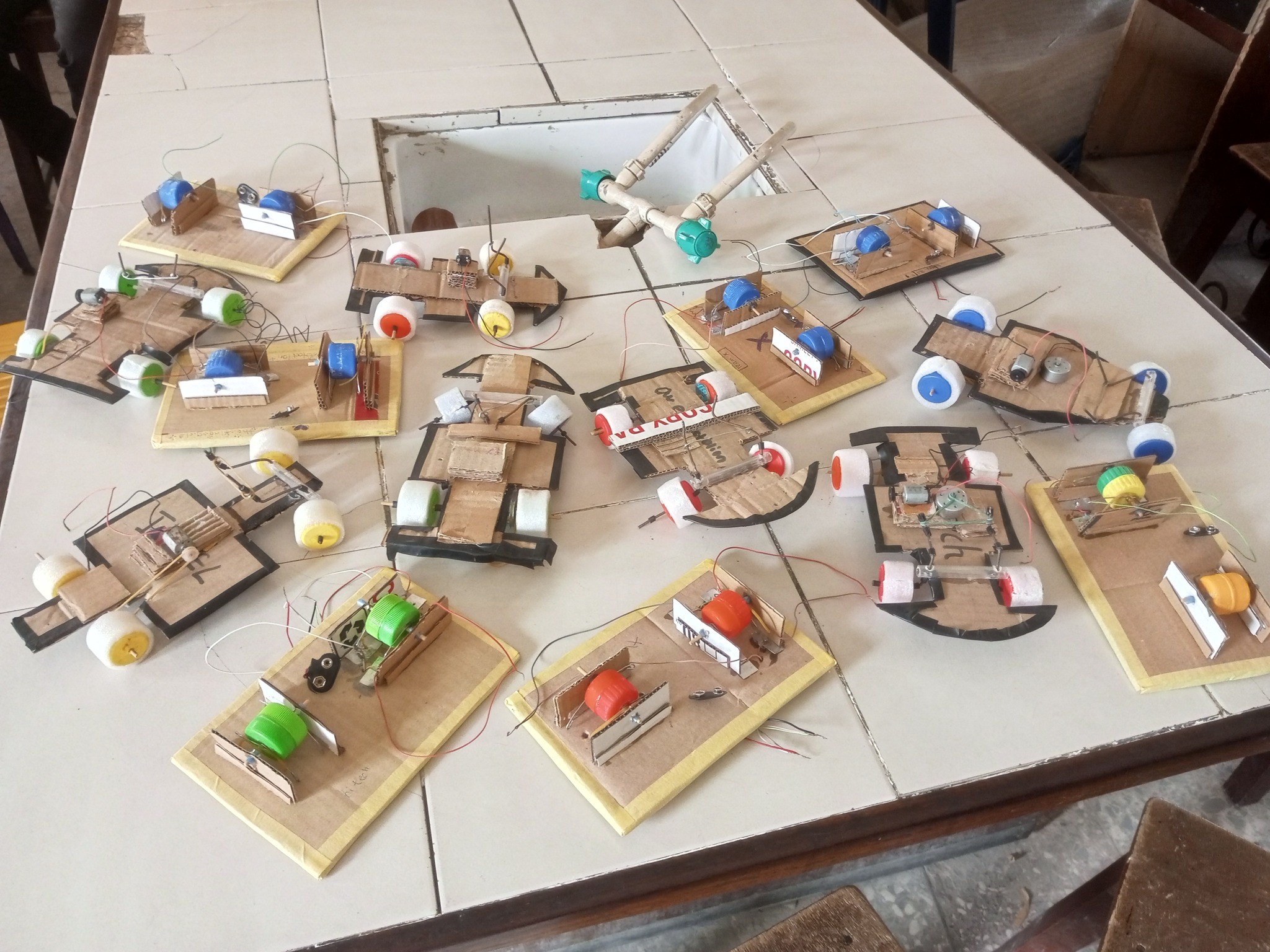
Empowering Education & Technology
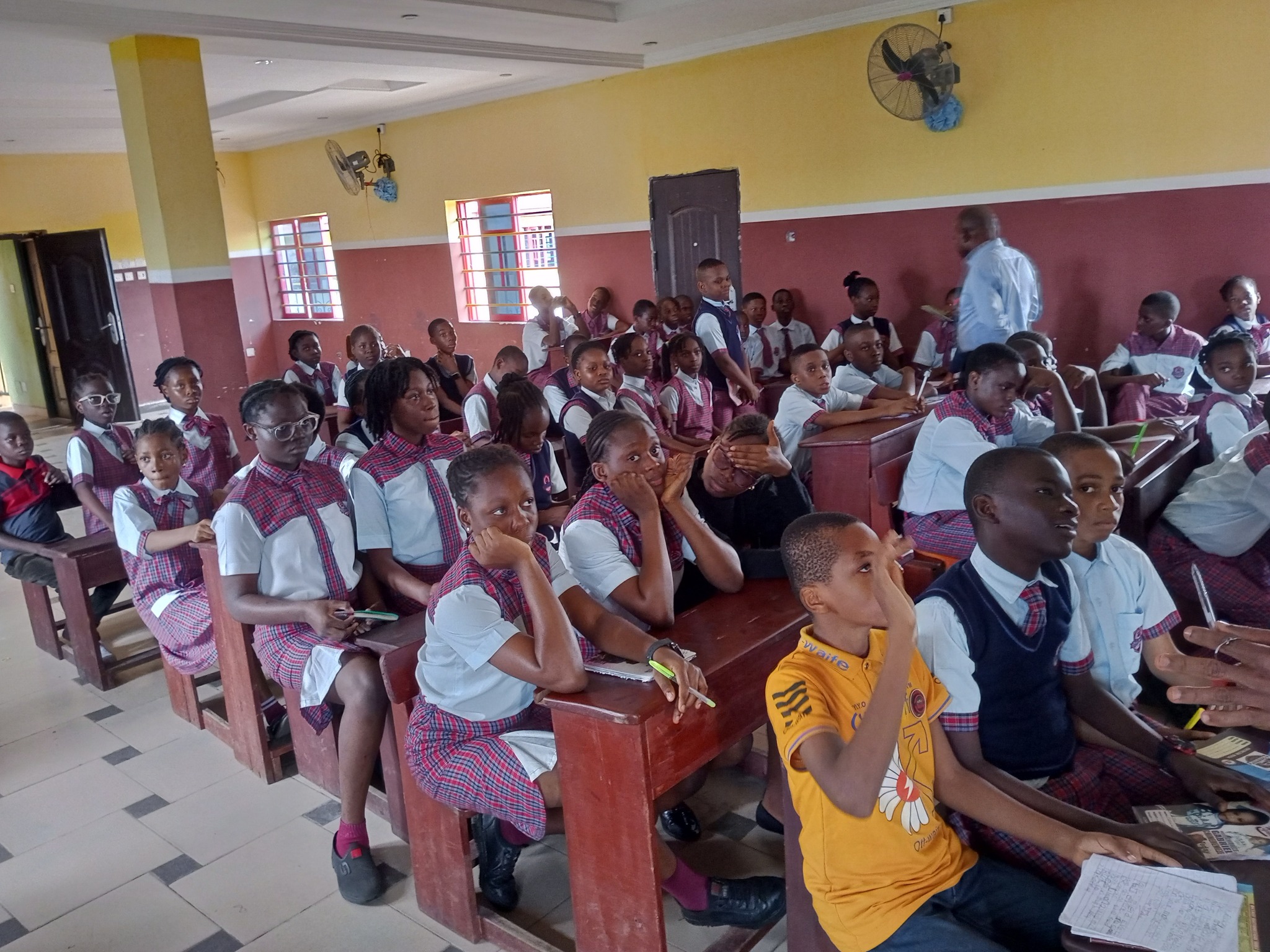
Empowering Education & Technology
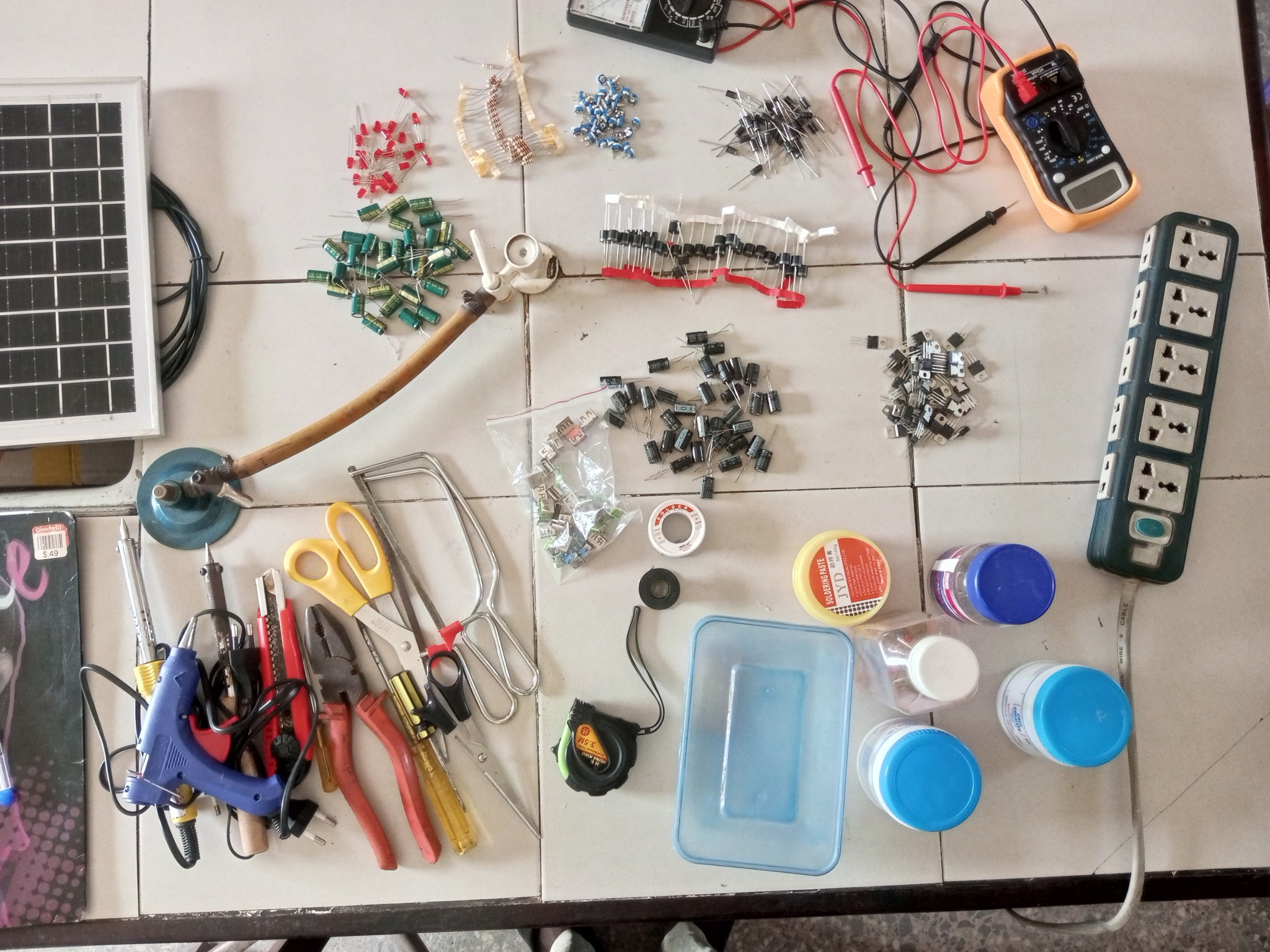
Empowering Education & Technology
Empowering Education & Technology
Empowering Education & Technology
Empowering Education & Technology
Empowering Education & Technology
Empowering Education & Technology
Empowering Education & Technology
Empowering Education & Technology
Empowering Education & Technology
Empowering Education & Technology
Empowering Education & Technology
Empowering Education & Technology
Empowering Education & Technology
Empowering Education & Technology
Empowering Education & Technology
Empowering Education & Technology
Empowering Education & Technology
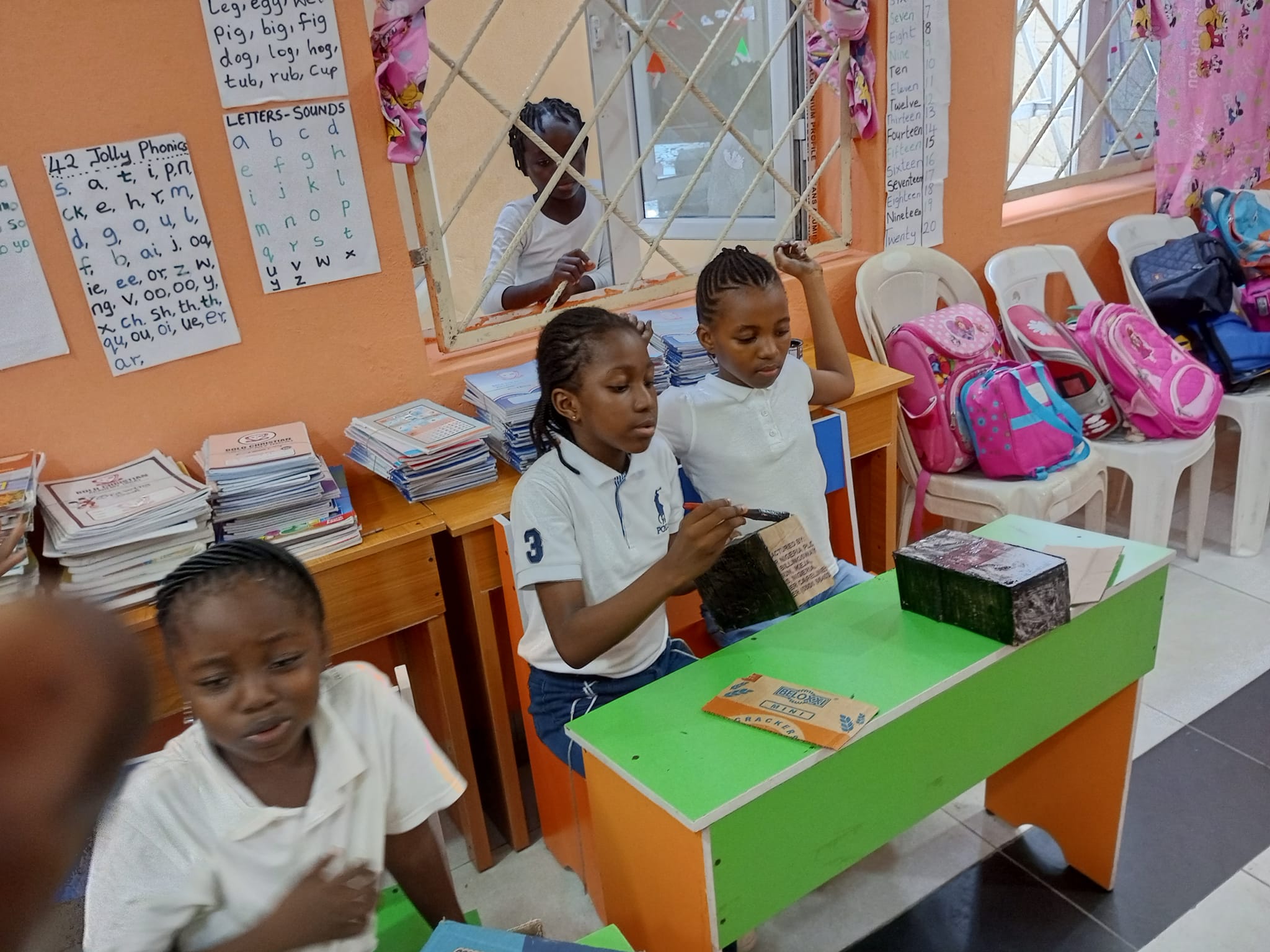
Empowering Education & Technology
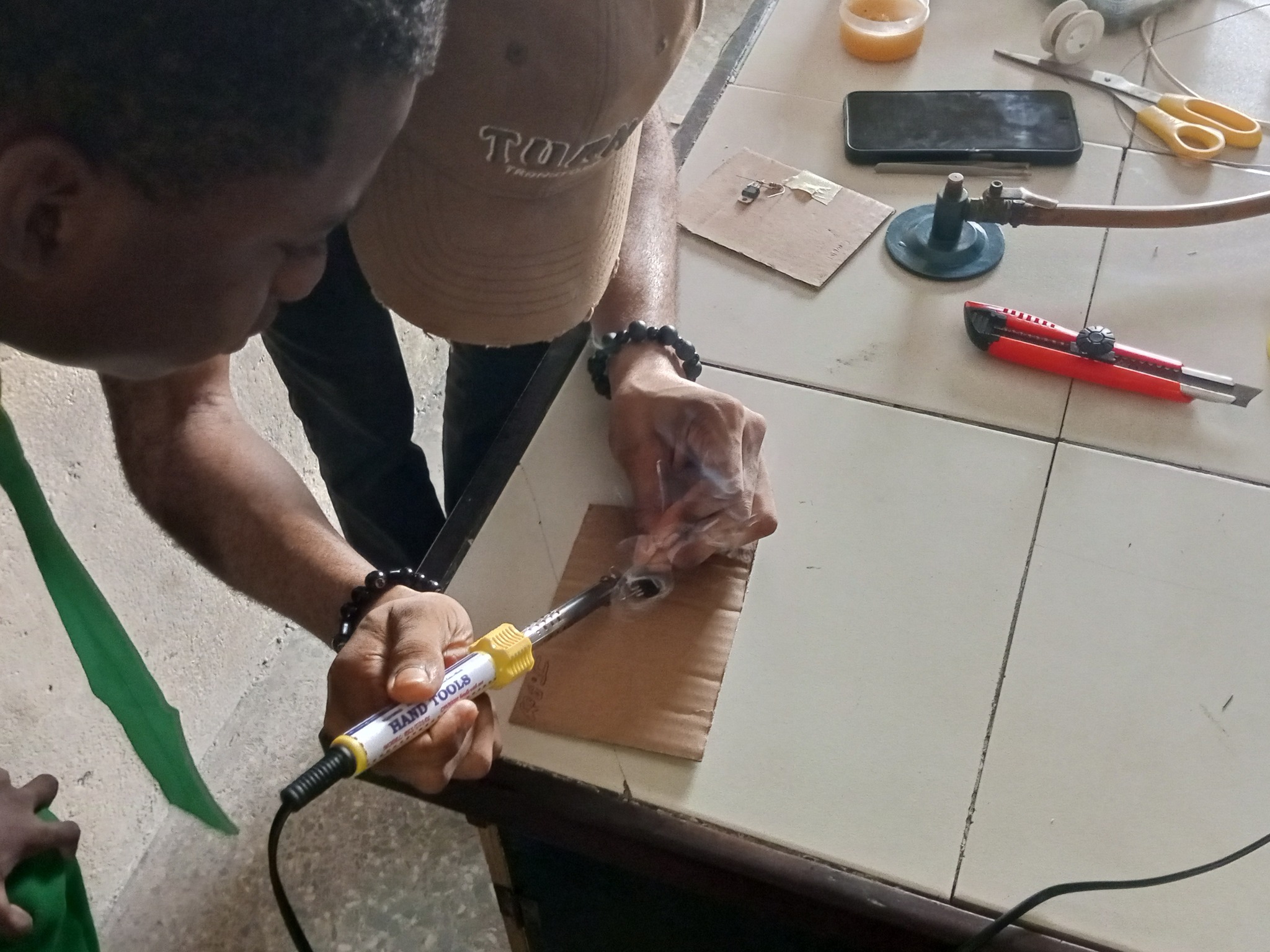
Empowering Education & Technology
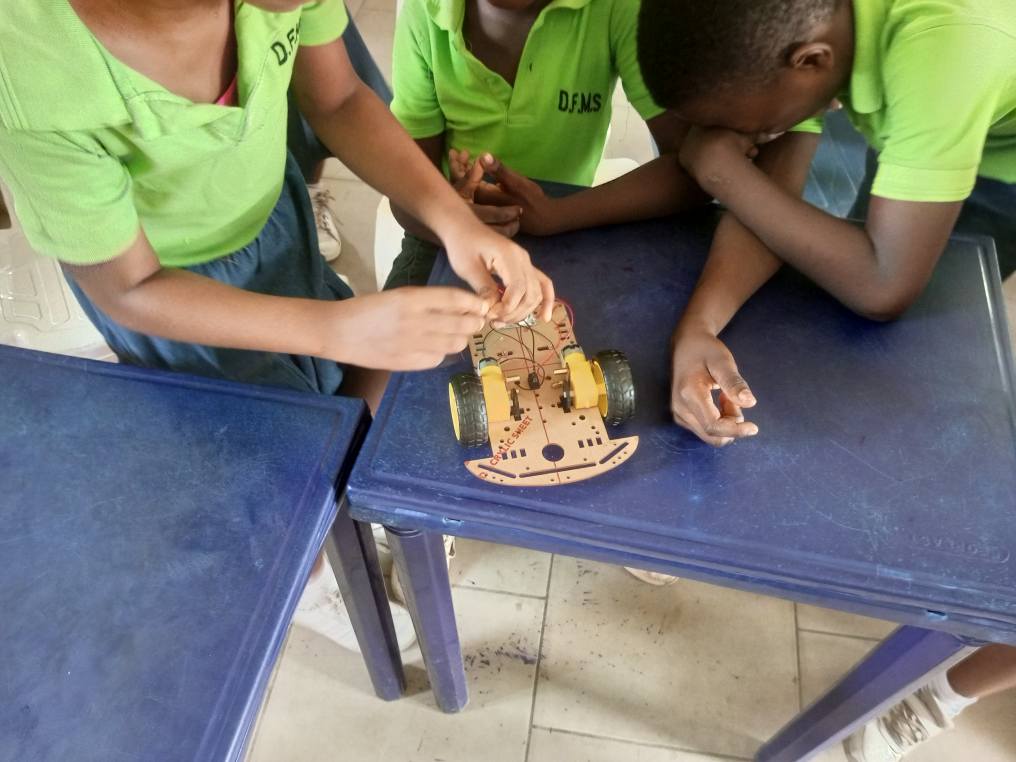
Empowering Education & Technology
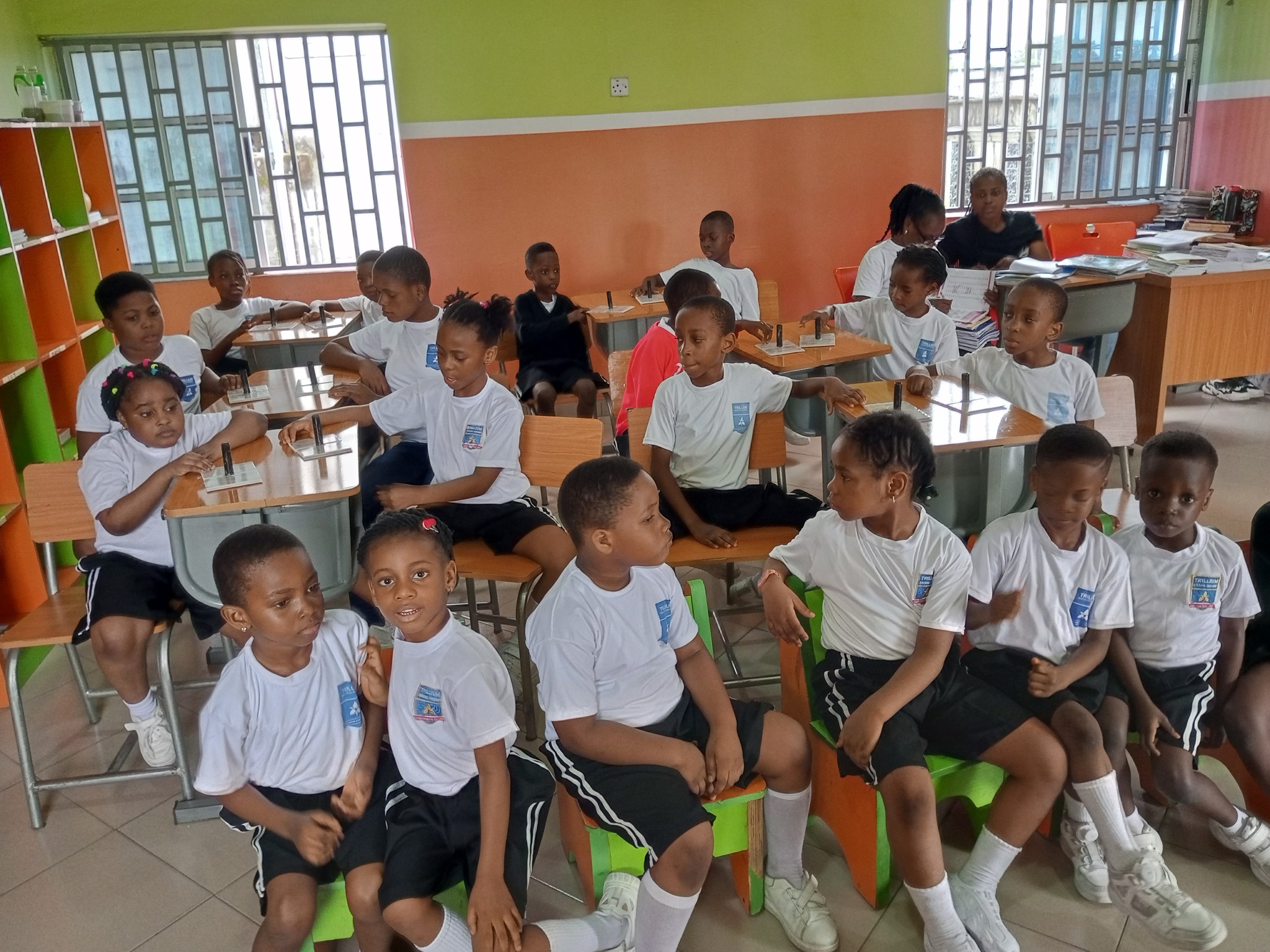
Empowering Education & Technology
Empowering Education & Technology
Empowering Education & Technology
Empowering Education & Technology
Empowering Education & Technology
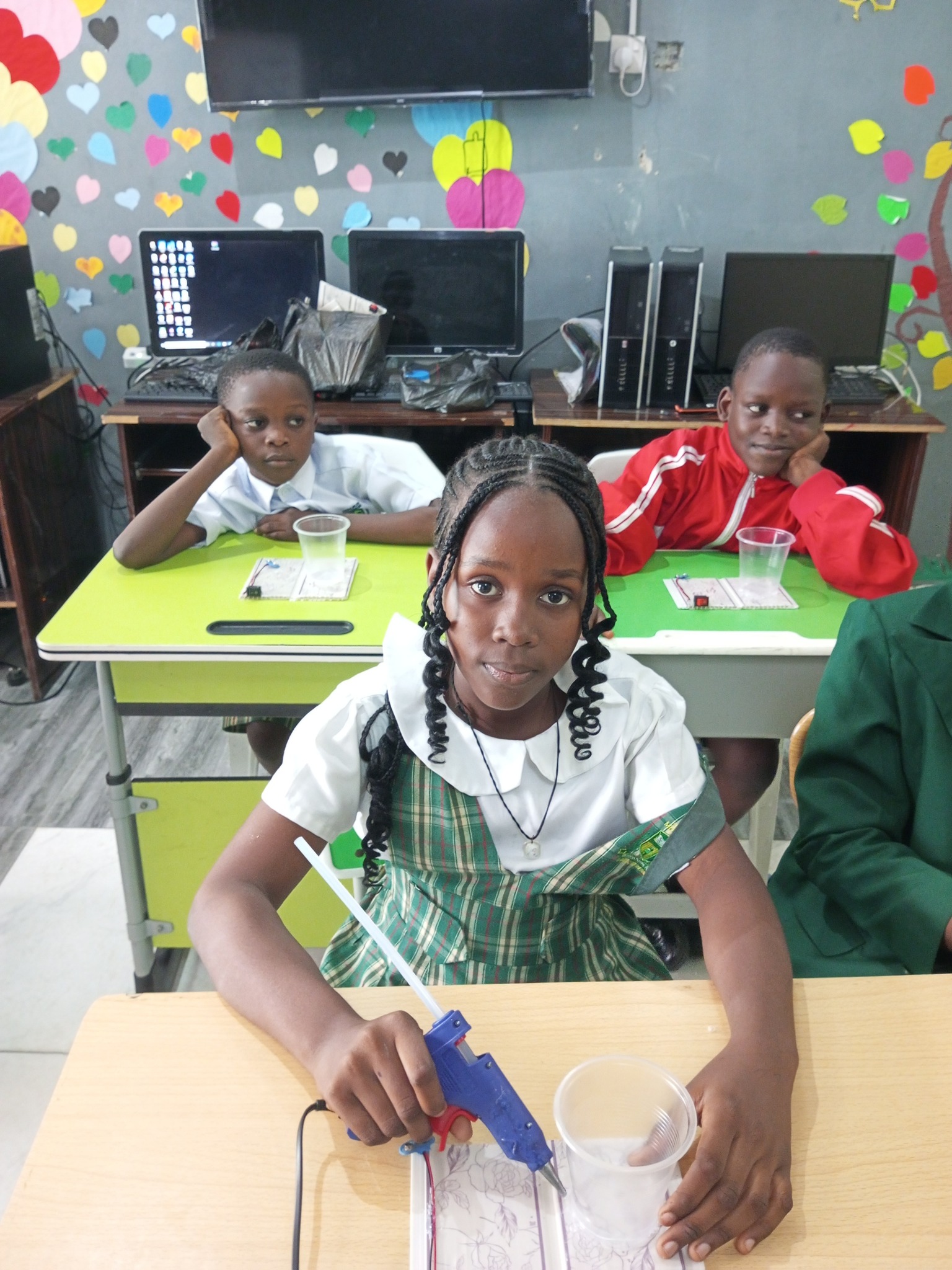
Empowering Education & Technology
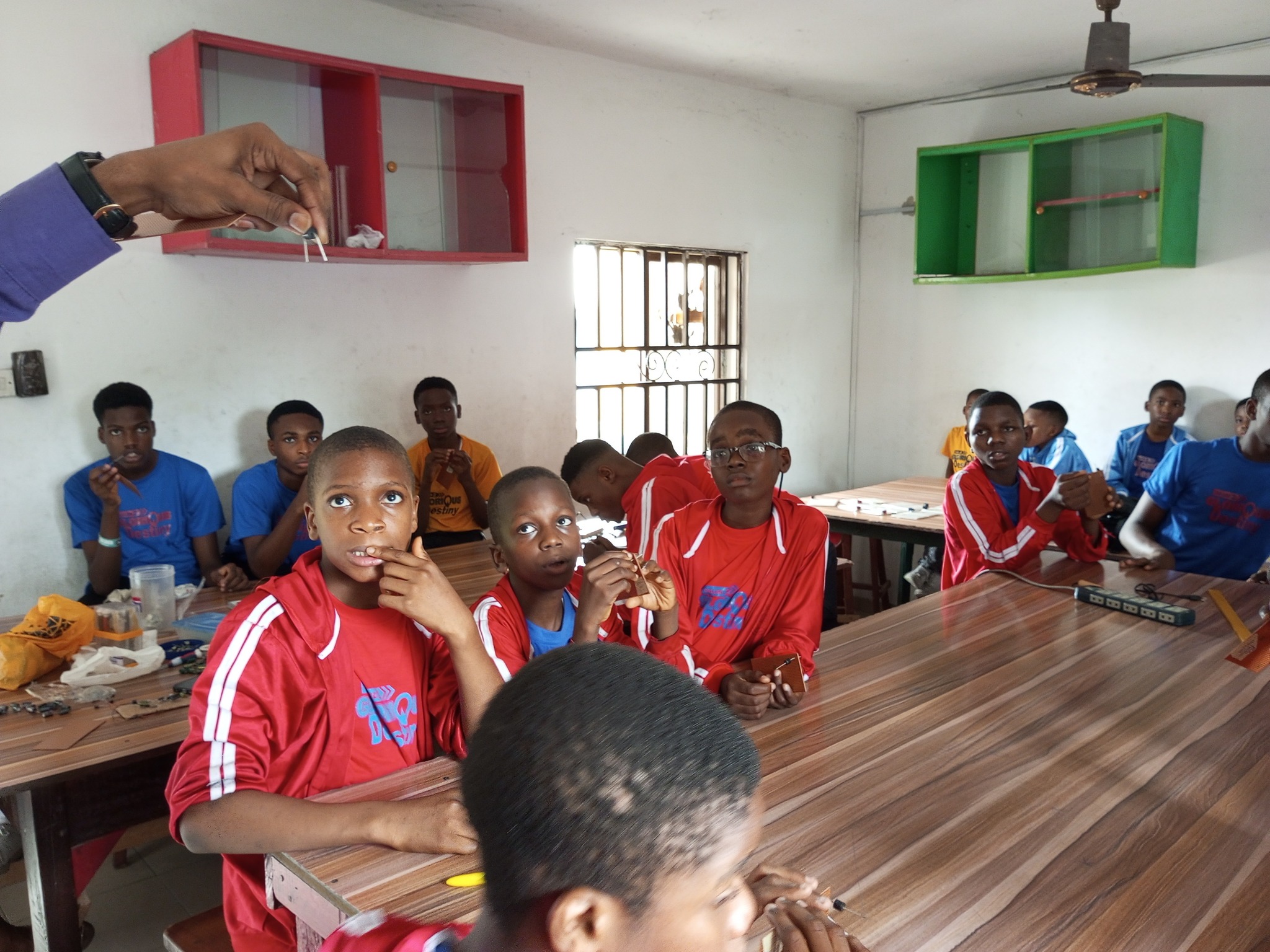
Empowering Education & Technology
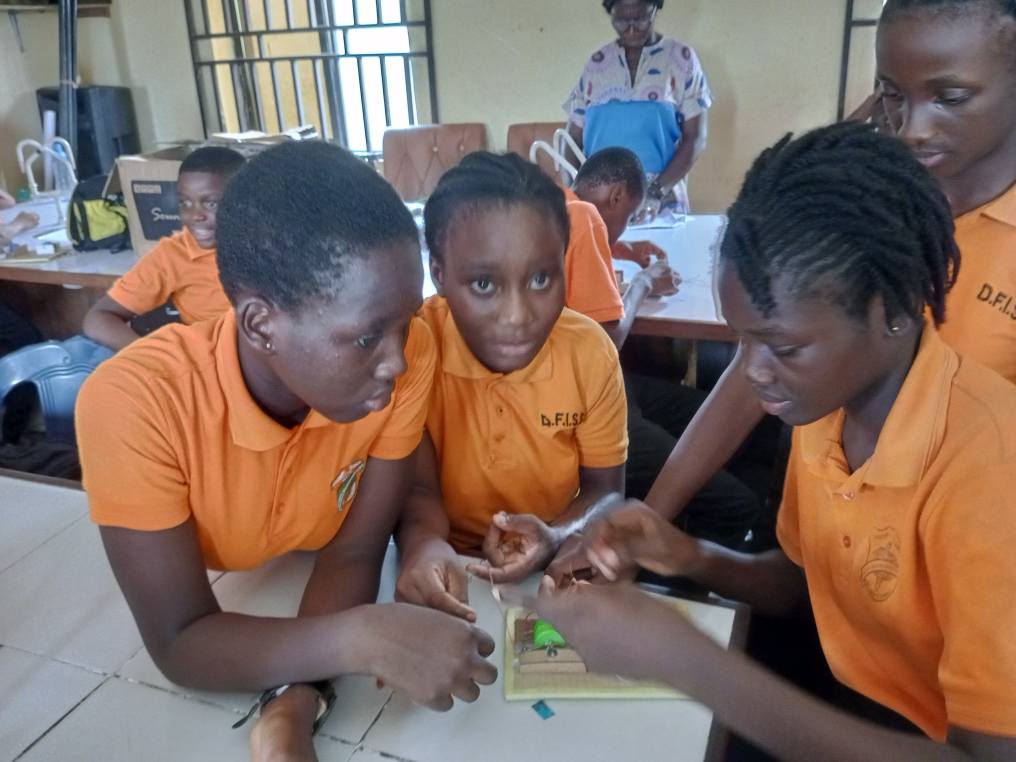
Empowering Education & Technology
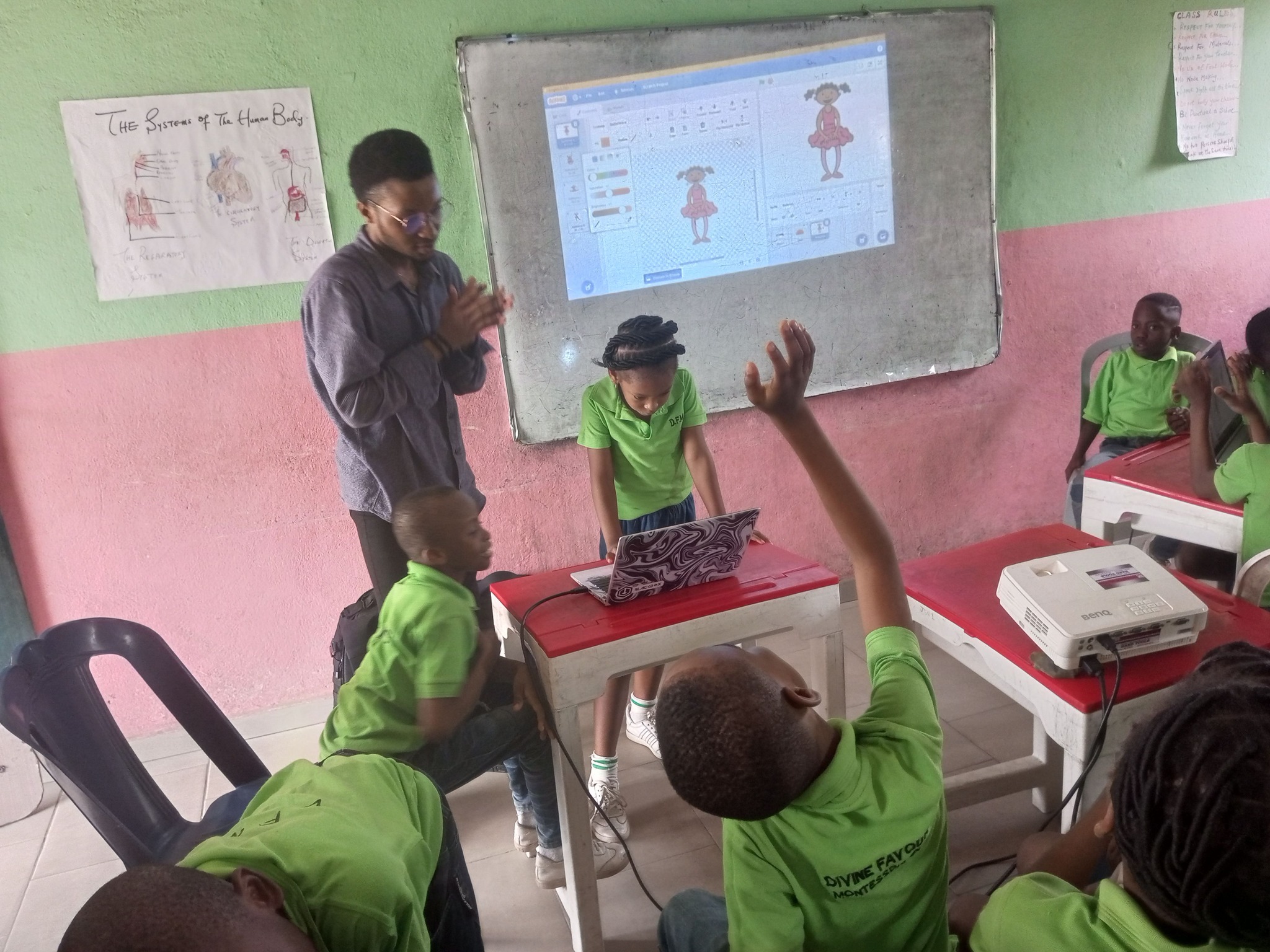
Empowering Education & Technology
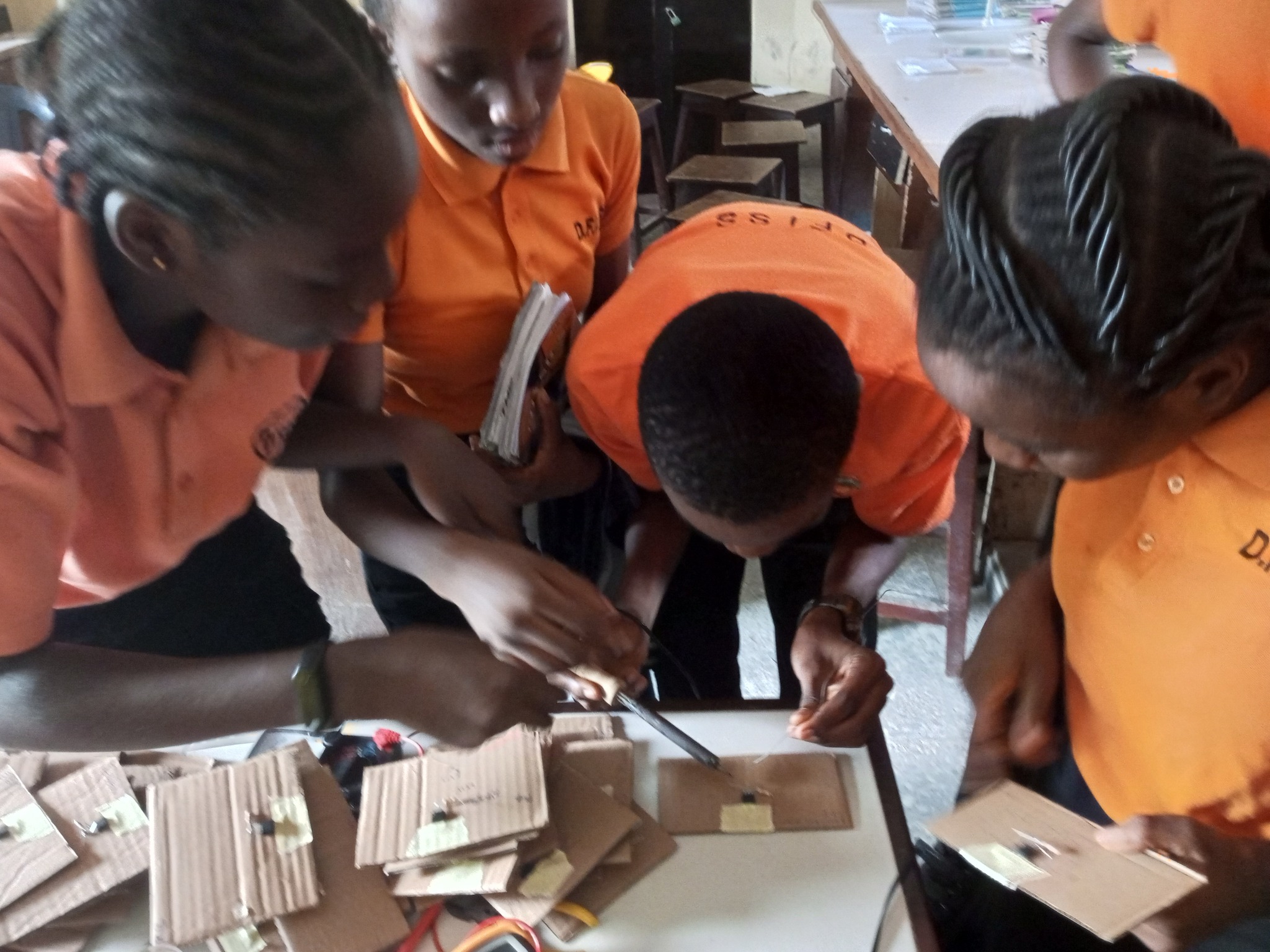
Empowering Education & Technology
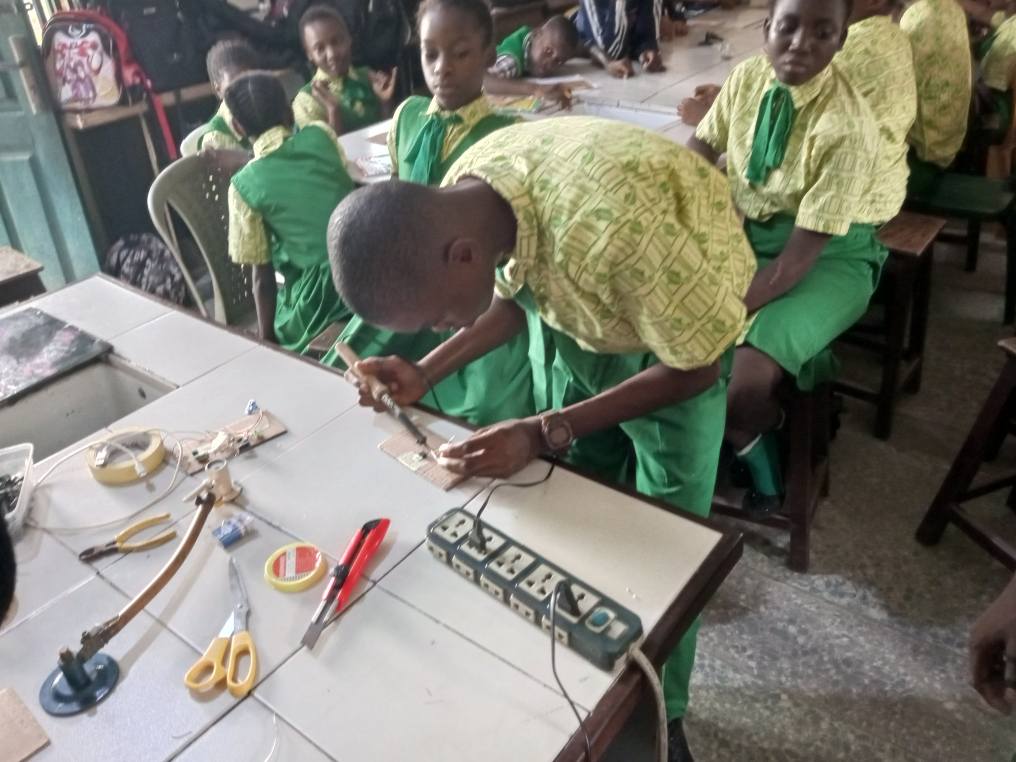
Empowering Education & Technology
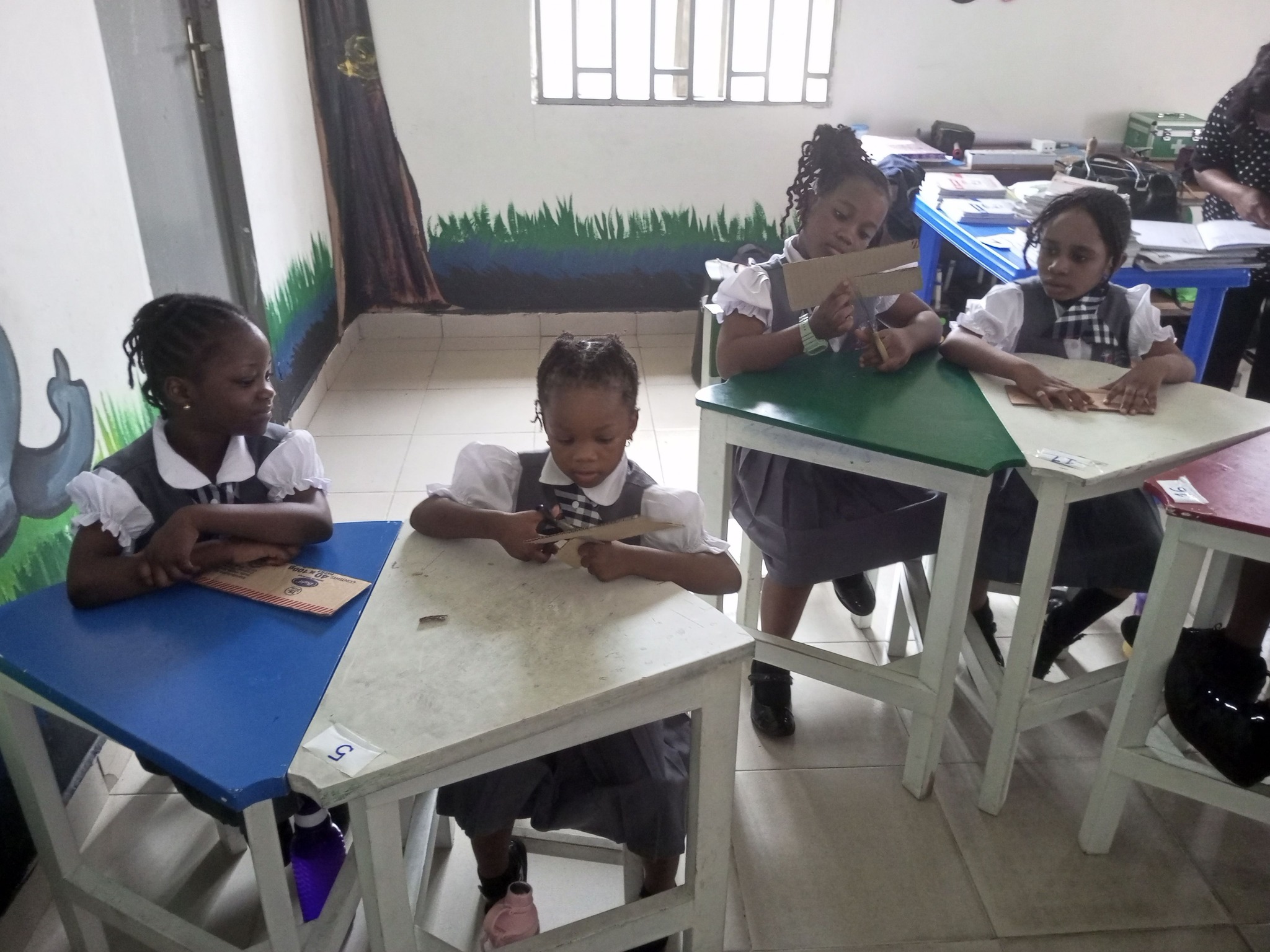
Empowering Education & Technology
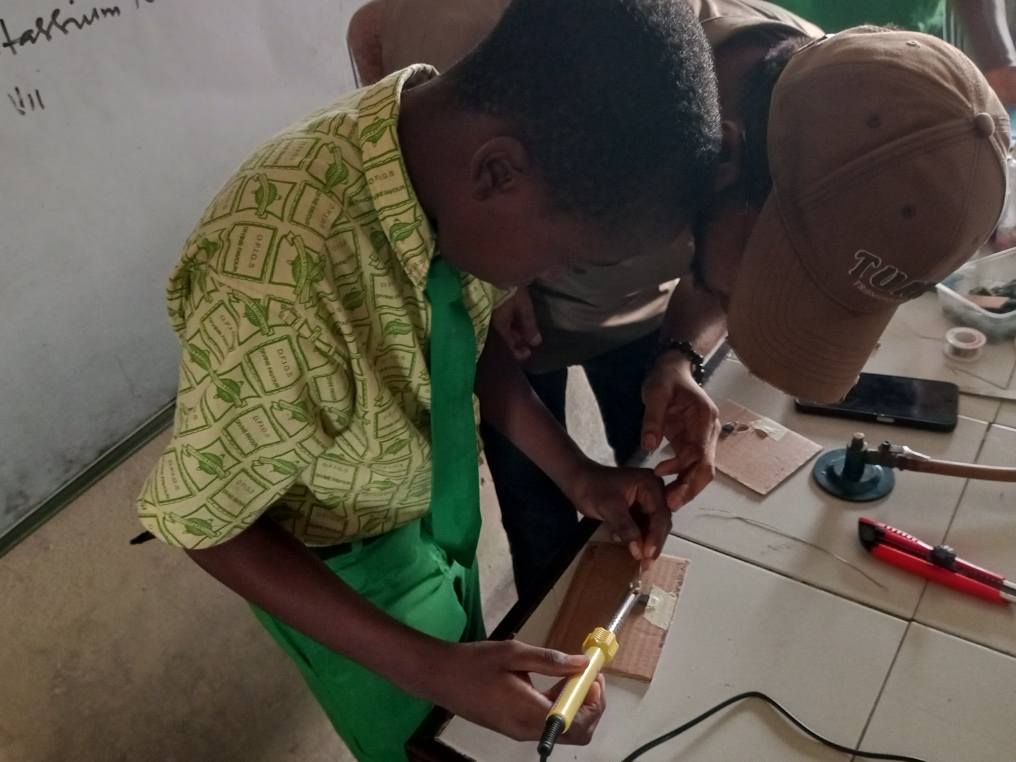
Empowering Education & Technology
Empowering Education & Technology
Empowering Education & Technology
Empowering Education & Technology
Empowering Education & Technology
Empowering Education & Technology
Empowering Education & Technology
Empowering Education & Technology
Empowering Education & Technology
Empowering Education & Technology
Empowering Education & Technology
Empowering Education & Technology
Empowering Education & Technology
Empowering Education & Technology
Empowering Education & Technology
Empowering Education & Technology
Empowering Education & Technology
Empowering Education & Technology
Empowering Education & Technology
Empowering Education & Technology
Empowering Education & Technology
Empowering Education & Technology
Empowering Education & Technology
Empowering Education & Technology
Empowering Education & Technology
Empowering Education & Technology
Empowering Education & Technology
Empowering Education & Technology
Empowering Education & Technology
Empowering Education & Technology
Empowering Education & Technology
Empowering Education & Technology
Empowering Education & Technology
Empowering Education & Technology
Empowering Education & Technology
Empowering Education & Technology
Empowering Education & Technology
Empowering Education & Technology
Empowering Education & Technology
Empowering Education & Technology
Empowering Education & Technology
Empowering Education & Technology
Empowering Education & Technology
Empowering Education & Technology
Empowering Education & Technology
Empowering Education & Technology
Empowering Education & Technology
Empowering Education & Technology
Empowering Education & Technology
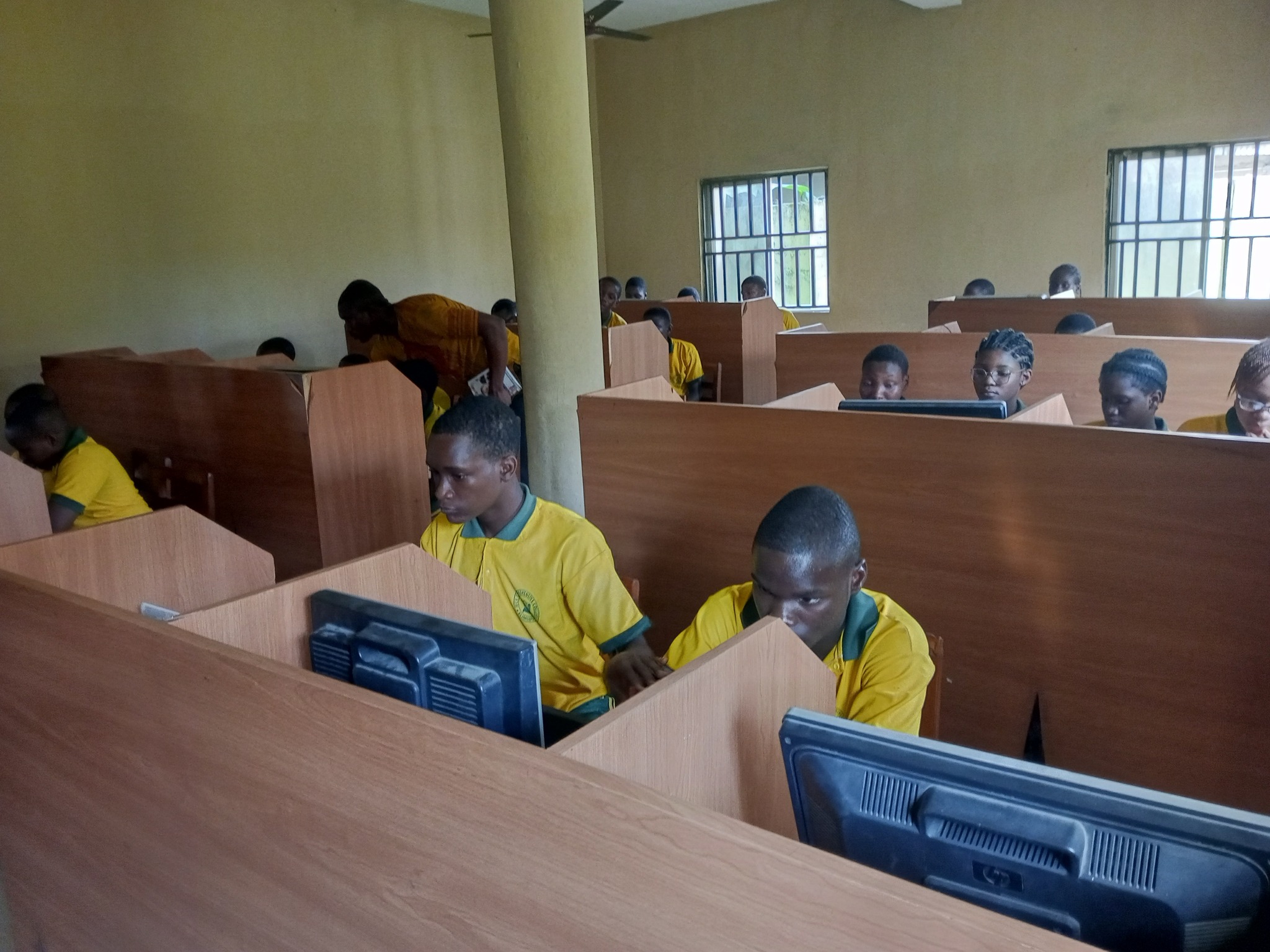
Empowering Education & Technology
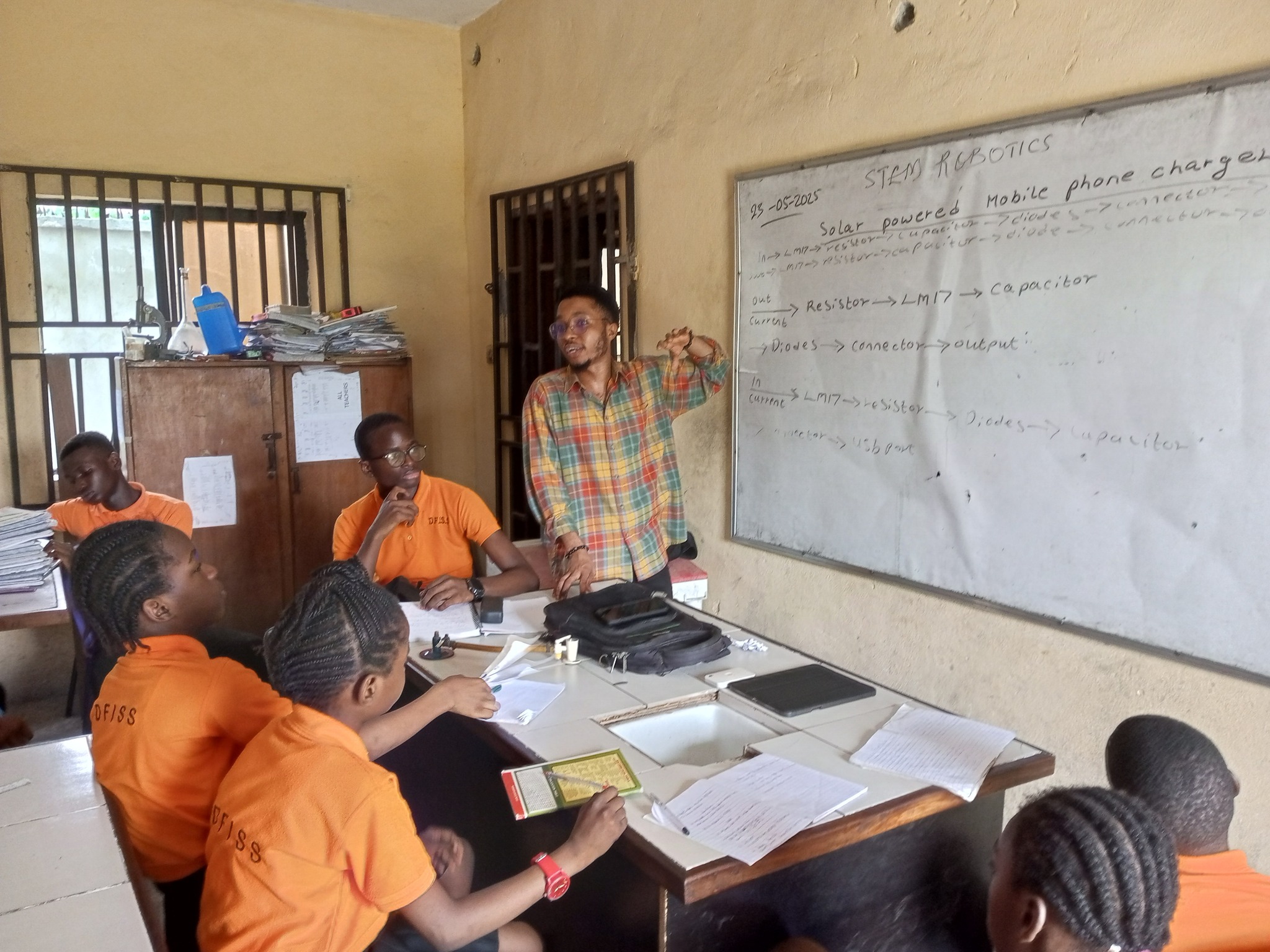
Empowering Education & Technology
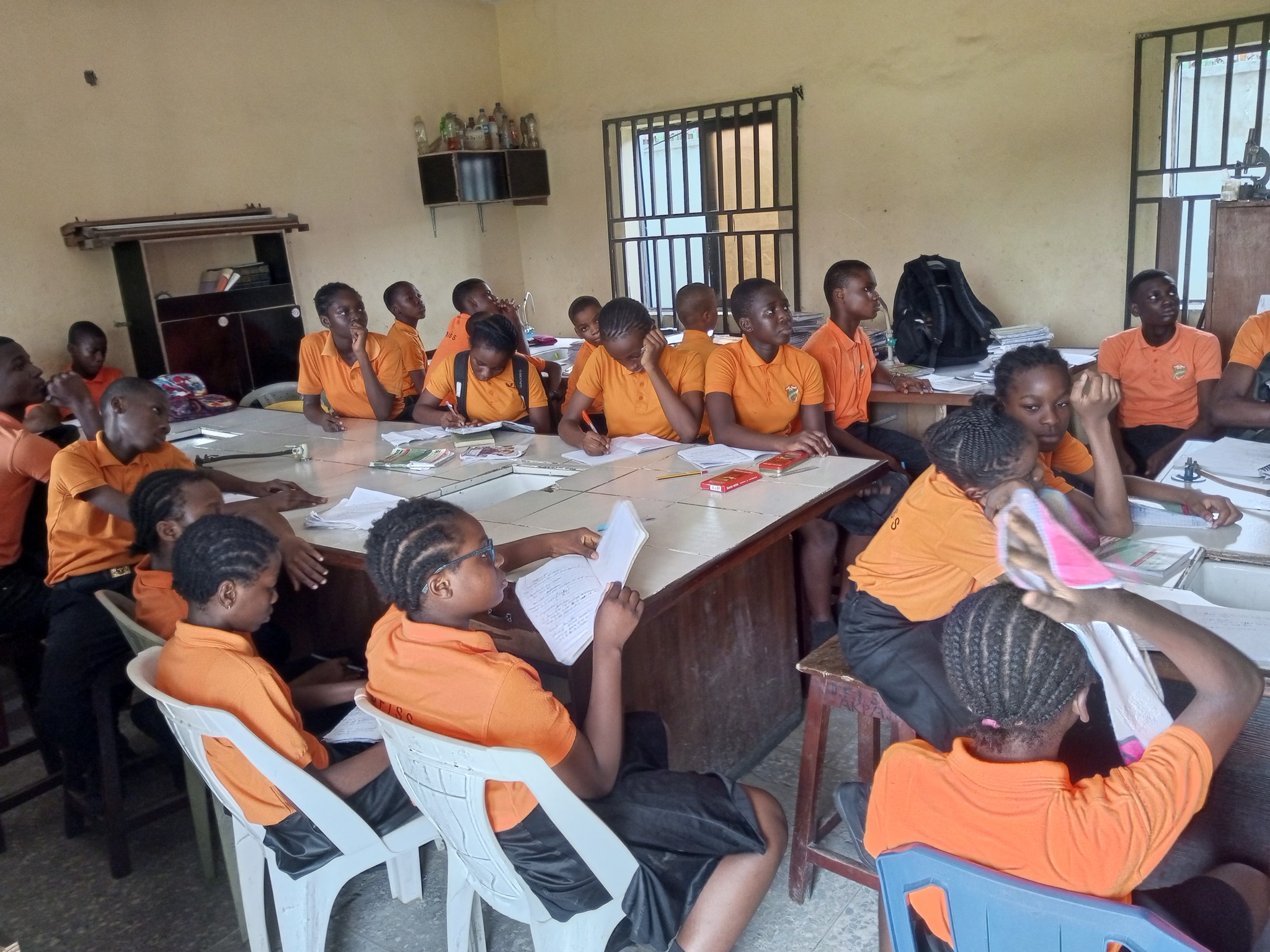
Empowering Education & Technology
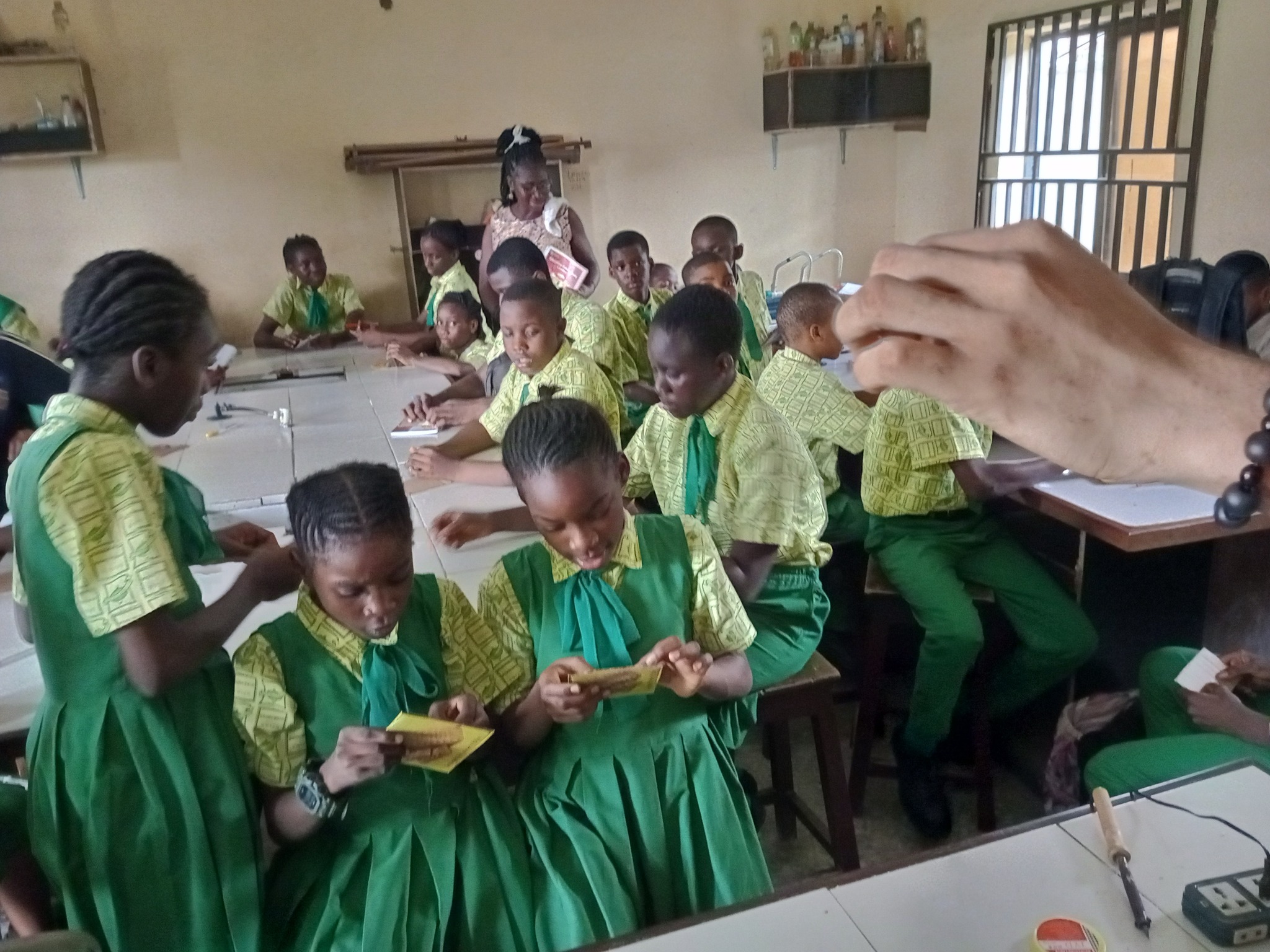
Empowering Education & Technology
Empowering Education & Technology
Empowering Education & Technology
Empowering Education & Technology
Empowering Education & Technology
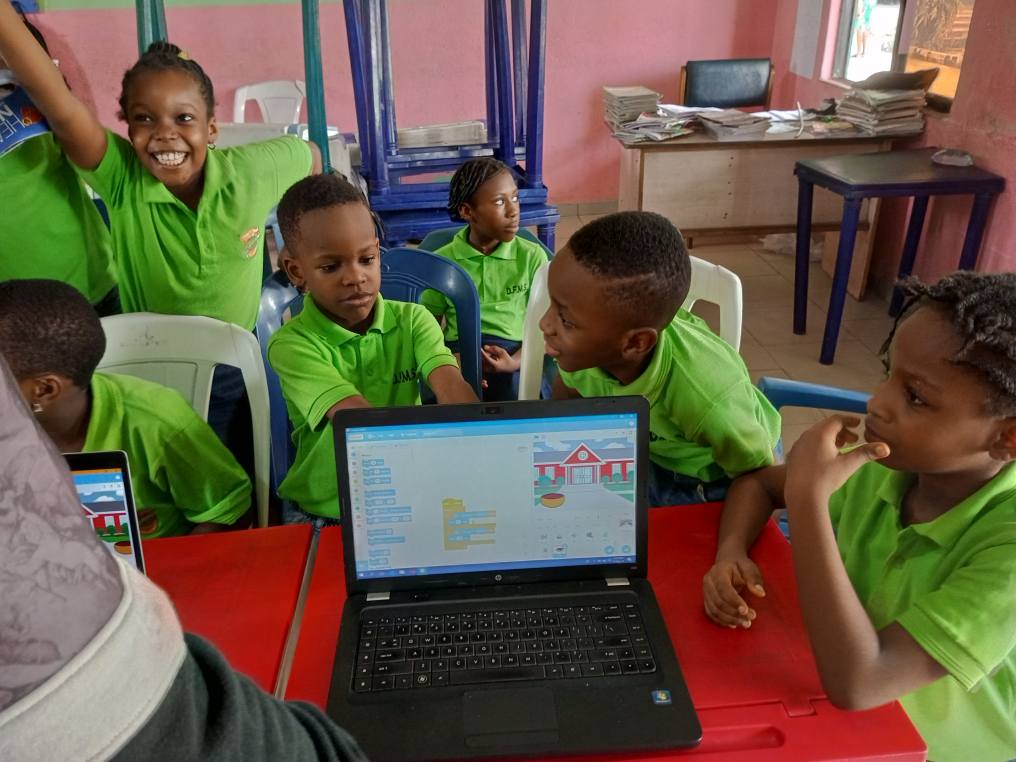
Empowering Education & Technology
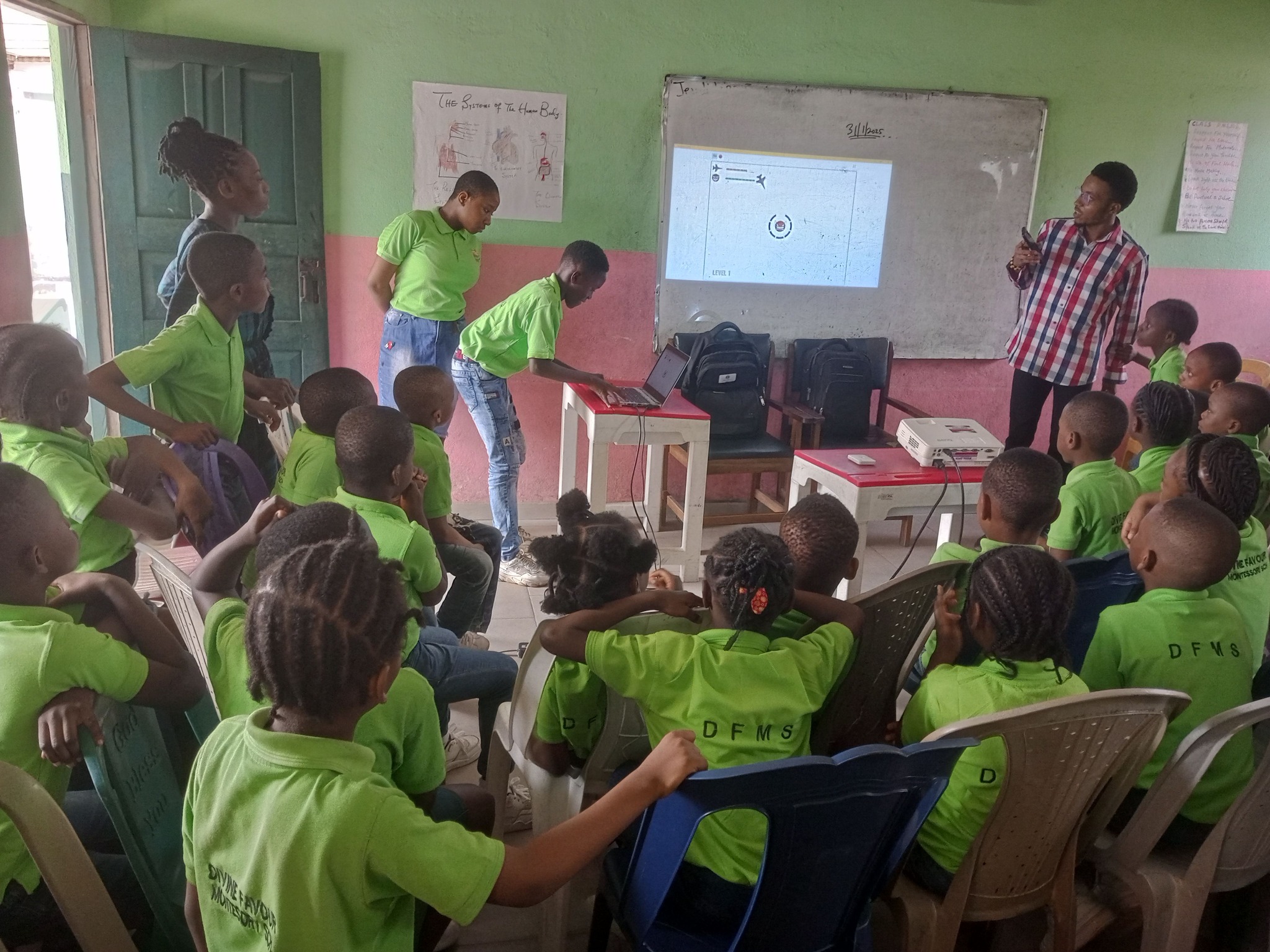
Empowering Education & Technology
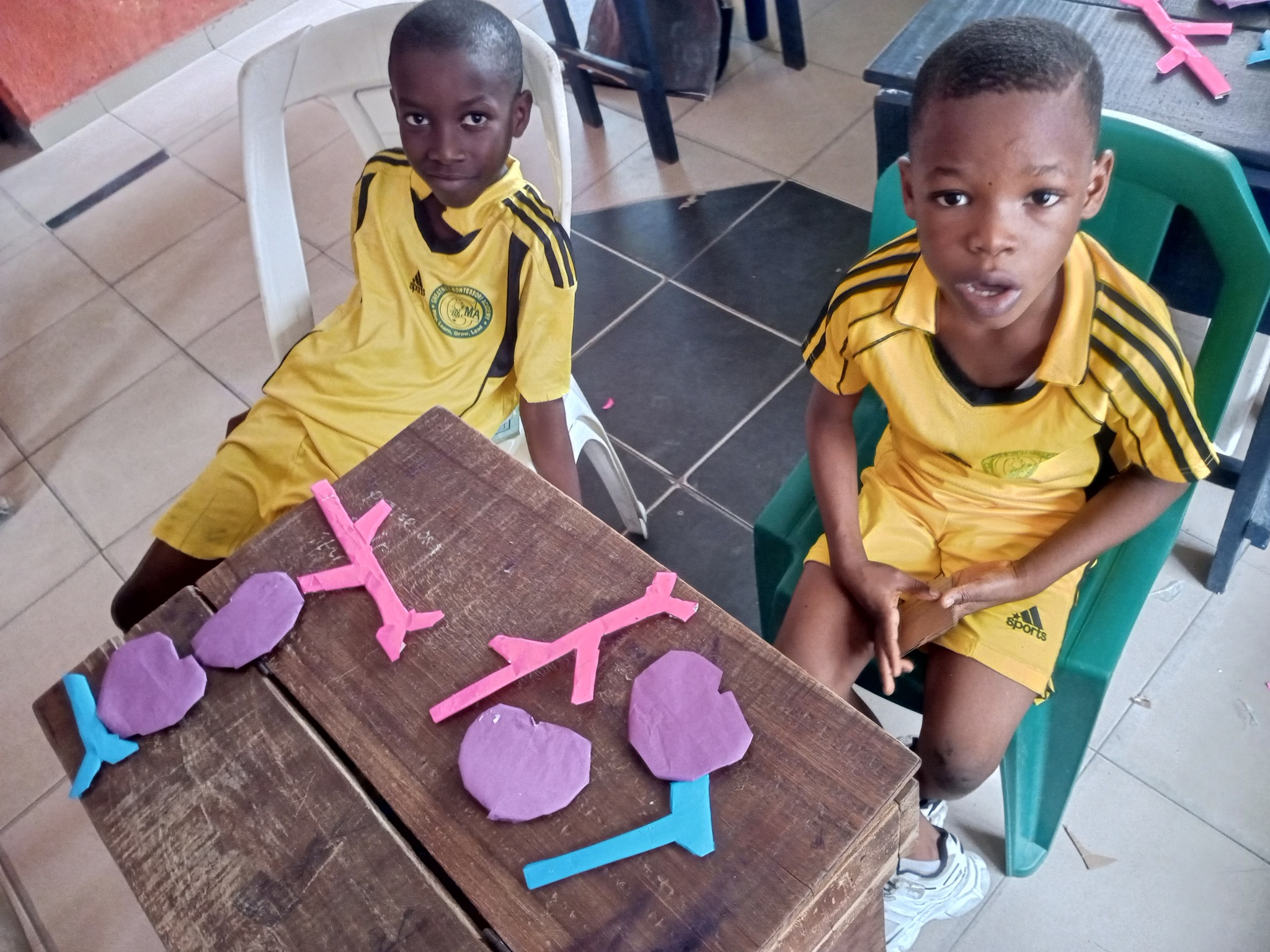
Empowering Education & Technology
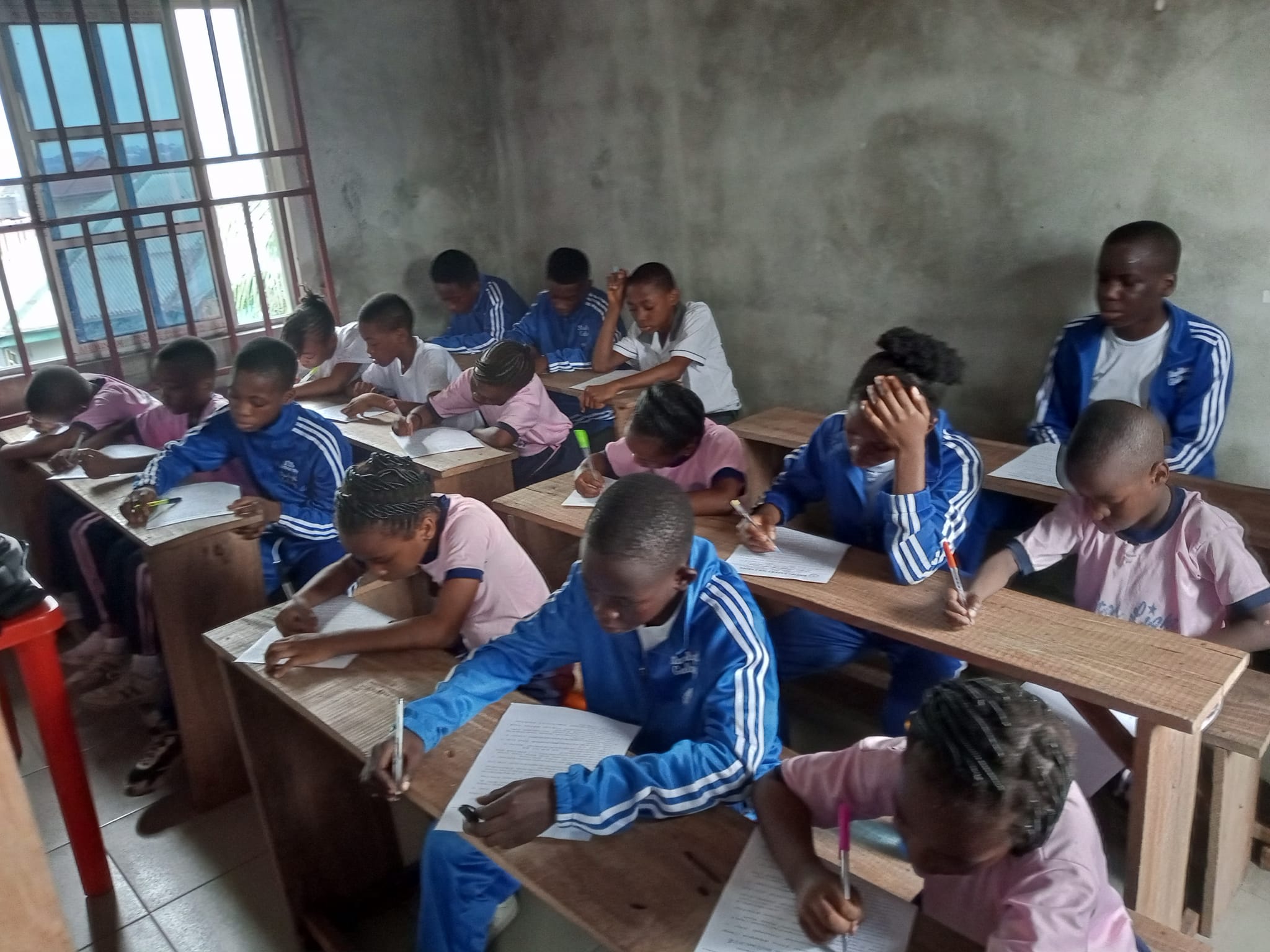
Empowering Education & Technology
Empowering Education & Technology
Empowering Education & Technology
Empowering Education & Technology
Empowering Education & Technology
Empowering Education & Technology
Empowering Education & Technology
Empowering Education & Technology
Empowering Education & Technology
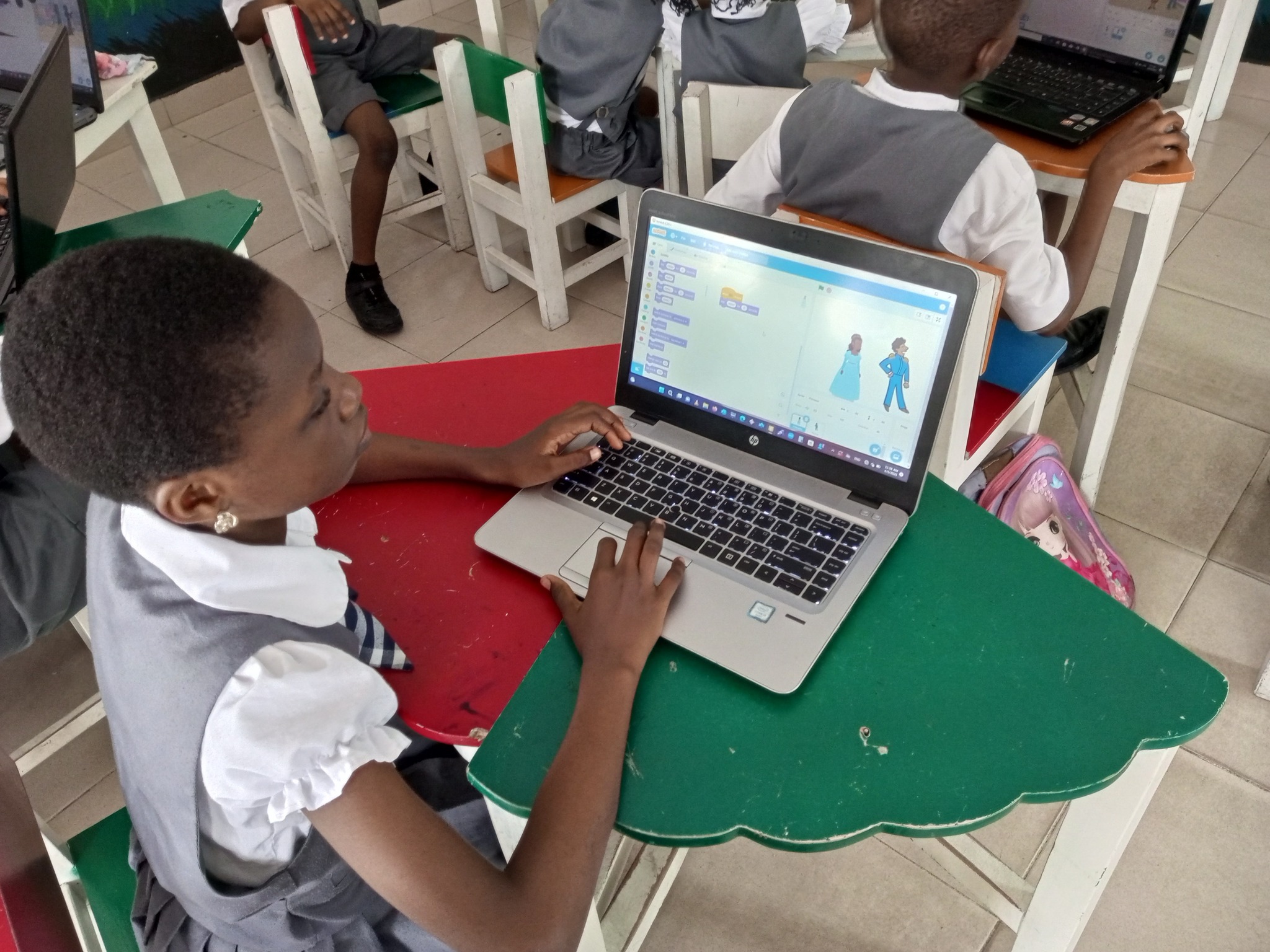
Empowering Education & Technology
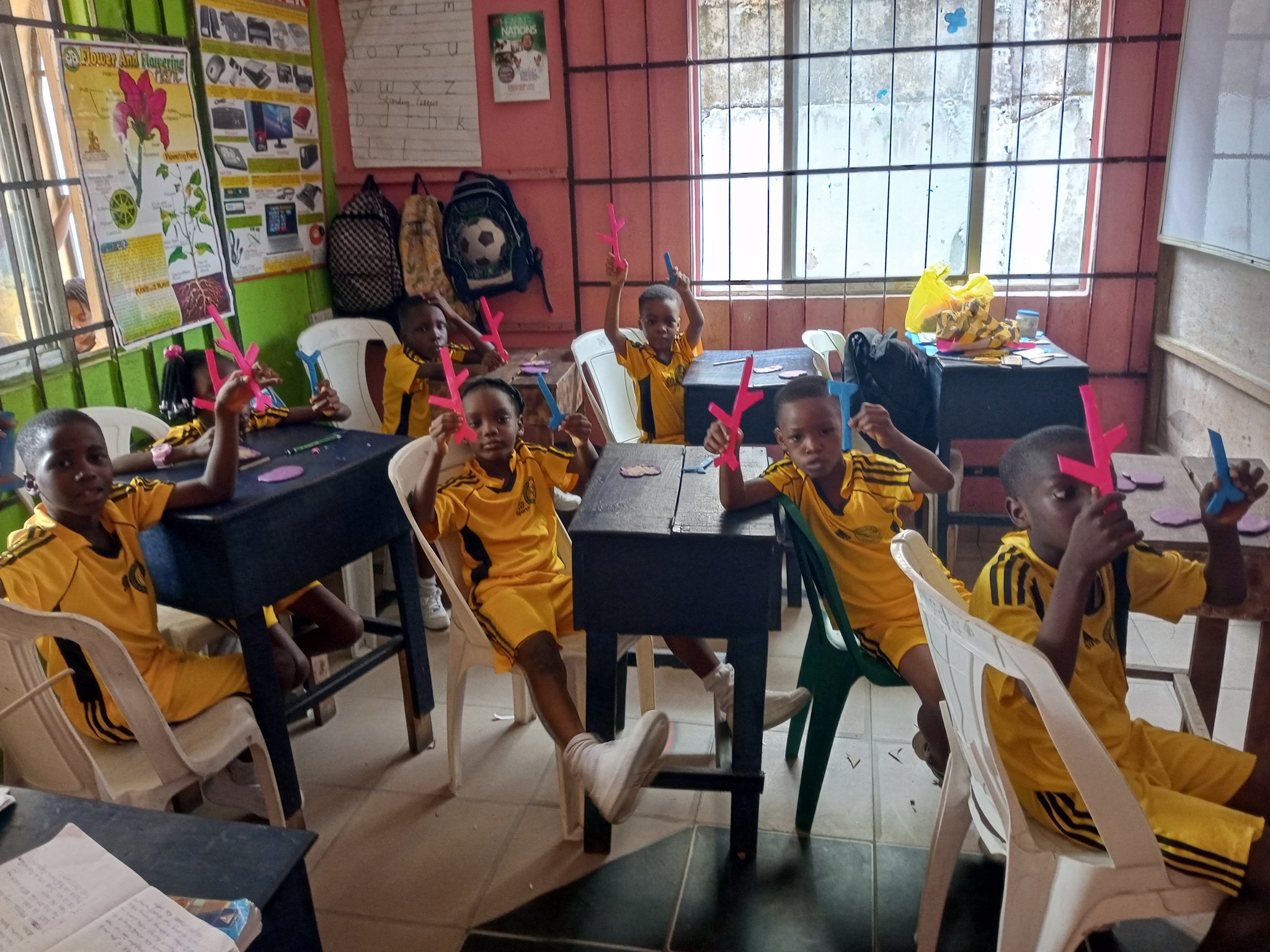
Empowering Education & Technology
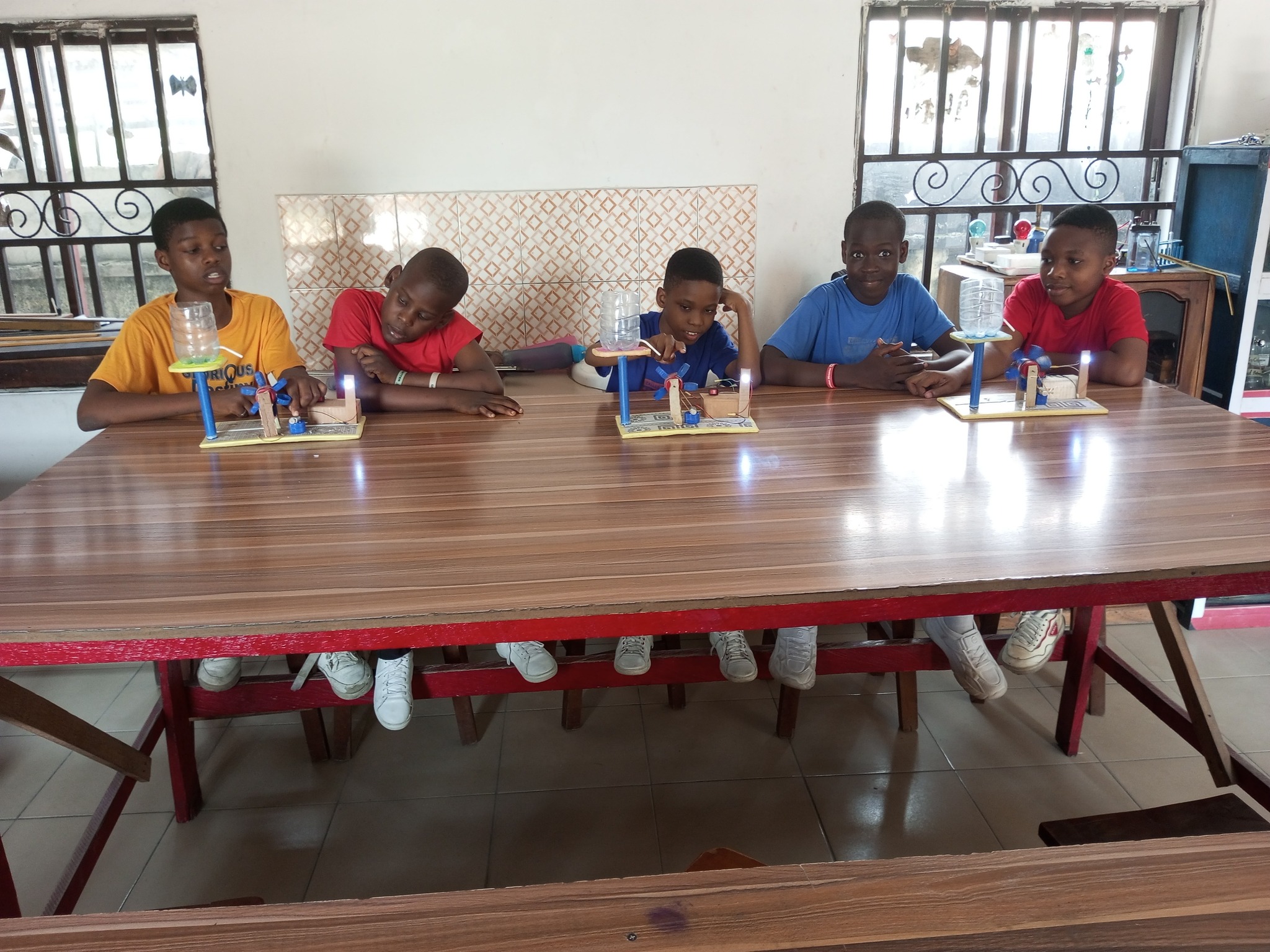
Empowering Education & Technology
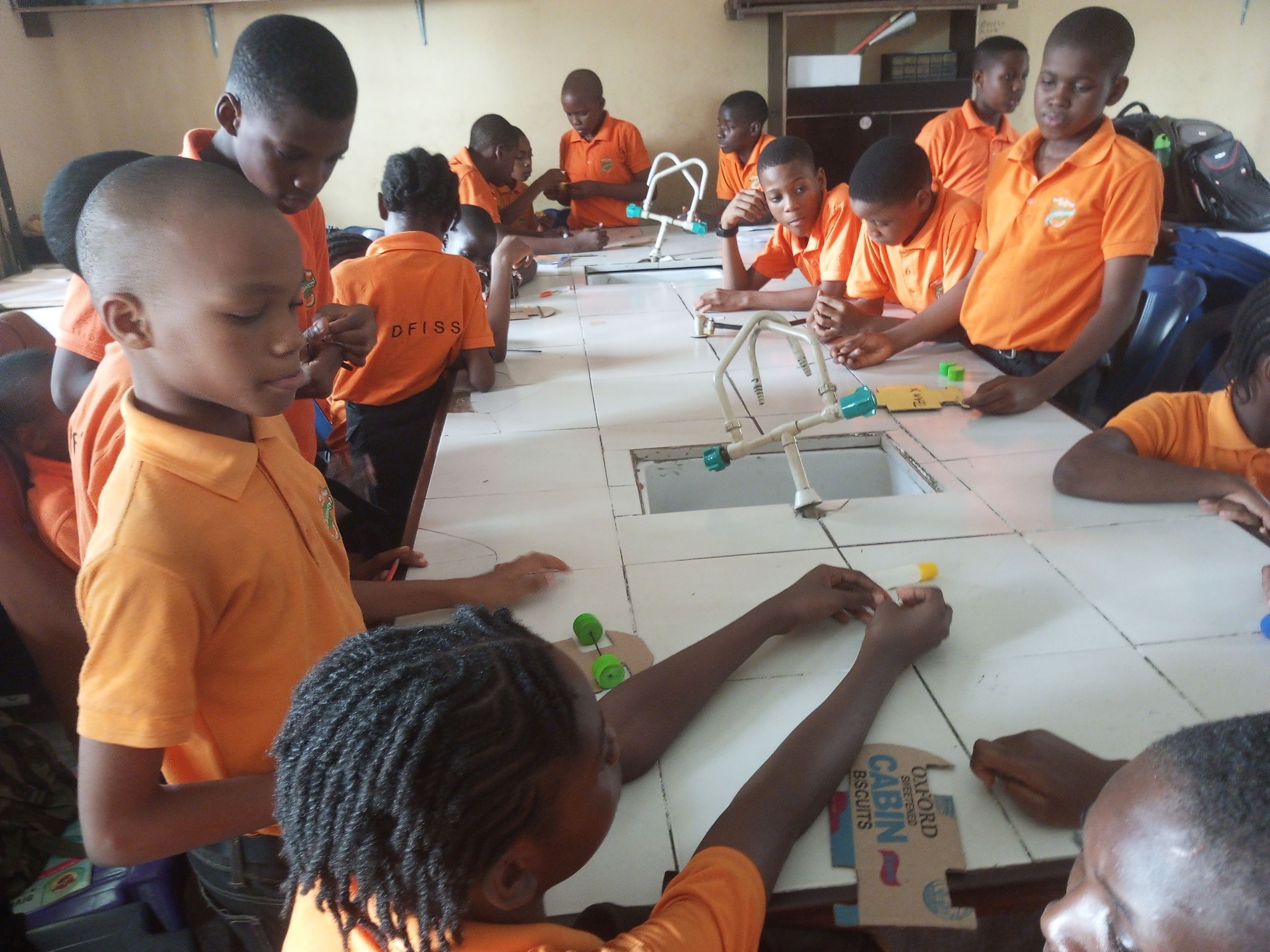
Empowering Education & Technology
Empowering Education & Technology
Empowering Education & Technology
Empowering Education & Technology
Empowering Education & Technology
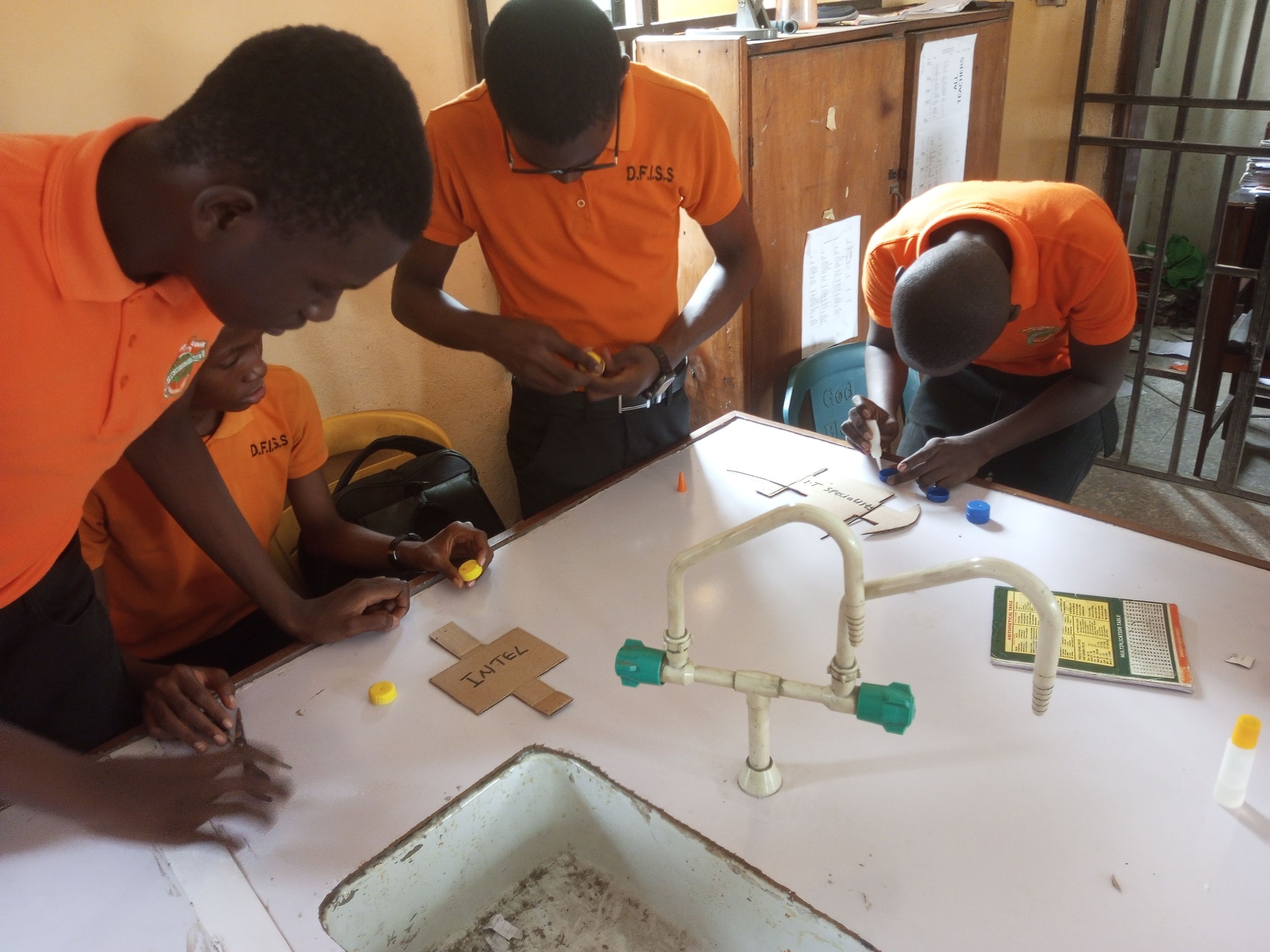
Empowering Education & Technology
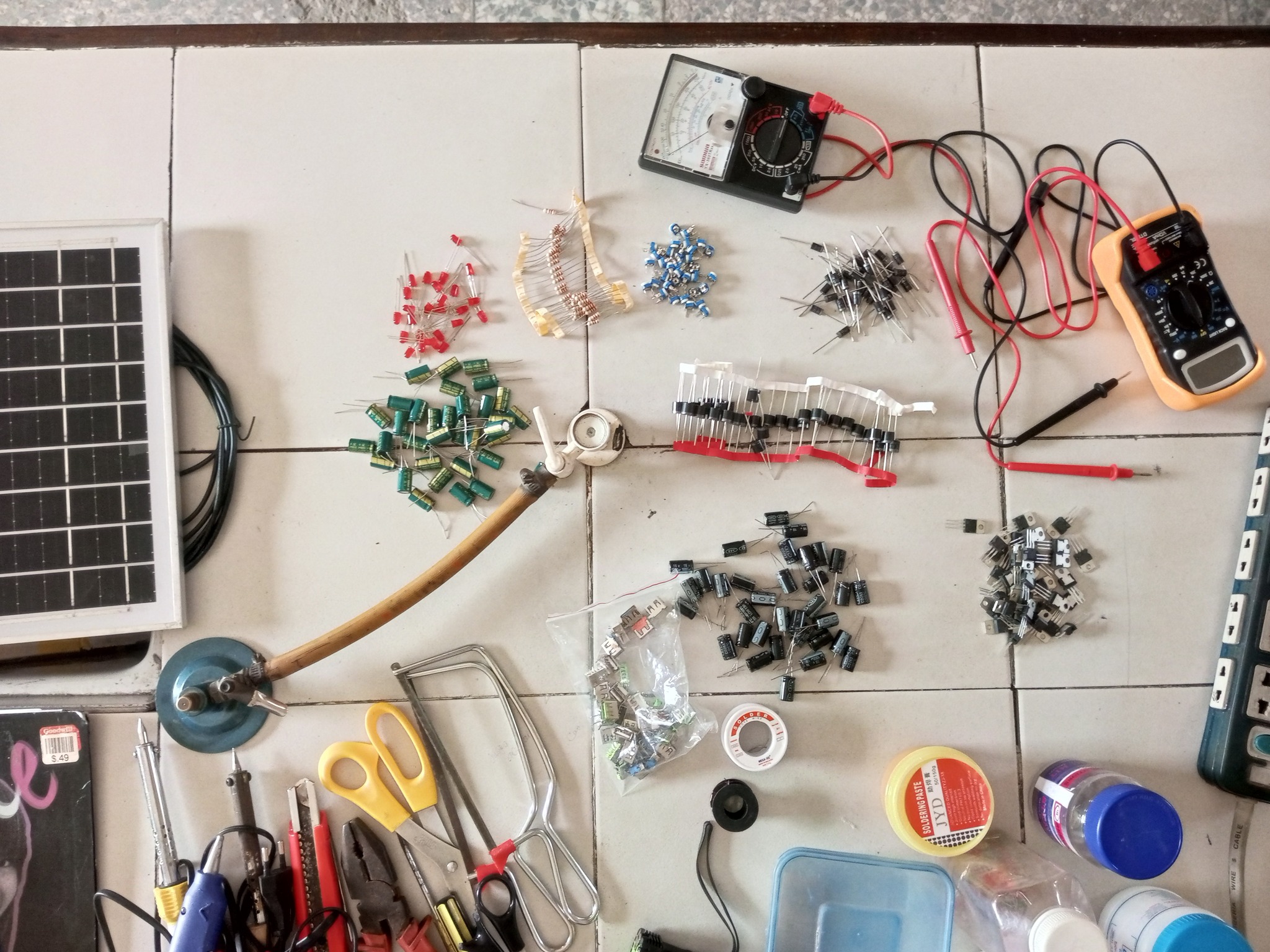
Empowering Education & Technology
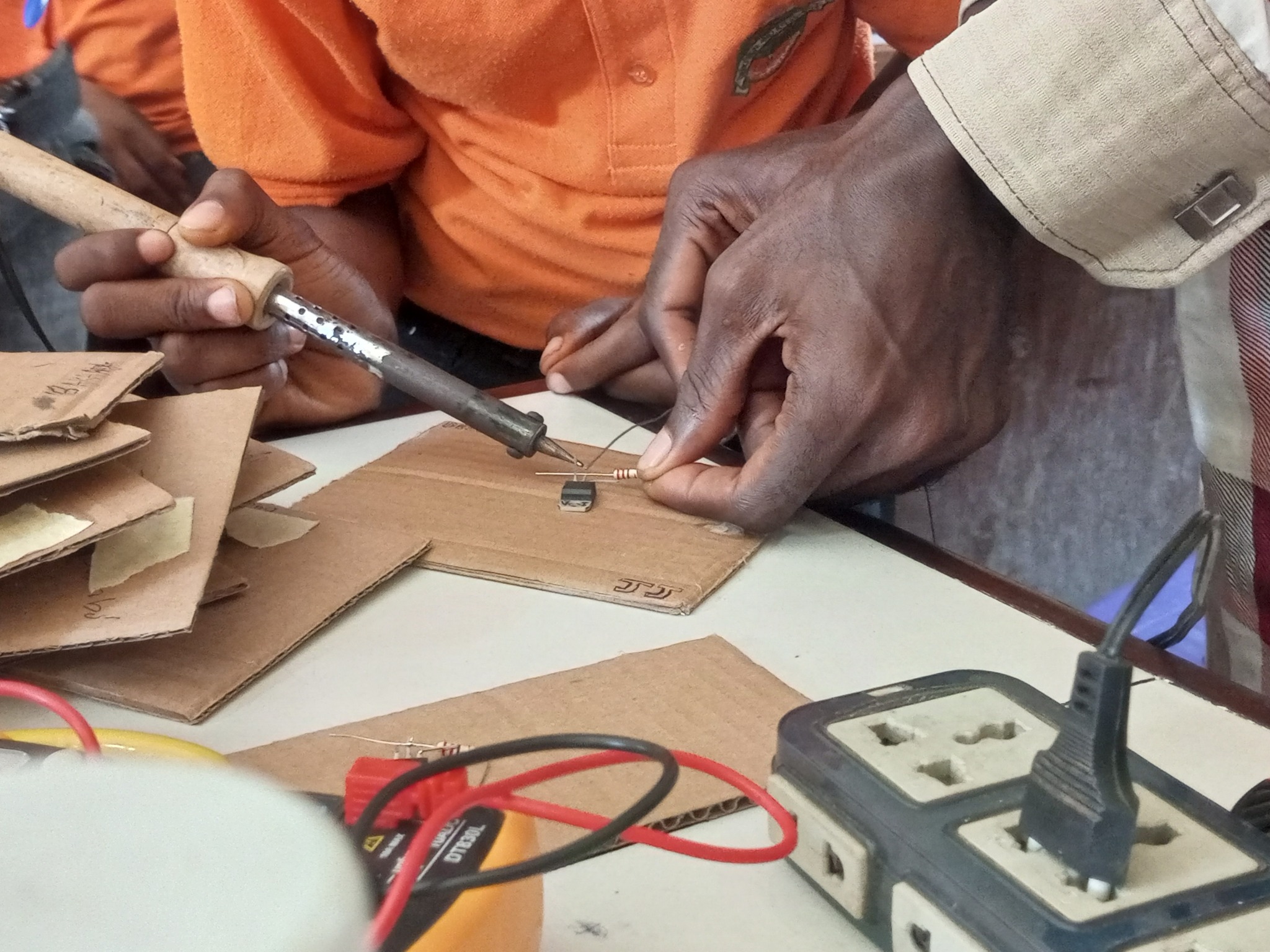
Empowering Education & Technology
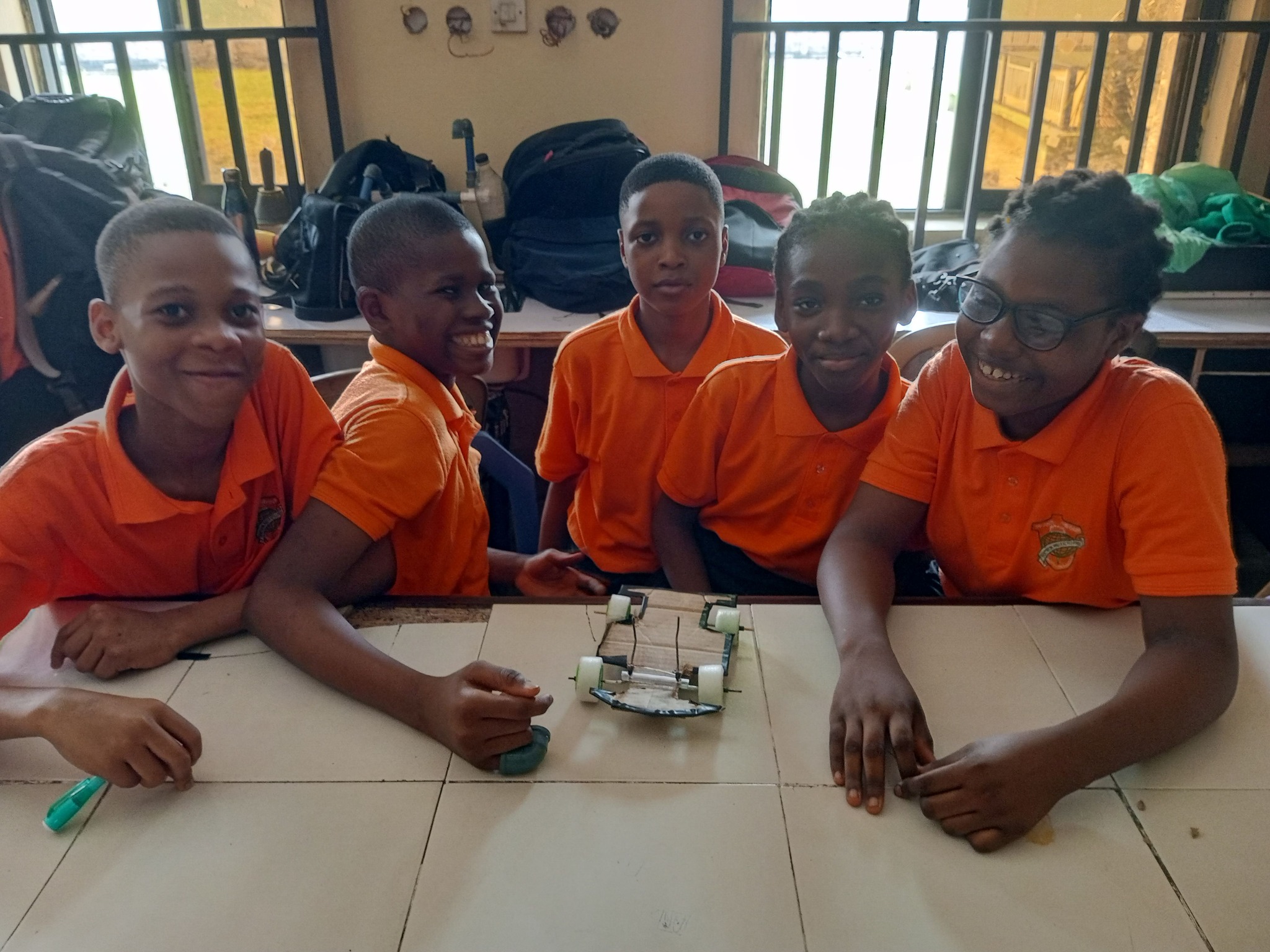
Empowering Education & Technology

Empowering Education & Technology
Empowering Education & Technology
Empowering Education & Technology
Empowering Education & Technology
Empowering Education & Technology
Online Trainings & Professional Development
We offer structured online classes for students and comprehensive professional training programs to advance your career in technology.
What You'll Learn
- •For Students: Foundation to advanced programming concepts with hands-on practice.
- •For Professionals: Advanced skills in AI, Data Science, Cyber Security, and more.
- •Problem-solving, logic building, and real-world project delivery.
- •Personalized support and progress tracking throughout the course.
Class Preview
Watch a real training session before enrolling
SMART CODERS
NATIONAL COMPETITION
"I CAN CODE"
Join the annual coding challenge for schools across Nigeria. Showcase your skills, compete with the best, and win prestigious awards.
Registration is FREE!
Open for scholars in Nigerian Primary and Secondary Schools.

Award
About Us
COMPANY PROFILE
RHEMA EXPERT SOLUTIONS is a premier Technology company based in Nigeria, dedicated to providing innovative solutions across multiple technological domains.
With expertise spanning; Science Laboratory Setup, Coding (Programming) & STEM Robotics, AI, IoT, Drone Technology, CCTV System, Software Development and Cyber Security. We empower businesses and educational institutions with cutting-edge technology solutions.
The firm blaze the impact of Technology in all sphere of learning and equally engages in other services such as Installation and Maintenance of CCTV Systems, Website Designs & Development: Web App and Mobile App, Drone Technology & Database Management, CYBER SECURITY, majoring on; Ethical Hacking, Digital Forensics, Penetration Testing and Vulnerability Assessment, STEM AVIATION, DIGITAL MARKETING, DATA ANALYSIS: Excel, Power BI.
Our mission is to bridge the gap between innovation and implementation, delivering tailored solutions that drive growth and excellence.
RHEMA EXPERT SOLUTIONS is working endlessly to become a major player in the Tech-World in terms of product efficiency, distribution and services. By leveraging a well thought out business plans executed by a skilled Management Team, RHEMA EXPERT SOLUTIONS will achieve its goals and vision in a short while.
The firm source for products from affiliate companies in Europe, Asia and India.
Contact Information
- 📍1. Elelenwo, Port Harcourt - Nigeria
- 📍2. Surulere, Lagos - Nigeria
- 📞+234 803 522 6642
- 📱+234 802 579 1886
- ✉️rhemaexpertsolutions@gmail.com
Our Services
Comprehensive technology solutions tailored to meet your specific needs and drive innovation.
Science Lab Setup
Complete apparatus and reagents for educational and research institutions

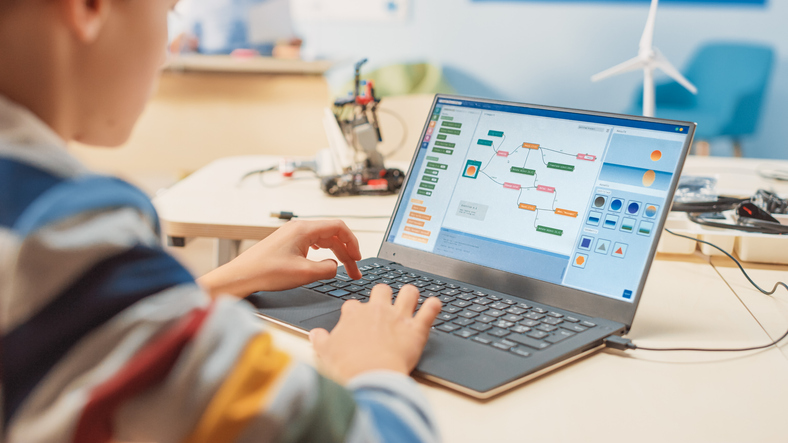
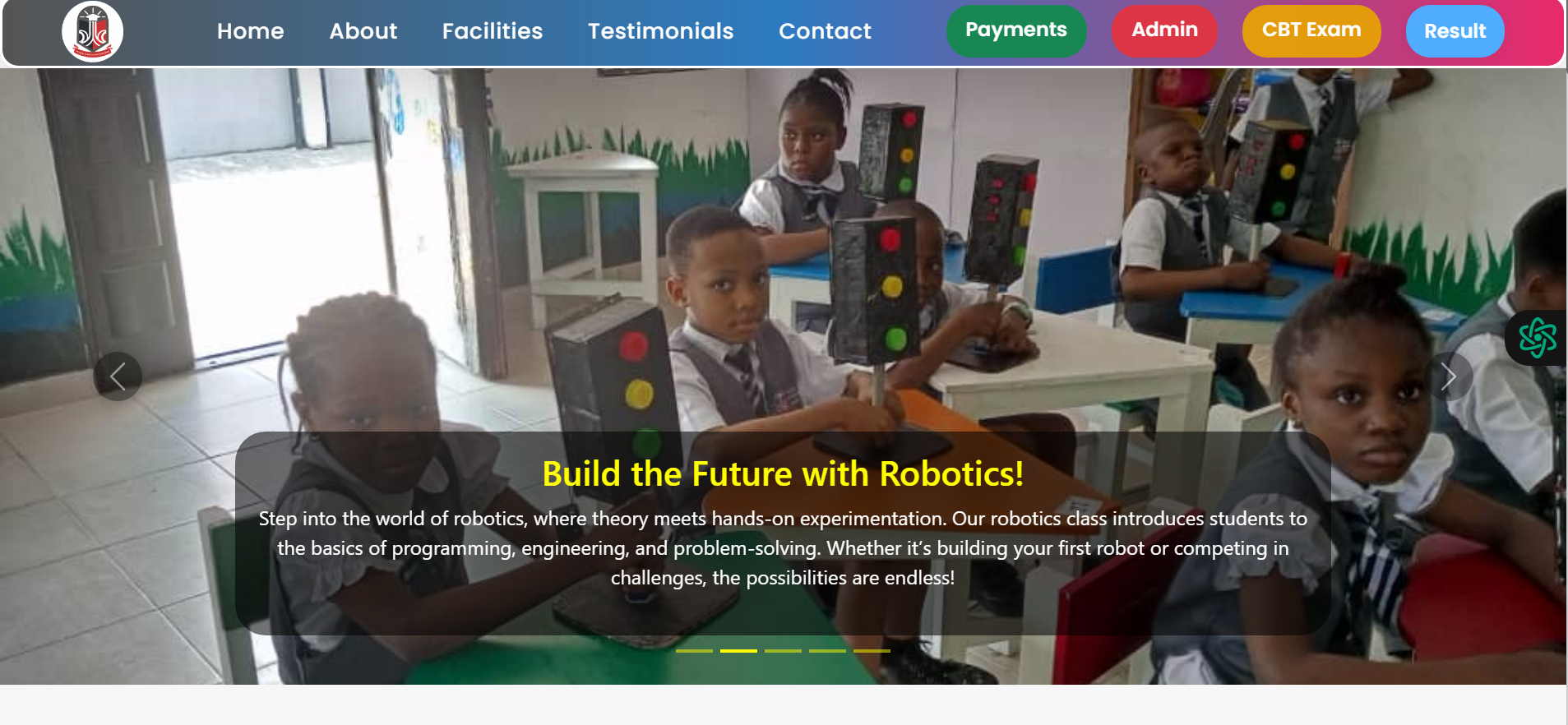
Coding & STEM Robotics
Comprehensive training and development in programming and robotics
AI & IoT Solutions
Cutting-edge artificial intelligence and Internet of Things implementations
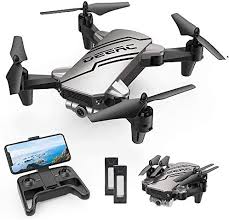
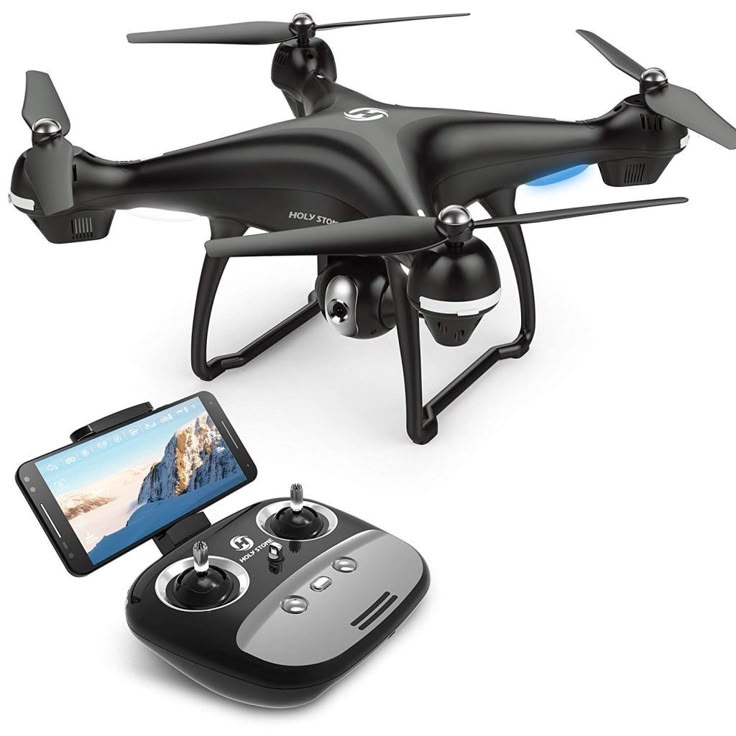
Drone Technology
Advanced drone systems for various commercial applications
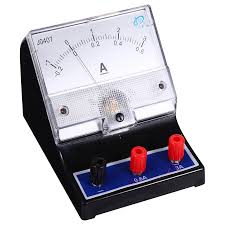
Digital Electronics
Circuitry design and embedded systems development
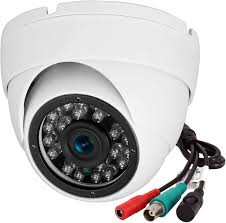
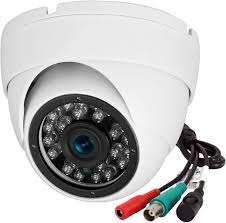
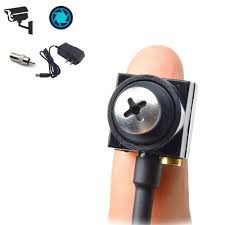
CCTV Systems
Installation and maintenance of security surveillance systems
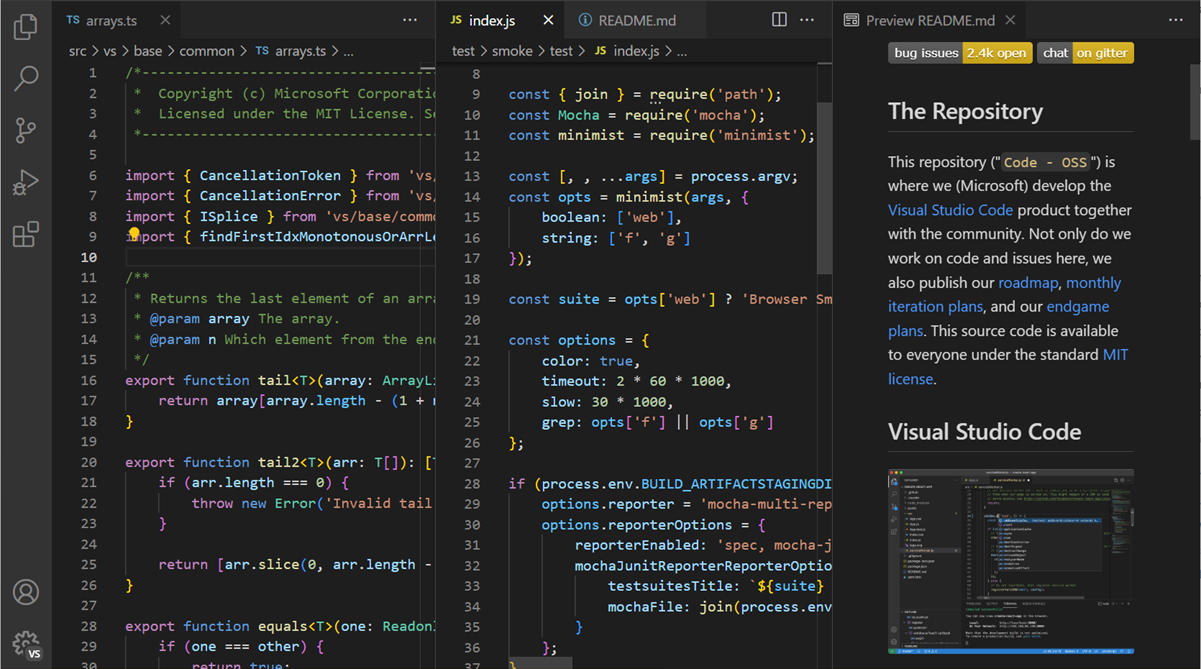
Software Development
Custom websites, mobile apps, and web applications
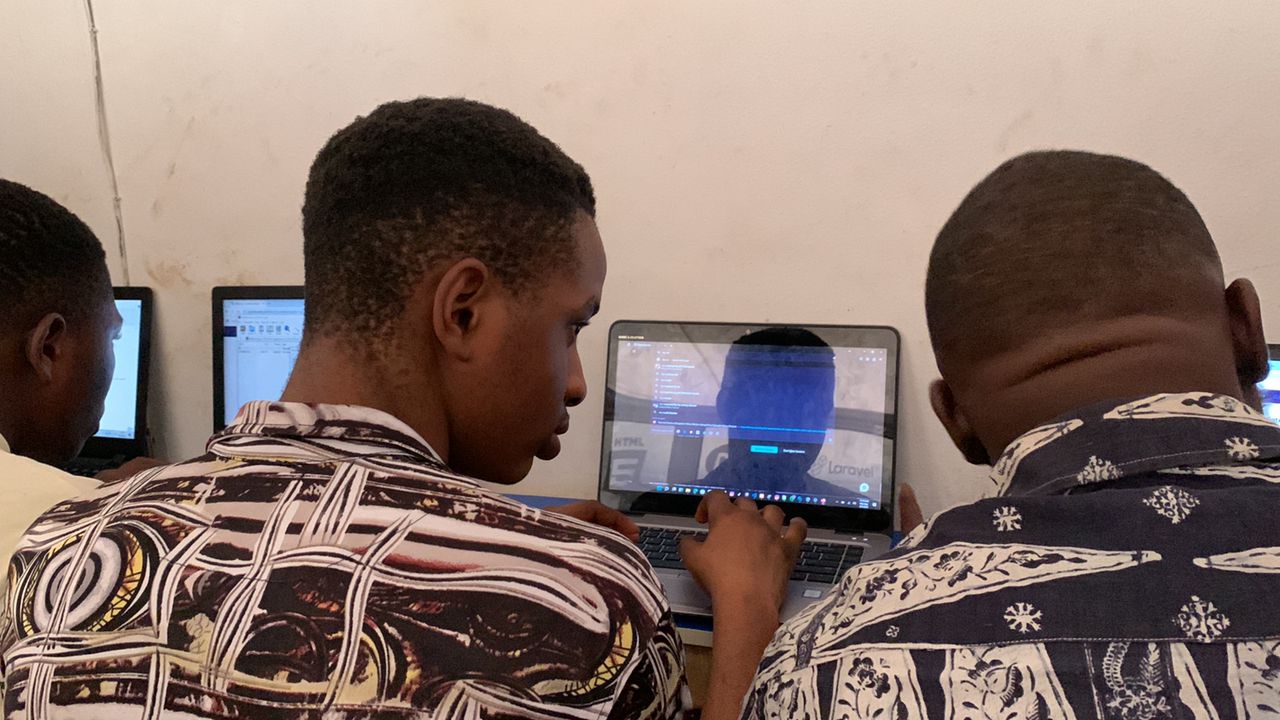
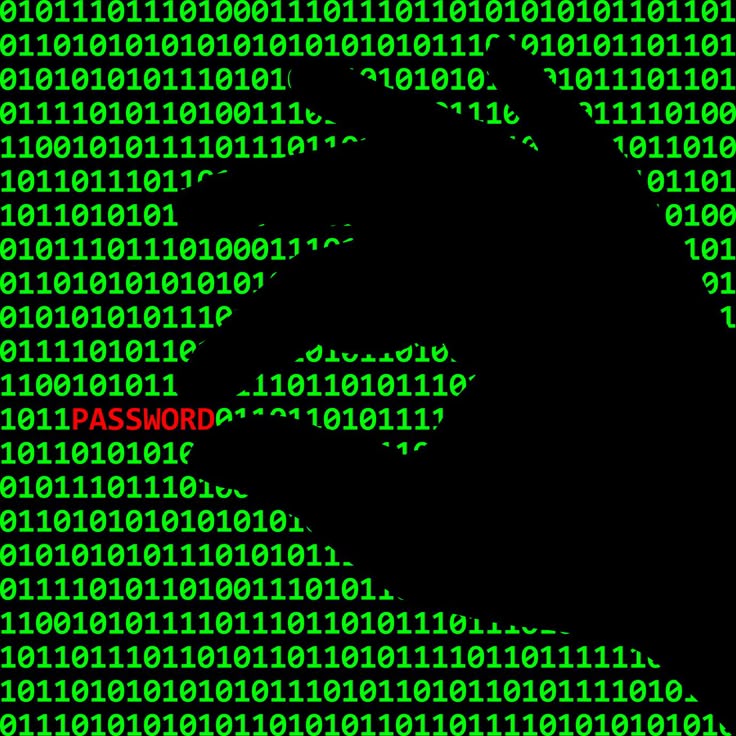
Cyber Security
Ethical hacking and security solutions for digital assets


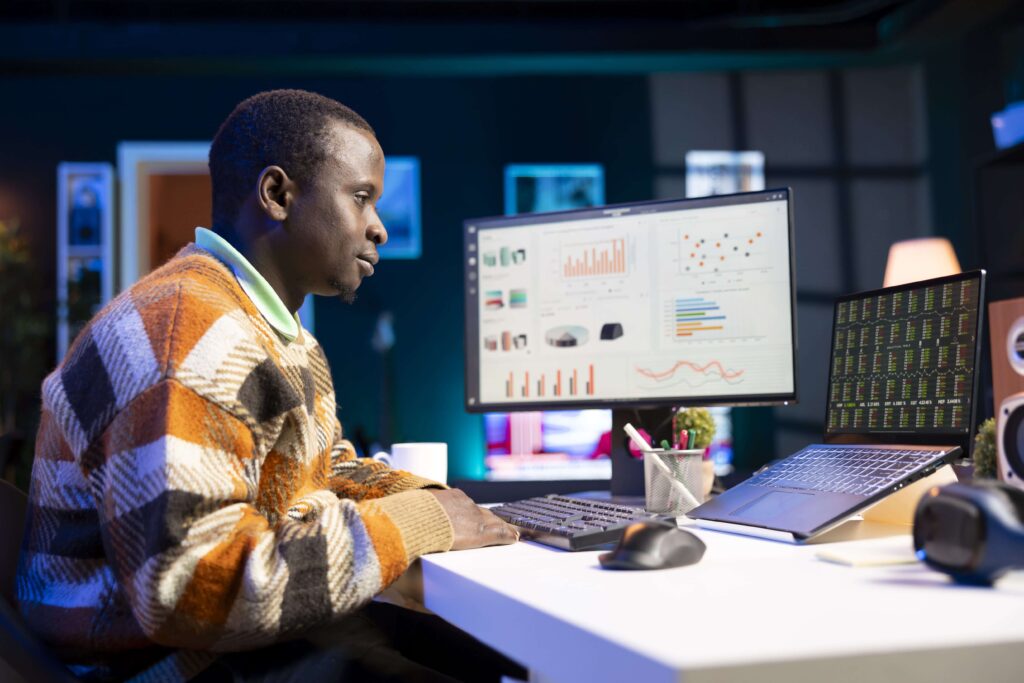
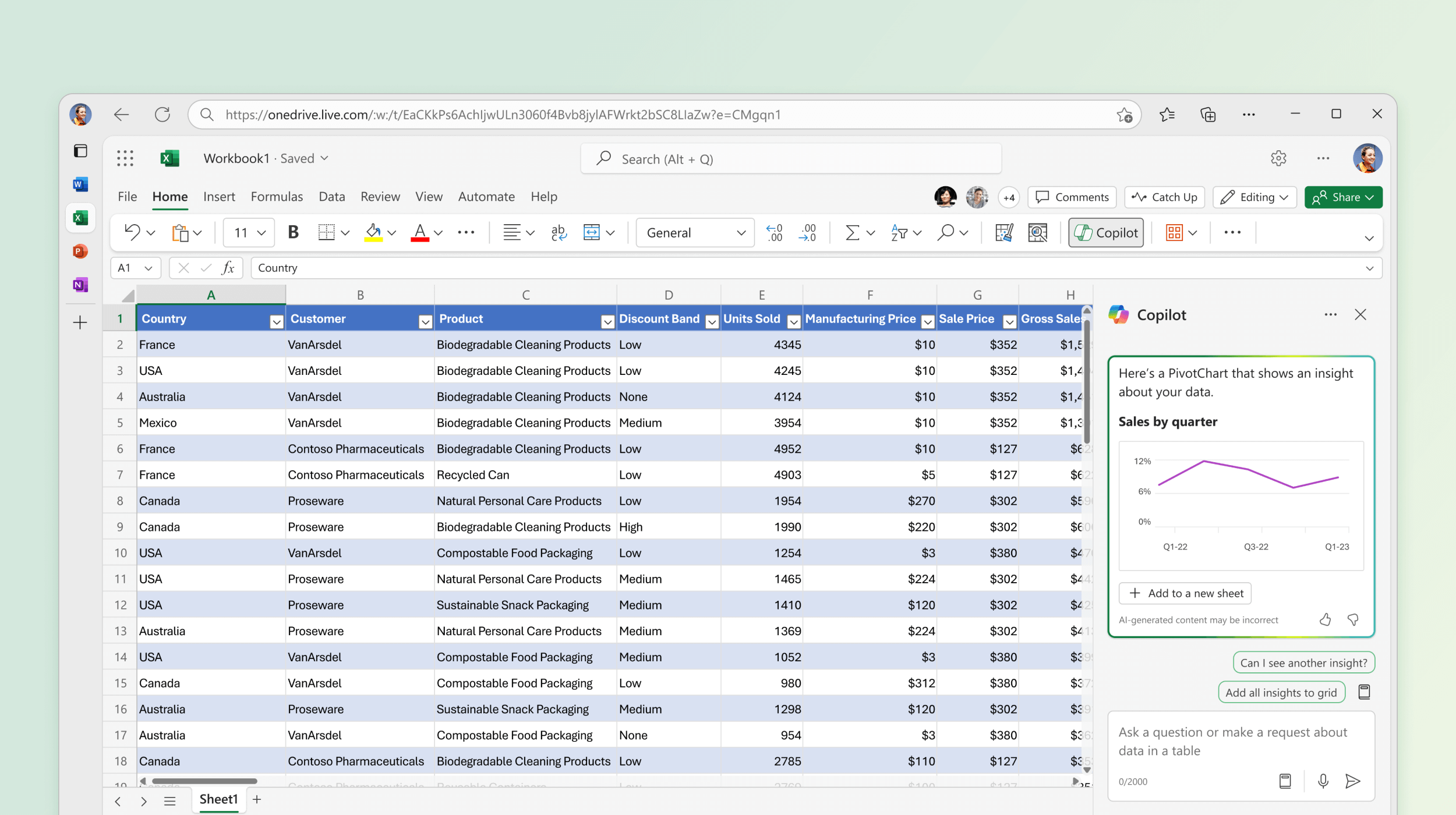
Data Analysis: Excel, Power BI
Professional data analysis and visualization services
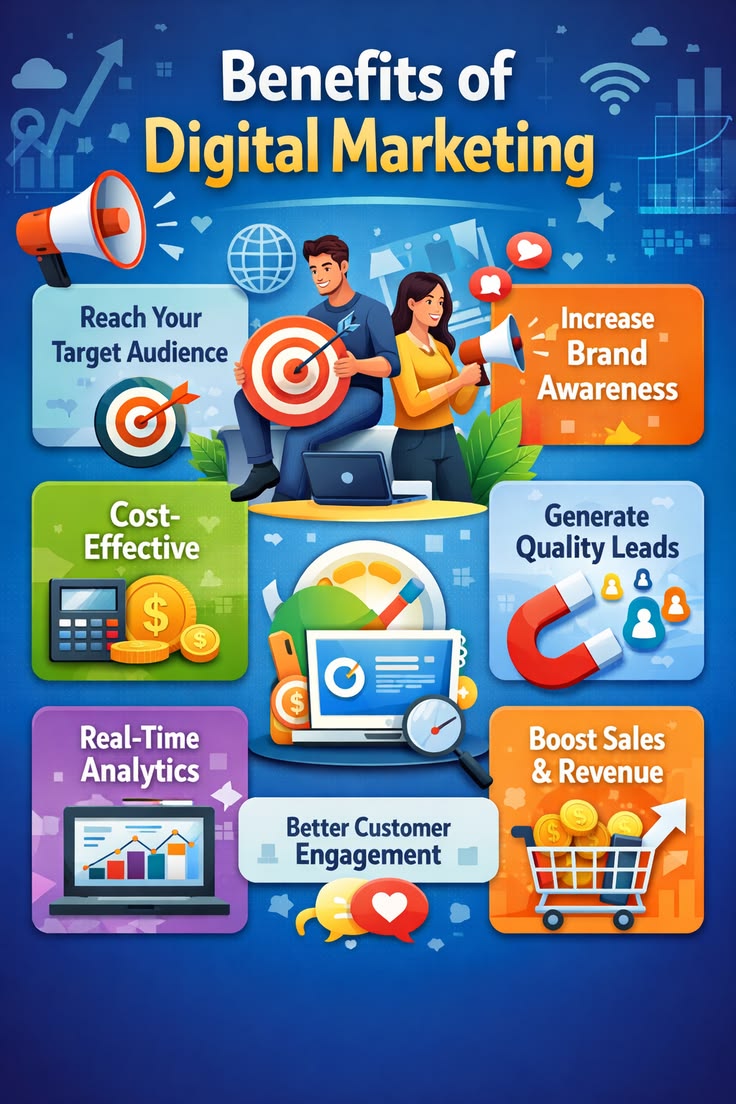
Digital Marketing: Affiliate Marketing
Strategic digital marketing and affiliate program management

E-Notes
Stay informed with the latest announcements, updates, and important notices from our team.
I C T
JSS1 FIRST TERM ICT E-NOTE BASIC COMPUTER CONCEPT TECHNOLOGY OF DIFFERENT INFORMATION AGE HISTORY OF COMPUTER GENERATION OF COMPUTER DATA AND INFORMATION CLASSIFICATION OF MEANS OF TRANSMITTING INFORMATION INFORMATION TRANSMISSION INFORMATION EVOLUTION AND COMMUNICATION ICT APPLICATION IN EVERYDAY LIFE Week 1 Topic: Basic Computer Concept Definition of a Computer A computer can be described as a machine or a device that accept data under the control of a stored program in a prescribed form, process data and supply the result as information in a specific form. It performs three major functions such as: 1. It accepts data 2. It process data 3. It supply information (output) Parts of Computer These are parts of a computer: Monitor: The monitor is an output device. It displays the information on the screen for the user to see what he/she is doing. The information is displayed on the screen is called Soft copy. The monitor comes in different sizes such 12 inches,14 inches, 21 inches e.t.c Keyboard: The Keyboard is an input device. It is used to send data into the computer system for processing. The keyboard is used to communicate with the computer. It is used to enter data into the computer in form of digits, alphabets, symbols. The keyboard has five different sections. Such as • function keys • alphanumerical keys • control keys • numerical keys • speed keys System Unit: System unit is a metallic box that contains the major components of the computer. It contains the heart of the computer system called the central processing unit (CPU). The central processing unit is where all the processing function takes place on the computer system. Mouse: The Mouse is a pointing device that moves an object on the screen of the monitor. The mouse also can be used to give simple C command to the computer. The mouse work in conjunction with the keyboard. Speaker: Speaker is an output the project out the sound of what we do with the computer. Printer: The printer is an output device that transforms out the soft copy works we have on the computer on a printed paper. Component of the System Unit 1. Internal power supply: The system unit draws power from the alternate circuit/current (AC) through a power protecting device. The power is supplied directly to an internal power supply which converts the alternate into direct/current (DC) of 5 and 12 volts. Internal power supply (SMP) it provides cable connectors to supply the required voltage to the other internal component like the floppy disk drive, hard disk drive, the boot and external device like a keyboard. The off/on of the system unit is part of switch mode power supply (SMP) 2. Exhaust Fan: exhaust fan is a small fan attached to the switch mode power supply to cool it. The fan rotates as long as the computer is on 3. Speaker: speaker is an output the project out the sound of what we do with the computer. 4. Mother Board: mother board is a large board that contains numbers of tiny electronic circuit and other components. It is popularly referred to as BORAD its components are; • Micro Processor: The micro processor, processes data and produces out a result. The means it accepts data, perform arithmetic and logic operation and then send out the result. It responds to request for the peripheral devices e.g printer signal can indicate when it has paper run out of paper. micro processor consists of a control unit, arithmetic, and logic unit and register, during the arithmetic and logic unit operation, the micro processor chip hold it intermediate resulting register. • The Register: The registers are part of microprocessor chip meant for storage and are not accessible to the programmer. Assessment 1. ……… can be described as a machine or a device that accept data under the control of a stored program in a prescribed form, process data and supply the result as information in a specific form. 2. Mention 4 components of the system unit 3. Mention 3 parts of a Computer 4. What are the major functions of a computer Week 2 Topic: Technology of Different Information Age (Age early counting devices) The counting of figures and other simple arithmetic operation are of the greatest challenges man has ever had before the invention of the computer. The counting move is done using different parts or the body such as finger and toes. Objects like stones, pebbles, sticks, and drawing of lines of marks on the surface were also used for counting. Technology of information ages can be grouped into four stages and these are: 1. Stone Age (primitive period): stones were used for making tools and weapon of the primate period. In this era, stones were stricken together to make fire. Clay was also used for making pot, jug, and pottery e.t.c. 2. Iron age (12A century BC): as human, life gradual attention begins to shift on iron. The iron such as steel and bronze were used for making tools and weapons for war e.g hoe, knife, and cutlass was made from iron and was meant for human usage. 3. Industrial age (late 18th or early 19 century): industrial age is known as the industrial revolution age. There were rapid revolution changes in agriculture, transportation, manufacturing and mining sector across the globe in this era. In this period, machine was produced and used to perform tedious and manual production of goods. In man’s history, this period was a turning point because road, ships, railways, electricity e.t.c were developed in this era. 4. Electronic age (late 19th century): This is the invention of electronic machine over the stage in this era of information age. It a period during which the concept of electromagnetism, electrostatic, electric current and above all silicon technology were fully harnessed together for human and social advantages. It is the period that computer was developed and it is used interchangeably with the present information age. Assessment 1. Technology of information ages can be grouped into ____ stages 2. List the stages of technology information ages 3. At what stage was electronic machine invented Week 3 Topic: History Of Computer Before the invention of computer, counting of figures was done with finger, and also the use of toe. Then later on man shifted to the use of stones. The stones often became problem sometimes, then another means were cropped up until mechanic and electronic devices were discovered. Development of computer mechanical devices are these devices that porter their task without making use of electricity. Examples are 1. Abacus: Abacus was developed in china. It is a wooden frame with string on which colorful beads are stung on. 2. Slide Rule: Slide rule is used for performing calculation which involves multiplication and division. The use of slide rule is only accurate to 3 or 4 of decimal place. It is also used for operation that involves raising number to a given power 23 Electronic Devices These are devices that used low voltage to power, supply and also to perform their task. Such as 1. Napier Logarithm (Napier Bones): in the 1617, John Napier ( a mathematician) invented a device called Napier bones. He used it to simplify lengthy calculation by first reducing them to addition and also simplifies them. 2. Pascal Line: in 1642 blasé Pascal invented the first true adding machine. He invented it to reduce the numerical labour involved in his father work. This devices is basically use for arithmetic operation such as adding and subtraction. 3. Charles babbage Analytic Machine: in 1832, Sir Charles Babbage built a machine call DIFFERENCE ENGINE. He later designs another machine called ANALYTIC MACHINE IN 1833. He invented this machine (analytical machine) for more complex calculation bur he died and could not complete the task. His friend ADA LOVE LAC E showed how the machine could e used to do some particular calculation. It is often thought that sir Charles Babbage is the inventor of the computer, while ADA LOVE LACE is the first programmer. This machine has four parts. • A mill for calculating • A store for holding instructors, immediate and final results • An operator for carrying out instructions • A device for reading and writing date on punch card. Assessment 1. List 2 examples of a computer mechanical device 2. Define electronic device 3. Napier Logarithm is a mechanical device, True/False 4. List 2 electronic devices you know 5. The Charlse Analytic Machine has ___ parts Week 4 Topic: Generation of Computer There are five generation of computer which are: 1. First Generation: The first generations of computer were developed between 1939-1945. The major component of this generation of computer was vacuum tubes. These computers were very heavy in size, they generate lots of heats and noise, and they are very slow in speed less reliable and efficient. 2. Second Generation of Computer: The second generations of computers were developed between 1955-1964. The major component of this computer was transistors. They were not as big as the first generation of computer. They generate less energy and noise, they work faster, and they are more reliable and more efficient. 3. Third Generation Of Computer: The third generation of computer was developed between 1964-1971. The major component of this computer was integrated circuits. These computers are smaller in size and they generate less energy and noise. They are relatively fast in speed and are relatively more reliable and more efficient. 4. Fourth Generation Of Computer: The fourth generation of computer were developed between 1971-1780. The major component of this computer were large scale integrated circuits (L.S.I.C) they are smaller in size and work very fast. They are highly reliable and generate lesser heat. 5. Fifth Generation Of Computer: The fifth generations of computers were developed between 1980- till date. The major component this computer is Ultra-large-scale integrated circuit Microchip. These computers can perform many functions such as ass diagnosing diseases, locating mineral deposits e.t.c. This generation of computer exhibits a kind of artificial intelligence. Assessment 1. How many generations of computer are there 2. The first generation of computer was developed in what year 3. The major component of the Fifth Generation Computer is _______________ 4. The major component of the Fourth Generation Computer is ______________ Week 5 Topic: Data and Information Introduction “Data” comes from a singular Latin word, datum, which originally meant “something given.” Its early usage dates back to the 1600s. Over time “data” has become the plural of datum. “Information” is an older word that dates back to the 1300s and has Old French and Middle English origins. It has always referred to “the act of informing,” usually in regard to education, instruction, or other knowledge communication. Data Data can be defined as a raw fact, data is a raw material which information is produced. Data is a set of values of qualitative or quantitative variables. Data is information in raw or unorganized form (such as alphabets, numbers, or symbols) that refer to, or represent, conditions, ideas, or objects. Data is limitless and present everywhere in the universe. In computing, data is information that has been translated into a form that is more convenient to move or process. Relative to today’s computers and transmission media, data is information converted into binary digital form. Data can be defined as a representation of facts, concepts or instructions in a formalized manner which should be suitable for communication, interpretation, or processing by human or electronic machine. Data is represented with the help of characters like alphabets (A-Z,a-z), digits (0-9) or special characters(+,-,/,*,<,>,= etc.). Examples of Data • Student Data on Admission Forms: When students get admission in a college. They fill admission form. This form contains raw facts (data of student) like name, father’s name, address of student etc. • Survey Data: Different companies collect data by survey to know the opinion of people about their product. • Data of Citizens: During census, raw facts of all citizens is collected. • Students Examination Data: In examination data about obtained marks of different subjects for all students is collected. Information Information is a data which has been processed to a meaningful and useful to the person who received it. Data as a general concept refers to the fact that some existing information or knowledge is represented or coded in some form suitable for better usage or processing. Information is stimuli that has meaning in some context for its receiver. When information is entered into and stored in a computer, it is generally referred to as data. After processing (such as formatting and printing), output data can again be perceived as information. Information is the summarization of data. Technically, data are raw facts and figures that are processed into information, such as summaries and totals. Information is organised or classified data which has some meaningful values for the receiver. Information is the processed data on which decisions and actions are based. For the decision to be meaningful, the processed data must qualify for the following characteristics: • Timely – Information should be available when required. • Accuracy – Information should be accurate. • Completeness – Information should be complete. Examples Of Information • Student Address Labels: Stored data of students can be used to print address labels of students. • Result Cards of Individual Students: In examination system collected data (obtained marks in each subject) is processed to get total obtained marks of a student. Total obtained marks are Information. It is also used to prepare result card of a student. • Census Report: Census data is used to get report/information about total population of a country and literacy rate etc. • Survey Reports and Results: Survey data is summarized into reports/information to present to management of the company. Sources Of Data Data can be sourced from the following: 1. Student performance in both text and exam 2. Patient files at the hospital 3. Company’s database about each employees 4. Printed Books 5. Internet 6. Electronic Sources etc. Examples of Data and Information Name: : Akingade Job Class: S S 2A State of Origin: Ondo state Sex: Male Date of birth: 16TH September 1999 How data is processed into information • Data could be listen to, store, deleted, removed or merged together • Data processing involves some process which includes, calculating, sorting, classifying, and summarizing e.t.c. • Data processing simply means how data is being converted into meaning information. Quality of Good Information 1. Accuracy: information must be accurate and should not misled the user in making the right decision 2. Meaningful: A good information must be meaningful i.e must e able to be interpreted 3. Timely: A good information must be communicated when it is needed 4. Comprehensive: A good information must be expressed in a way that can understand it 5. Suitable: A good information must be good enough to serve it purpose 6. Relevant: A good information must not ease more that it worth. Differences between Data and Information • Data is the input language for a computer and information is the output language for human. • Data is unprocessed facts or mere figures but information is processed data which has been made sense of. • Data does not depend on information but information depends on data and without it, information cannot be processed. • Data is not specific but information is specific enough to generate meaning. • Data is the raw material that is collected but information is a detailed meaning generated from the data. Assessment 1. Data can be defined as___ 2. Differentiate between Data and information 3. A meaningful decision must contain the following characteristics except (a) Timely (b)Decentralization (c) Complete (d) Accurate 4. Data can be sourced from the internet True/False 5. Timeliness is a quality of a good information True/False Week 6 Topic: Classification of Means of Transmitting Information • There are various ways of transmitting information and these can be classified into two which are as follows. Electronic Means • Print out copies • Telephone • Radio • Television • Internet • Telex • Satellite • S.M Non-Electronic Means • Oral • Beaten drums • Town crier • Whistling • Drawing diagrams • Making representation Mode of Receiving Information Information can be received through the following means 1. Audio: Audio information can be received in a sound form, e.g music. Broadcasting, voice recording, audio tape. 2. Visual: Visual information can be received in form of text, picture, and chart. E.g newspaper, magazines, journals, billboards. 3. Audio Visual Form: Audio visual information can be received in both sound and picture. E.g movies, music videos, e.t.c Assessment 1. Name three electronic means of transmitting information 2. List four non-electronic means of transmitting information 3. What are the modes of receiving information Week 7 Topic: Information Transmission Information transmission can be referred to as the various ways or more of spreading or passing information from one place to another. Ways of transmitting Information 1. Ancient Method: The various ways of transmitting information in the ancient time are, • oral • beaten drums • town crier • whistling • drawing diagrams • making representation 2. Modern Method: Information was able to be passed easily with concept of modernized form within a short period of time. Examples are • Print out copies • Telephone • Radio • television • internet • telex • satellite • S.M Classification or means of transmitting information There are various ways of transmitting information and these can be classified into two which are as follows. Electronic Means • Print out copies • Telephone • Radio • television • internet • telex • satellite • S.M Non Electronic Means • oral • beaten drums • town crier • whistling • drawing diagrams • making representation Mode of Receiving Information Information can be received through the following means 1. Audio: Audio information can be received in a sound form, e.g music. Broadcasting, voice recording, audio tape. 2. Visual: Visual information can be received in form of text, picture, and chart. E.g newspaper, magazines, journals, billboards. 3. Audio Visual Form: Audio visual information can be received in both sound and picture. E.g movies, music videos, e.t.c Assessment 1. ___ is a way of spreading or passing information from one place to another 2. These are the Modern Methods of passing information except (a) oral (b) radio (c) television (d) telephone 3. Information can be received through the following except (a) audio (b) audio visual (c) visual (d) whistling Week 8 Topic: Information Evolution and Communication 1. Invention Of Printing: Printing and paper were invented in china in 1940, a German Johannes Gutenberg developed moveable printer machine which was used to replace hand printed text. 2. Invention of Television: An American phuto Taylor transworth invented Cathode ray tube (CRT) used in picture production. The first television was invented by Williams Crooks in 1878 (Black and white) 3. Invention Of Radio: James Clerk Maxwell and Heinrich Harte develop theory of dectro magnetic wave in 1873 4. Invention Of Computer: computer took several stages before it come into existence. From the early counting devices such as finger, stick, stones, pebbles, to mechanical counting devices such as Abacus, slide rule, napier bones, pascal calculating machine e.t.c Information Communication Technology (I.C.T) Information communication technology is often used as an extended synonyms for information technology (IT) but it is a more specific term that stresses the role of unified communication and integrated Tele communication ( Telephone line and wireless signals). Computer as well as necessary enterprises software, middleware, storage and audio-visual system, which enable user to access, store, transmit and manipulate information Uses of Information Communication Technology 1. Communication: Communication has been made so easy a way that people in a global village can communicate with one another across the world, e.g chat rooms, ( yahoo mess anger, face book, twitter, e.t.c 2. Timing and control: People can communicate with other in different countries using technologies such as instant messaging voice over IP and video conferencing. 3. Information Processing and Management: Information and communication technology allows the processing and management of data through the use of computer accurate and reliable result. Information Communication Technology and the Society In past few decades, information communication technology had great impact on the society. Such as 1. Education 2. Health sector 3. Banking sector 4. Business sector e.t.c Assessment 1. Who invented the television and what year? 2. State two uses of Information communication technology 3. Name three parts of the society information communication technology has impacted Week 9 & 10 Topic: ICT Application in Everyday Life Information Communication Technology (I.C.T) Information communication technology is often used as an extended synonym for information technology (IT) but it is a more specific term that stresses the role of unified communication and integrated Telecommunication ( Telephone line and wireless signals). Computer as well as necessary enterprises software, middleware, storage and audio-visual system, which enable a user to access, store, transmit and manipulate information ICT is beneficial to our everyday lives as the world is fast becoming a global city. health and medical sciences, education, communication, entrepreneurship e.t.c but our main focus are on Education. ICT in Education Educational technology is the effective use of technological tools in learning. As a concept, it concerns an array of tools, such as media, machines and networking hardware, as well as considering underlying theoretical perspectives for their effective application. Educational technology is not restricted to high technology. Nonetheless, electronic educational technology, also called e-learning, has become an important part of society today, comprising an extensive array of digitization approaches, components, and delivery methods. Benefits To Teachers • ICT facilitates the sharing of resources, expertise, and advice • Greater flexibility in when and where tasks are carried out • Gains in ICT literacy skills, confidence, and enthusiasm. • Easier planning and preparation of lessons and designing materials • Access to an up-to-date pupil and school data, any time, anywhere. • Enhancement of professional image projected to colleagues. • Students are generally more ‘on task’ and express more positive feelings when they use computers than when they are given other tasks to do. • Computer use during lessons motivates students to continue learning outside school hours. Benefits to Students • Higher quality lessons through greater collaboration between teachers in planning and preparation resources. • More focused teaching, tailored to students’ strengths and weaknesses, through better analysis of attainment data • Improved pastoral care and behaviour management through better tracking of students • Gains in understanding and analytical skills, including improvements in reading • Comprehension. • Development of writing skills (including spelling, grammar, punctuation, editing and re-drafting), also fluency, originality, and elaboration. • Encouragement of independent and active learning, and self-responsibility for learning. • Development of higher-level learning styles. • Students who used educational technology in school felt more successful in school, were more motivated to learn and have increased self-confidence and self-esteem • Students found learning in a technology-enhanced setting are more vast than students in a traditional classroom. • Broadband technology supports the reliable and uninterrupted downloading of web-hosted educational multimedia resources • Opportunities to address their work to an external audience • Opportunities to collaborate on assignments with people outside or inside the school Benefits to Parents • Easier communication with teachers • Higher quality student reports – more legible, more detailed, better presented • Greater access to more accurate attendance and attainment information • Increased involvement in education for parents and, in some cases, improved self-esteem • Increased knowledge of children’s learning and capabilities, owing to an increase in learning activity being situated in the home • Parents are more likely to be engaged in the school community • You will see that ICT can have a positive impact across a very wide range of aspects of school life. Uses of Information Communication Technology 1. Communication: Communication has been made so easy a way that people in a global village can communicate with one another across the world, e.g chat rooms, ( yahoo mess anger, facebook, twitter, e.t.c) 2. Timing and control: People can communicate with others in different countries using technologies such as instant messaging voice over IP and video conferencing. 3. Information Processing and Management: Information and communication technology allows the processing and management of data through the use of computer accurate and reliable result. Information Communication Technology and the Society In the past few decades, information communication technology had a great impact on society. Such as 1. Education 2. Health sector 3. Banking sector 4. Business sector e.t.c Assessment 1. What is Educational technology 2. What is the usefulness of ICT to the society? 3. State four benefits of ICT to students 4. State four benefits of ICT to teachers
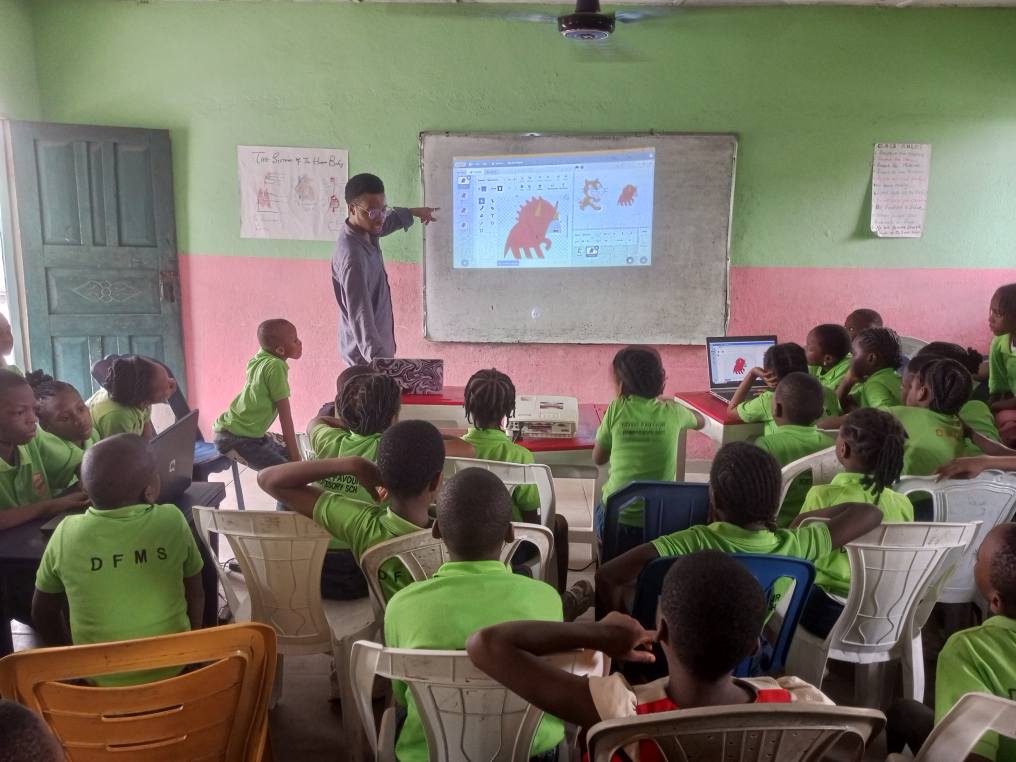
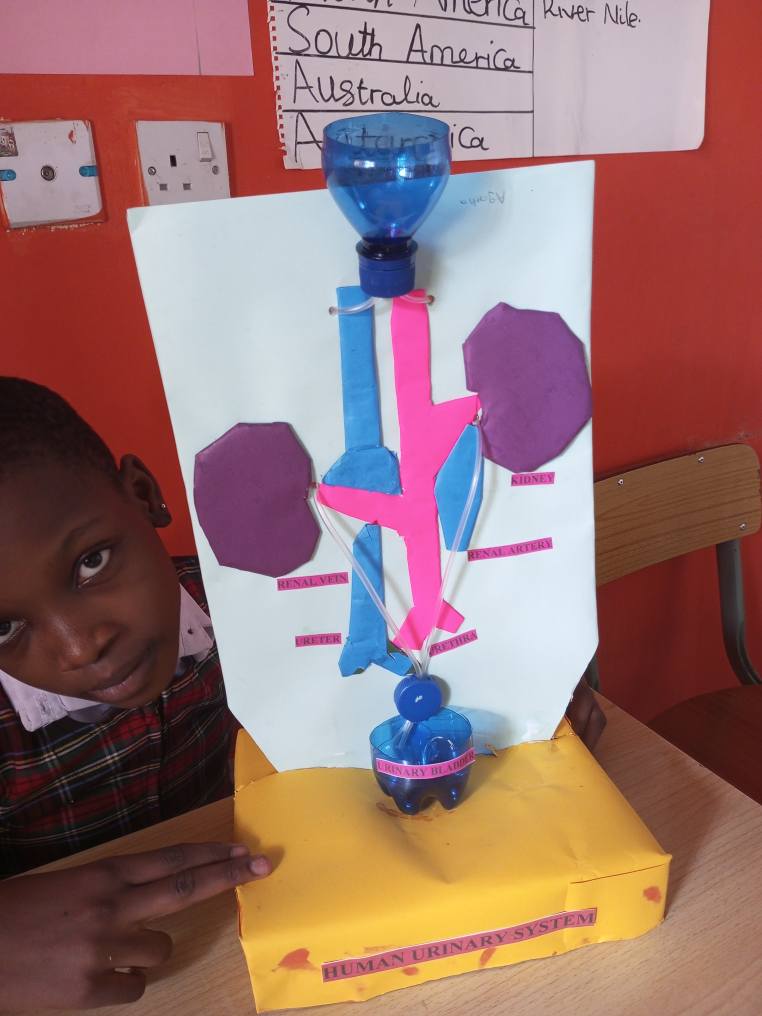
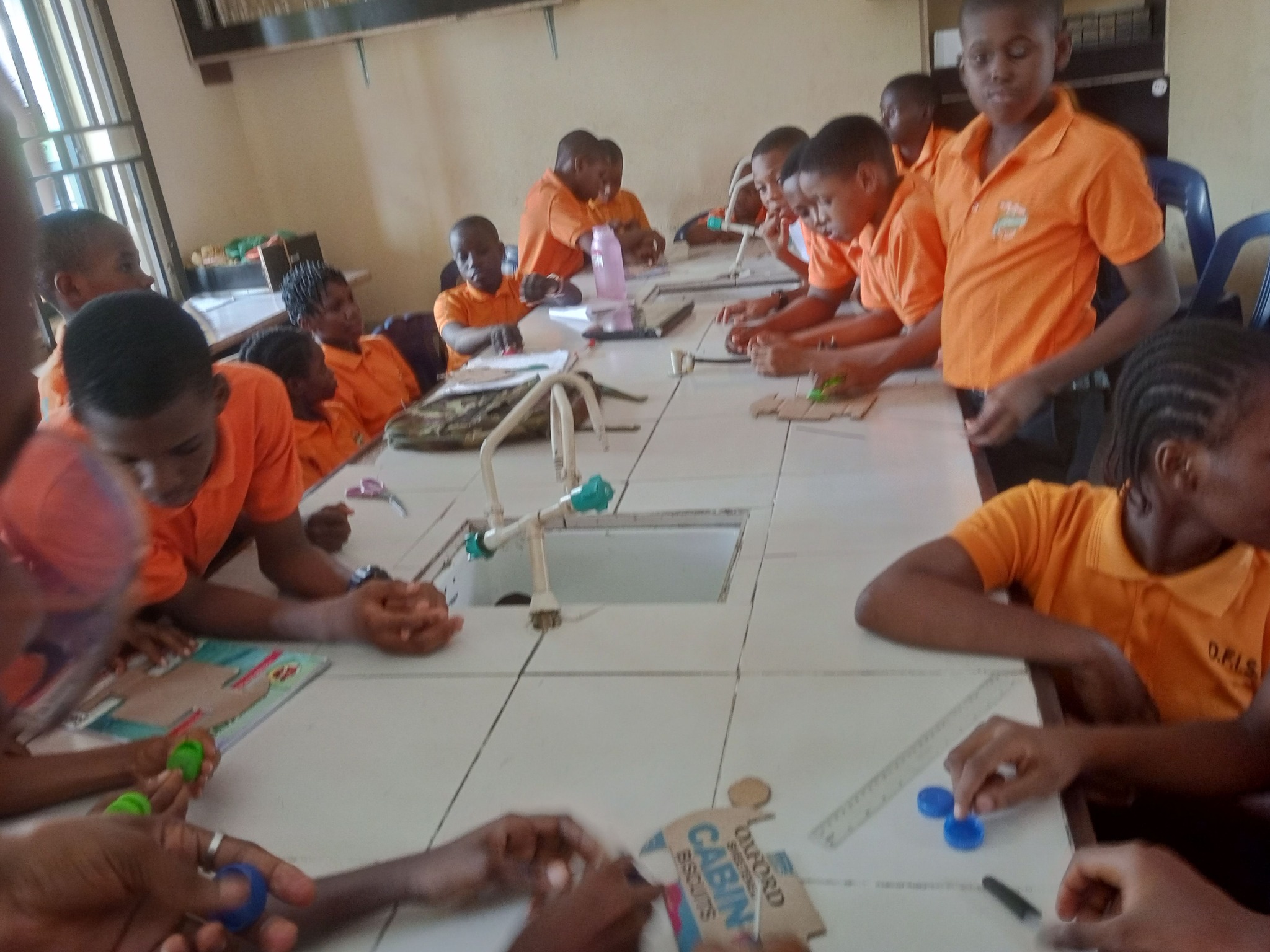
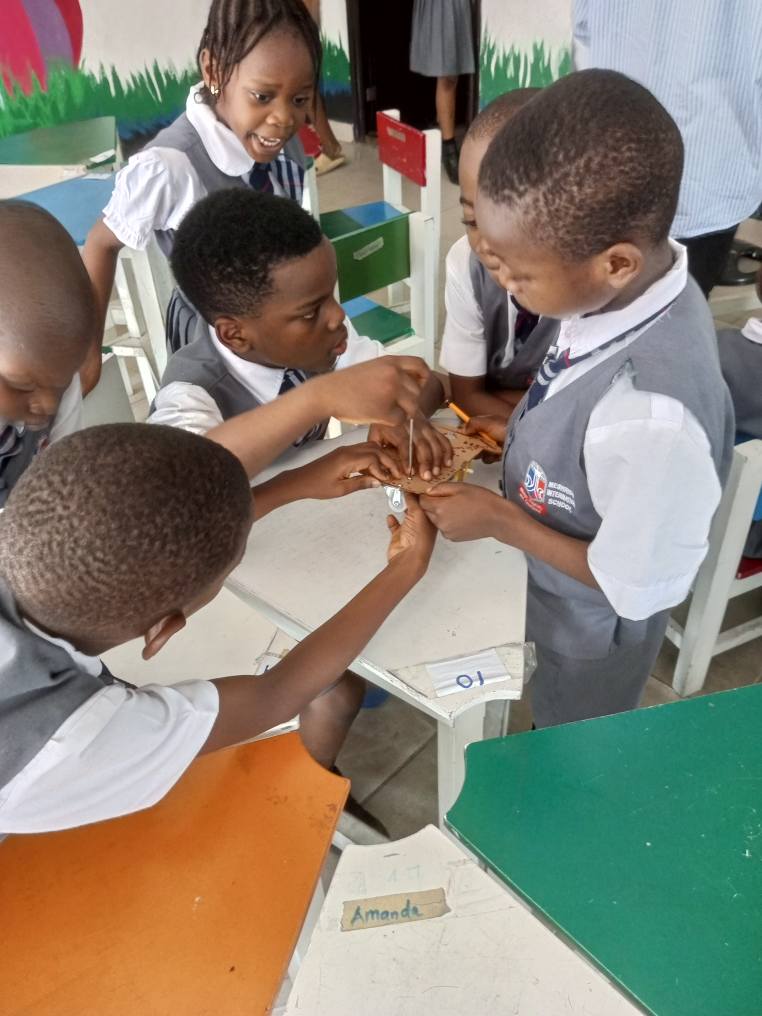
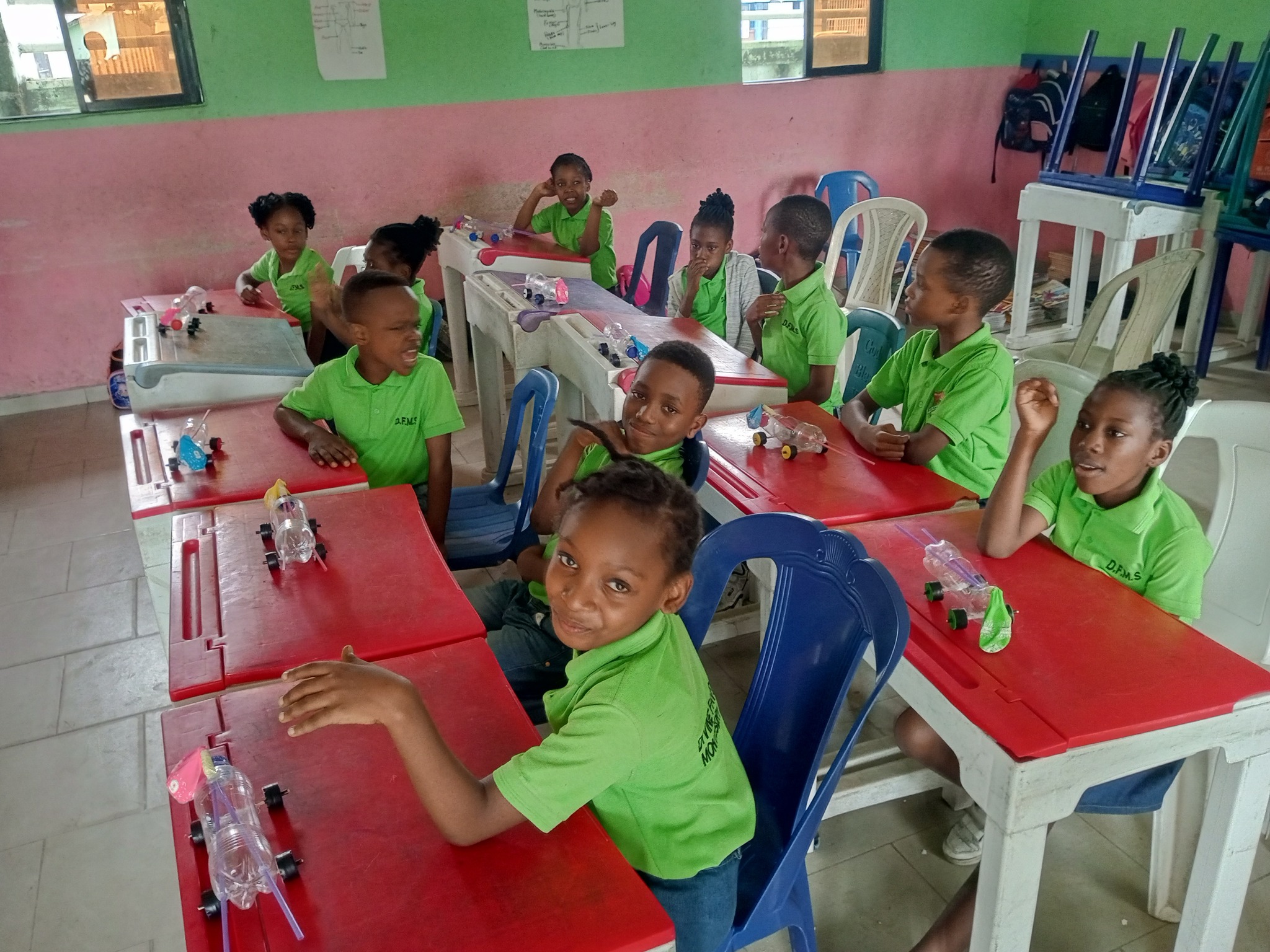
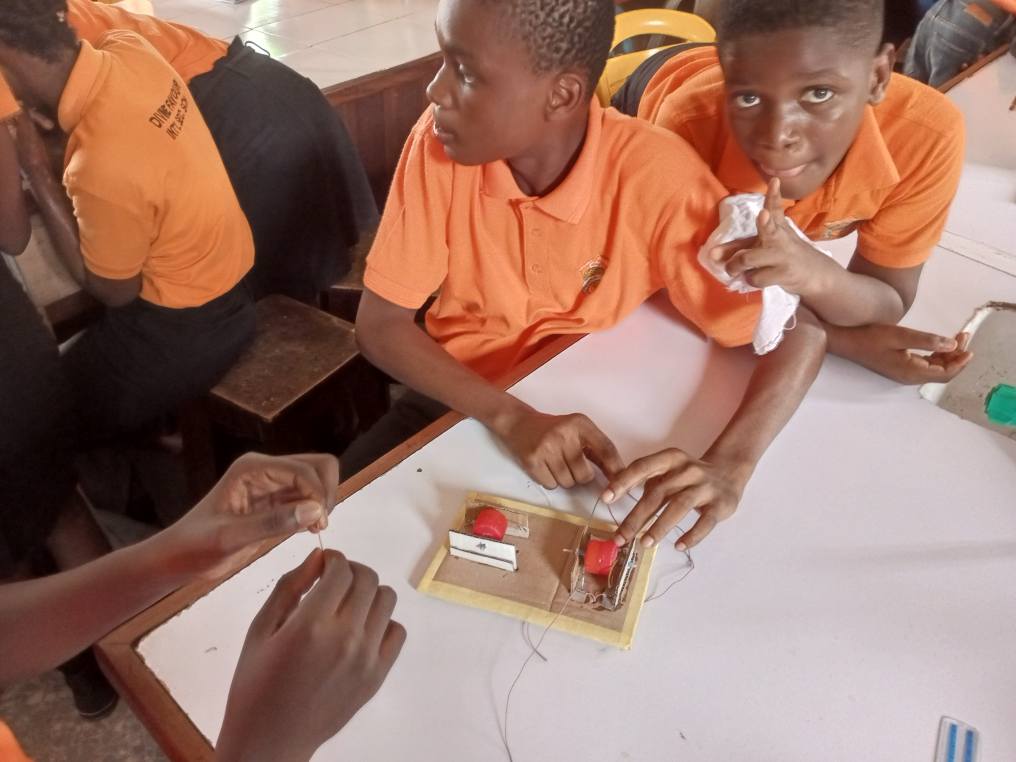
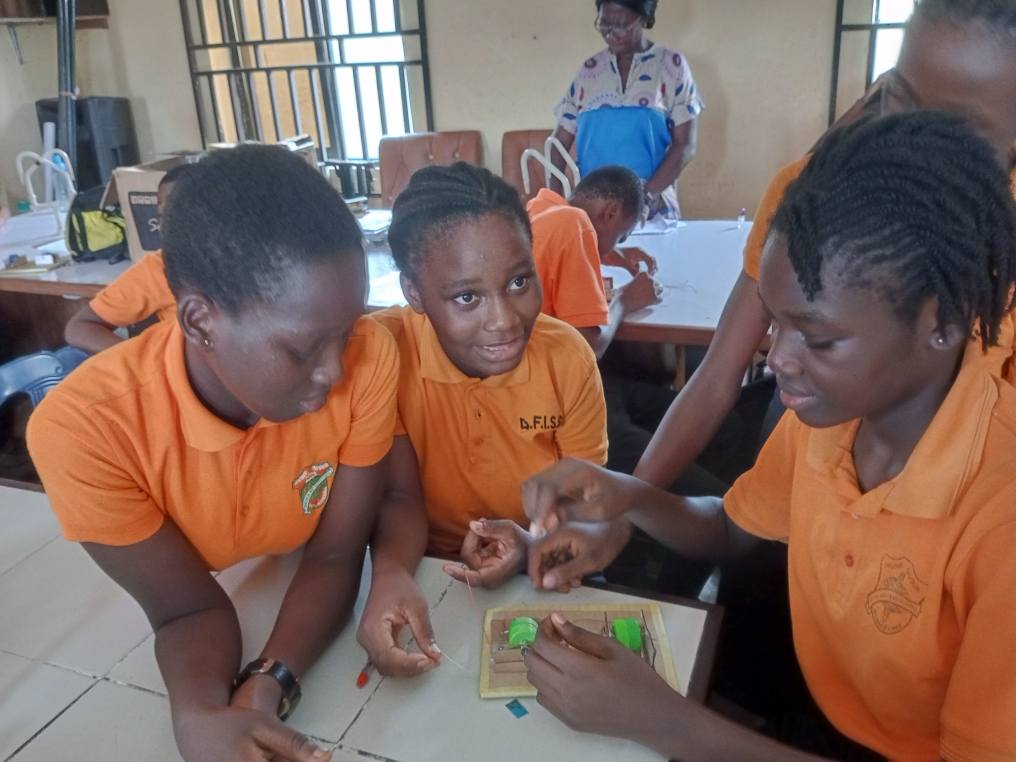
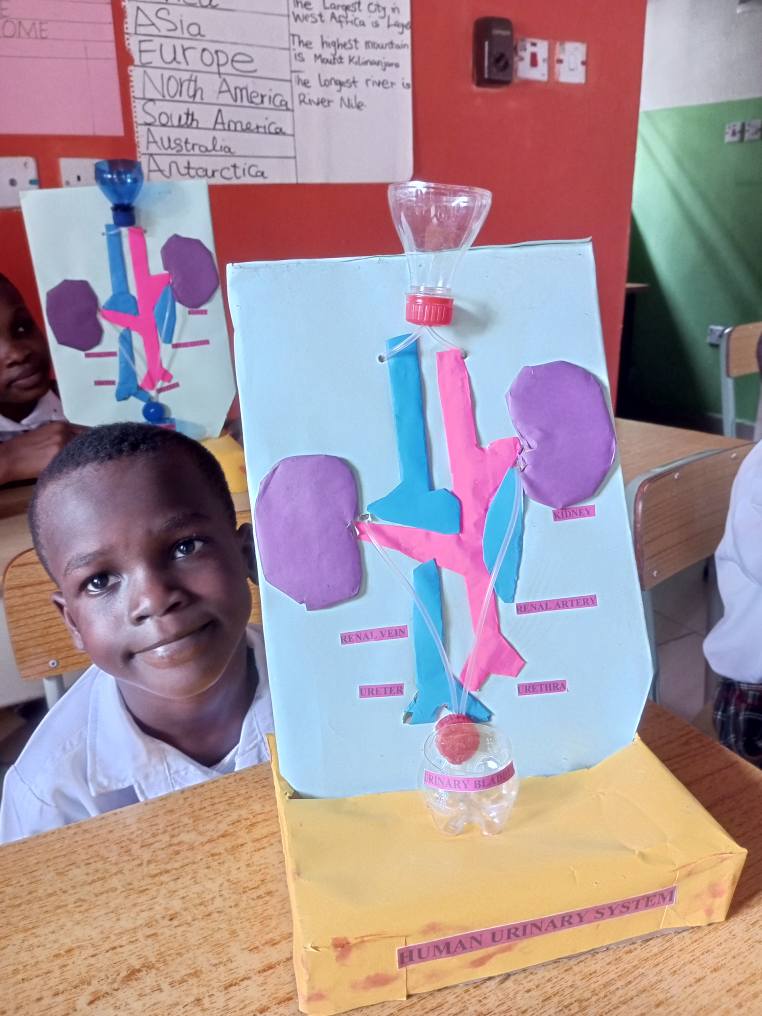
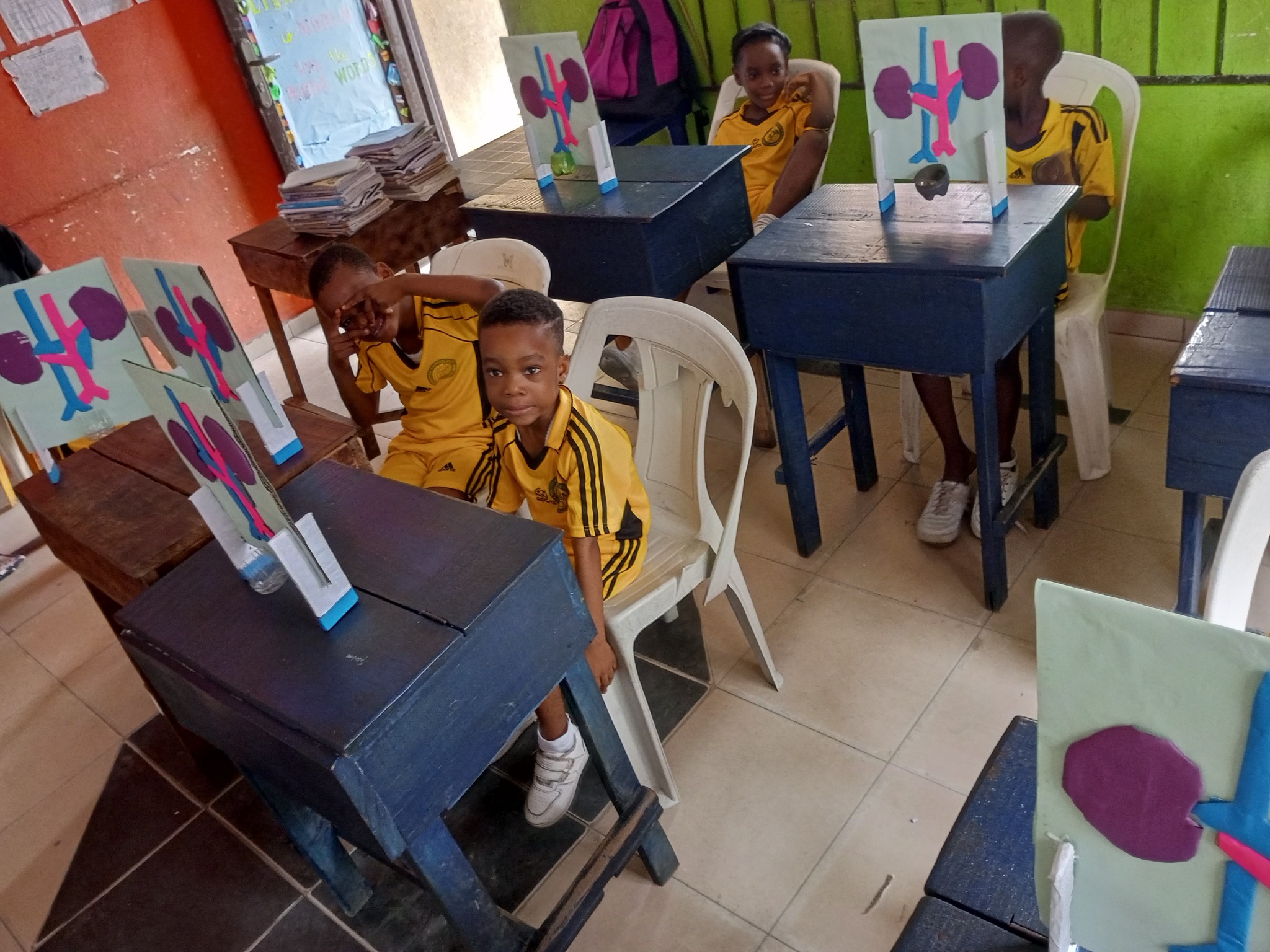
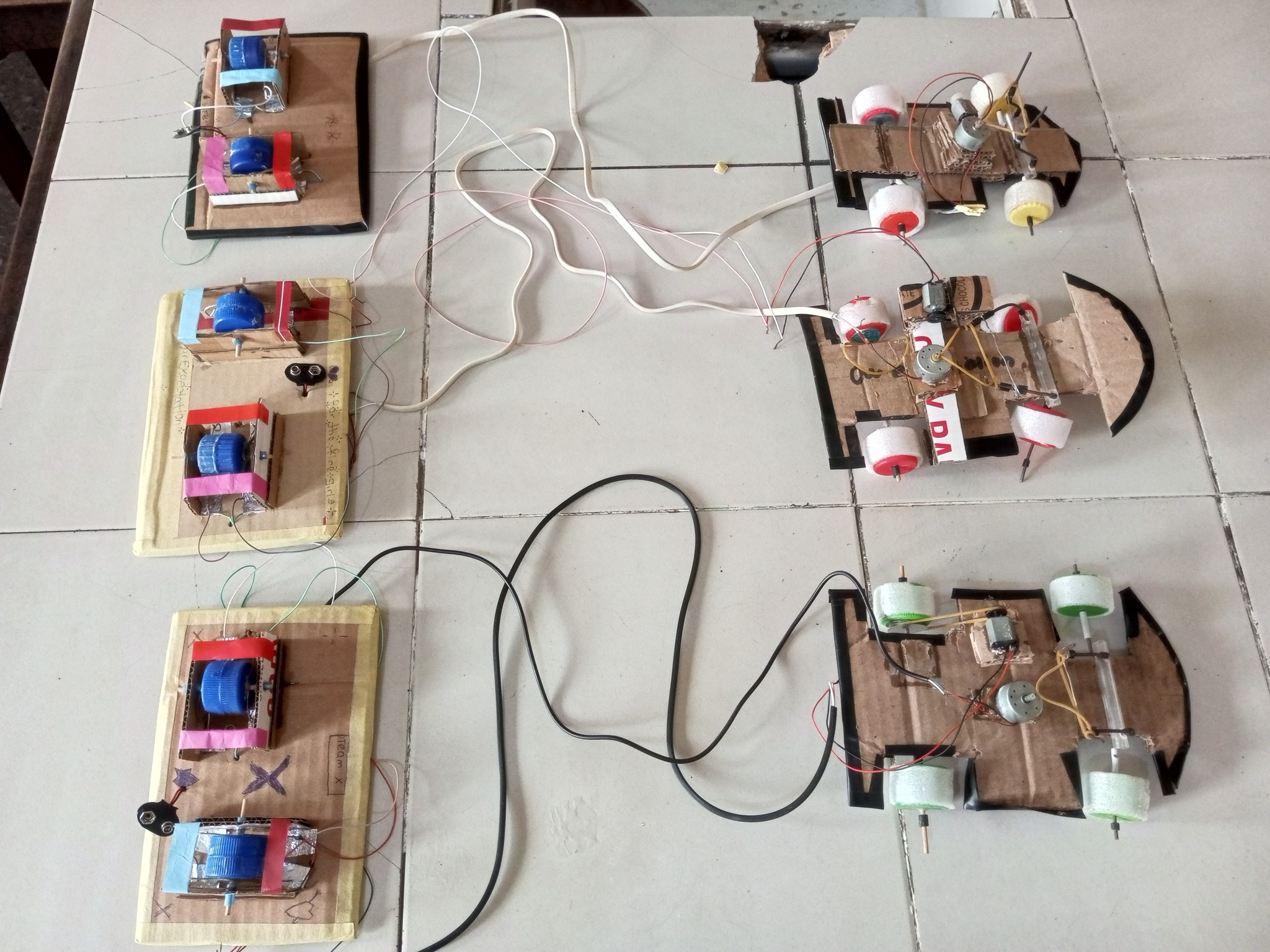
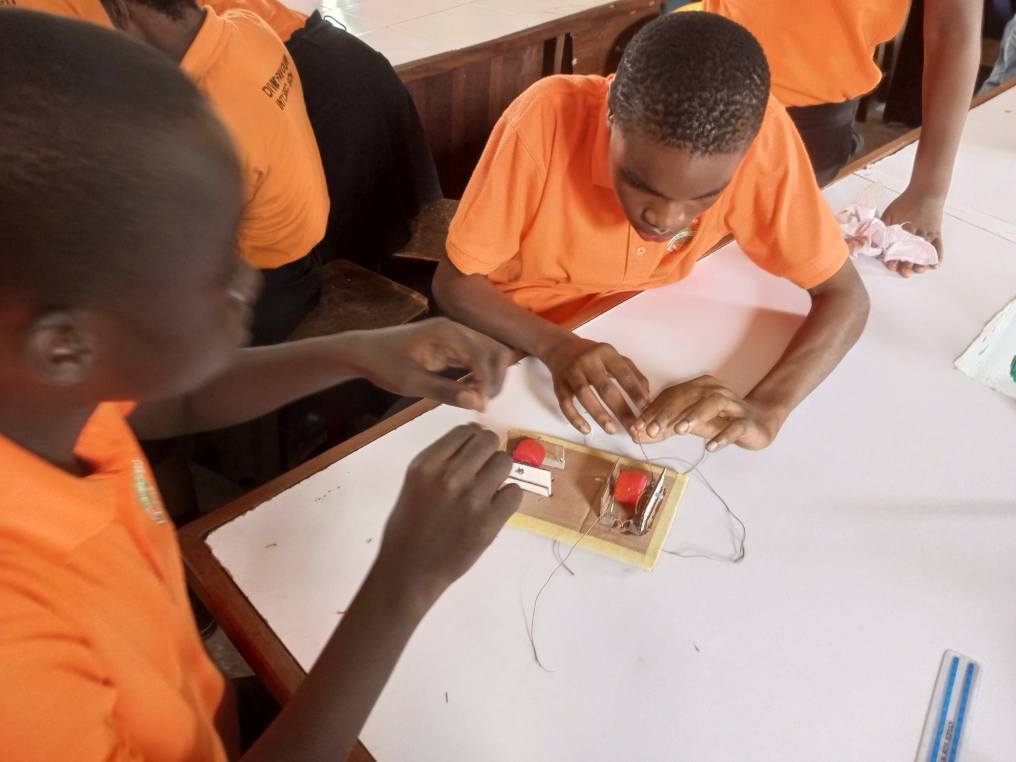
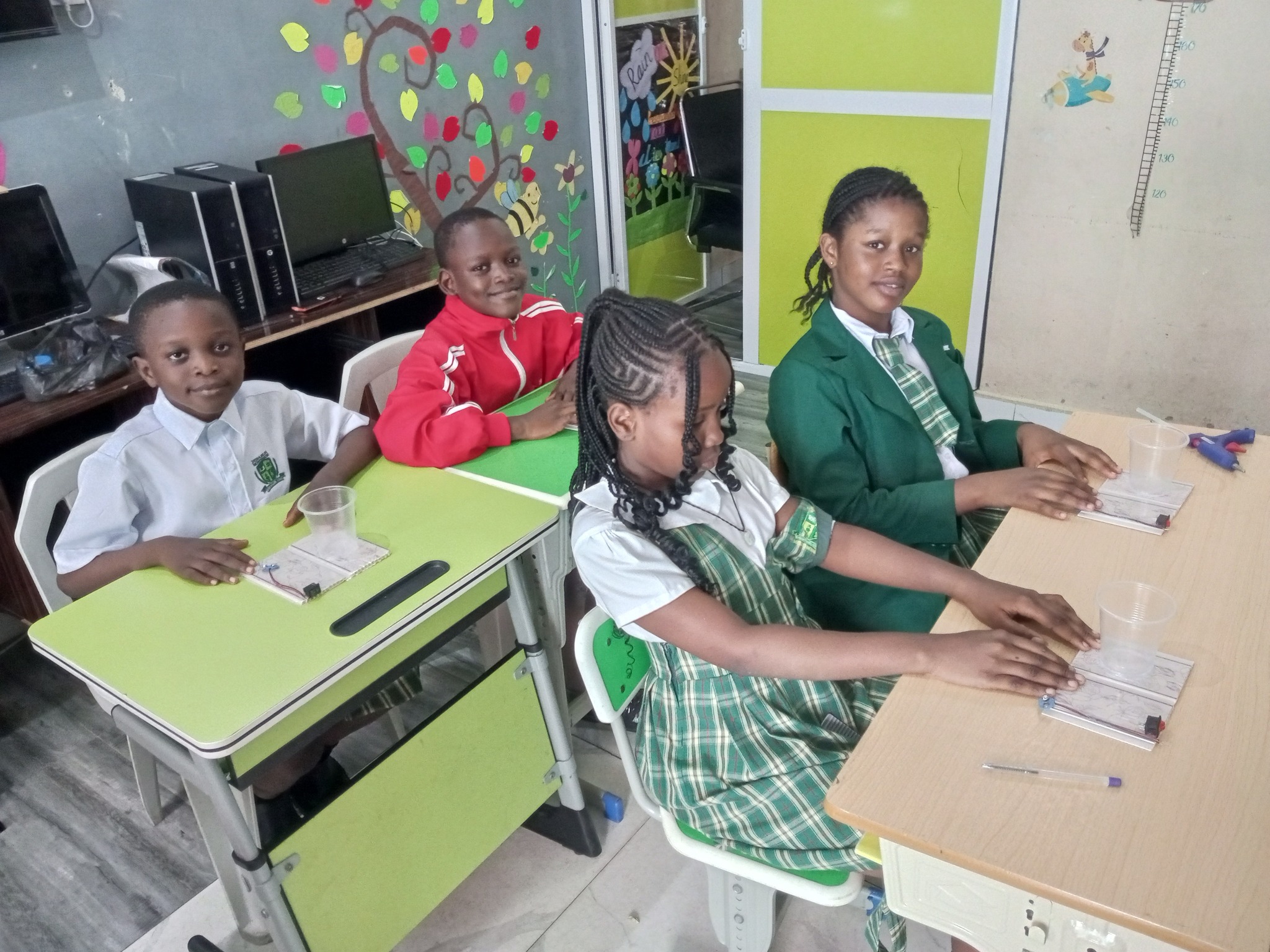
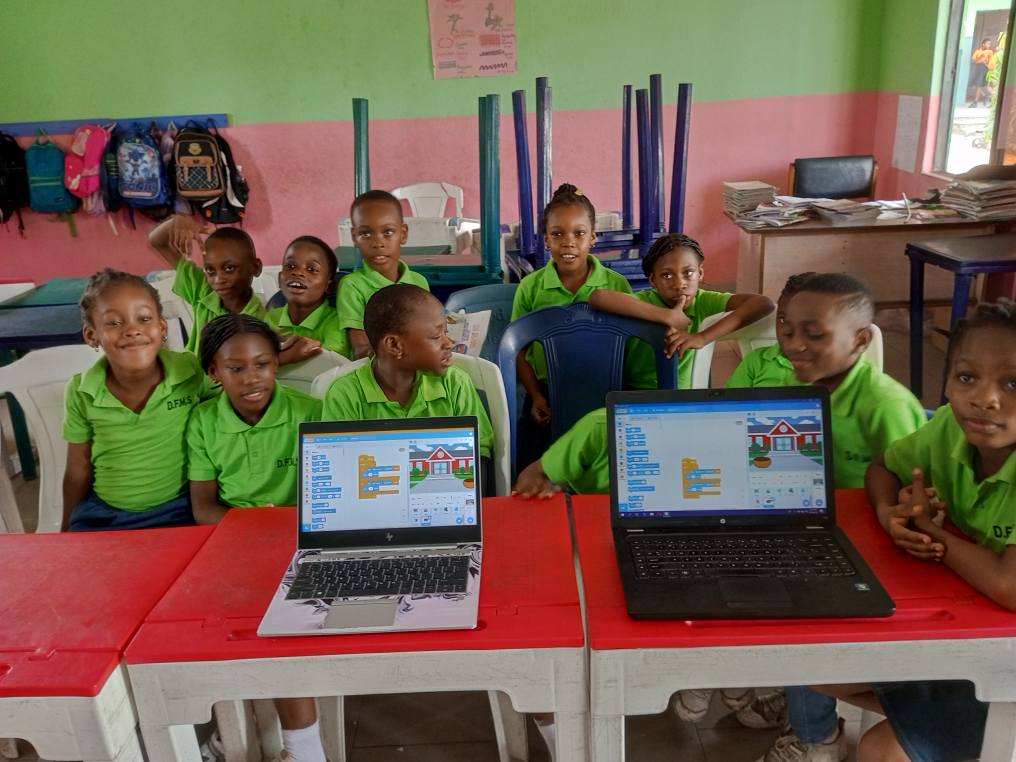
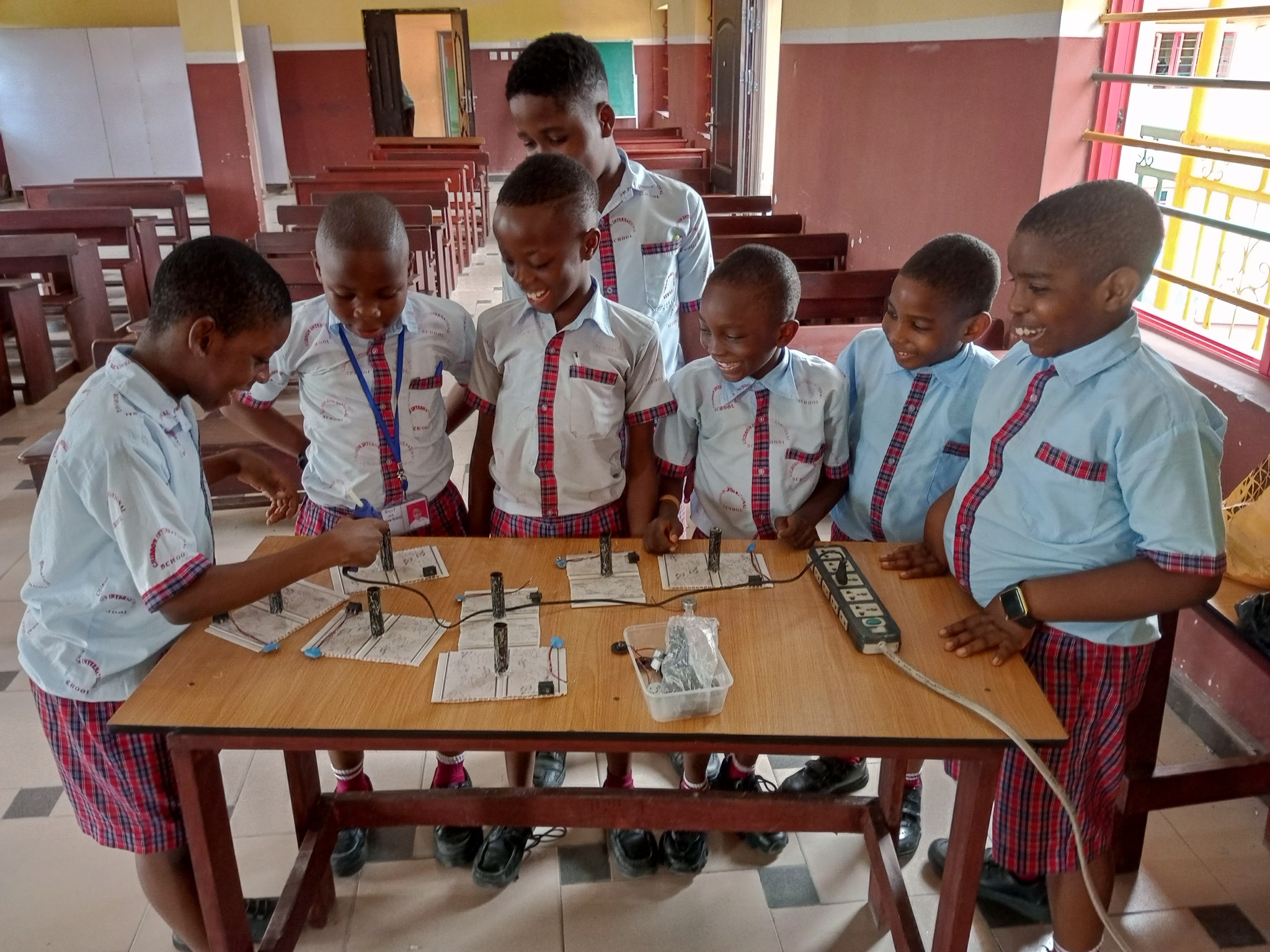
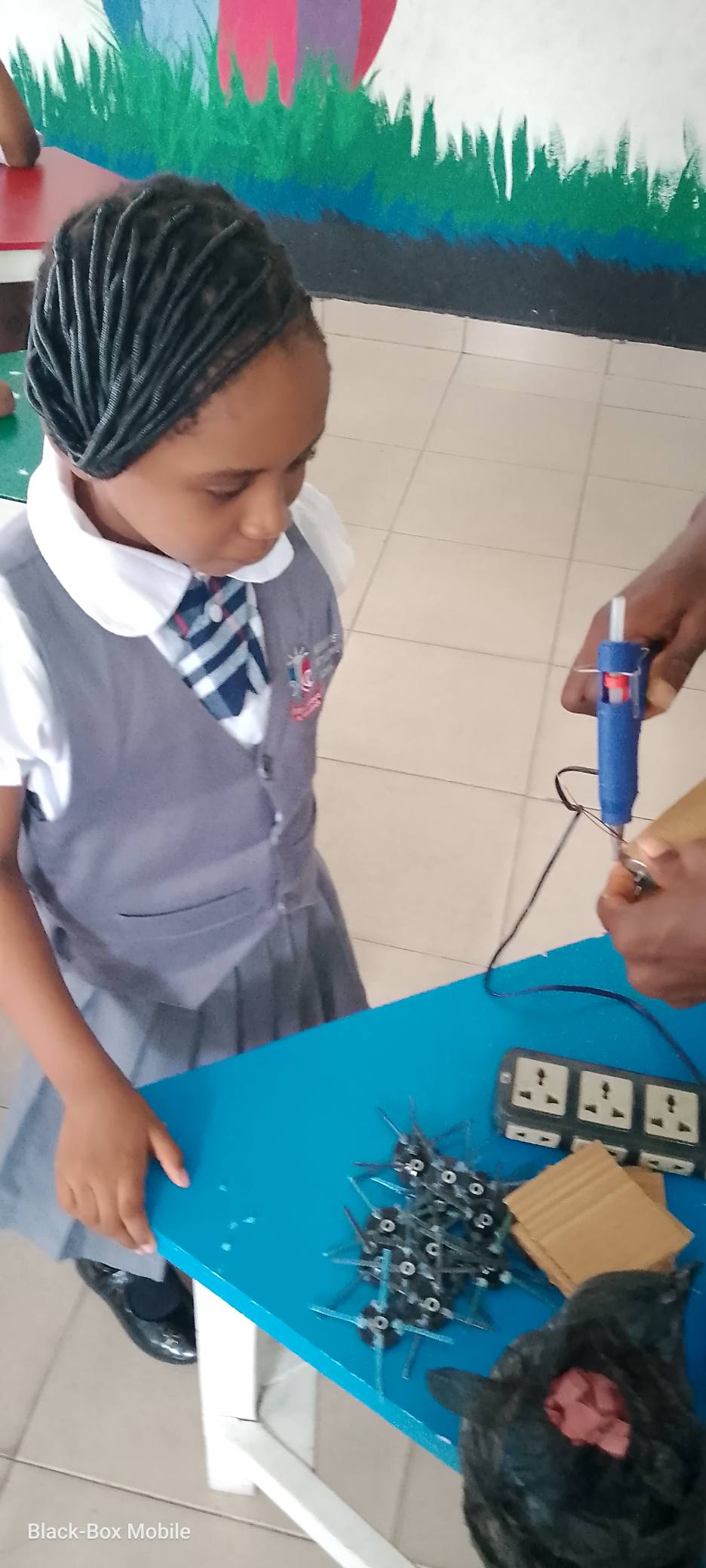
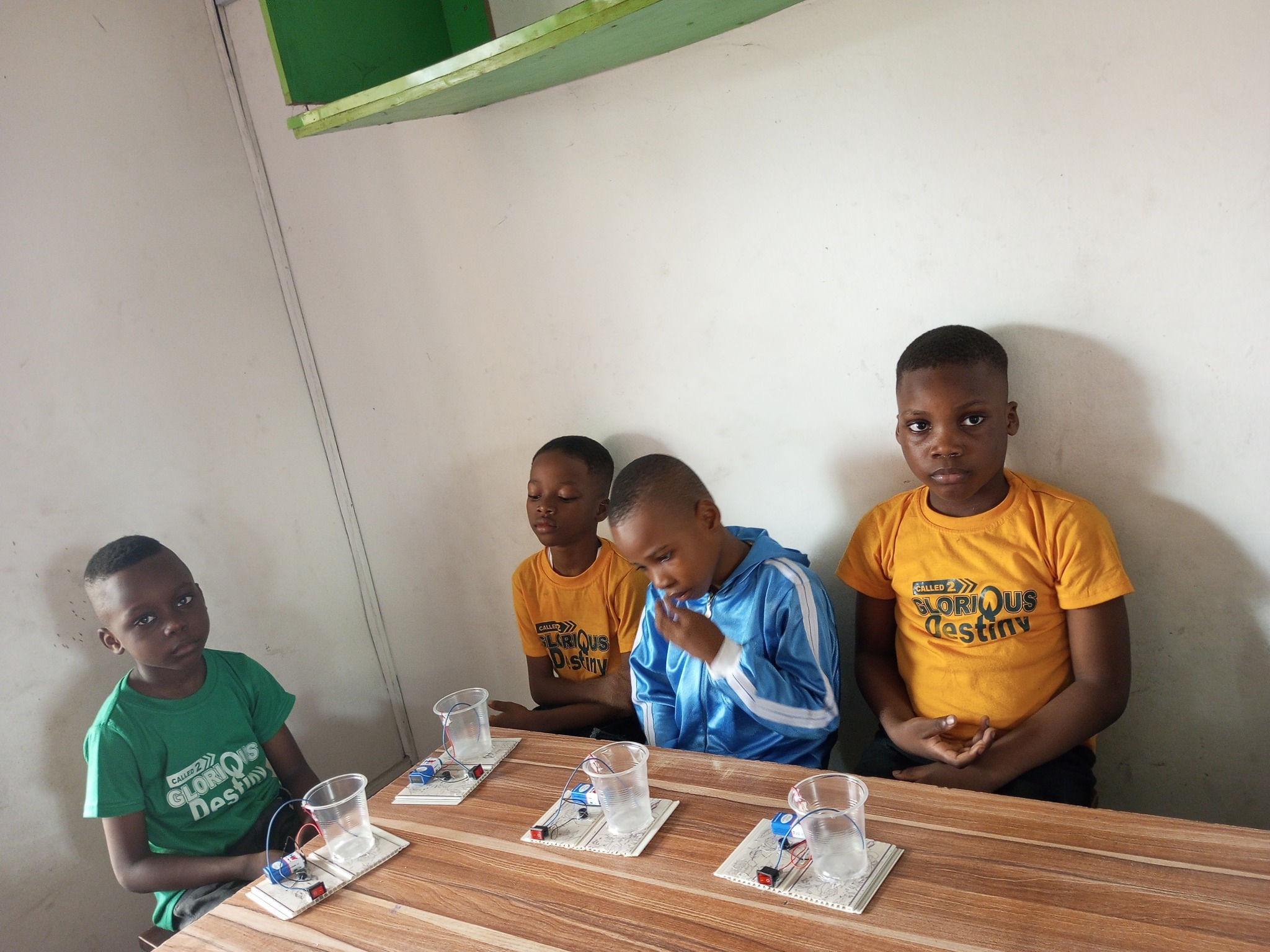
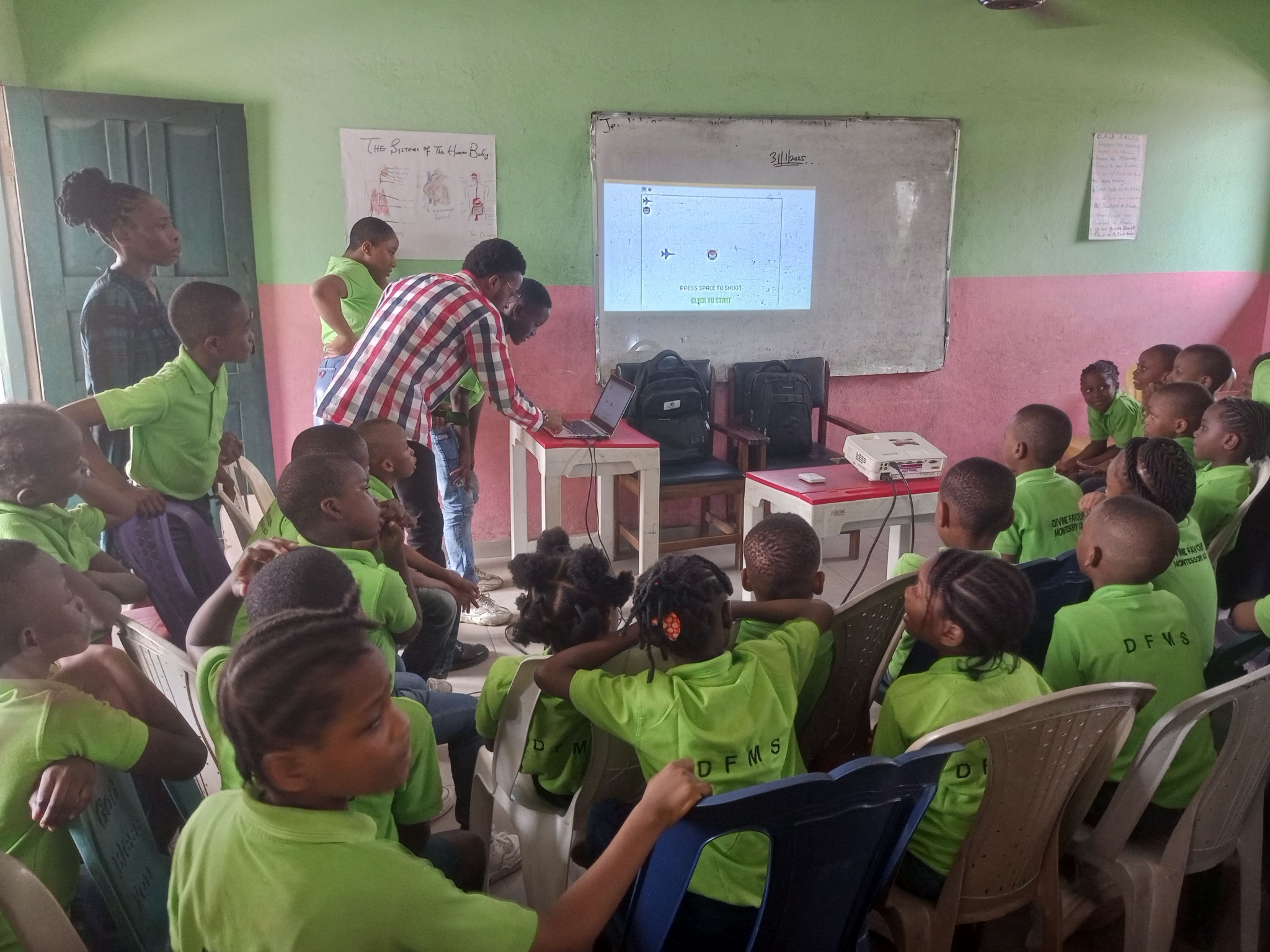
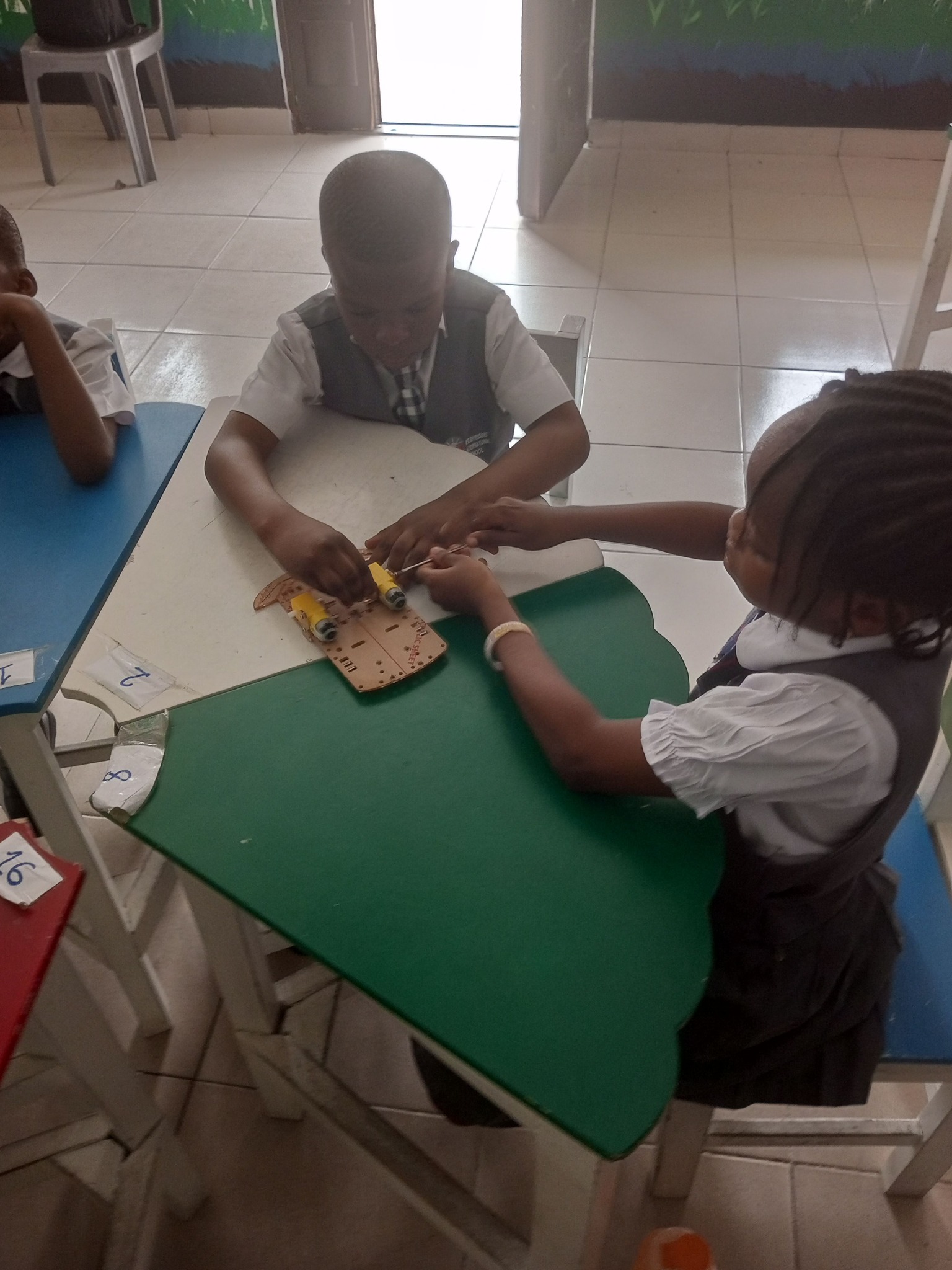
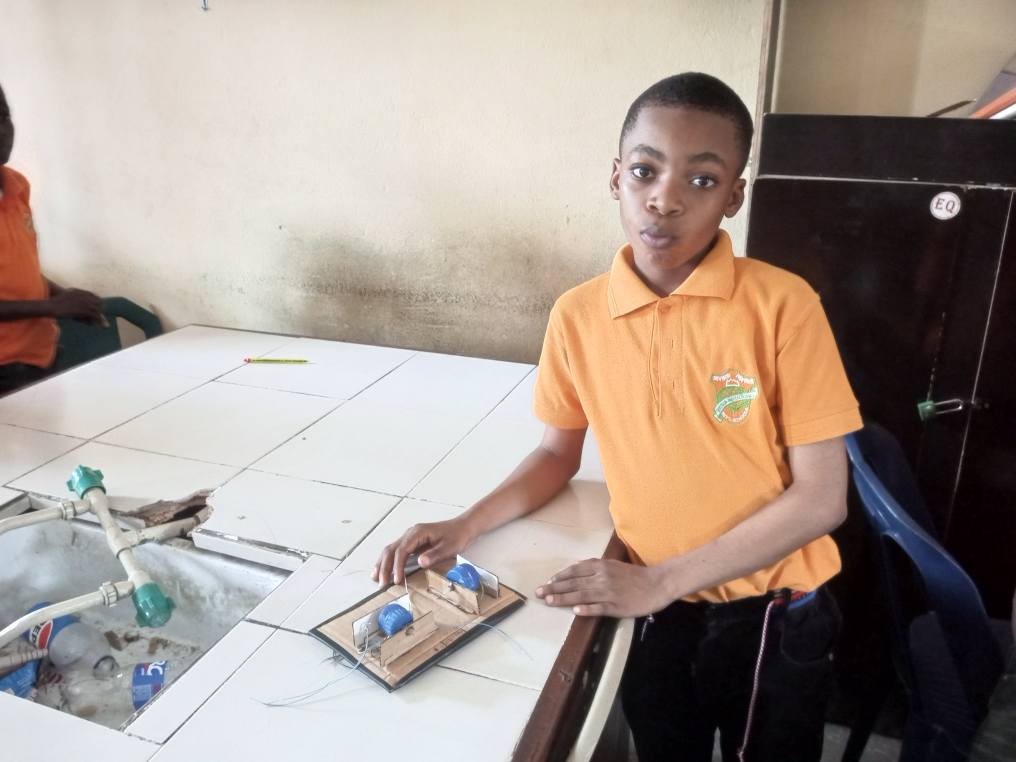
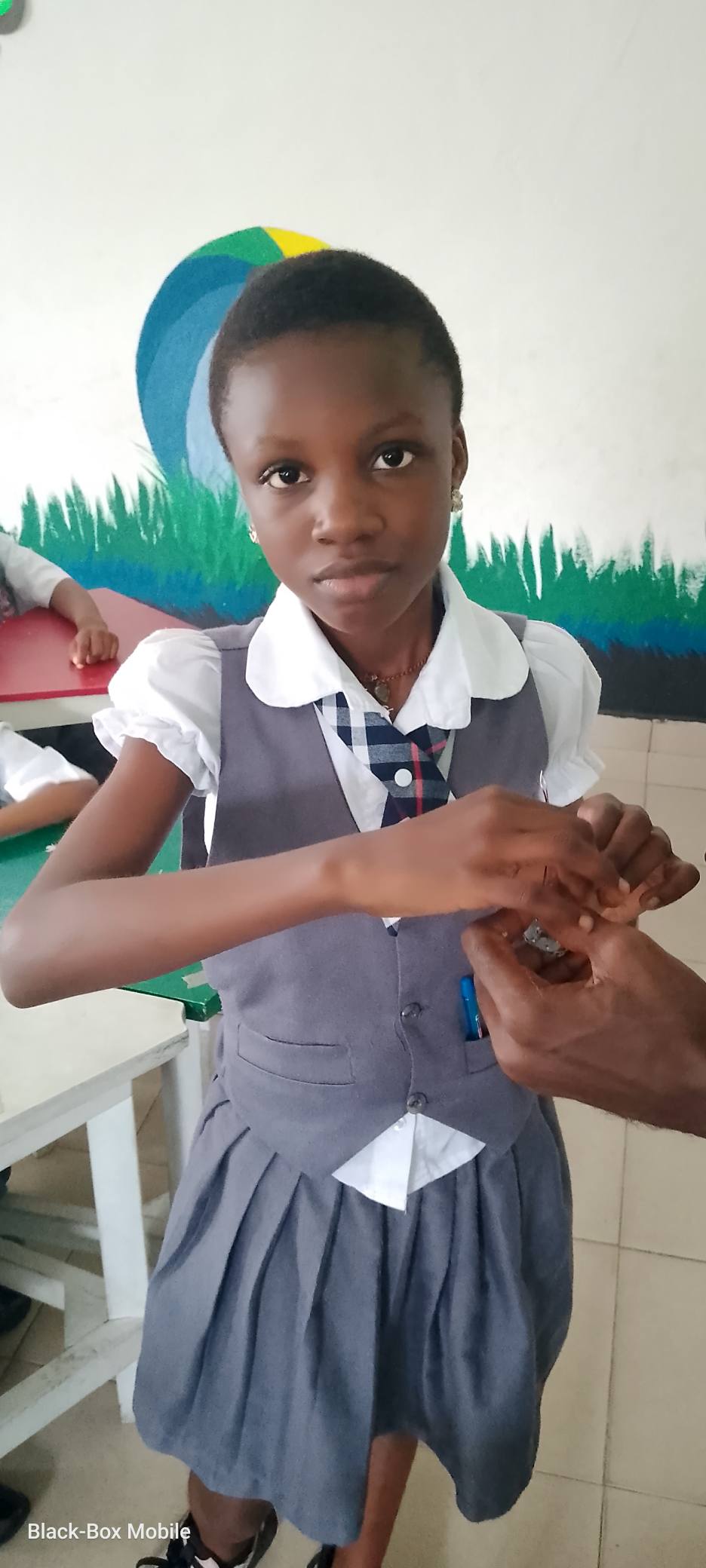
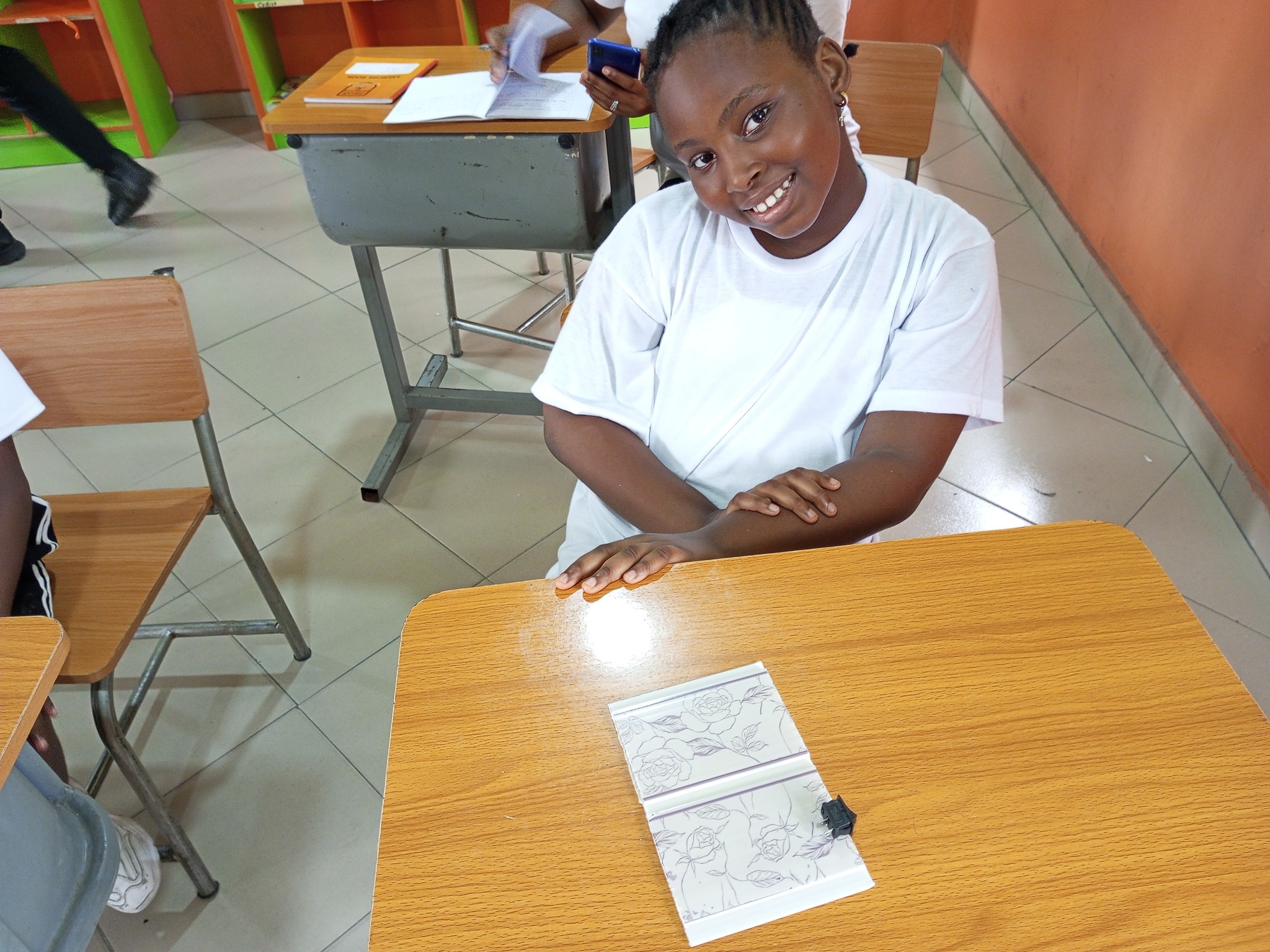
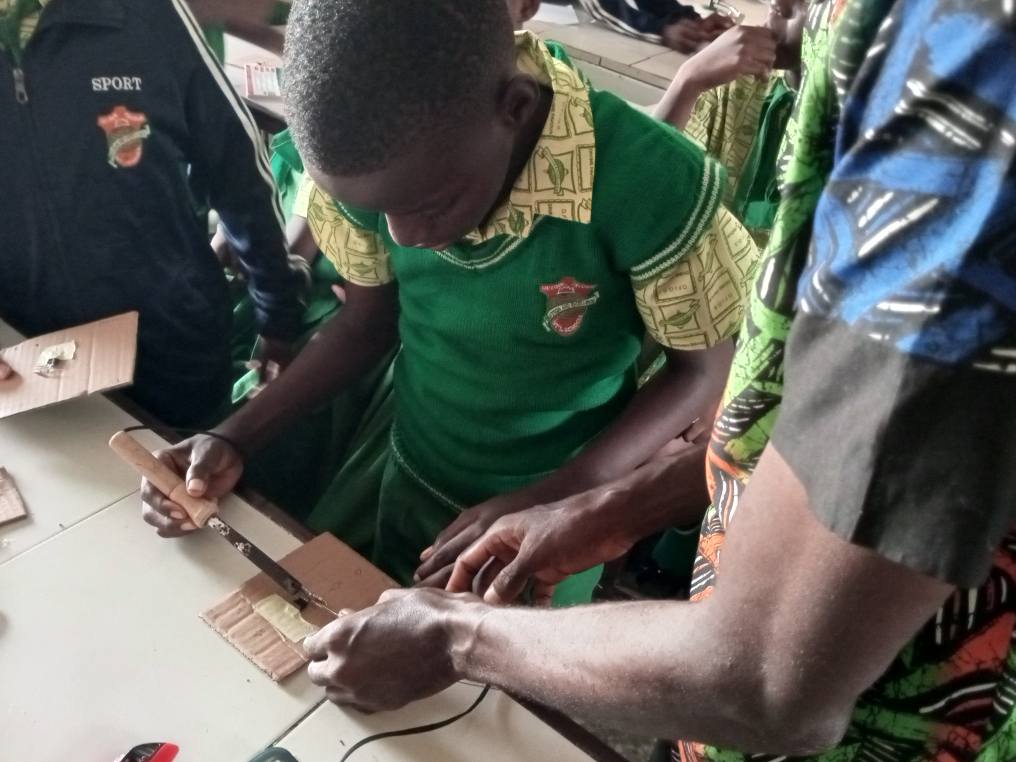
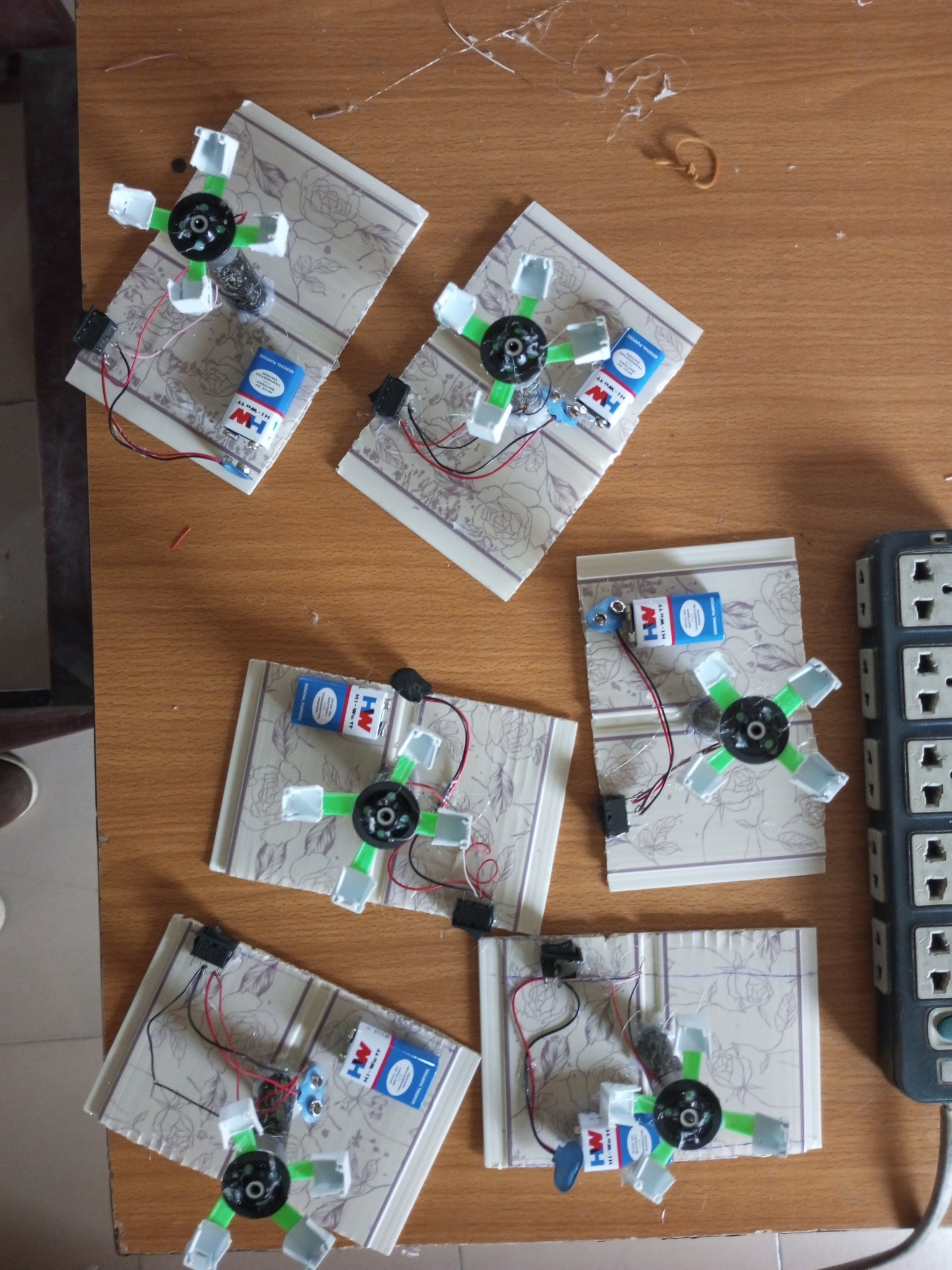
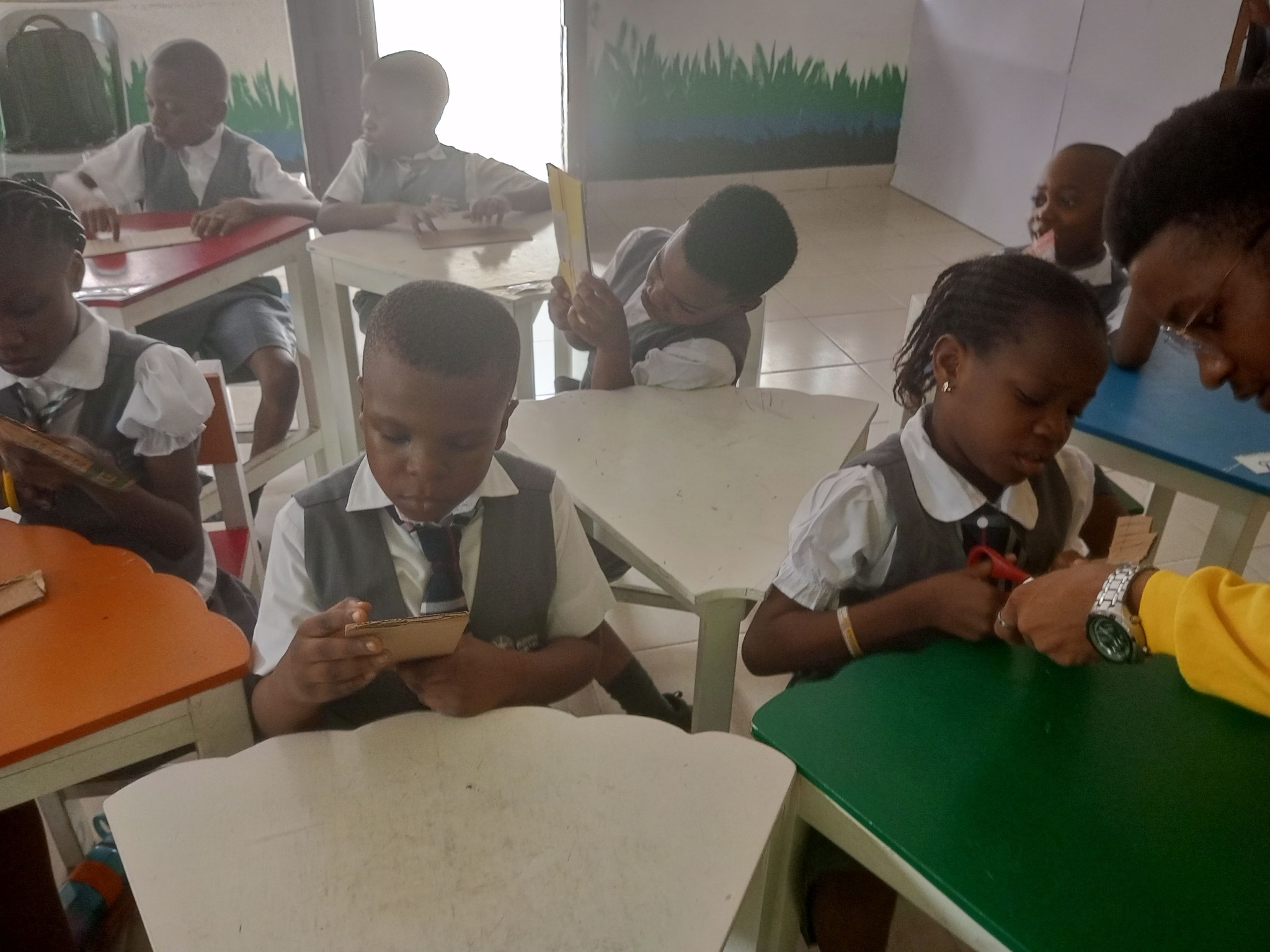
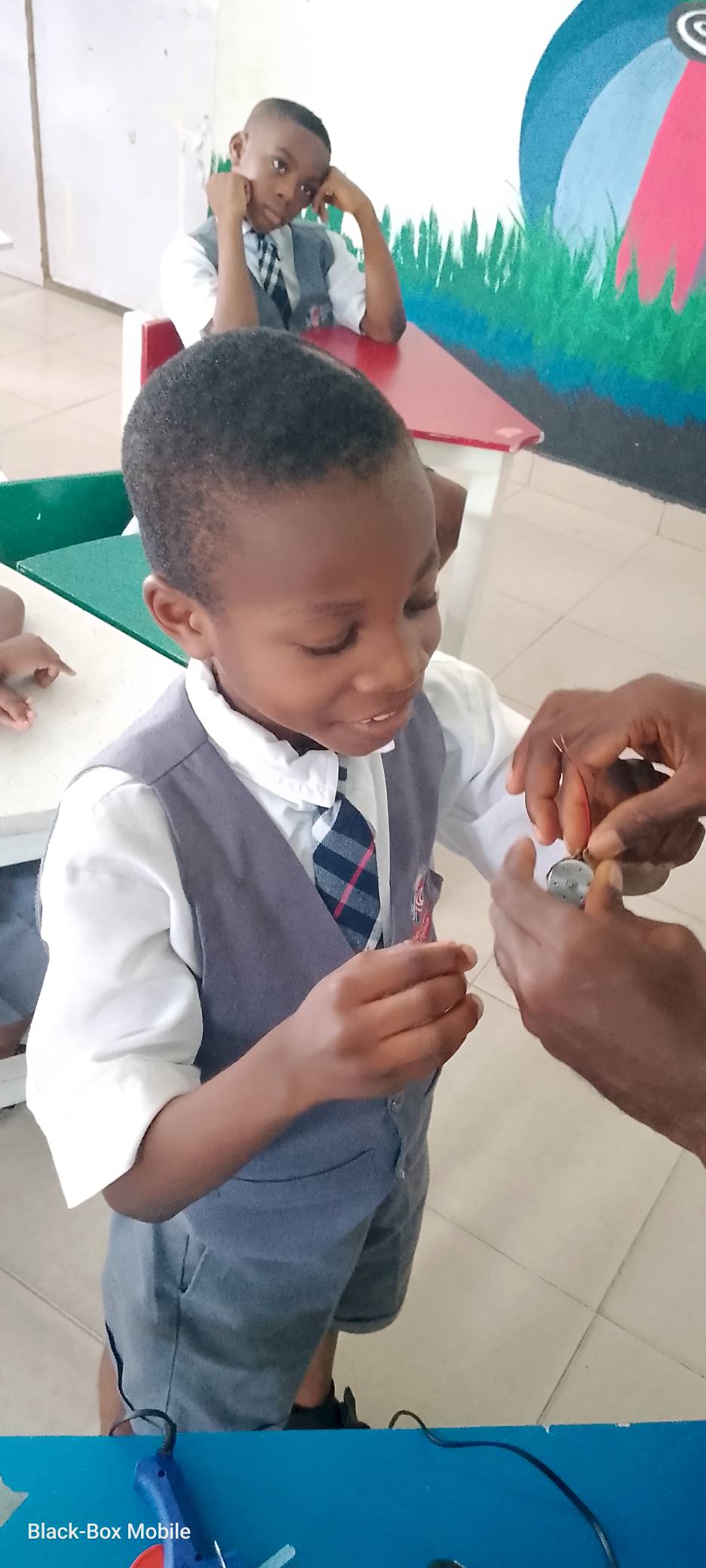
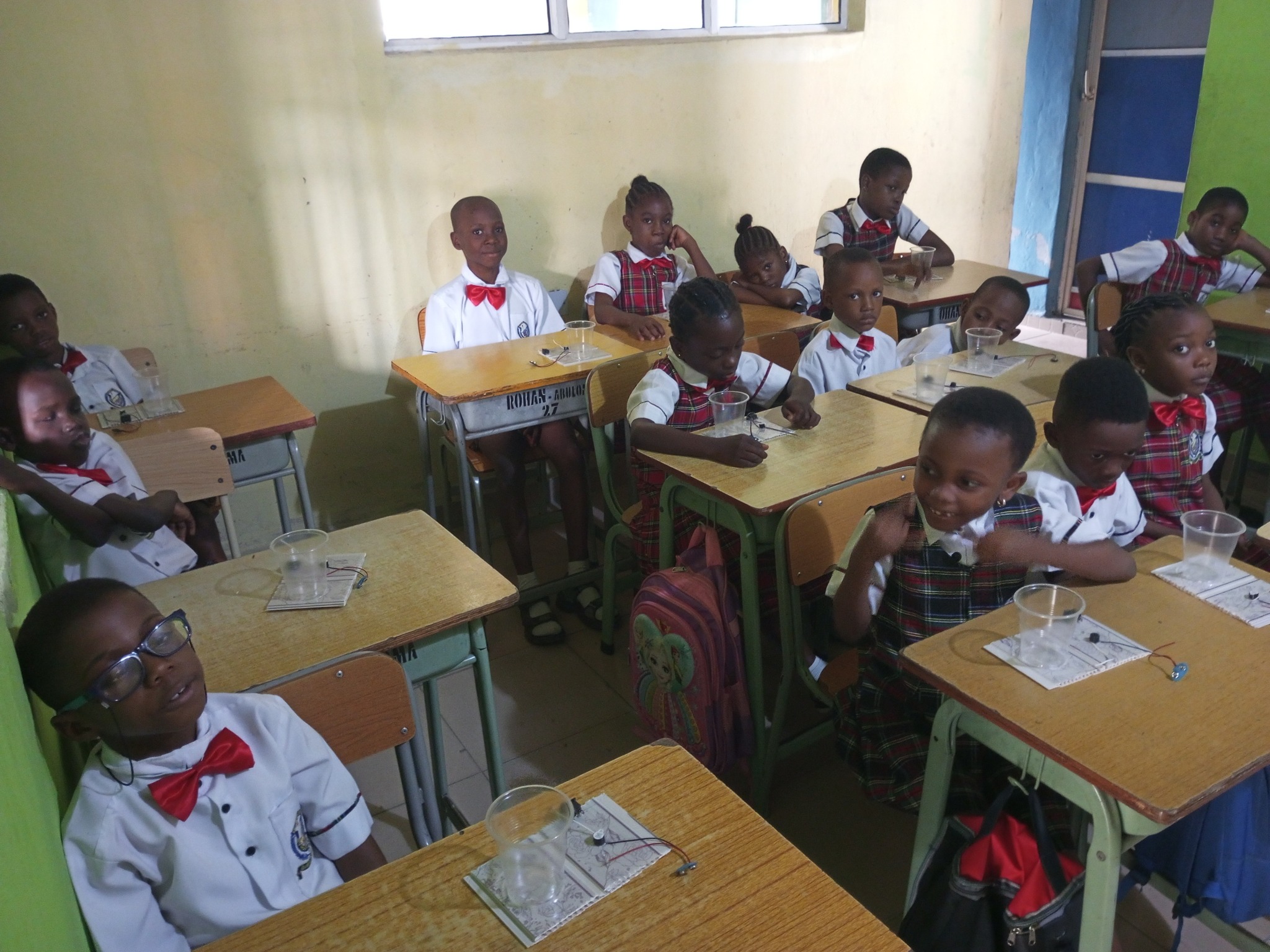
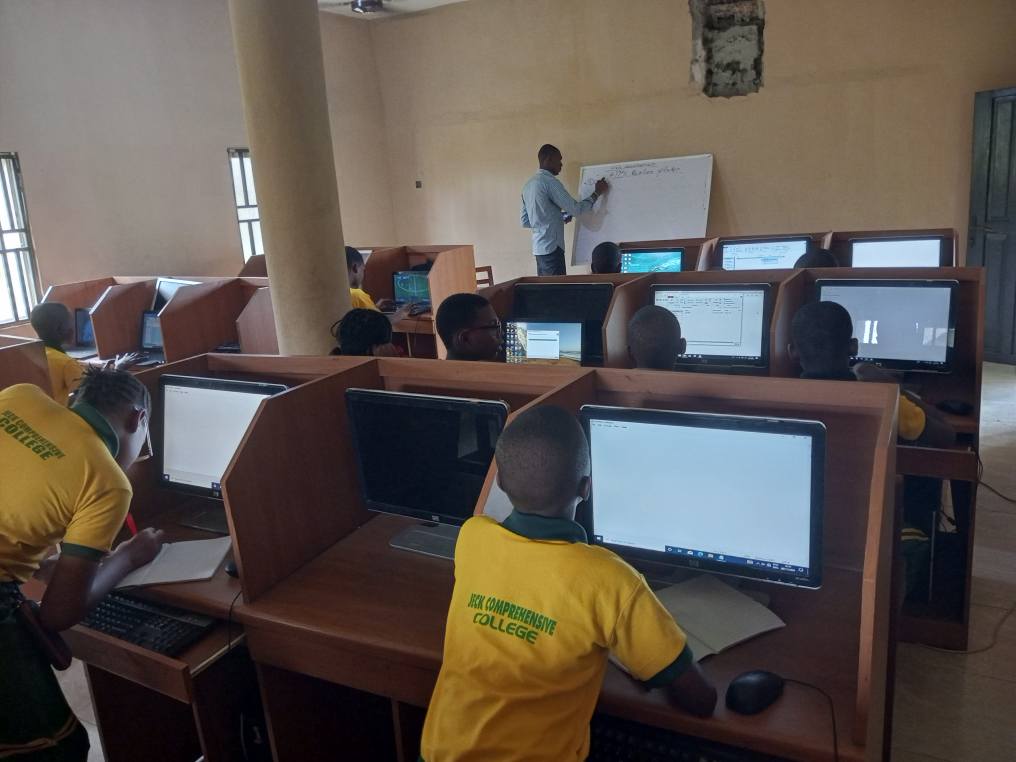
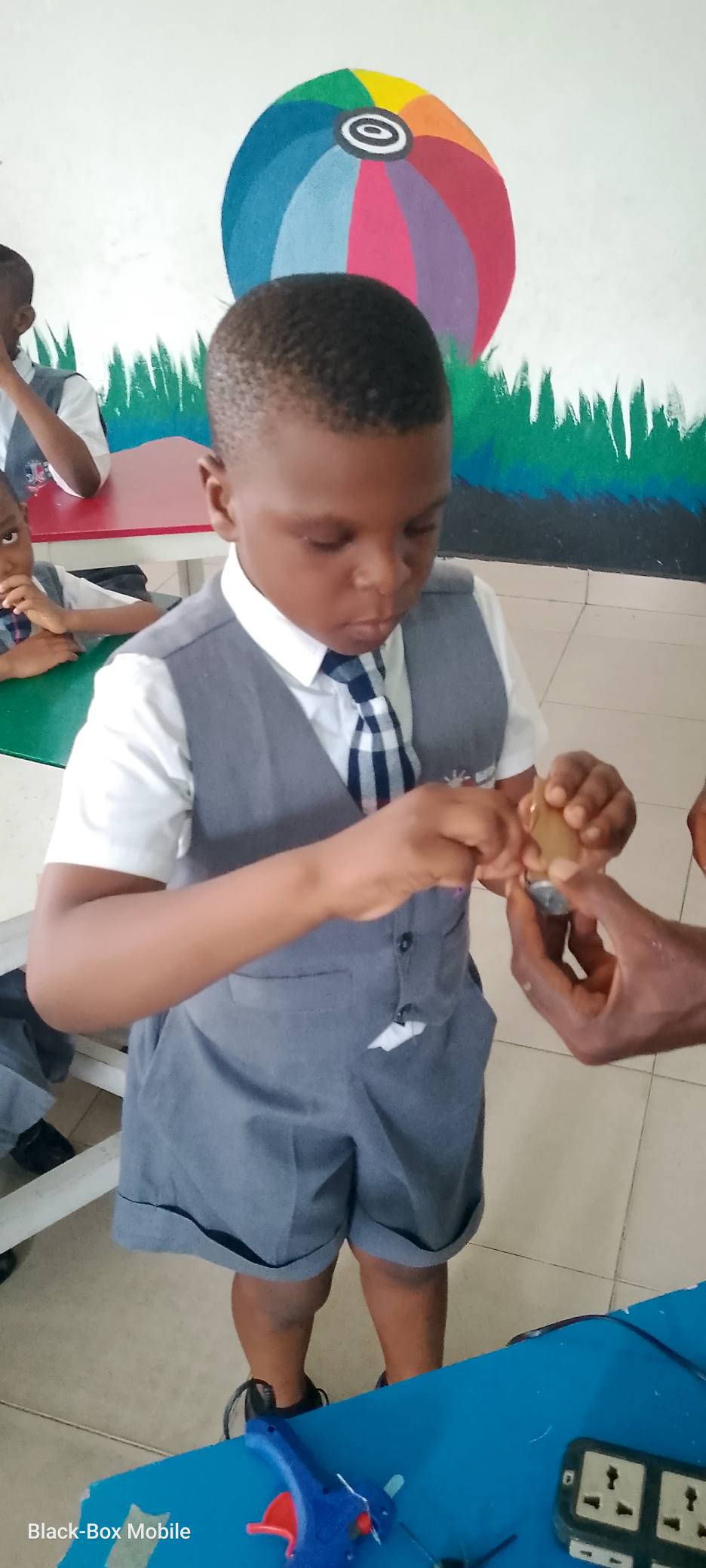
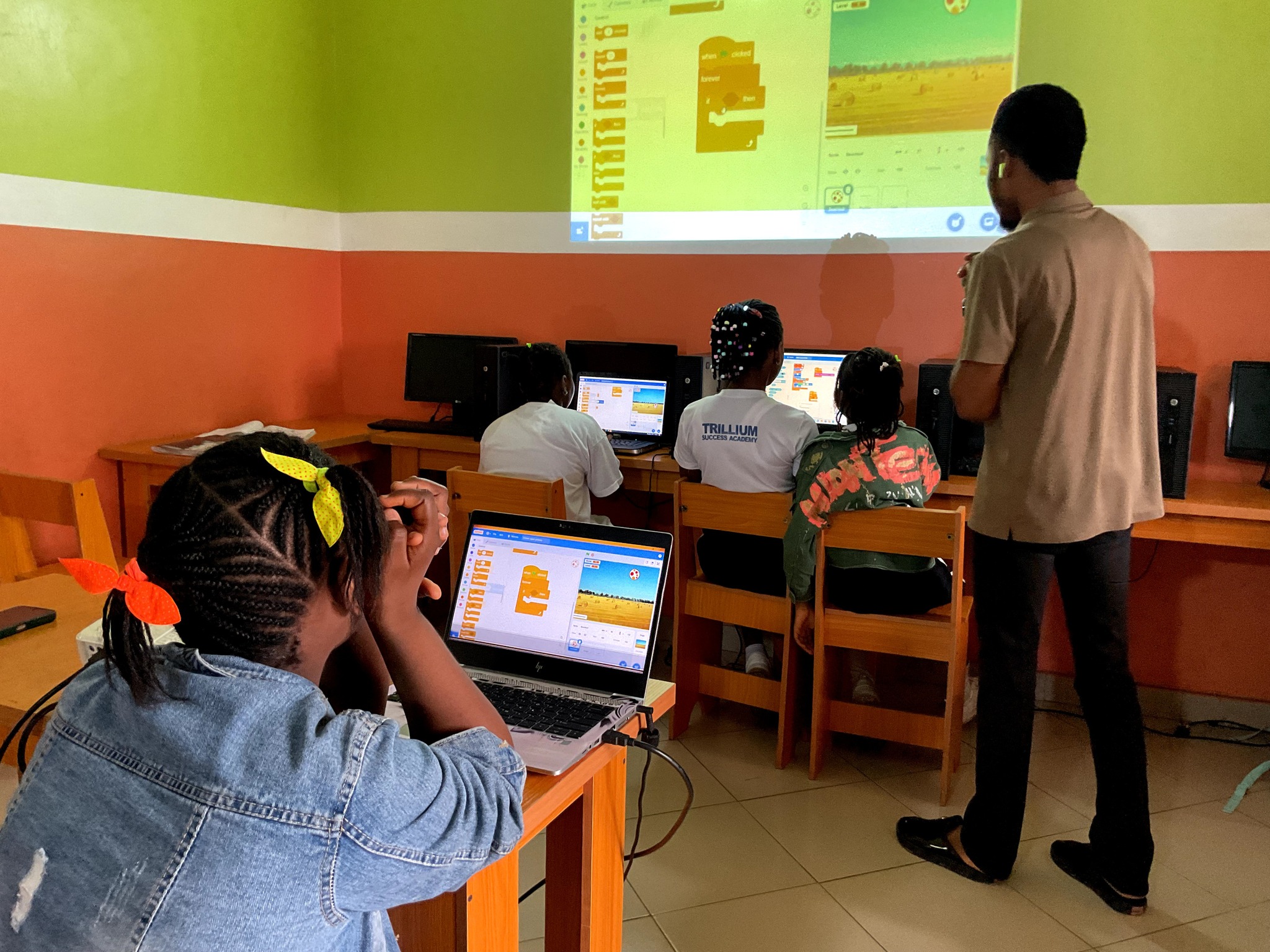
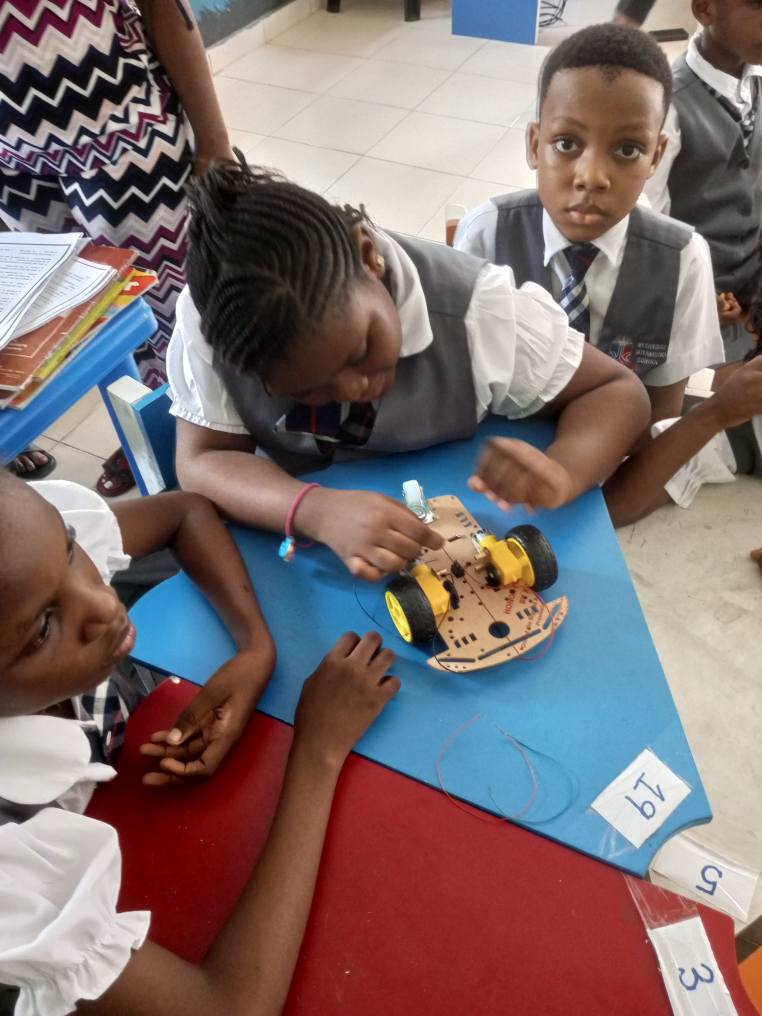
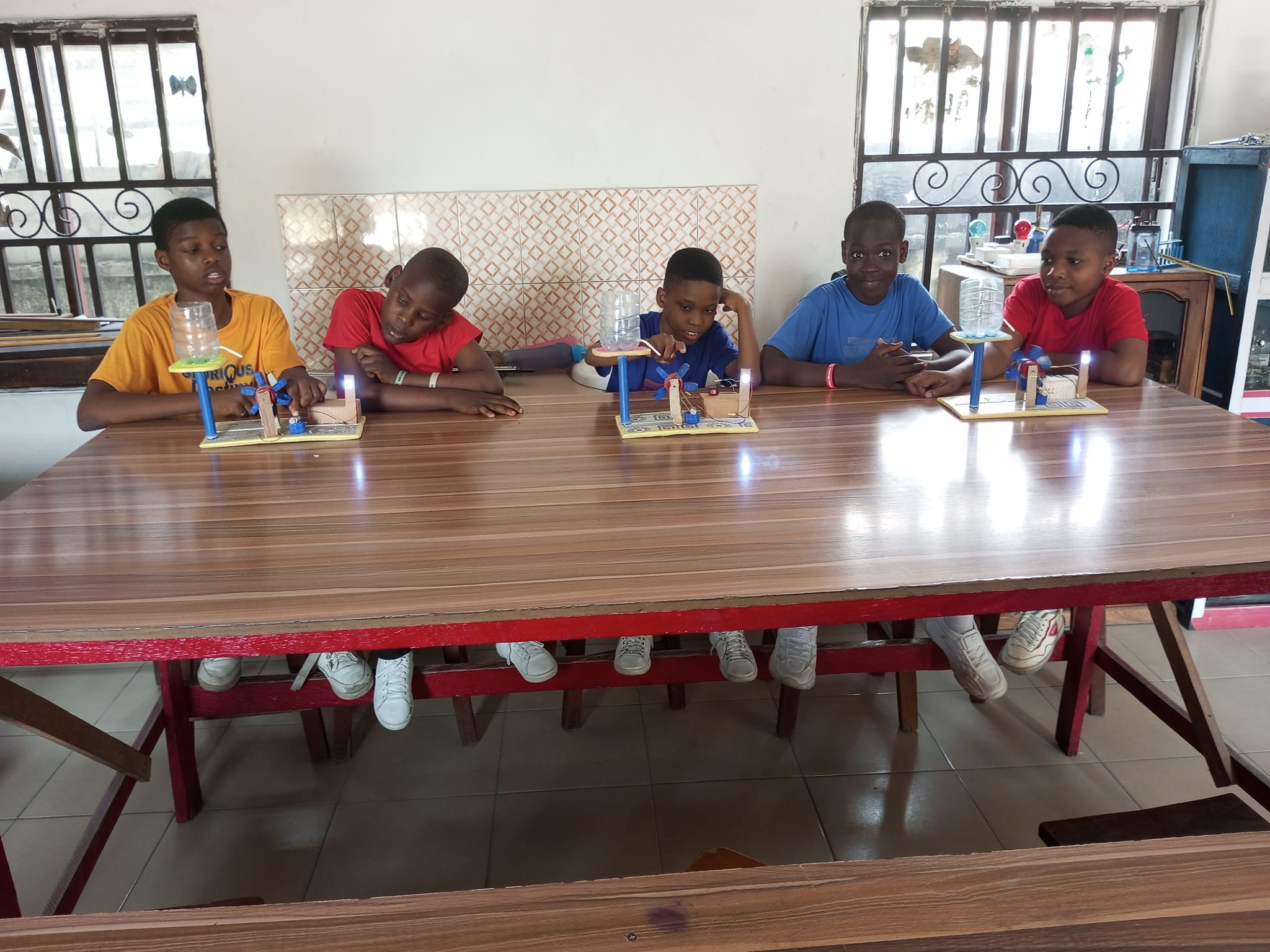
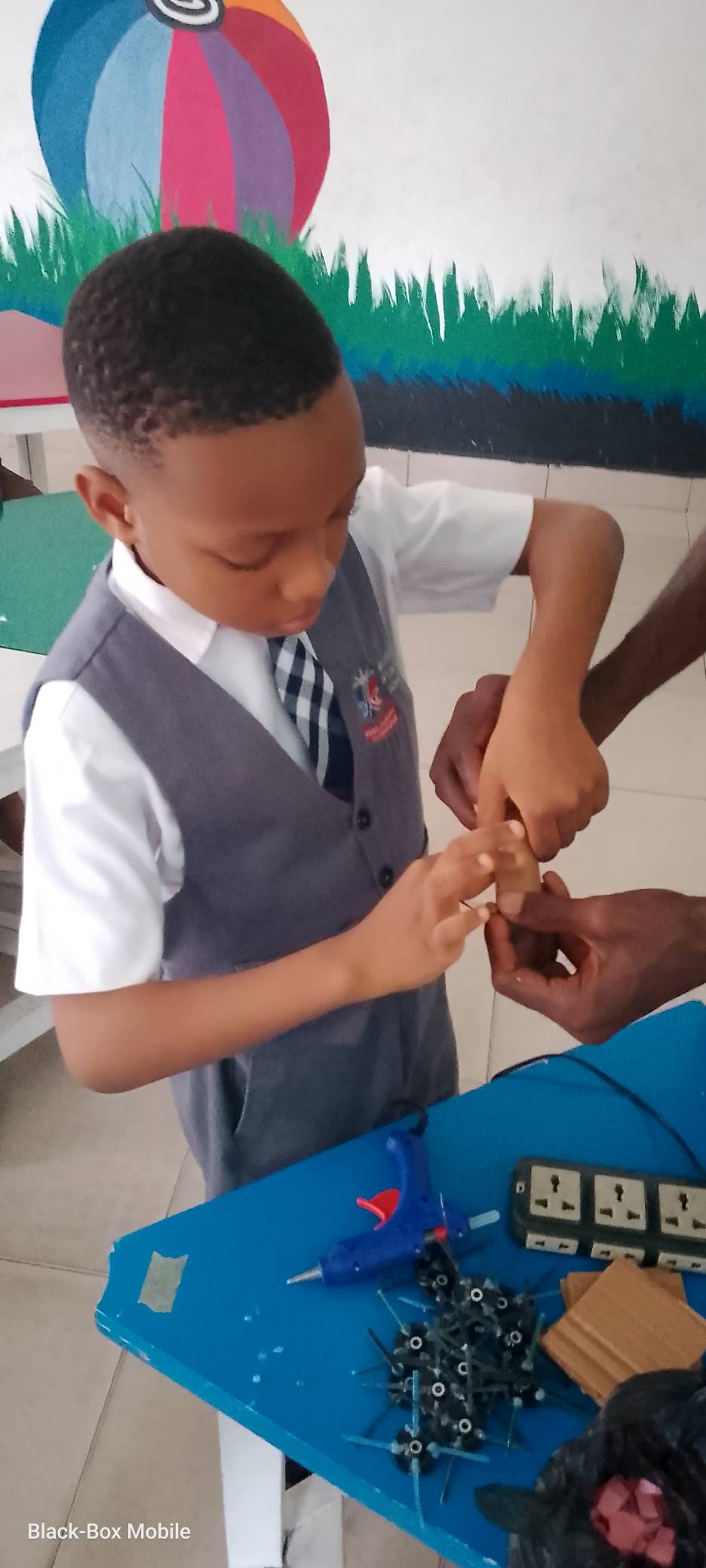
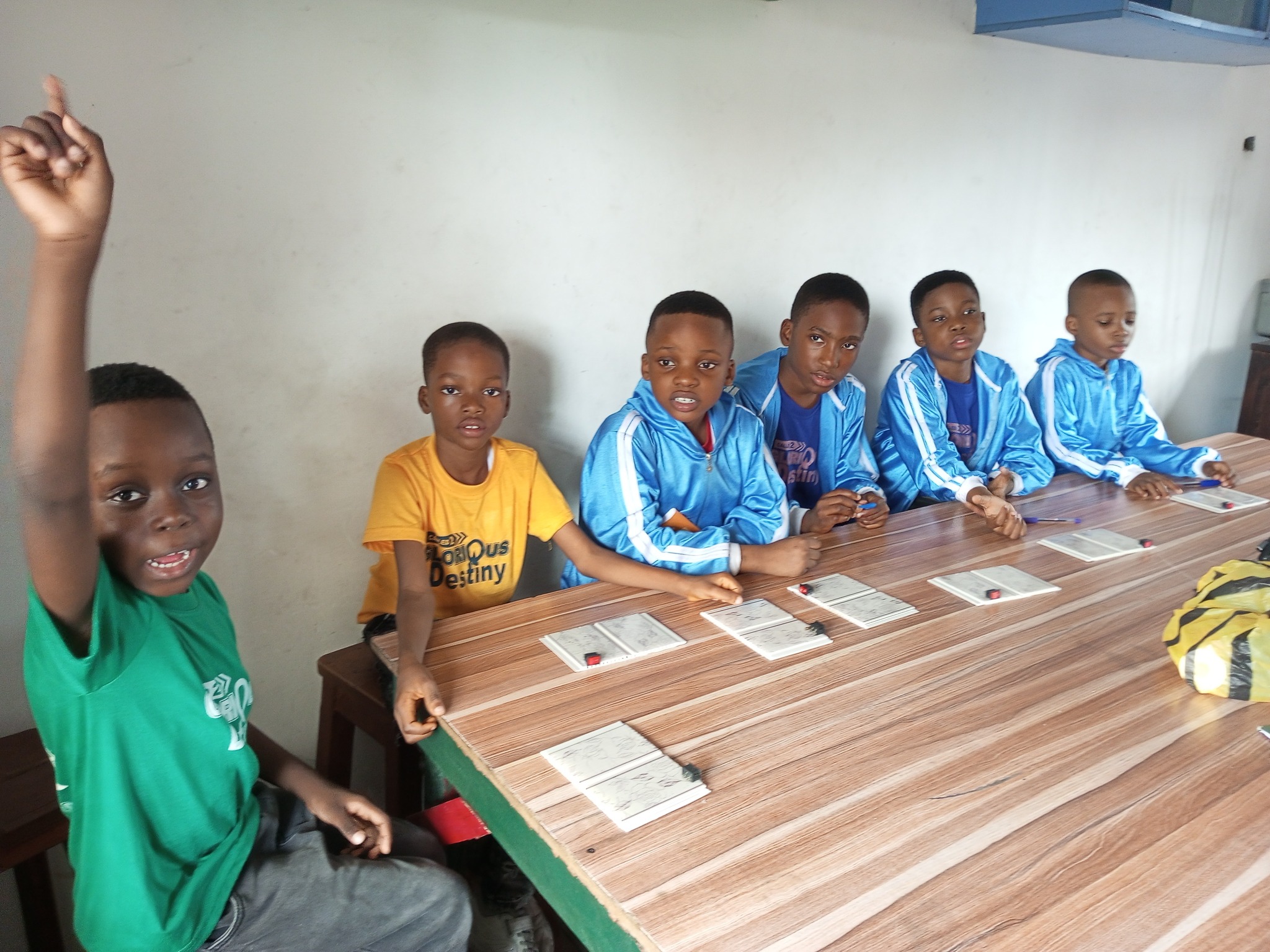
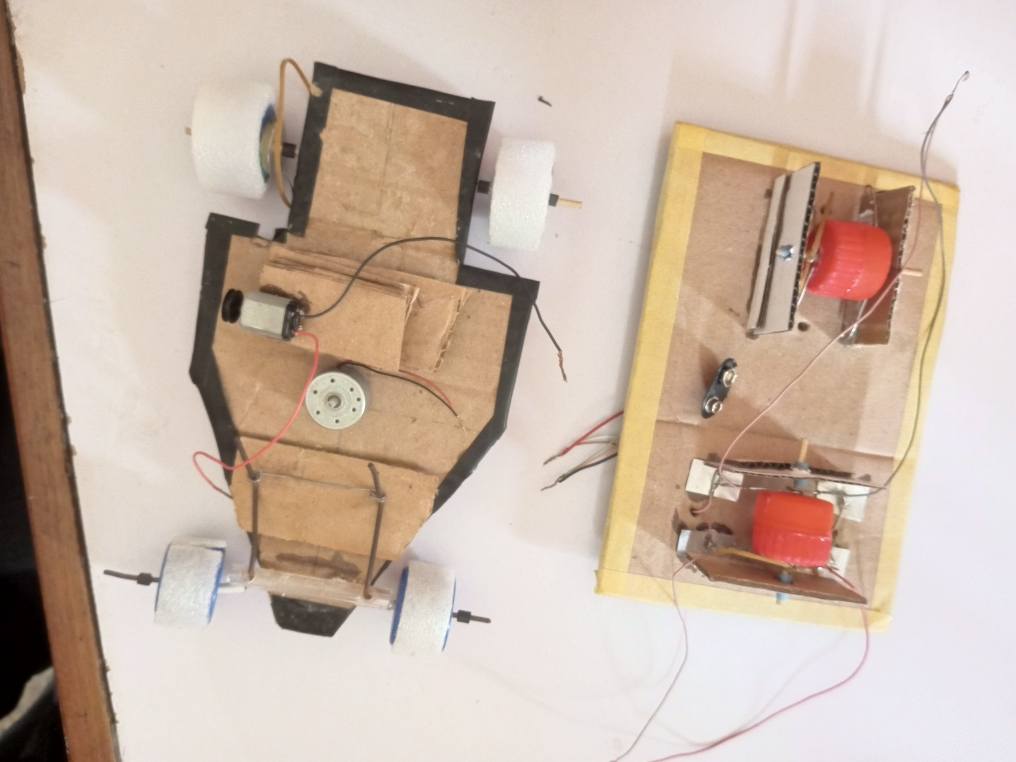
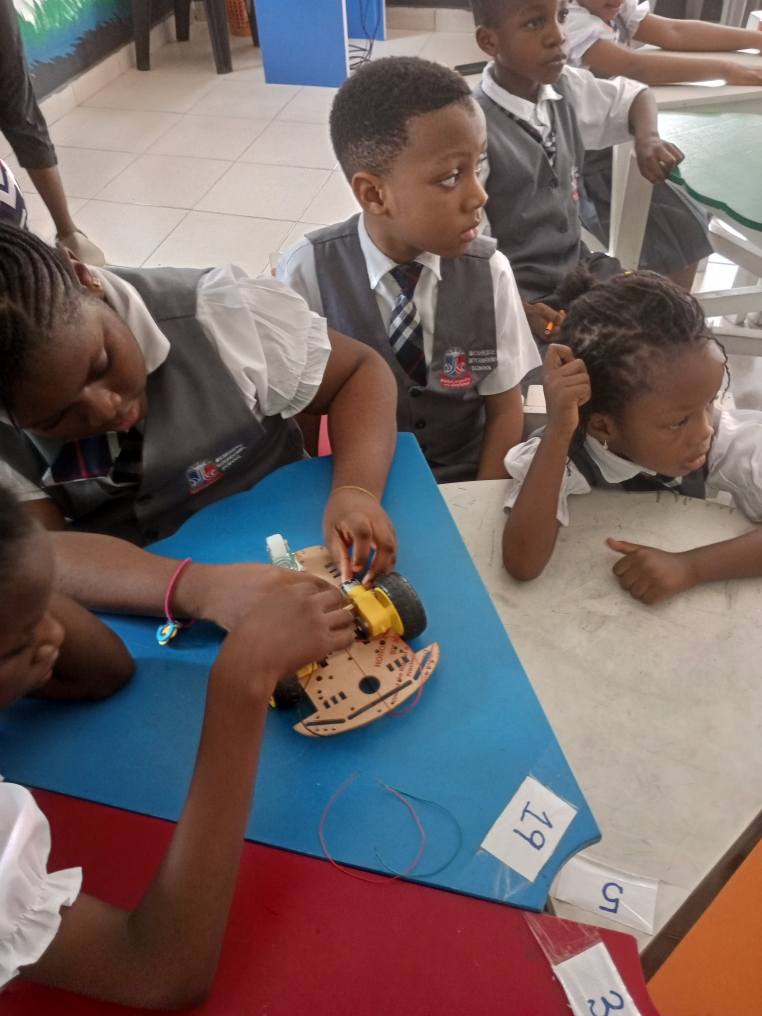
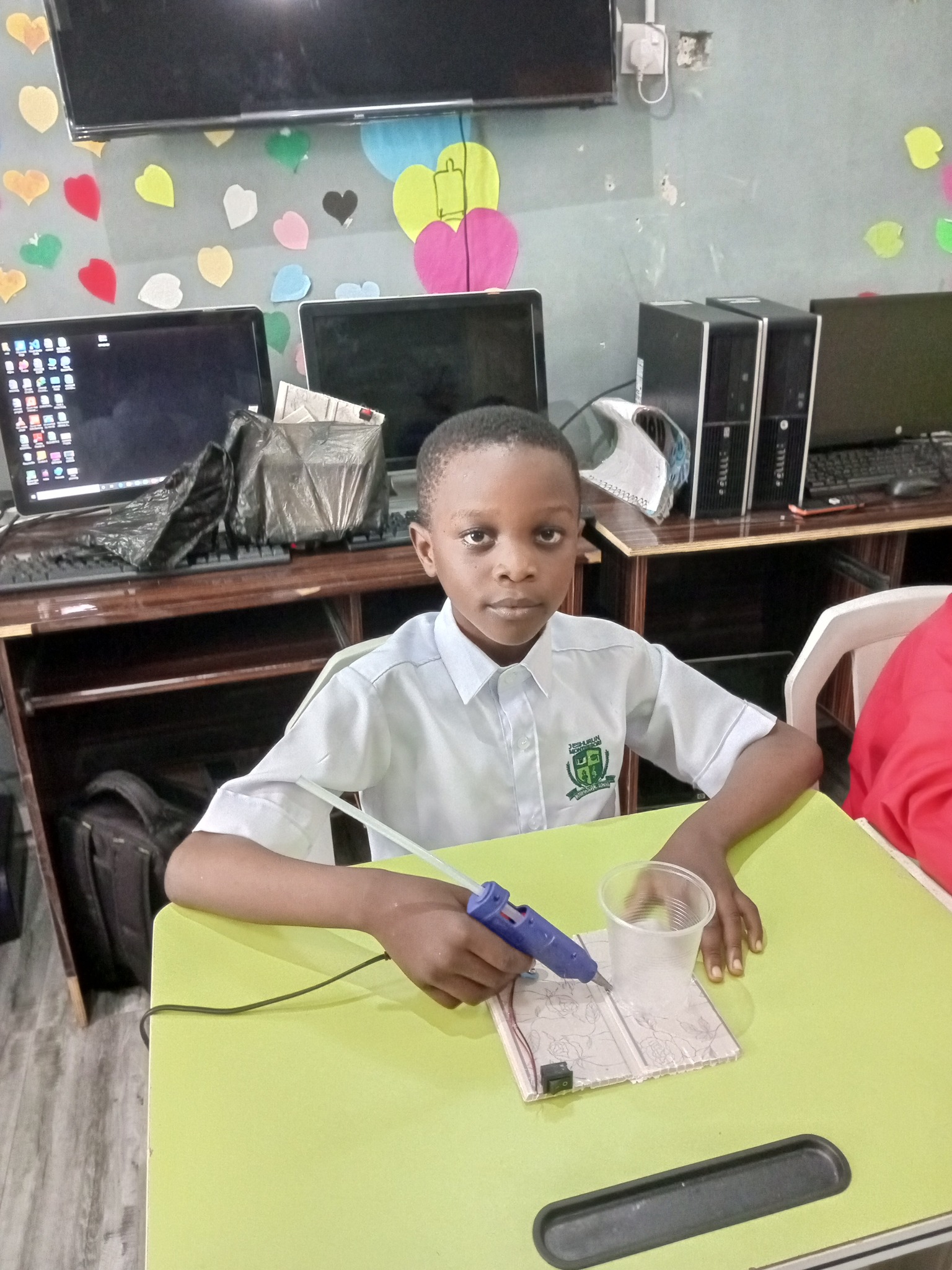
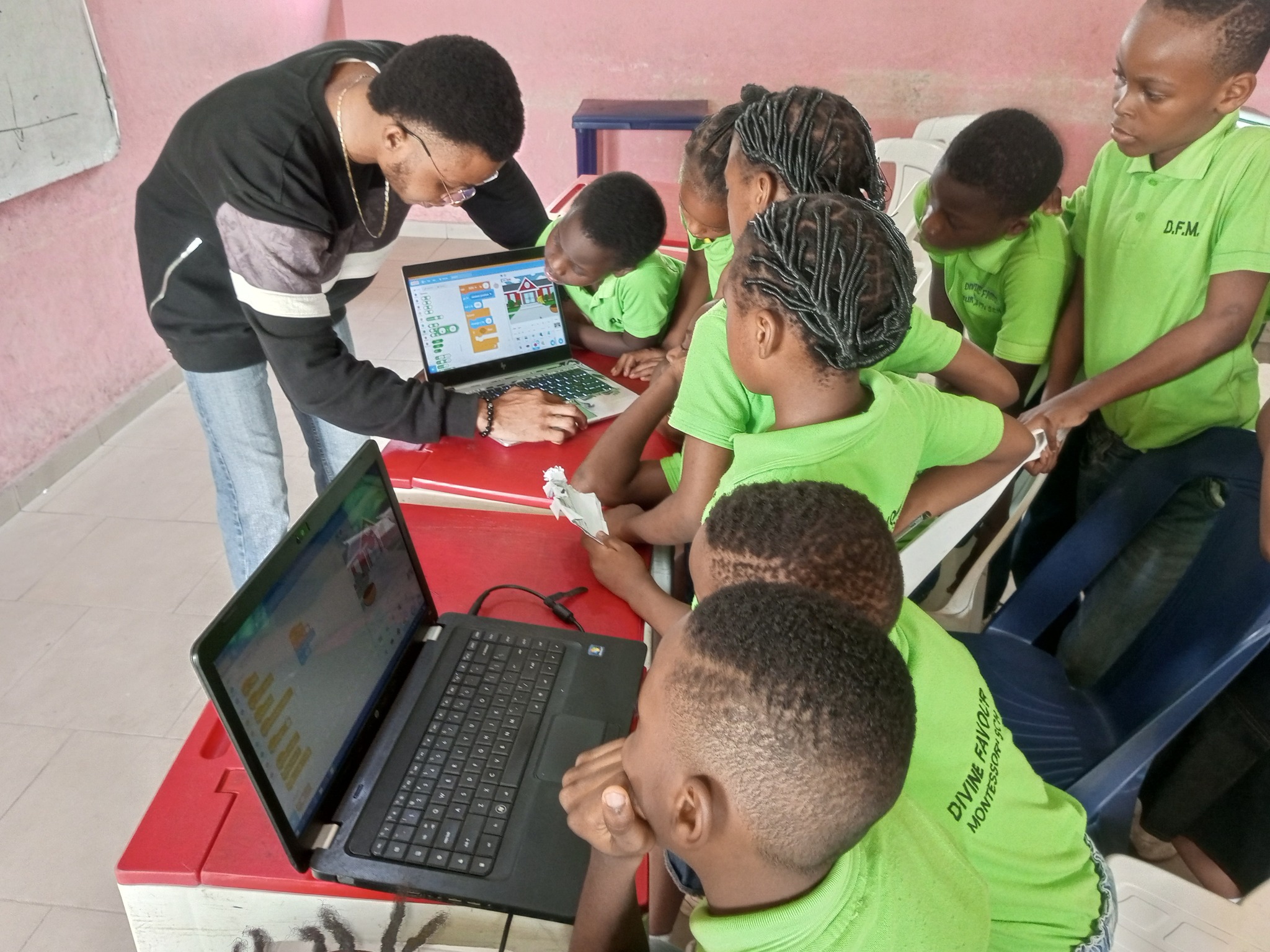
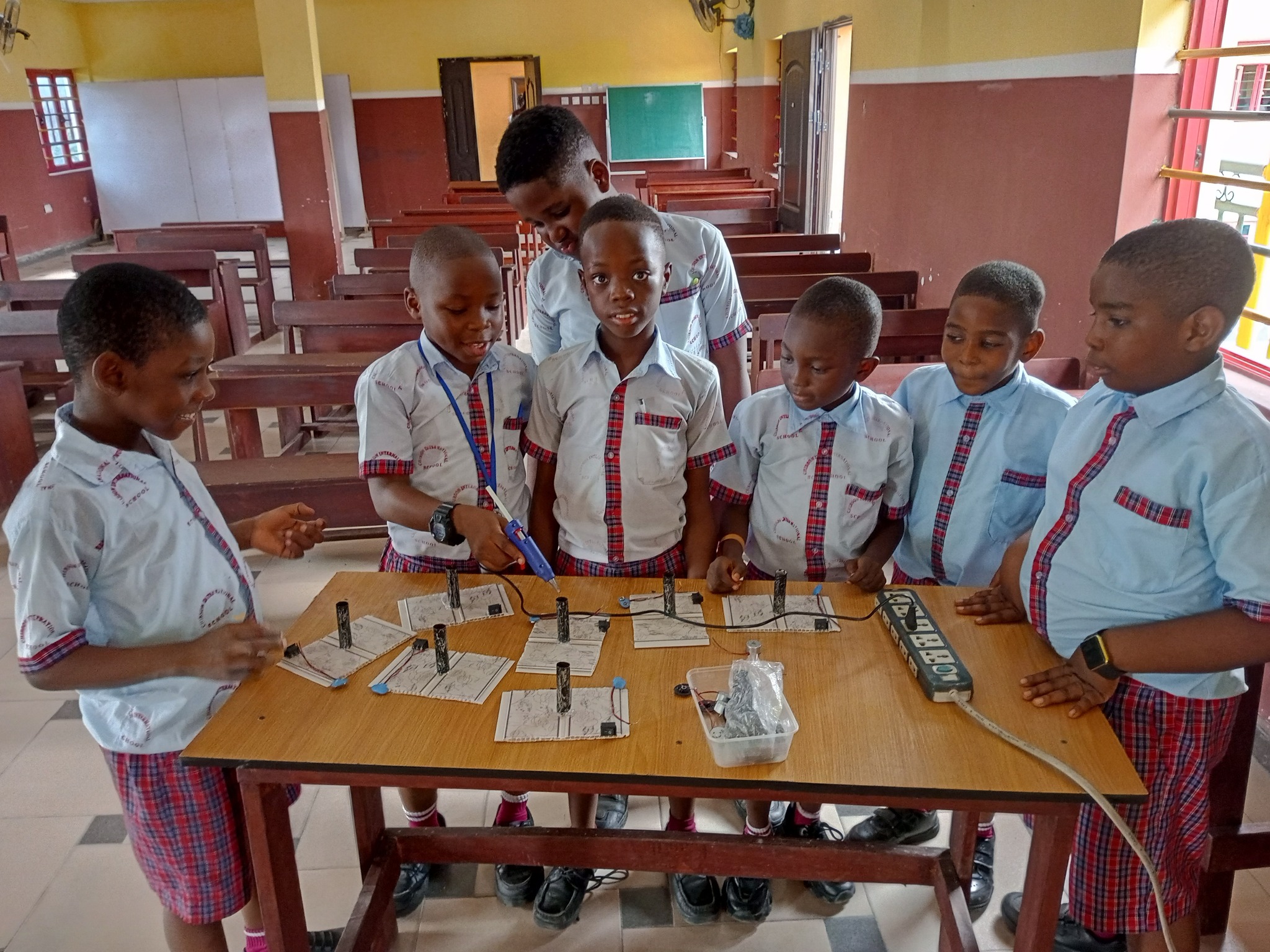
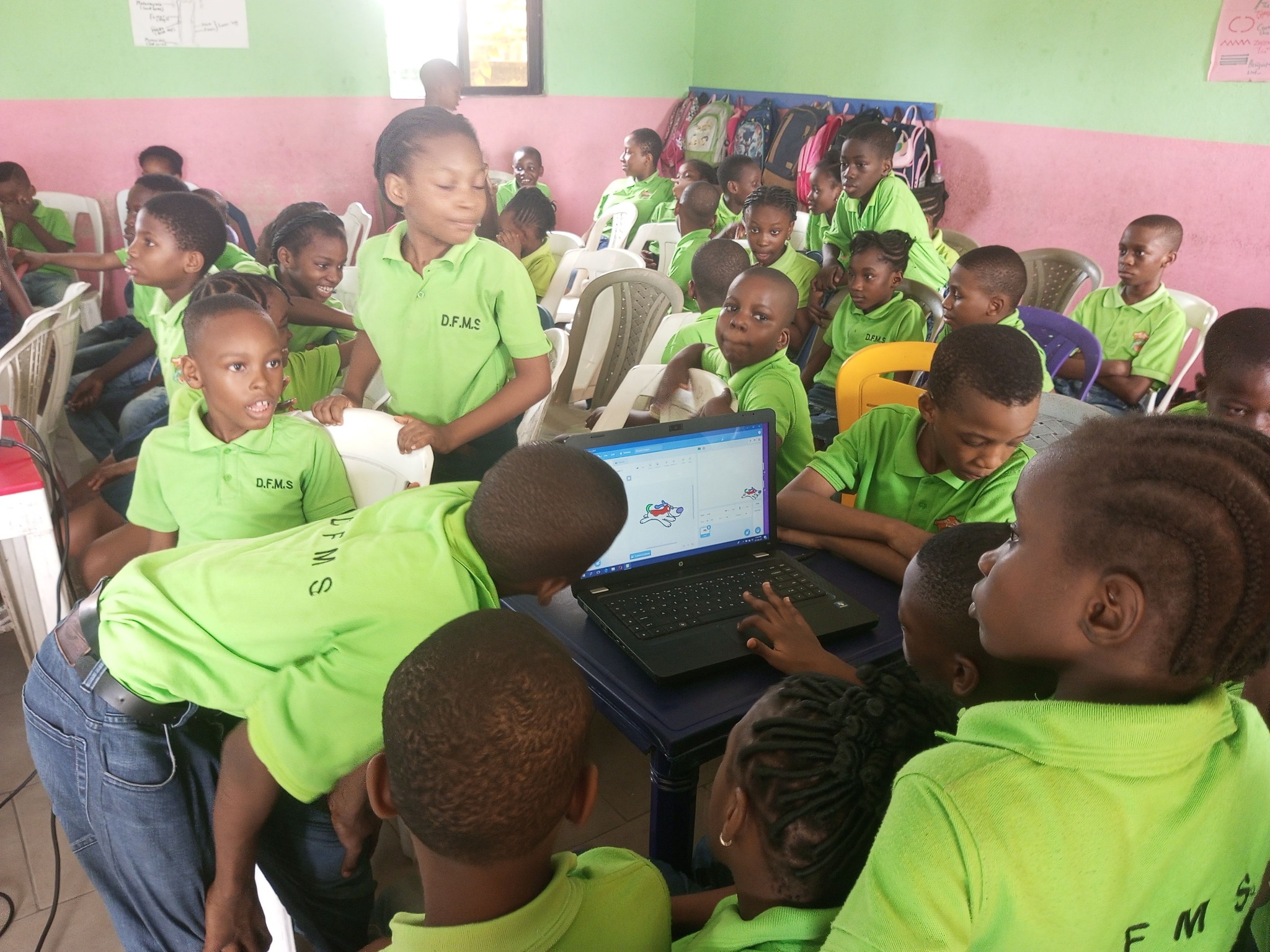
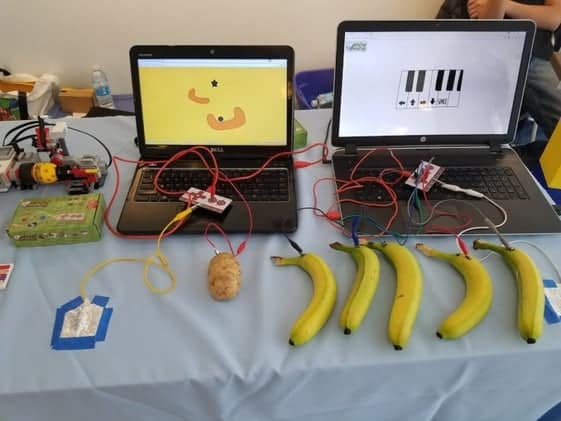
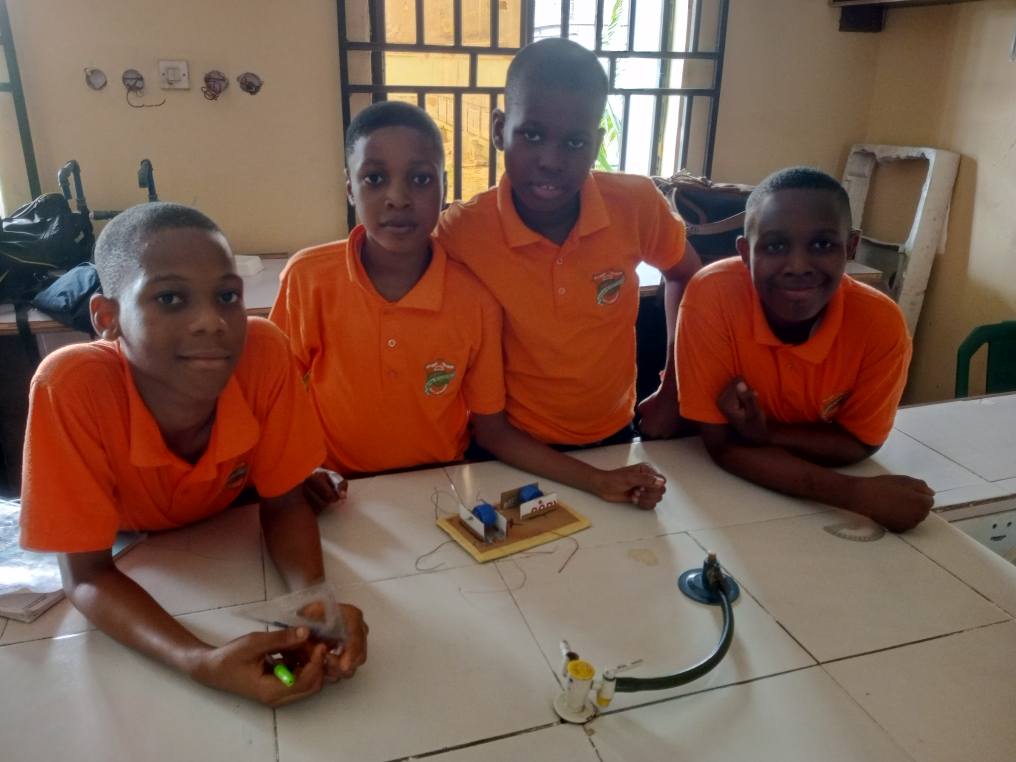
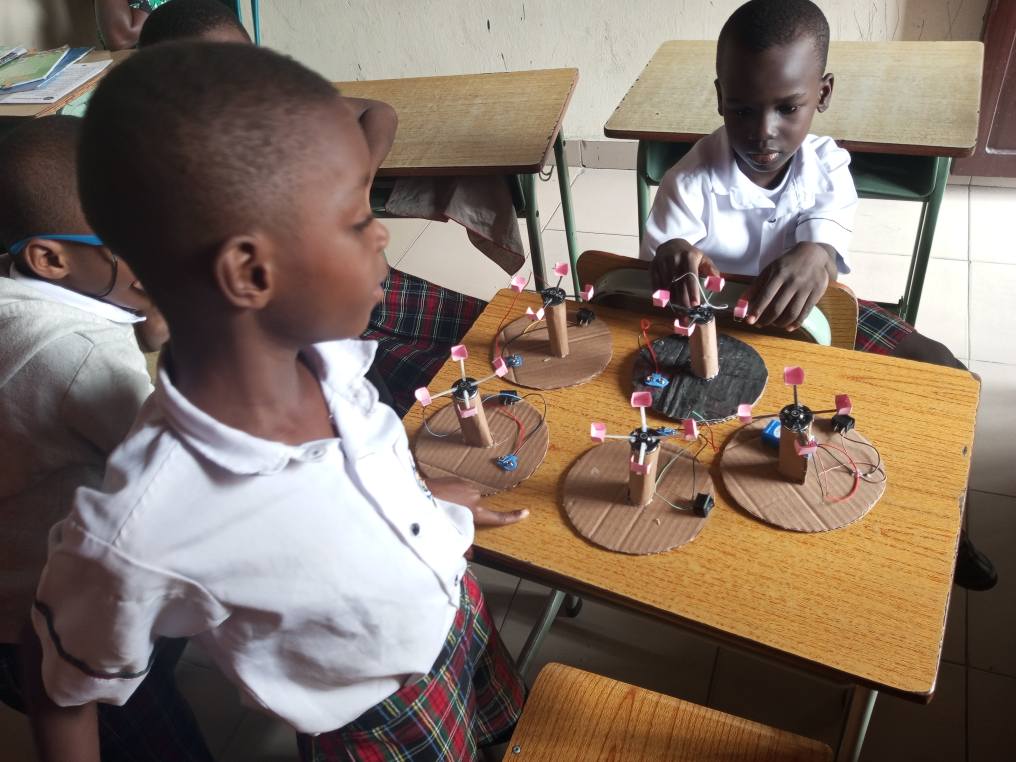
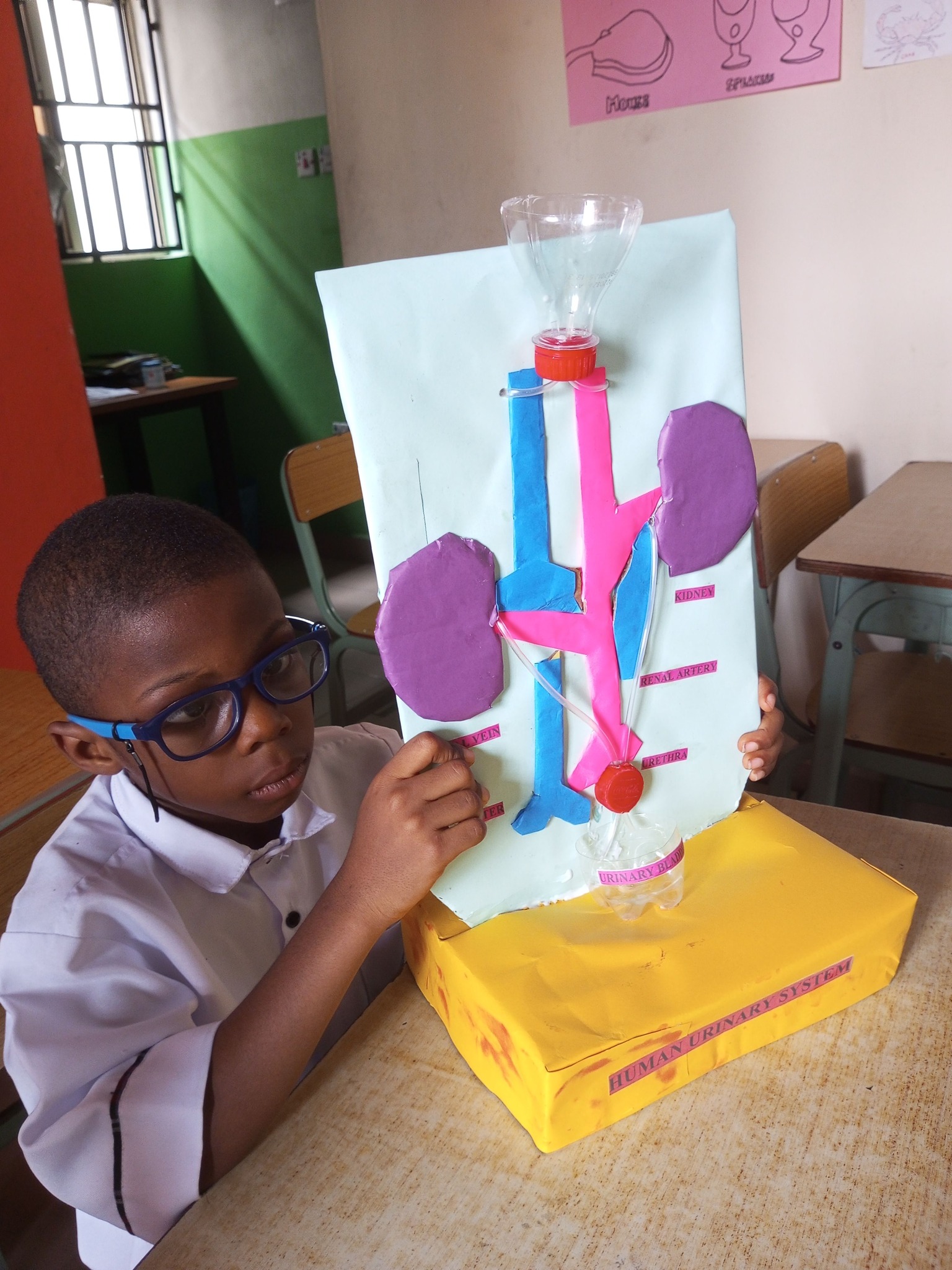
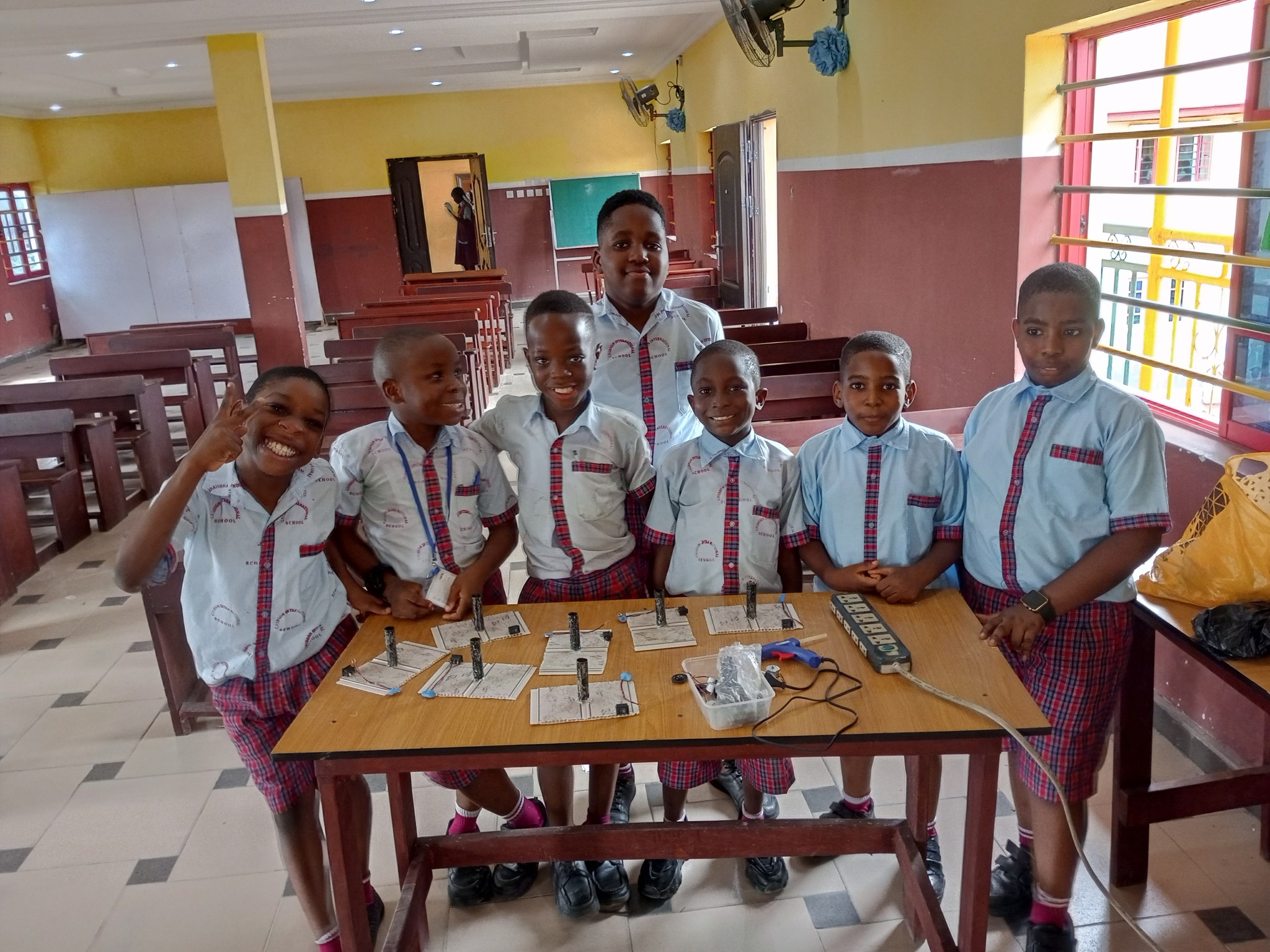
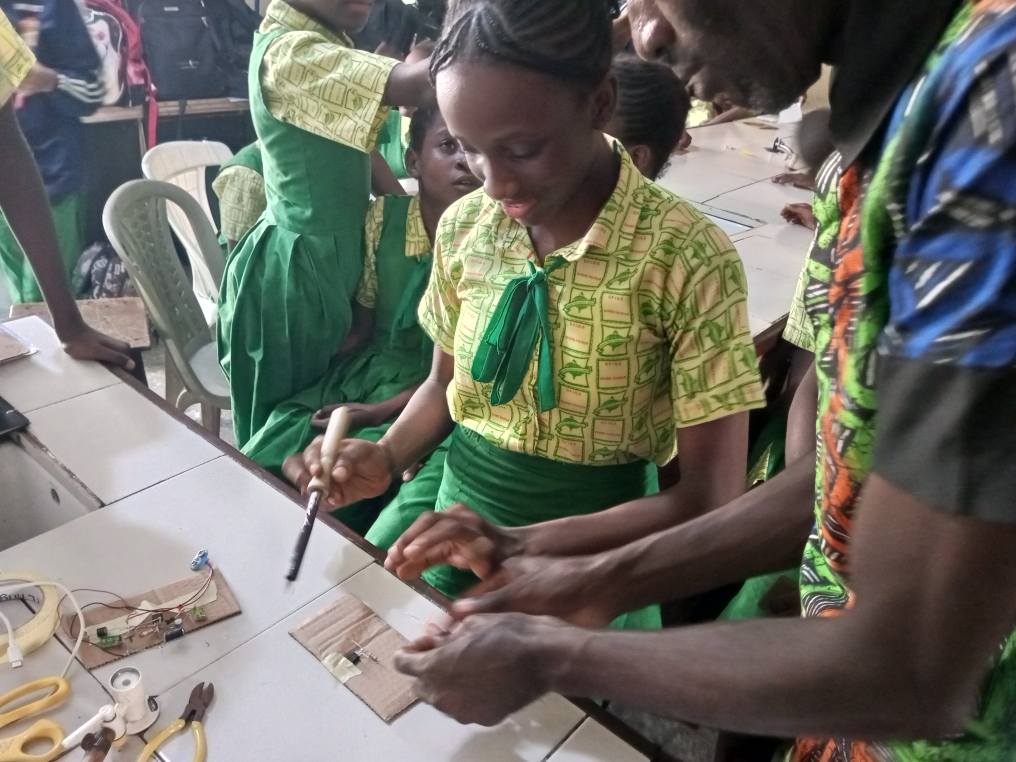
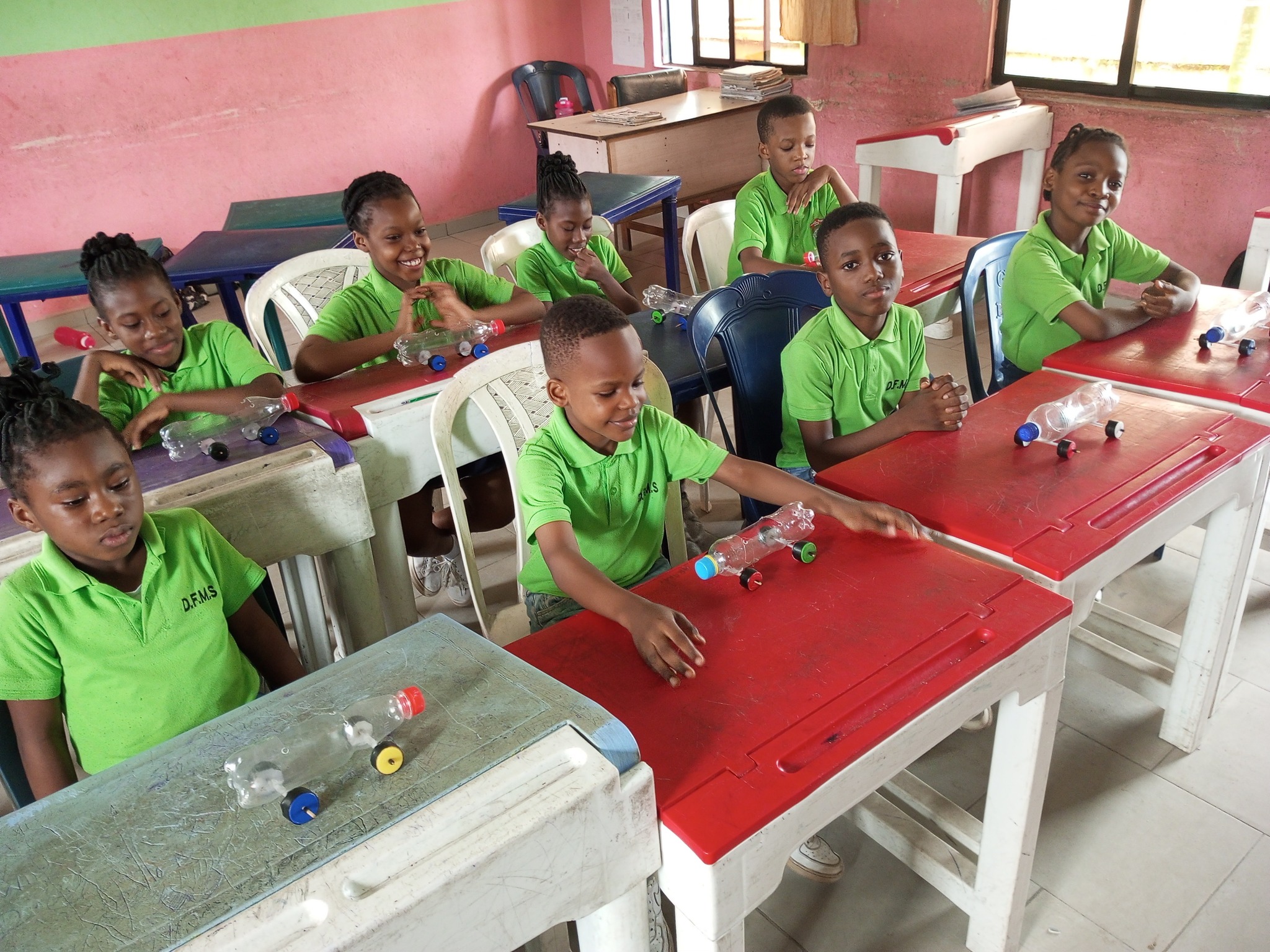
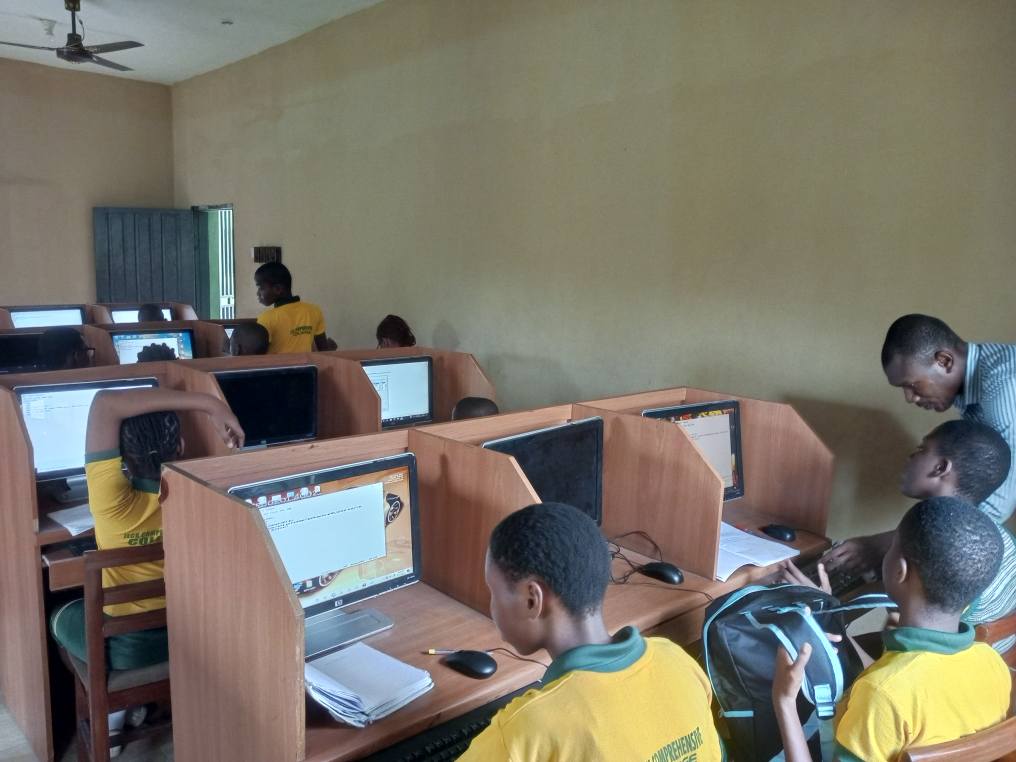
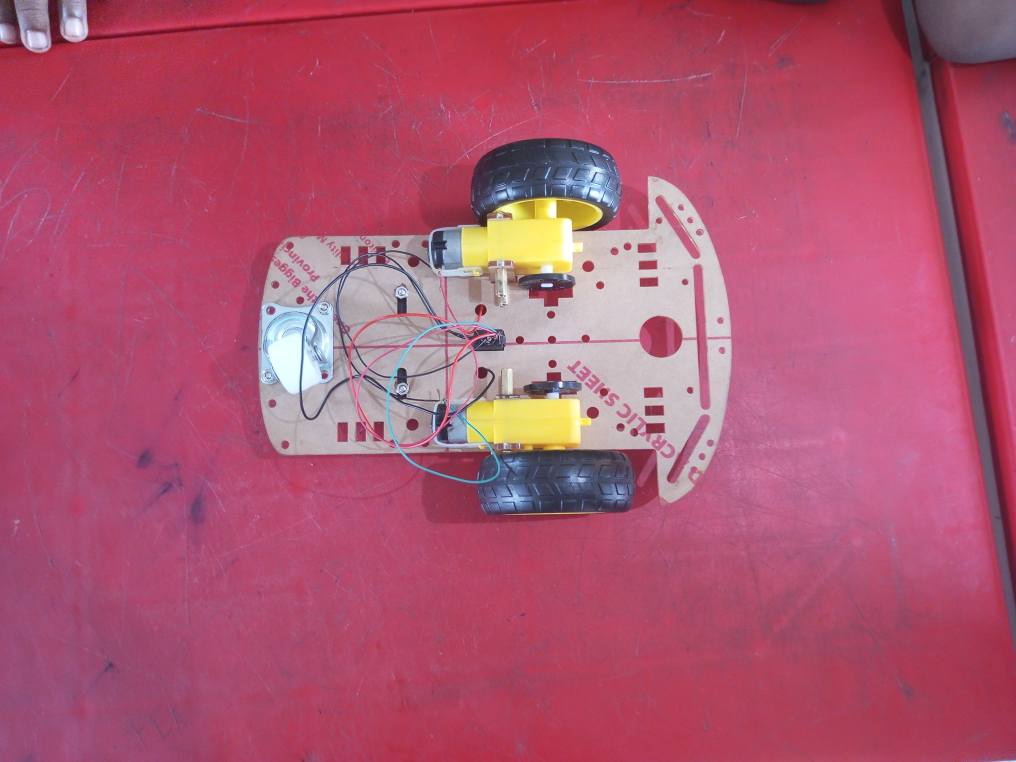
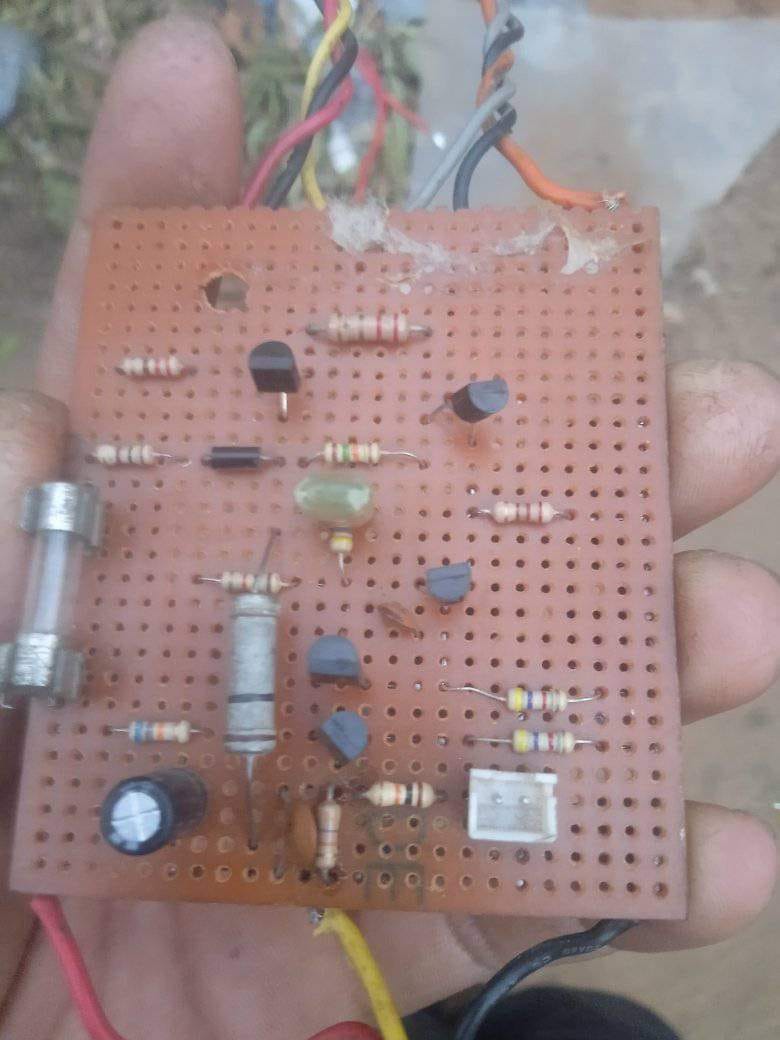
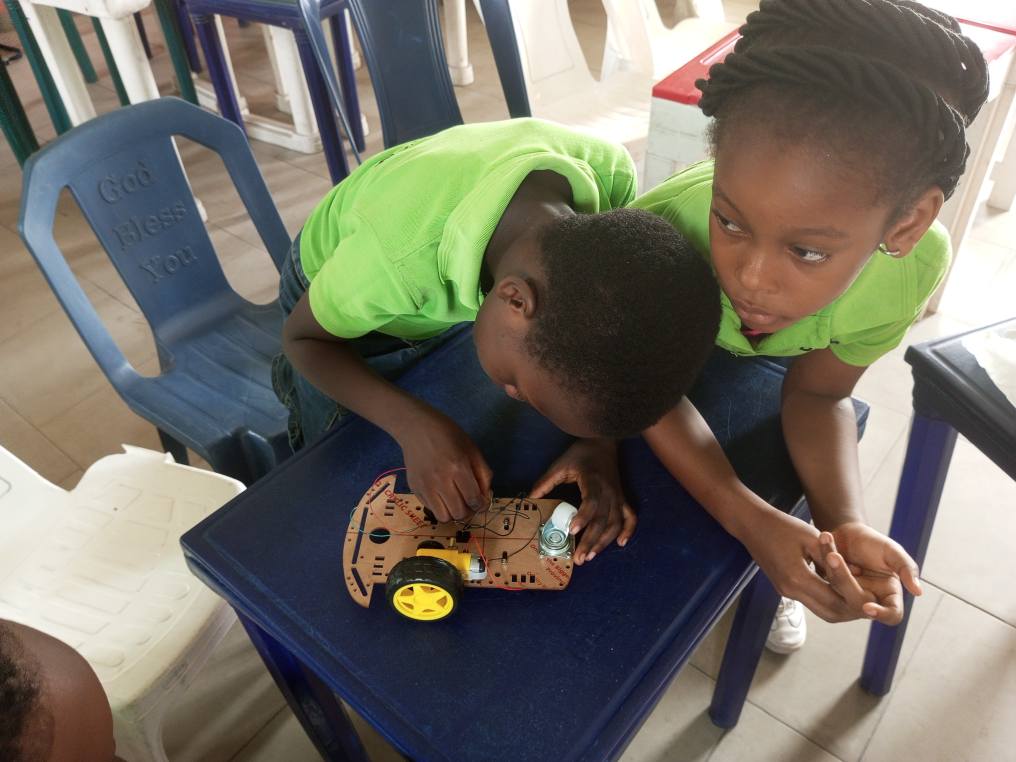
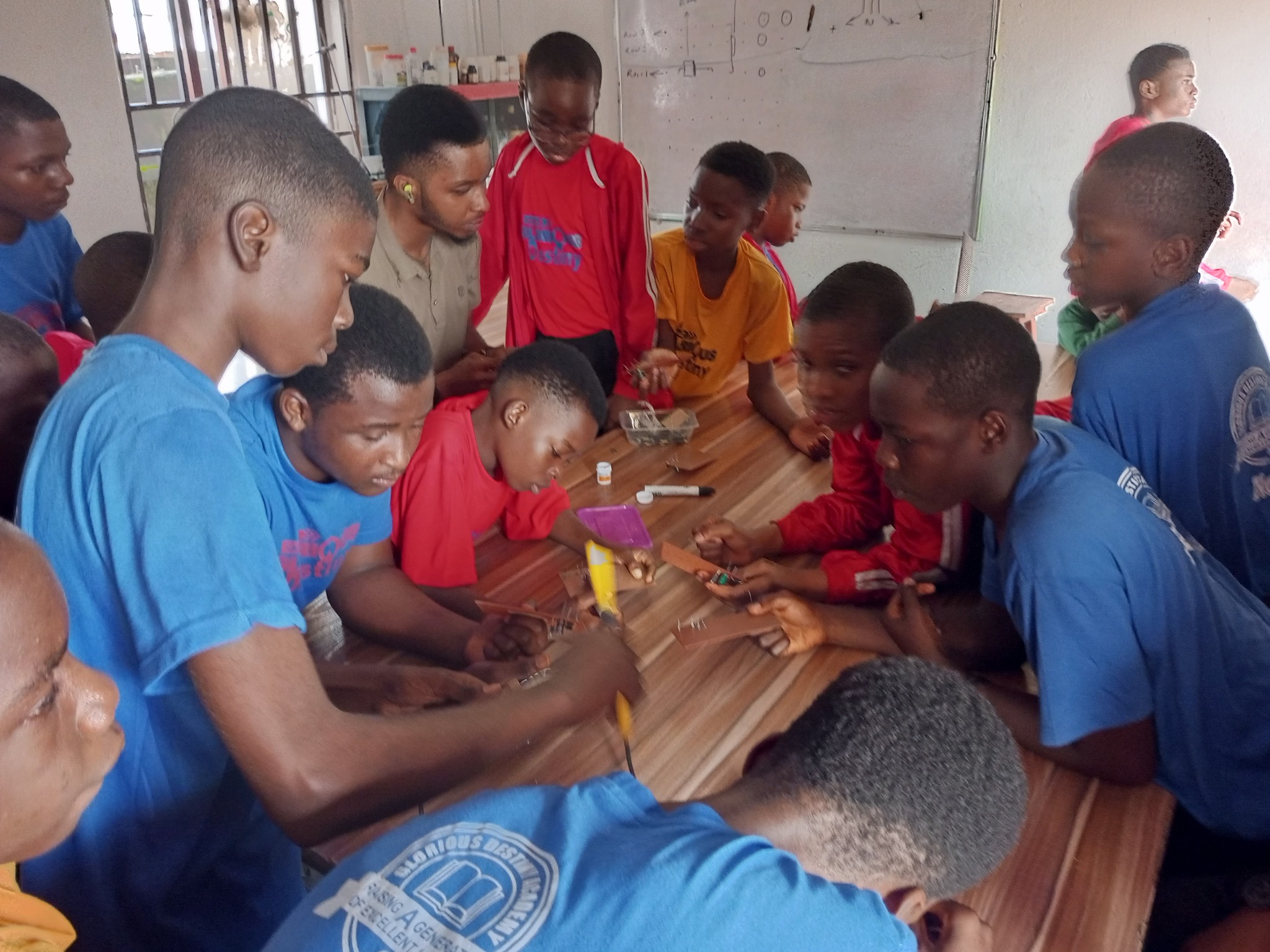
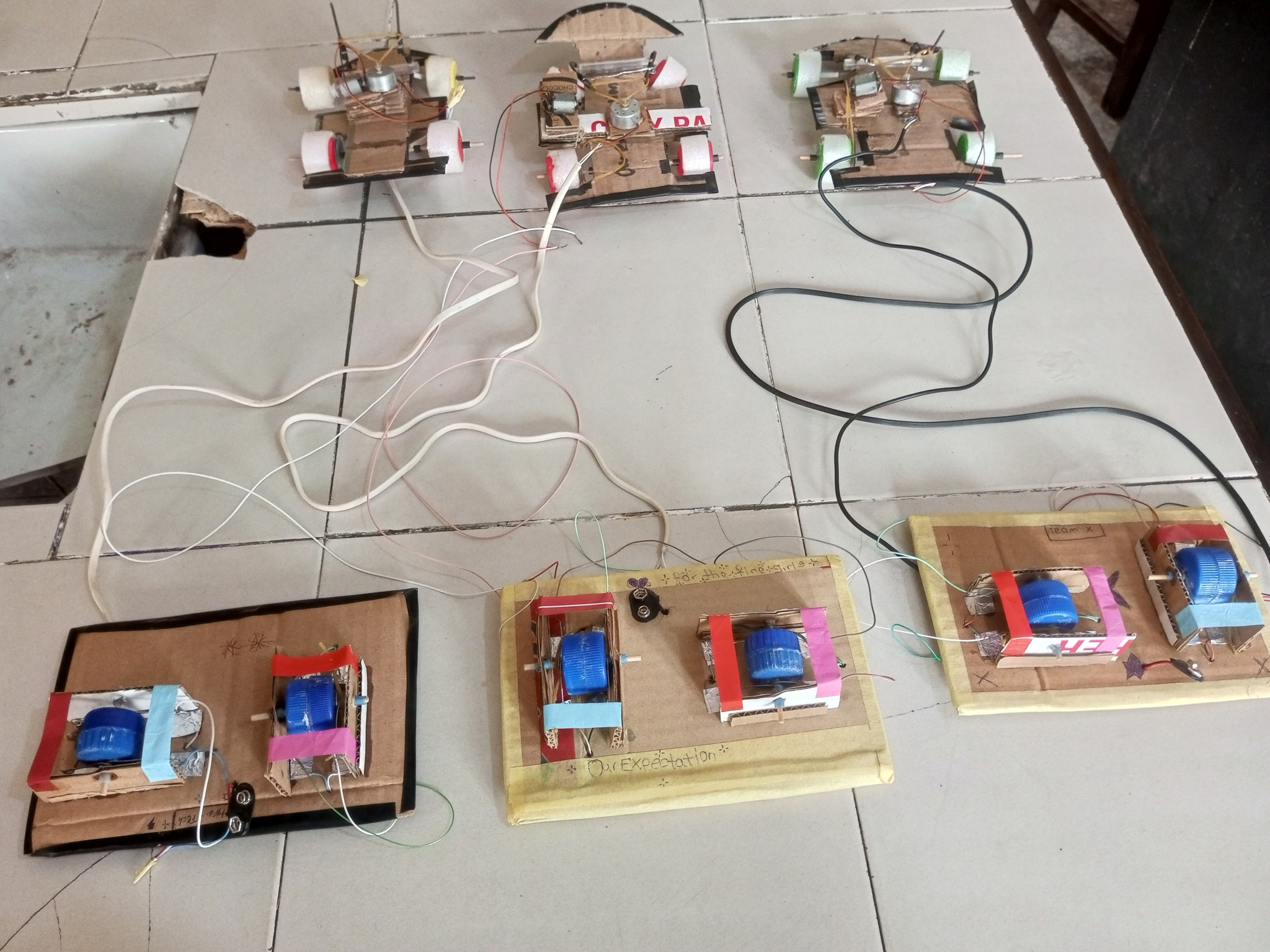
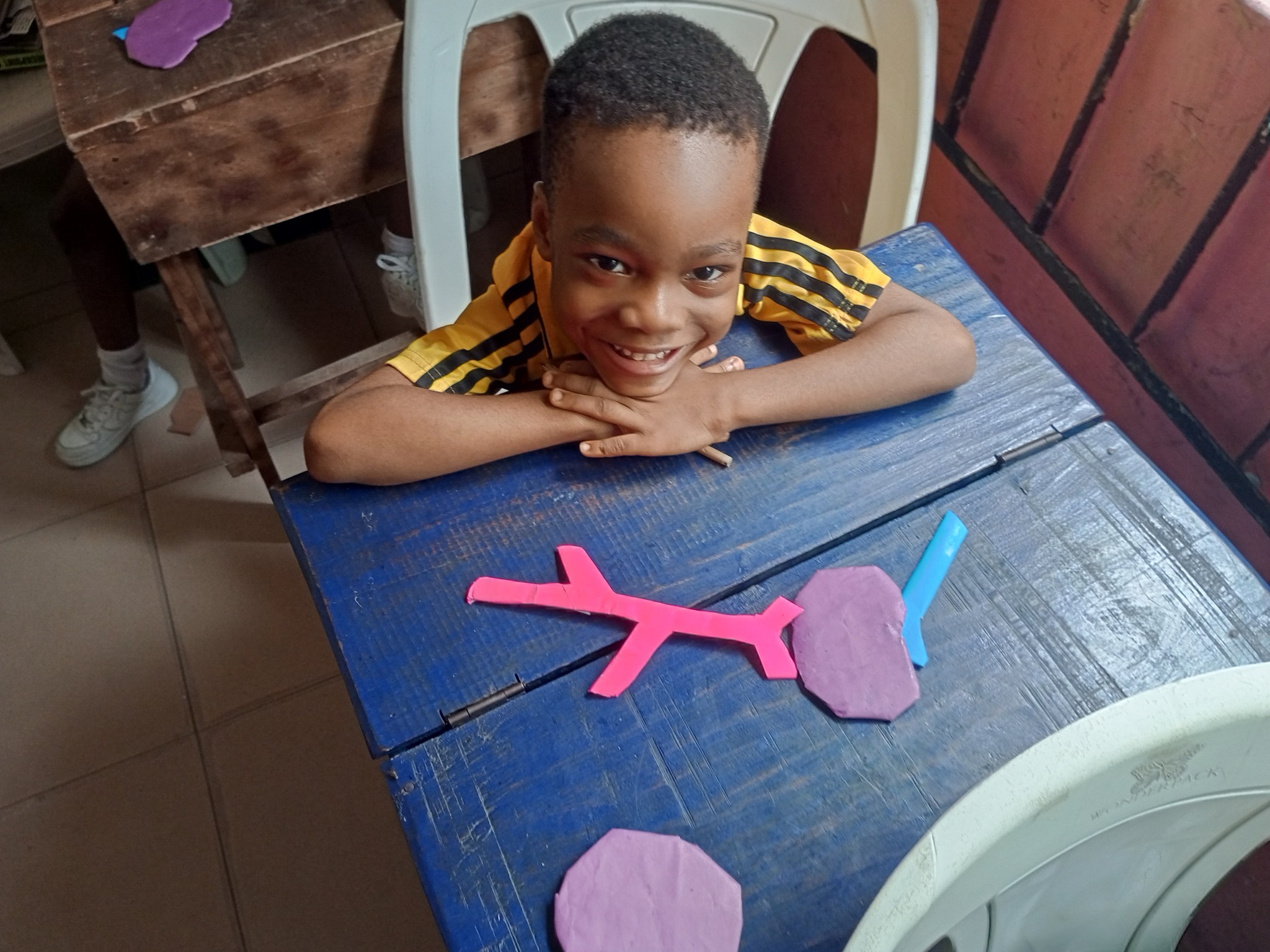
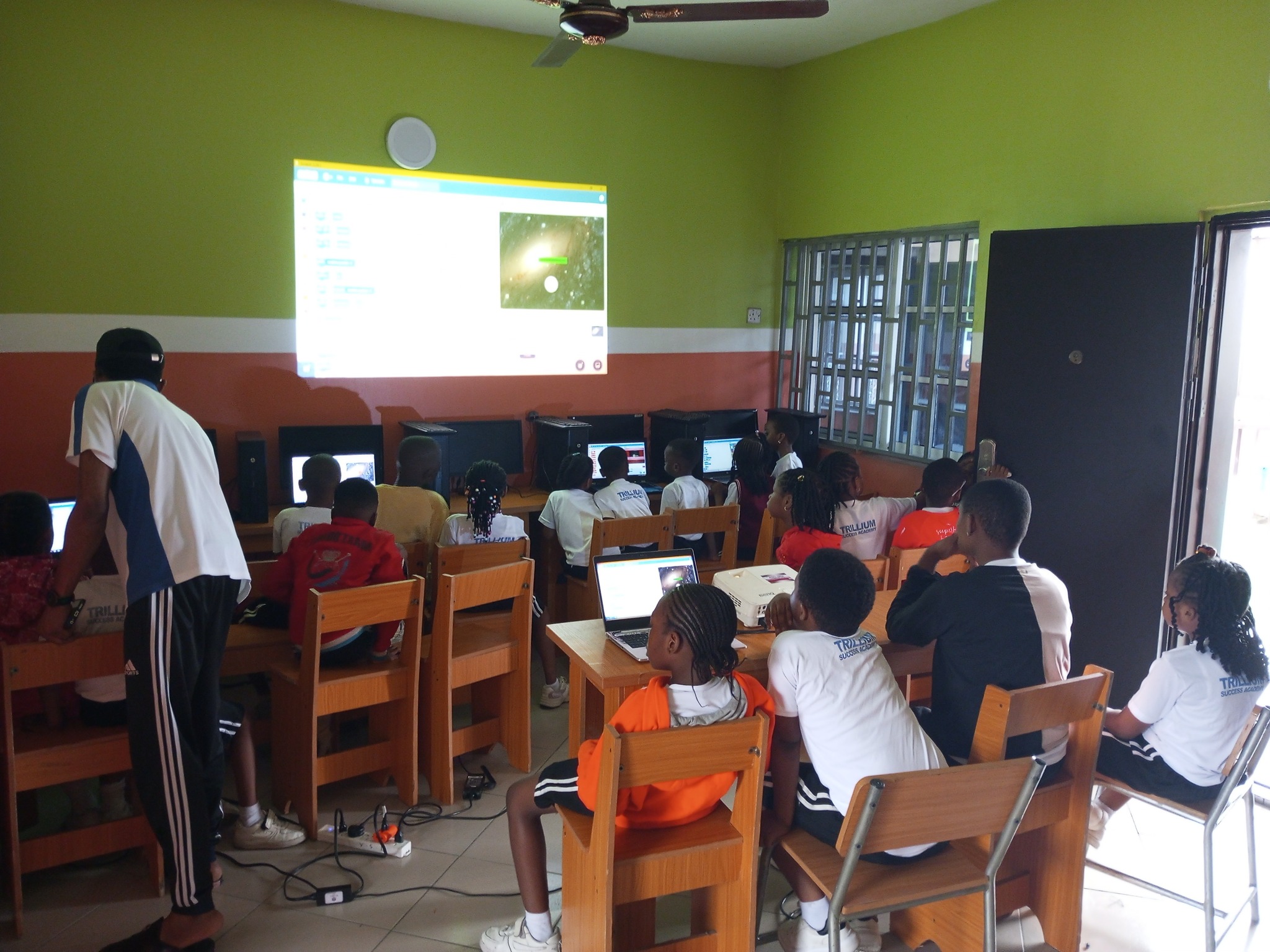
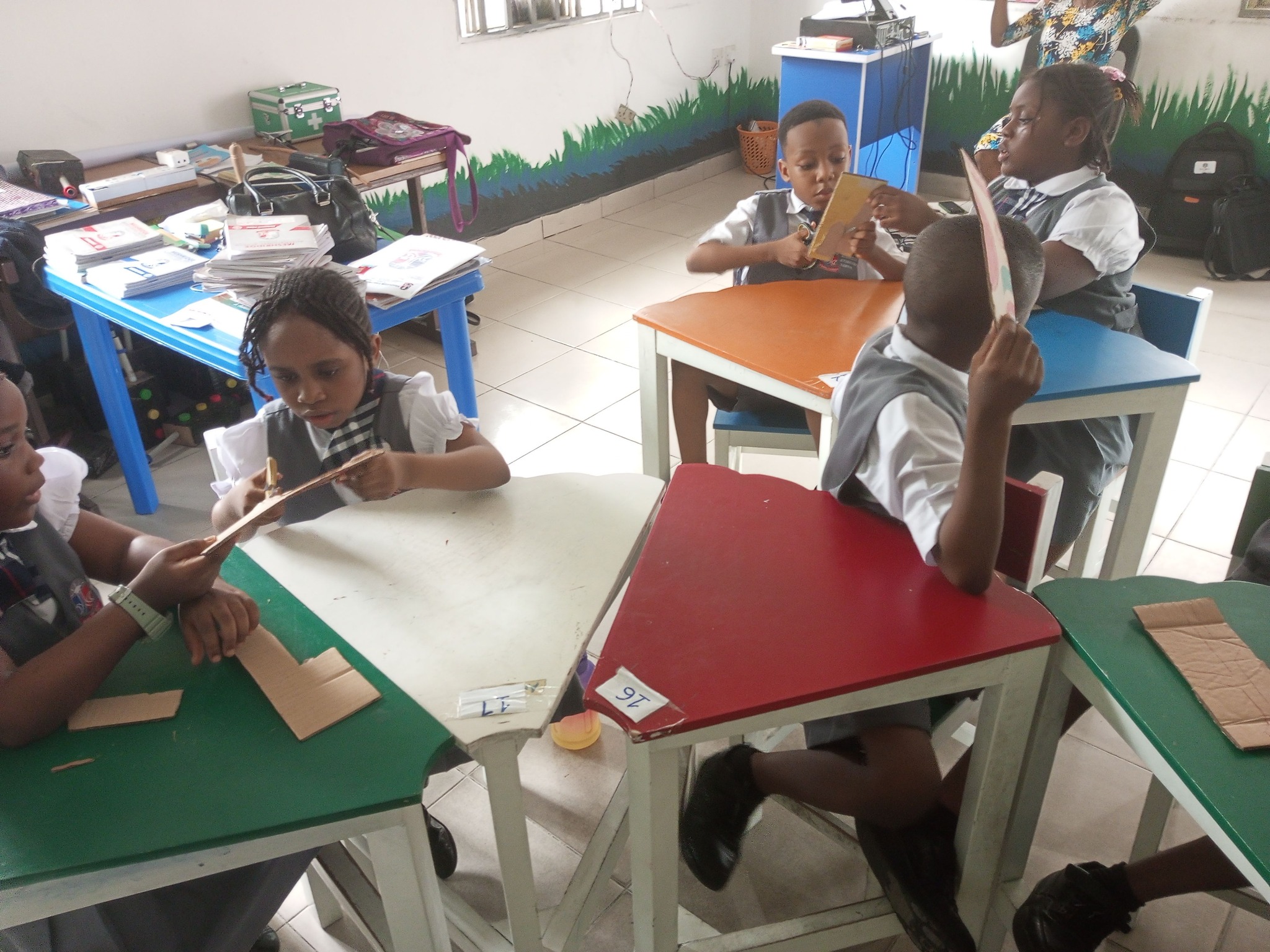
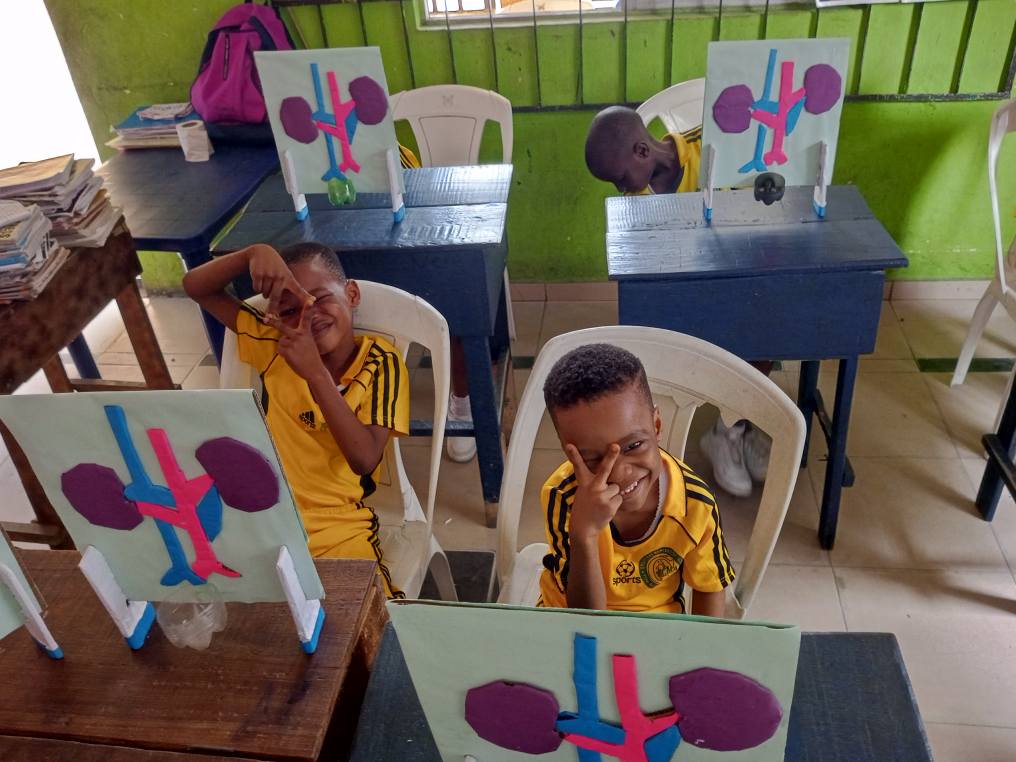
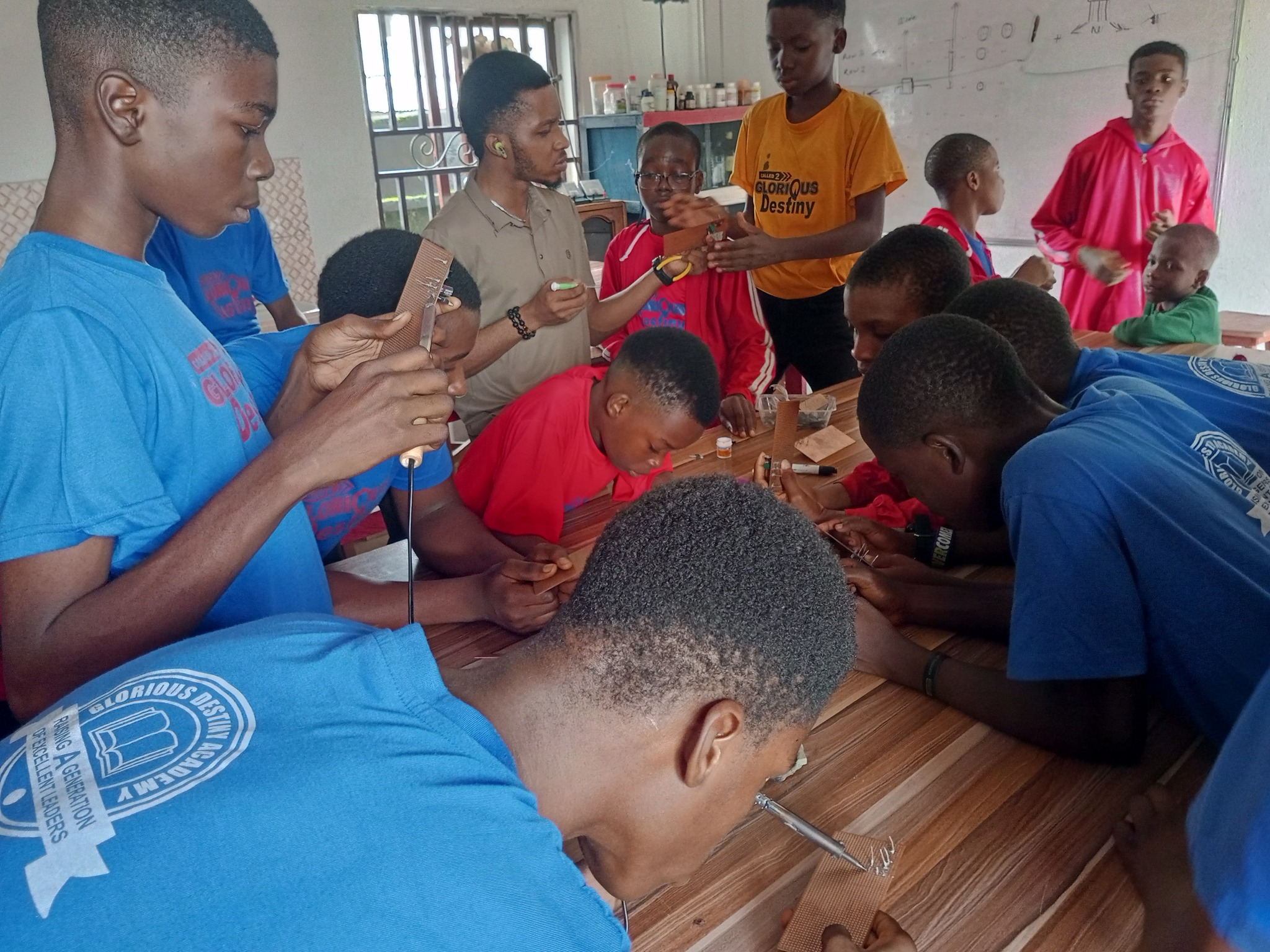
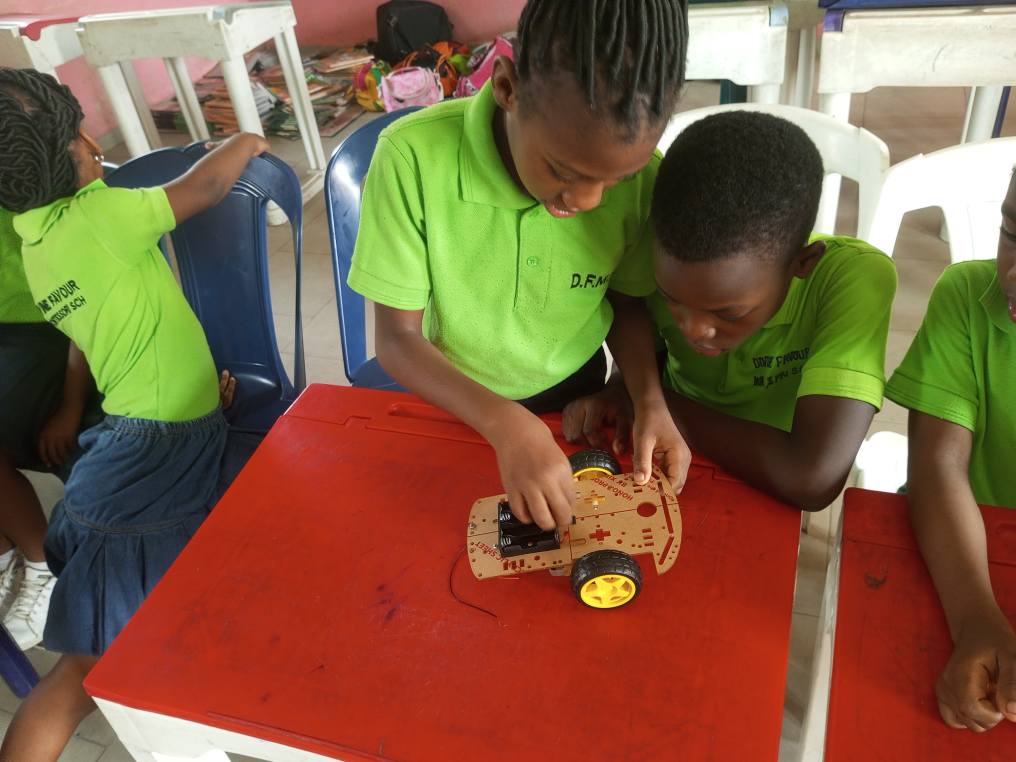
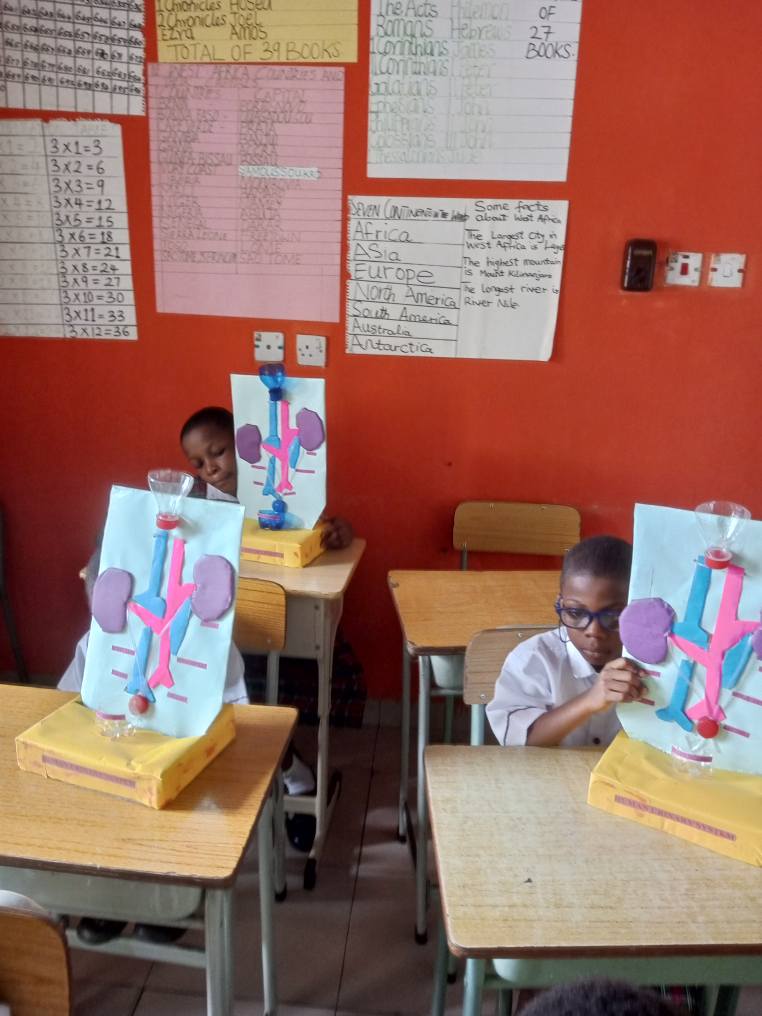
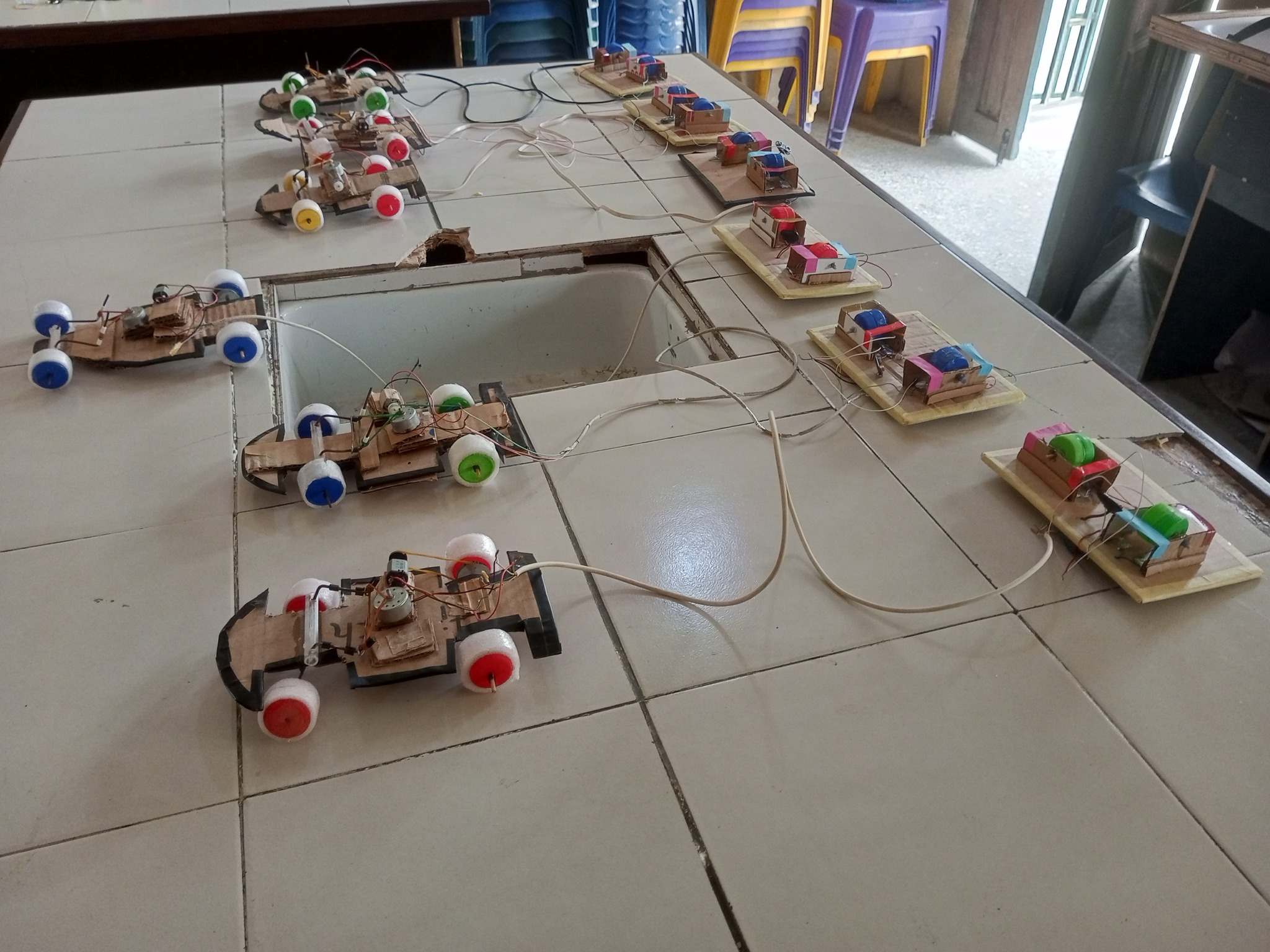
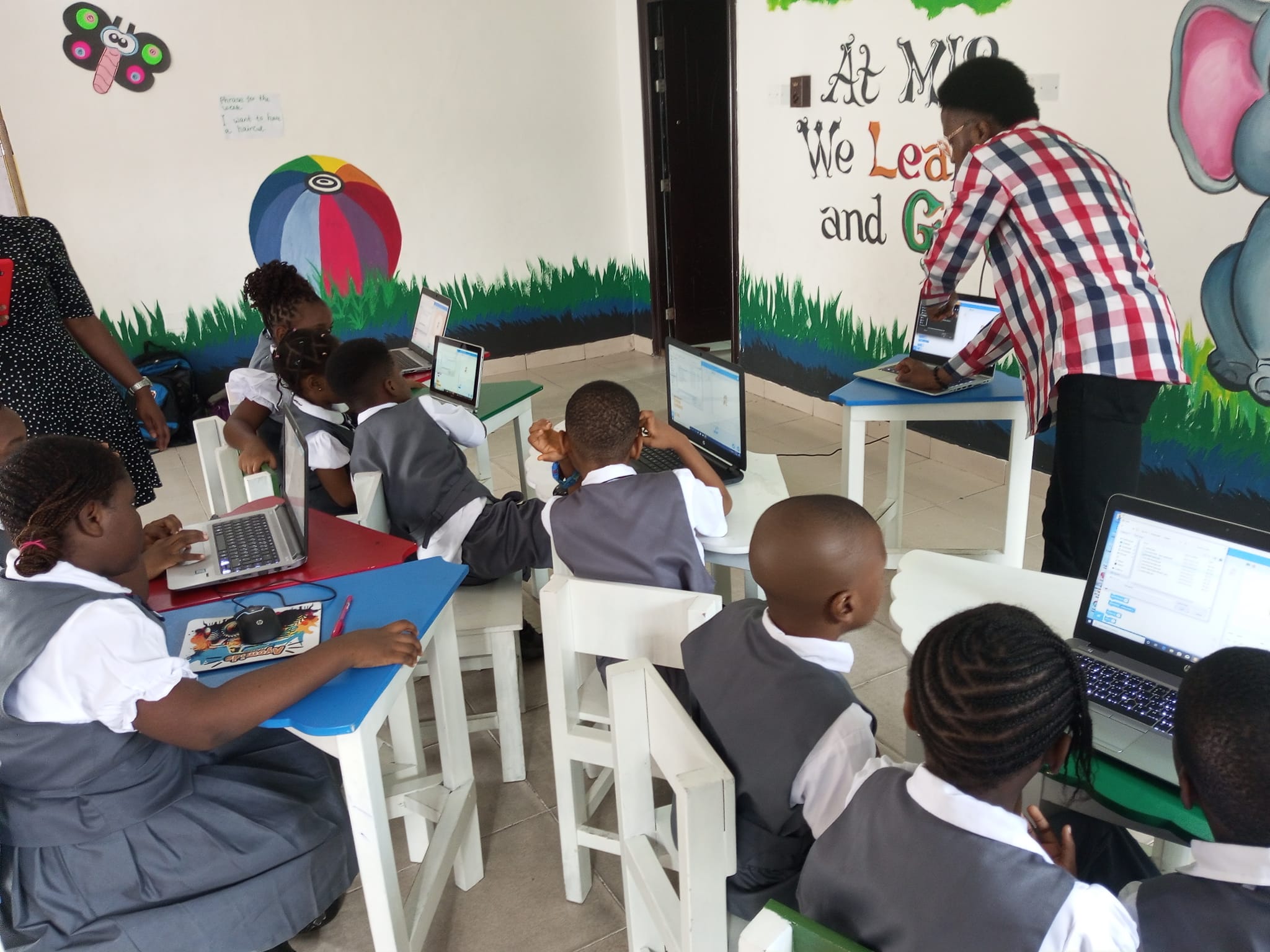
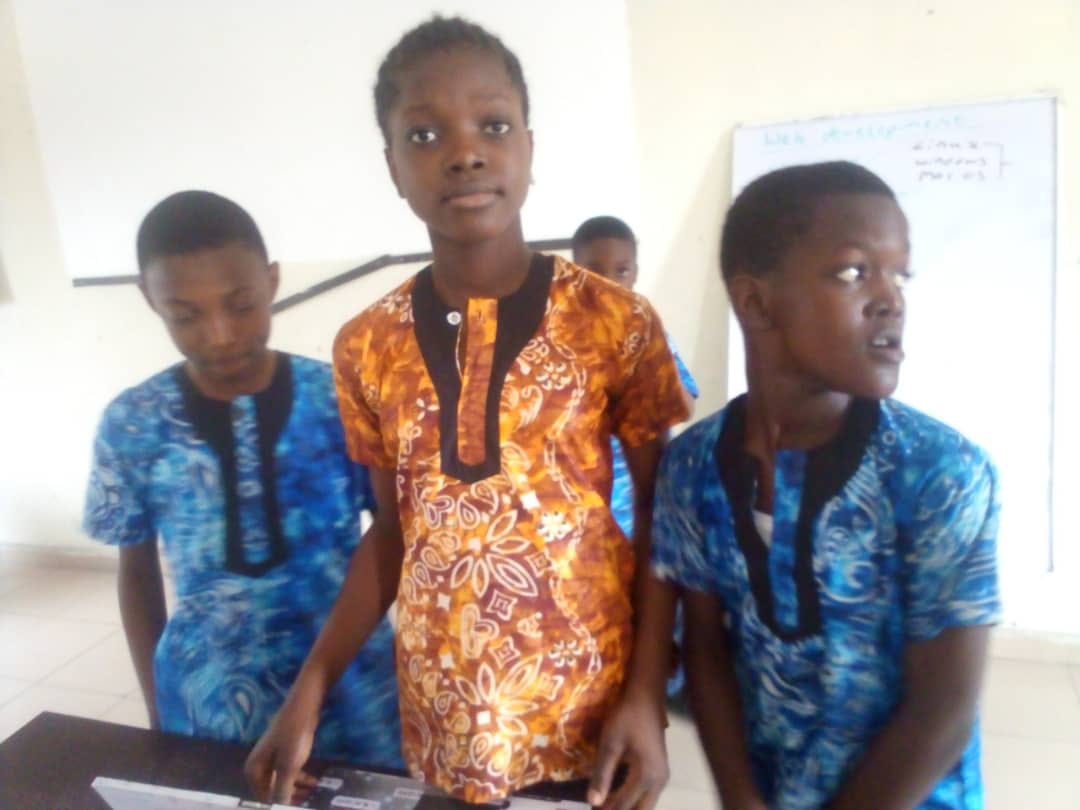
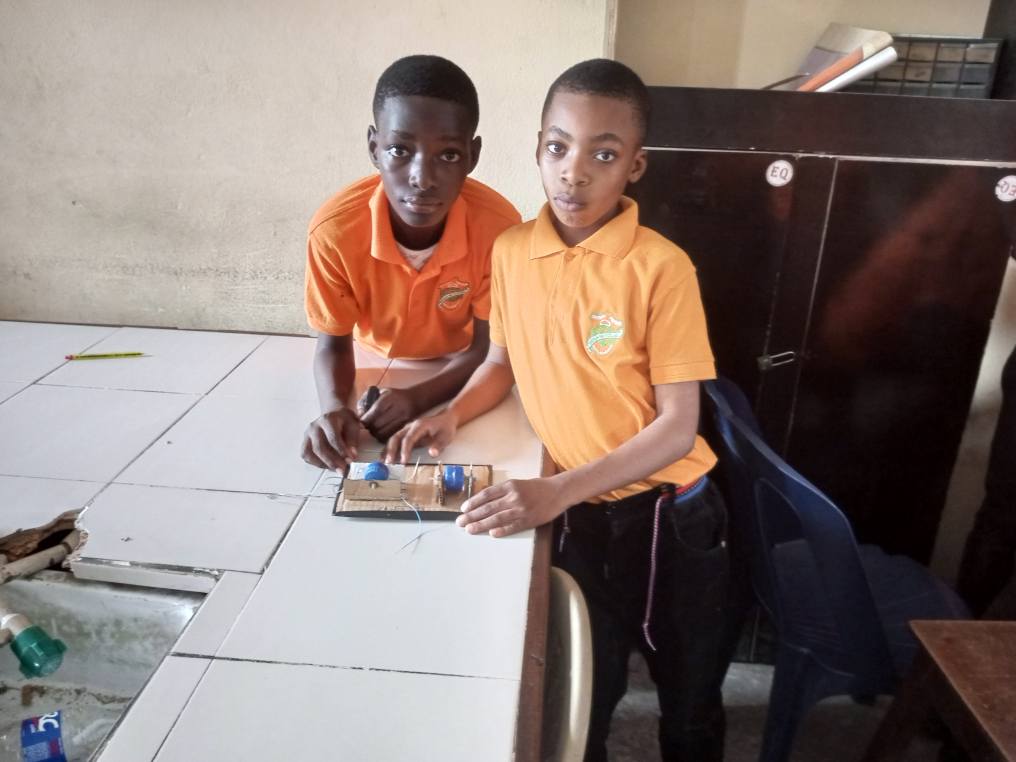
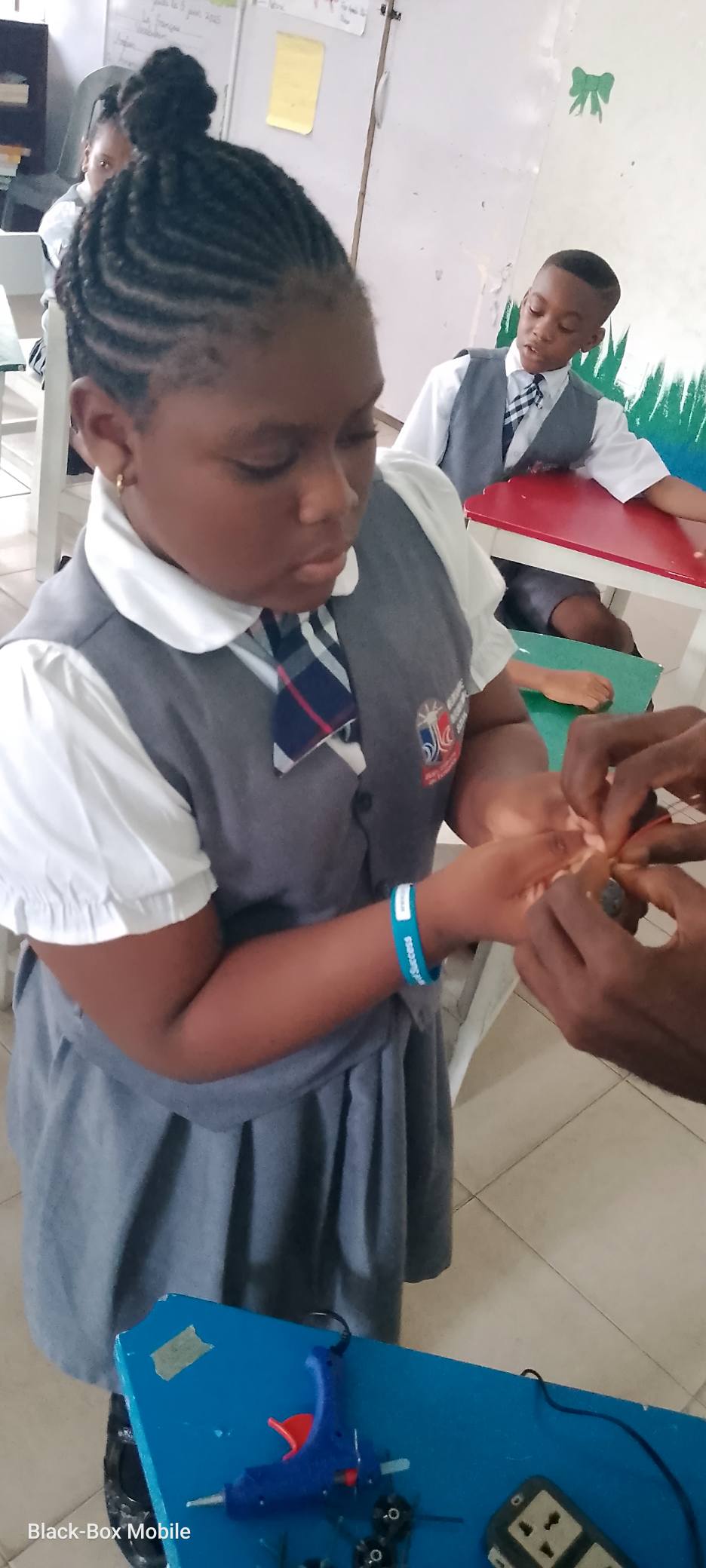
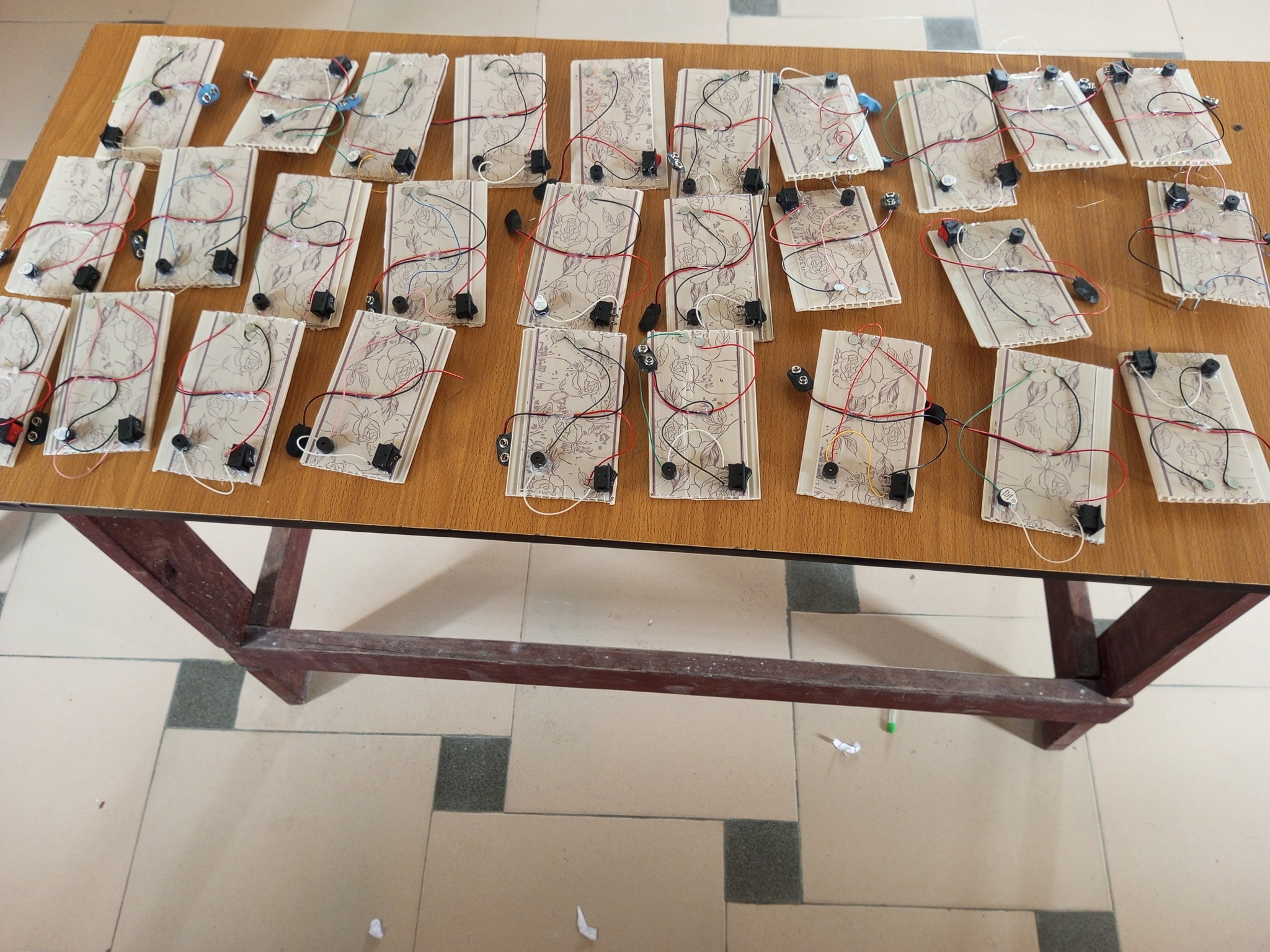
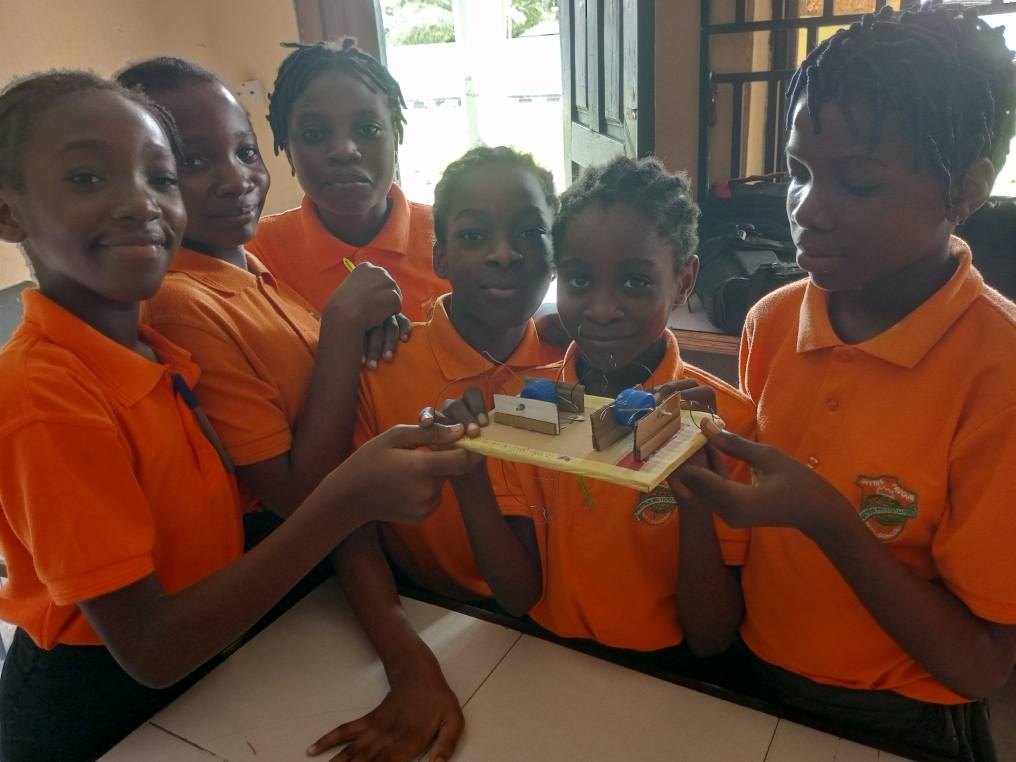
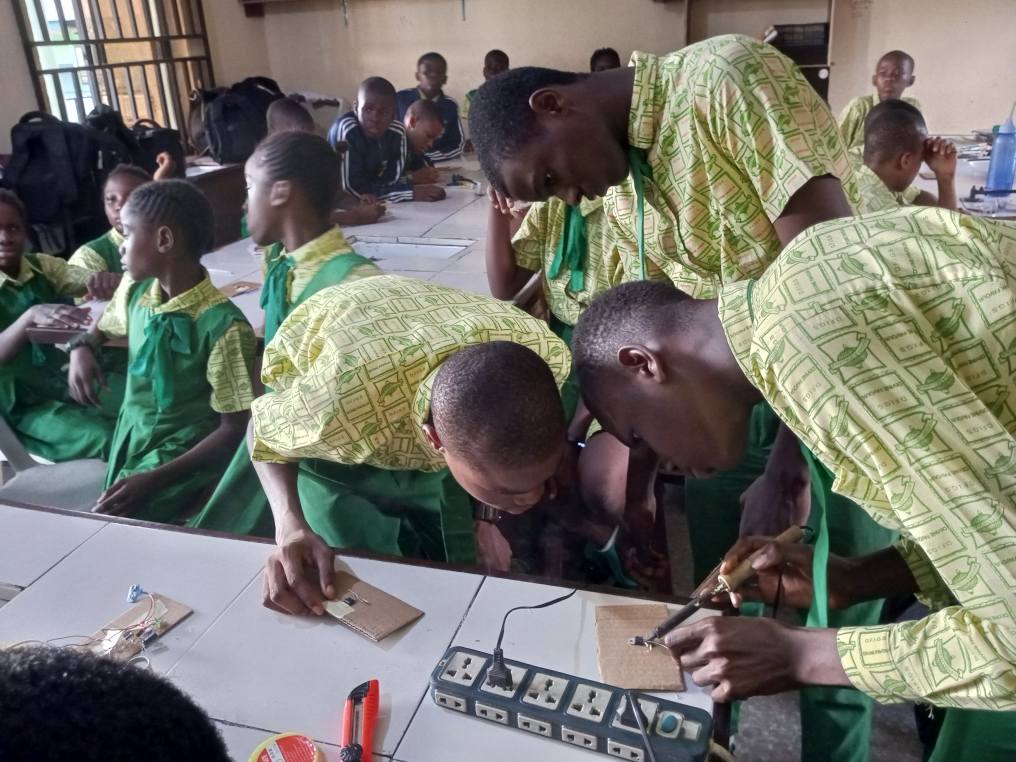
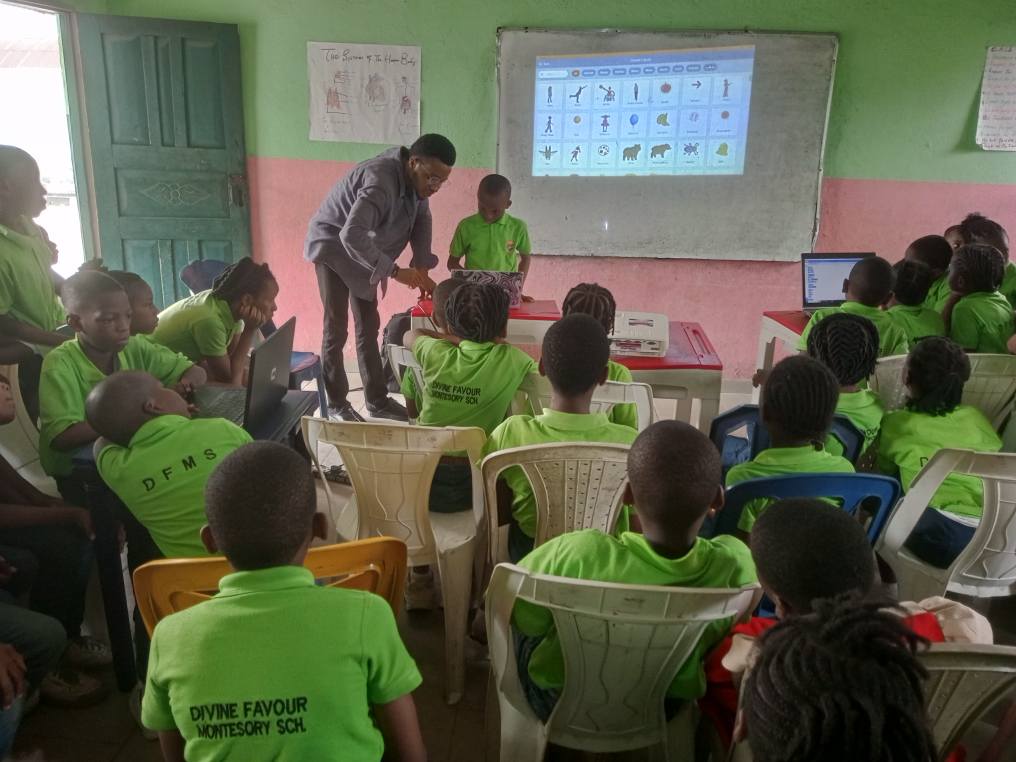
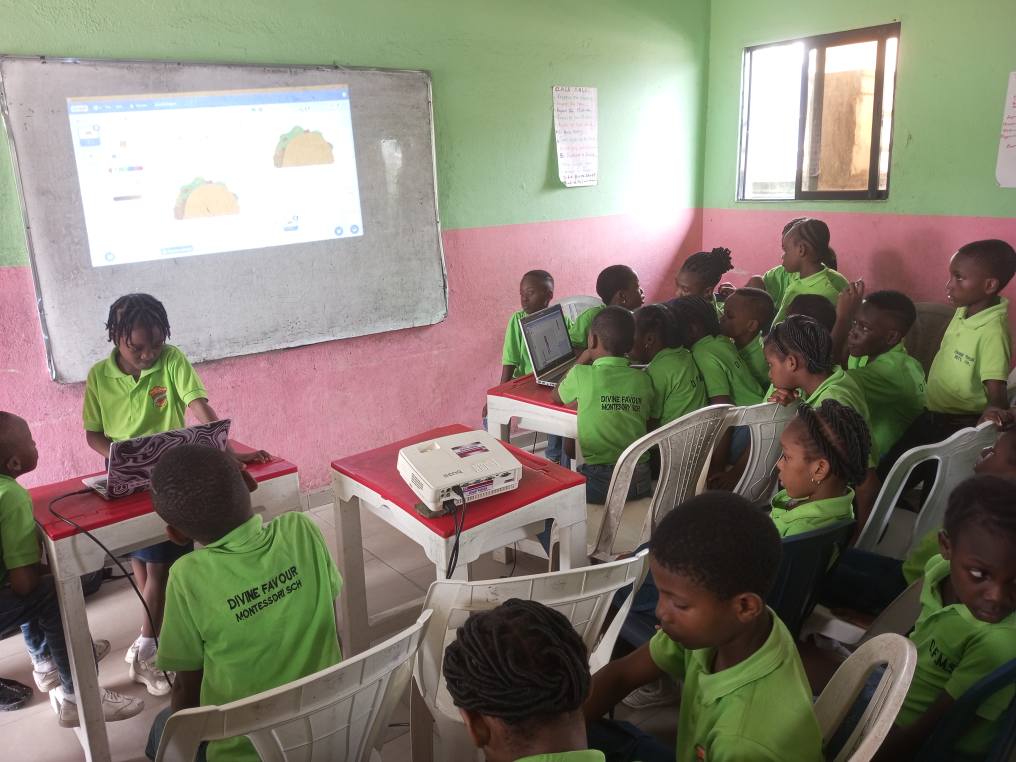
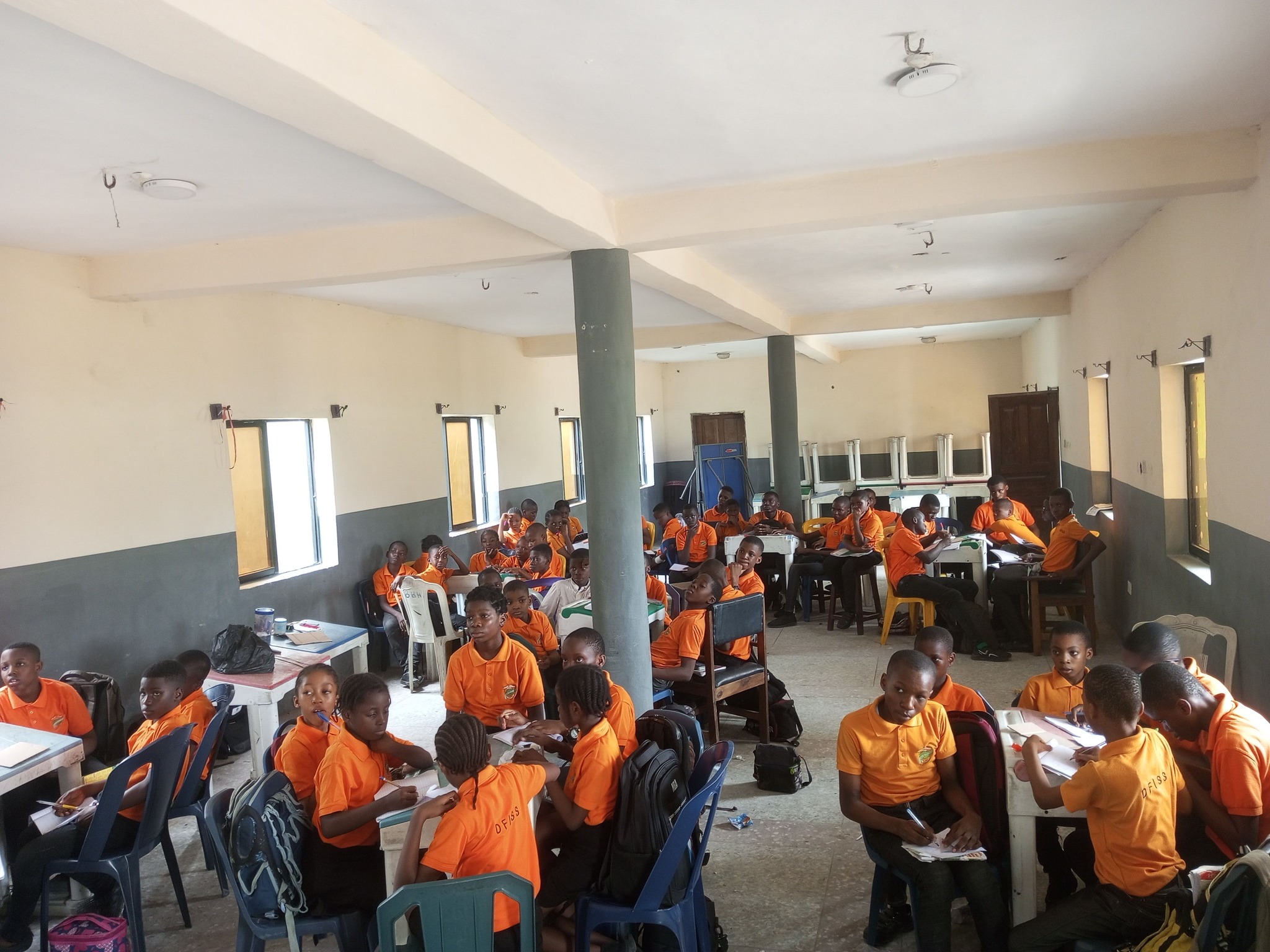
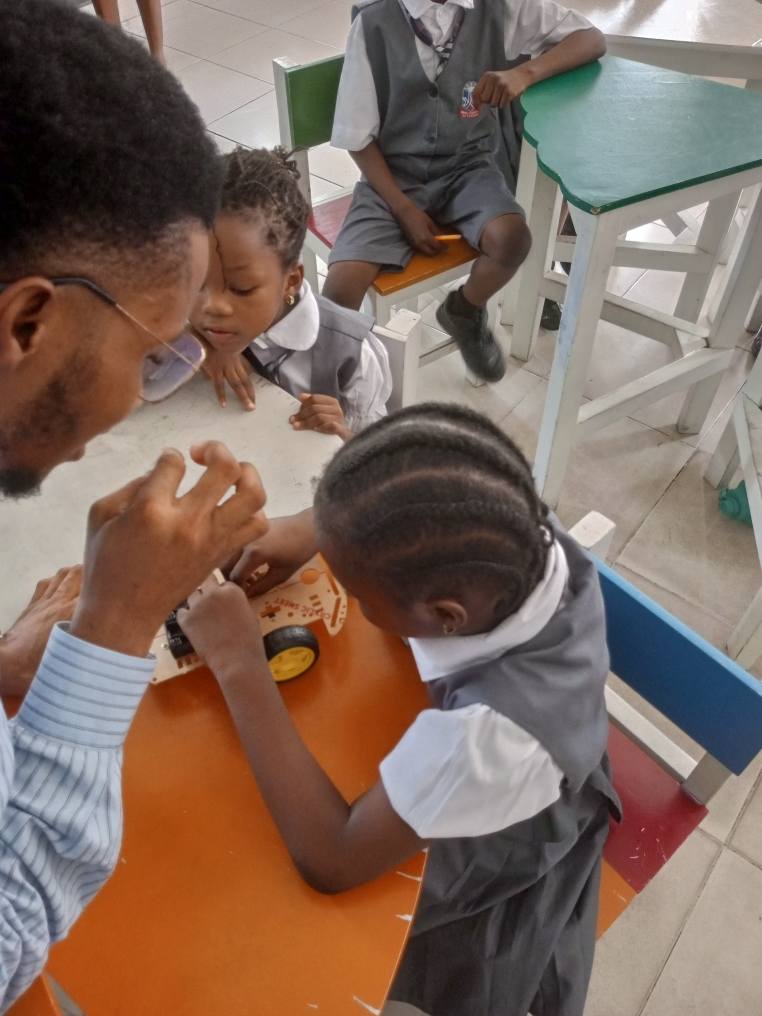
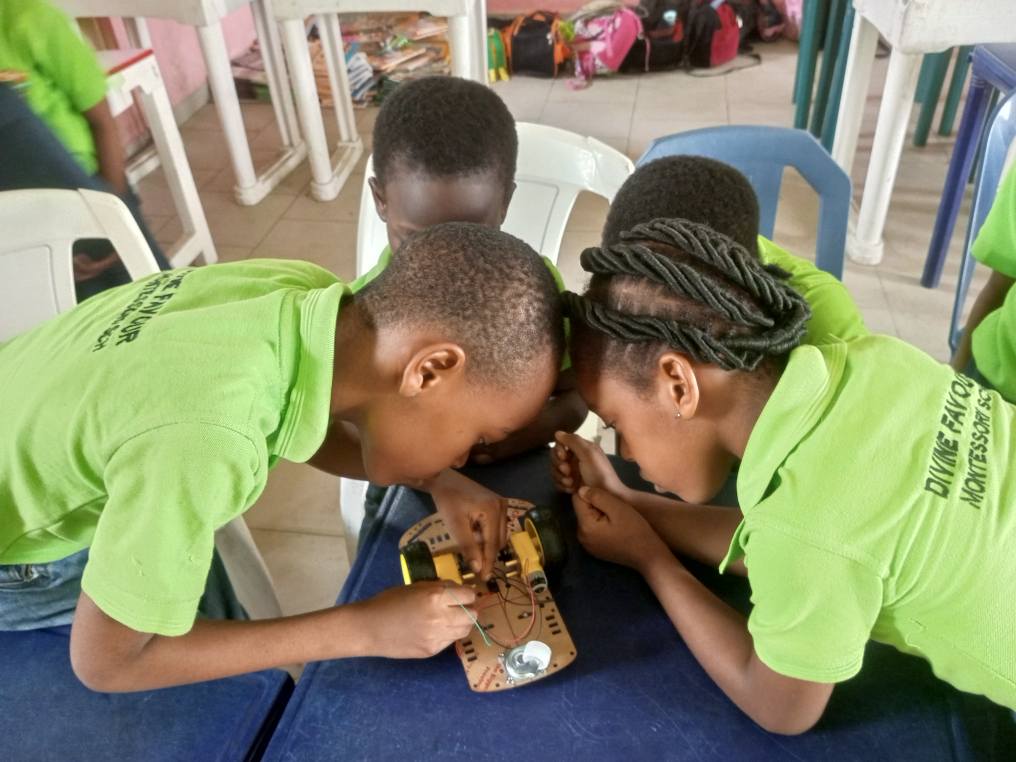
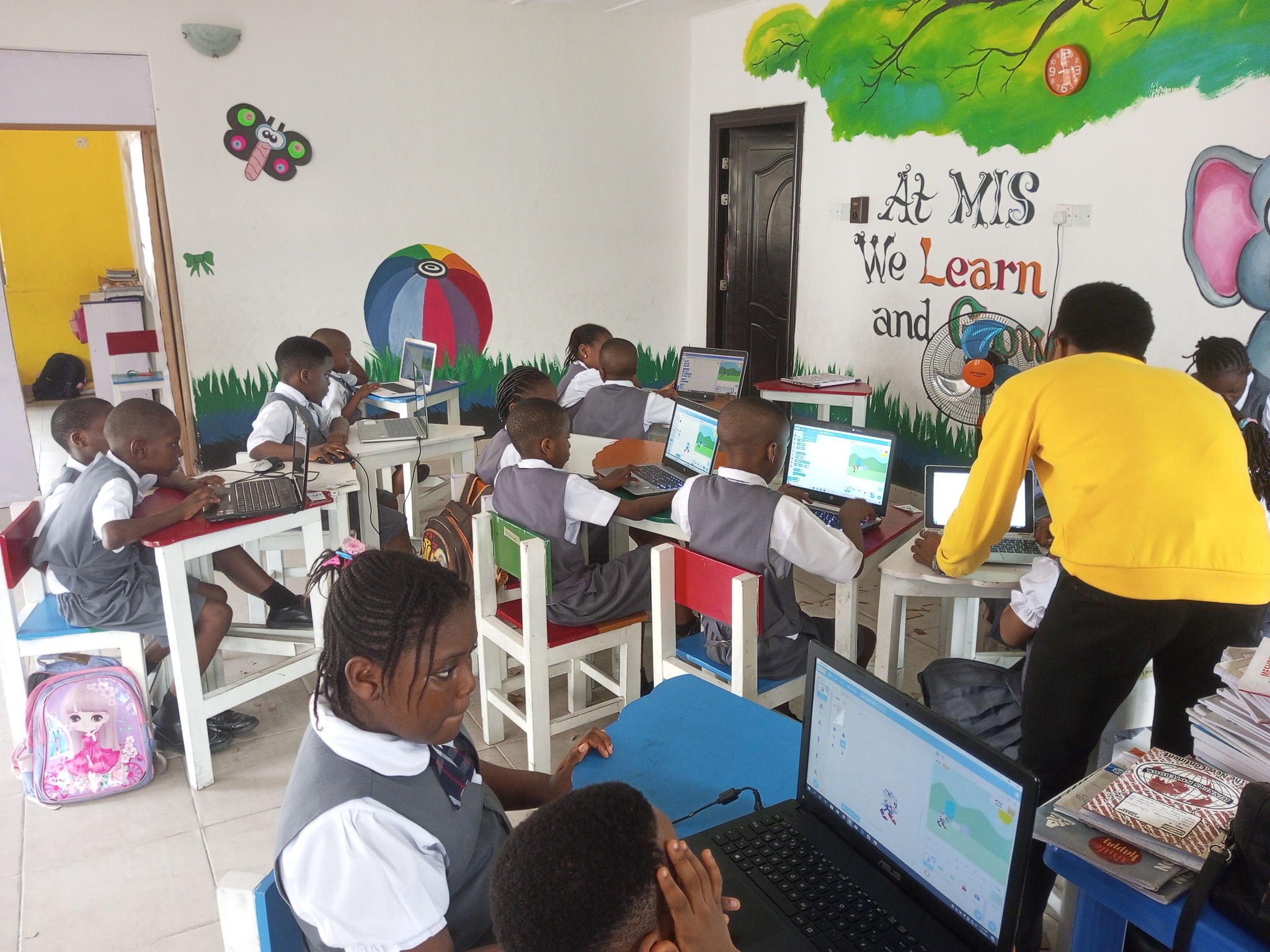
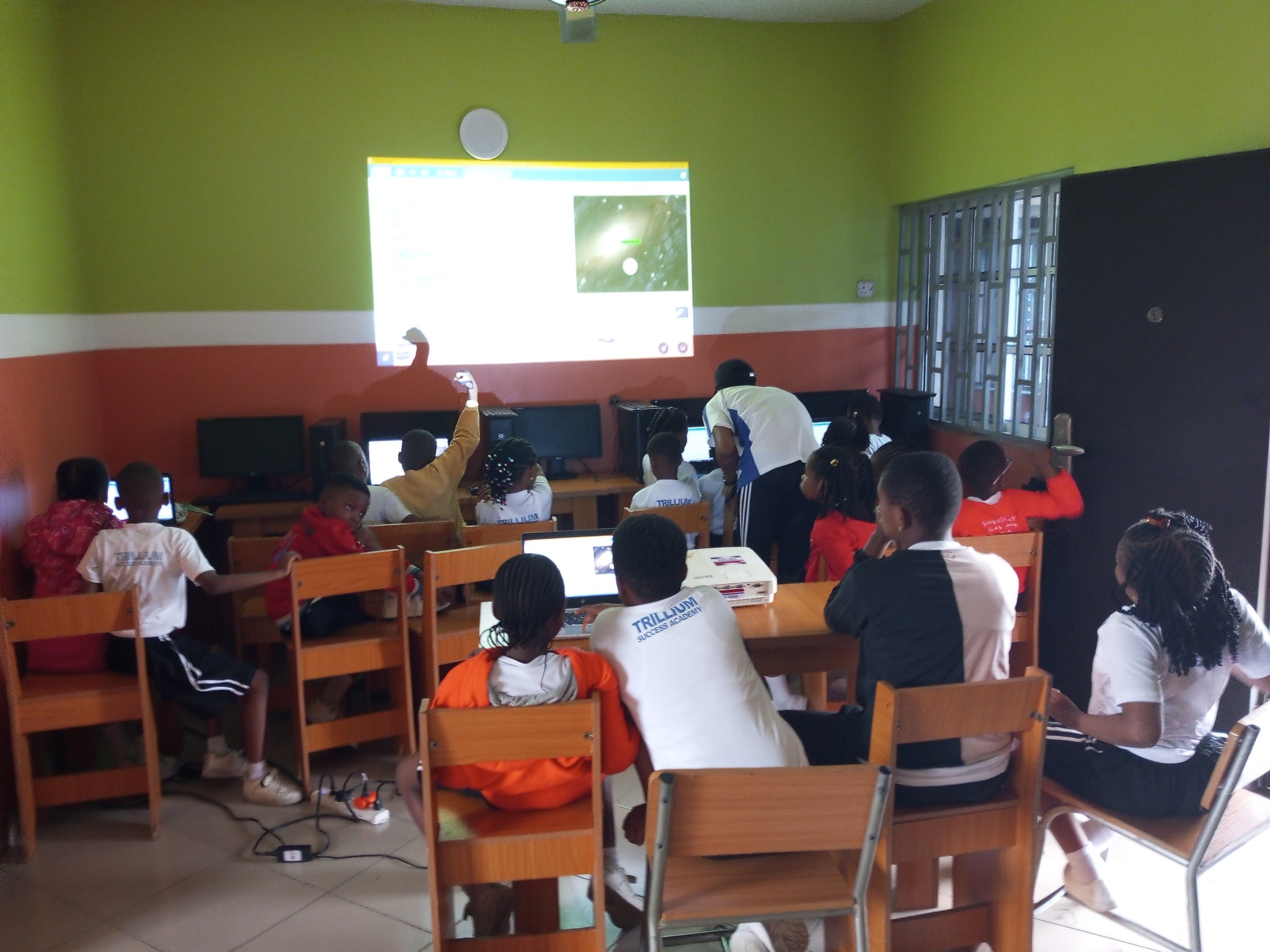
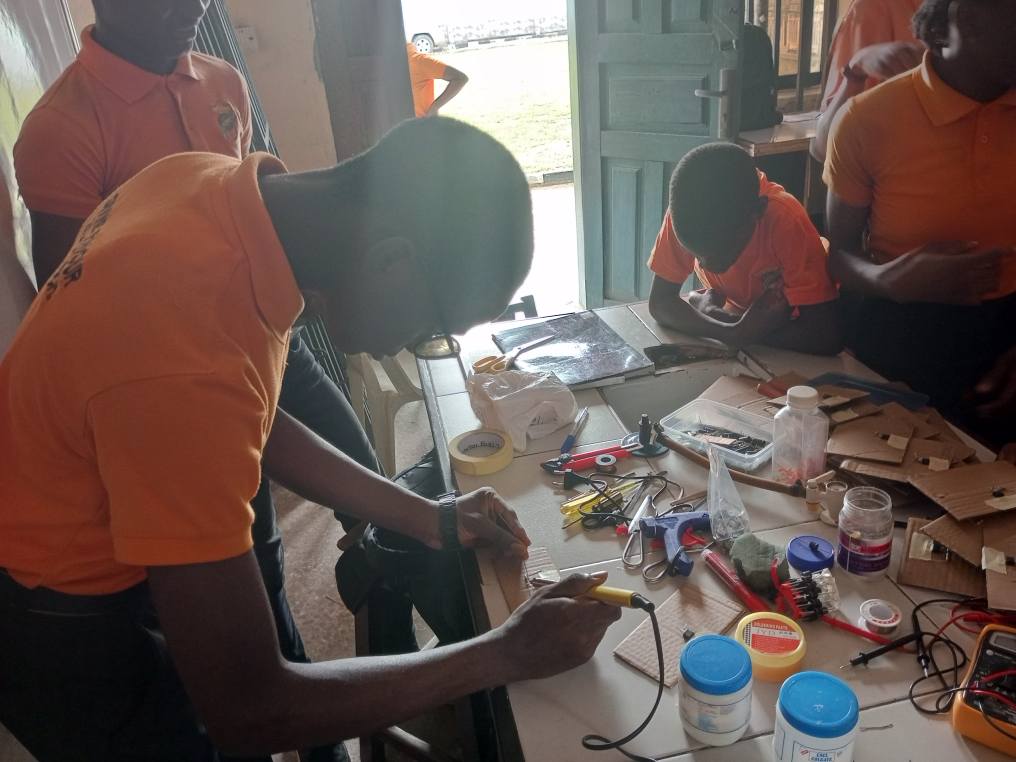
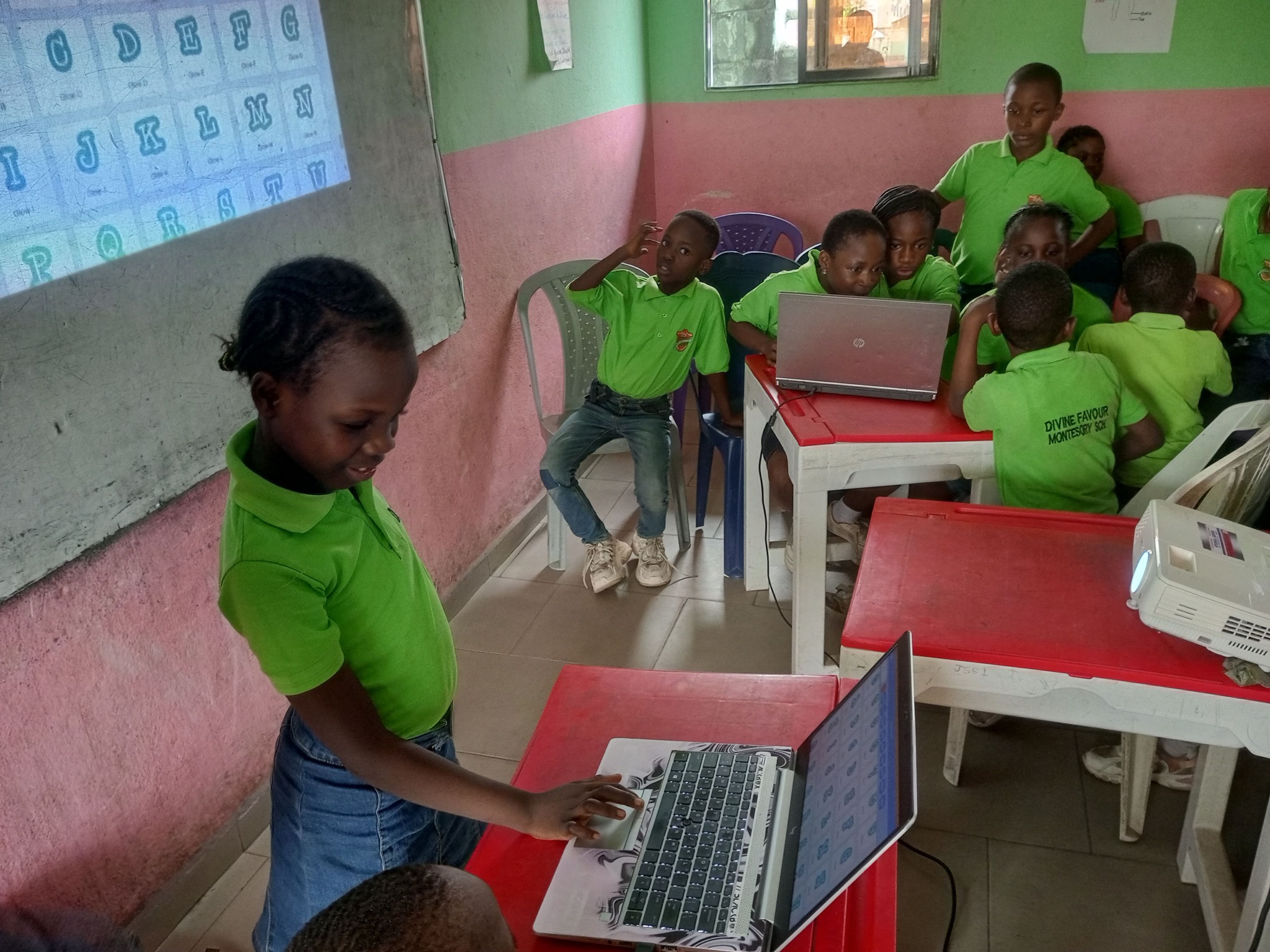
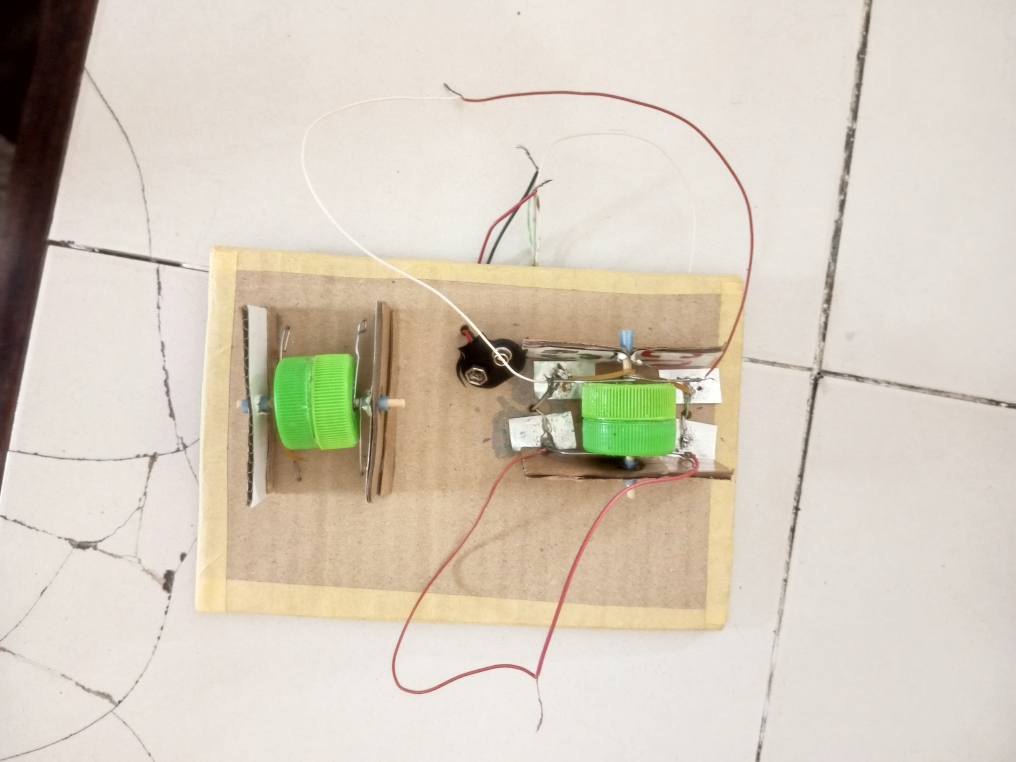
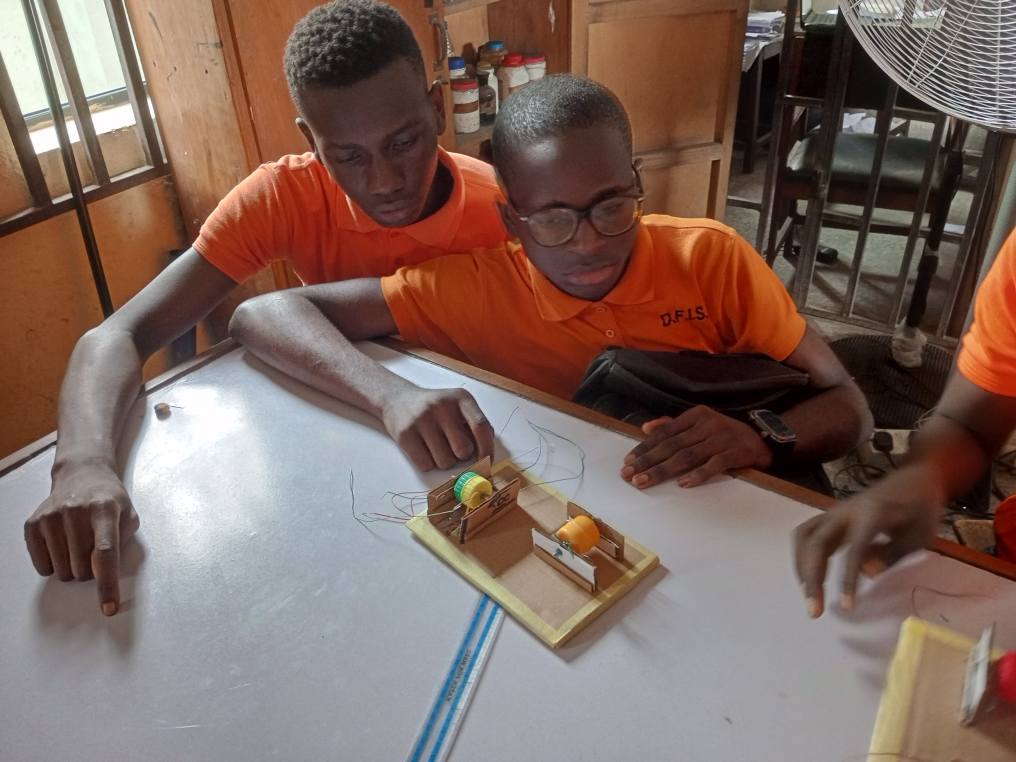
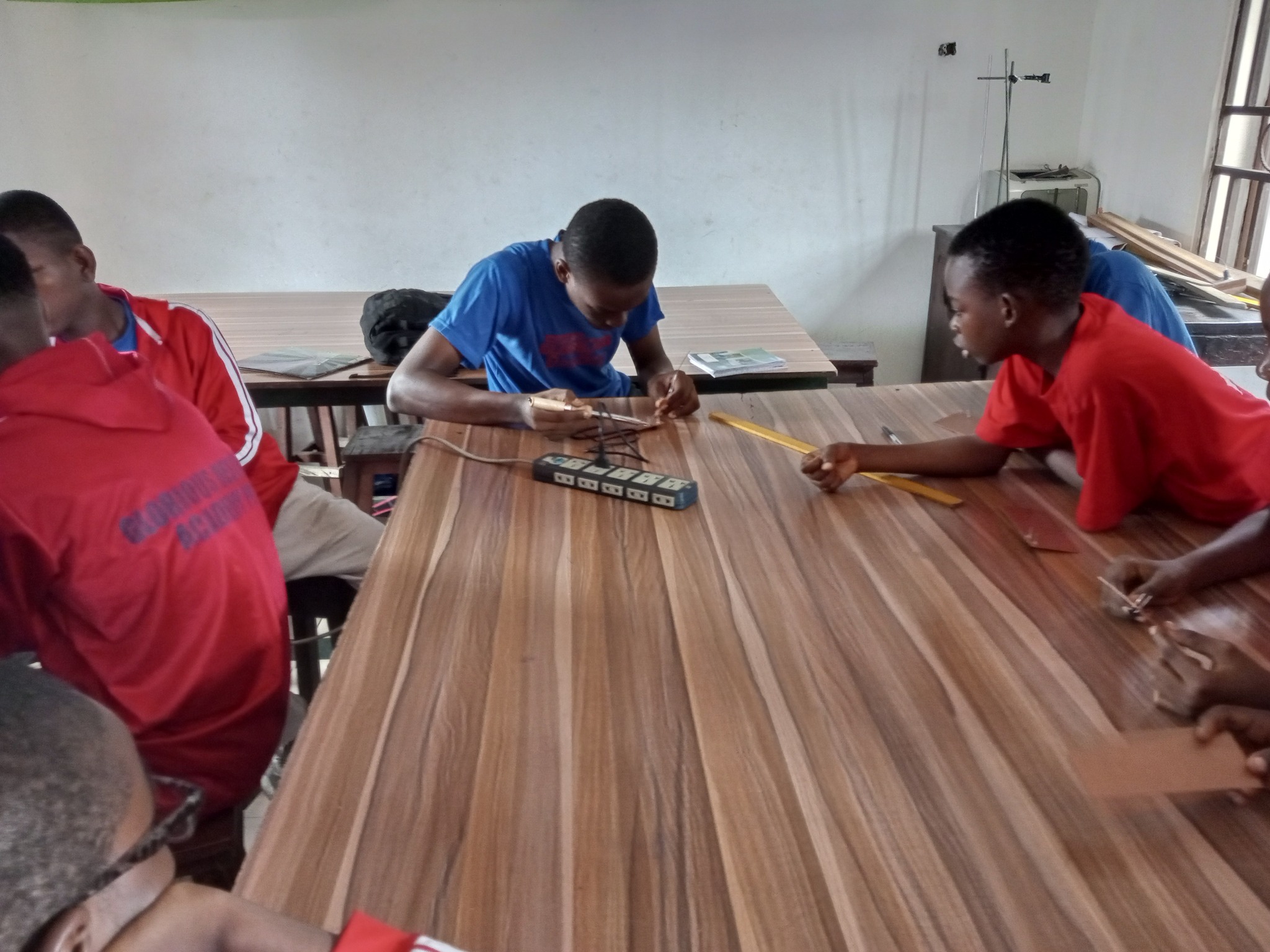
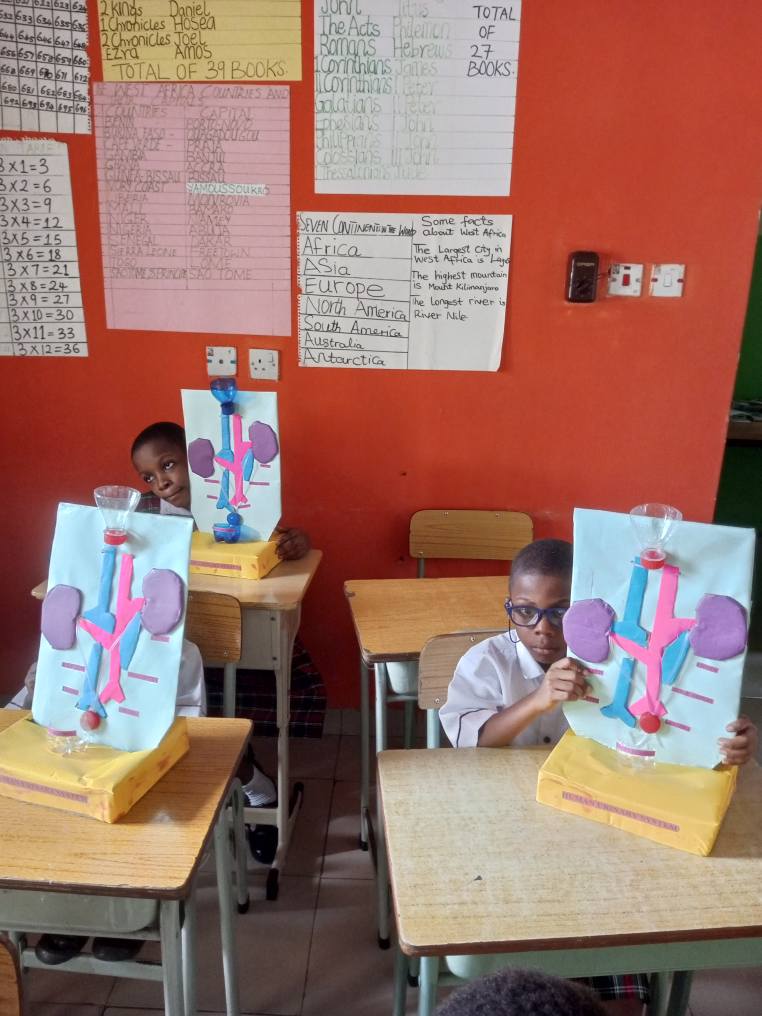
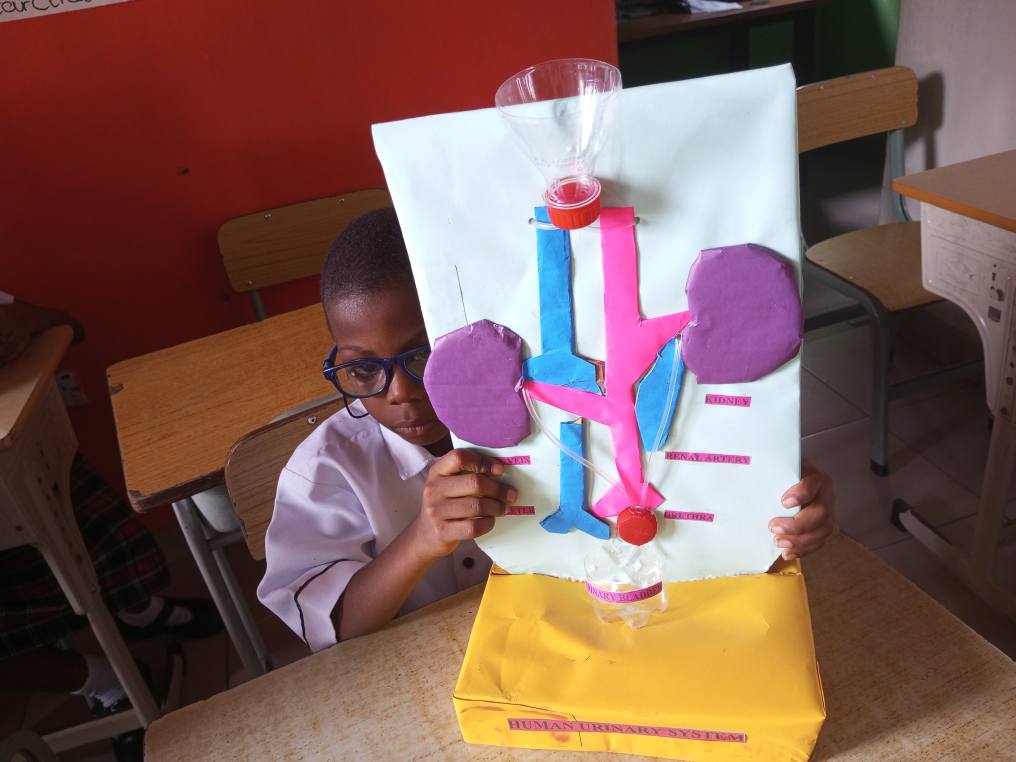
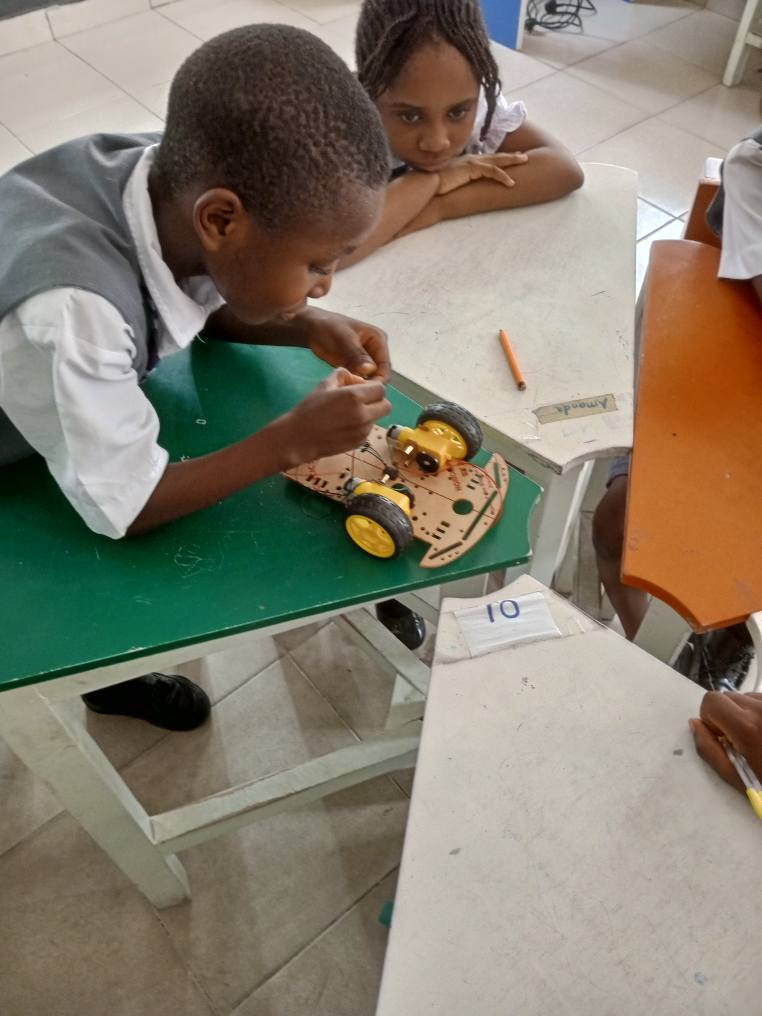
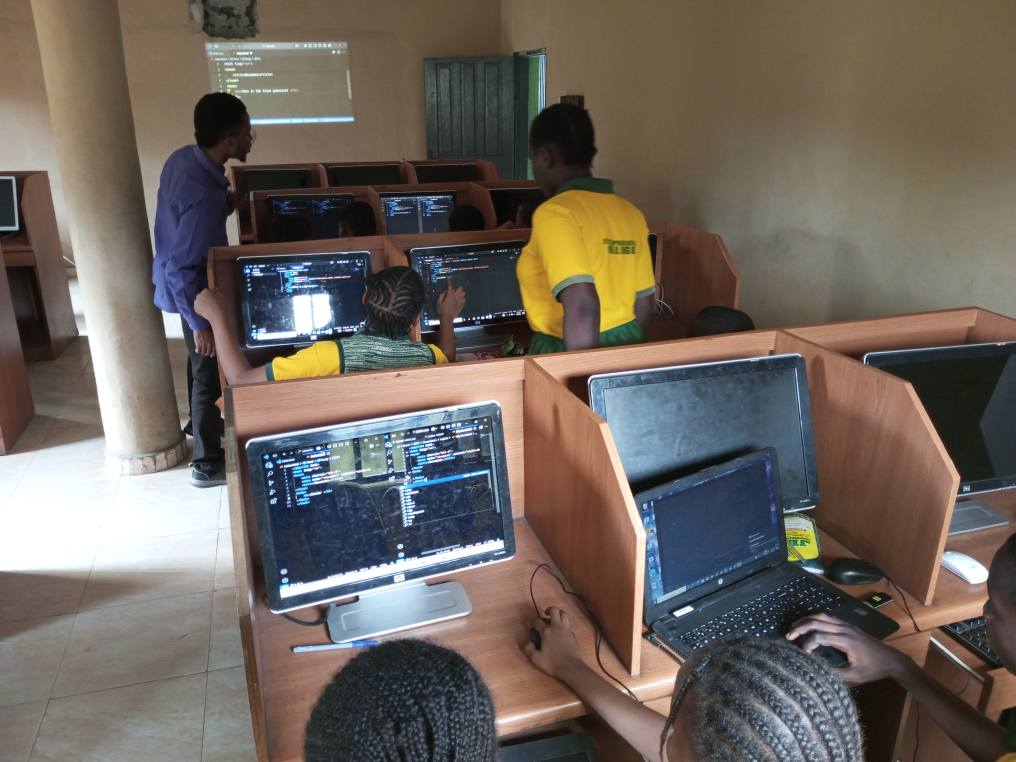
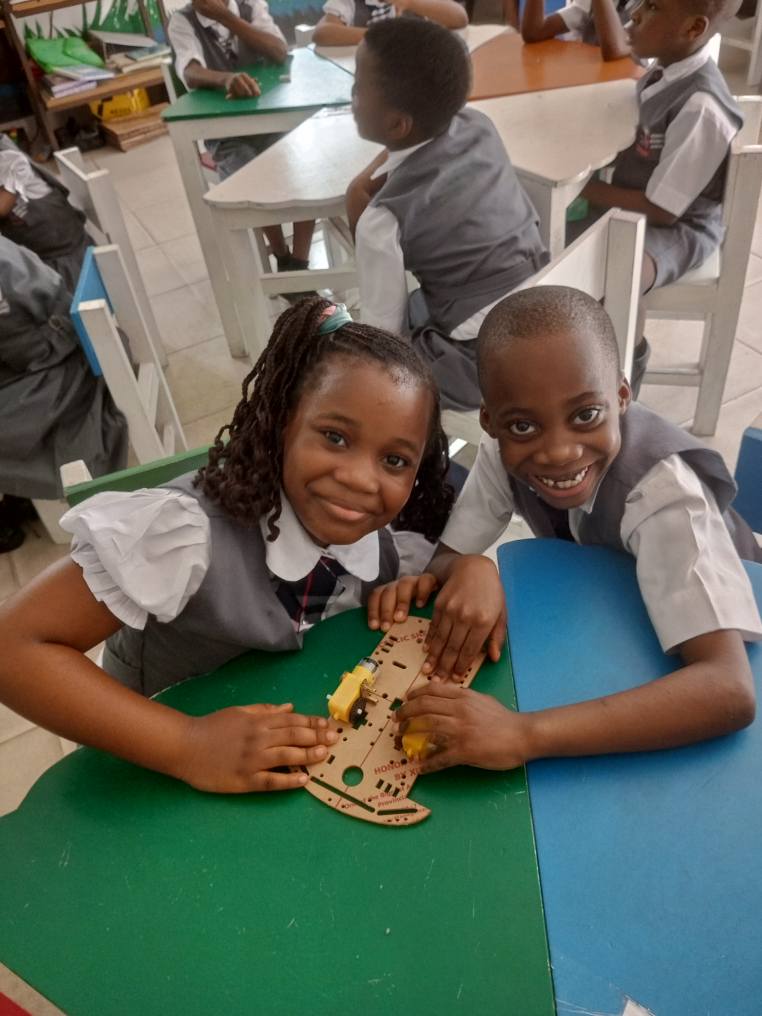
Our Projects
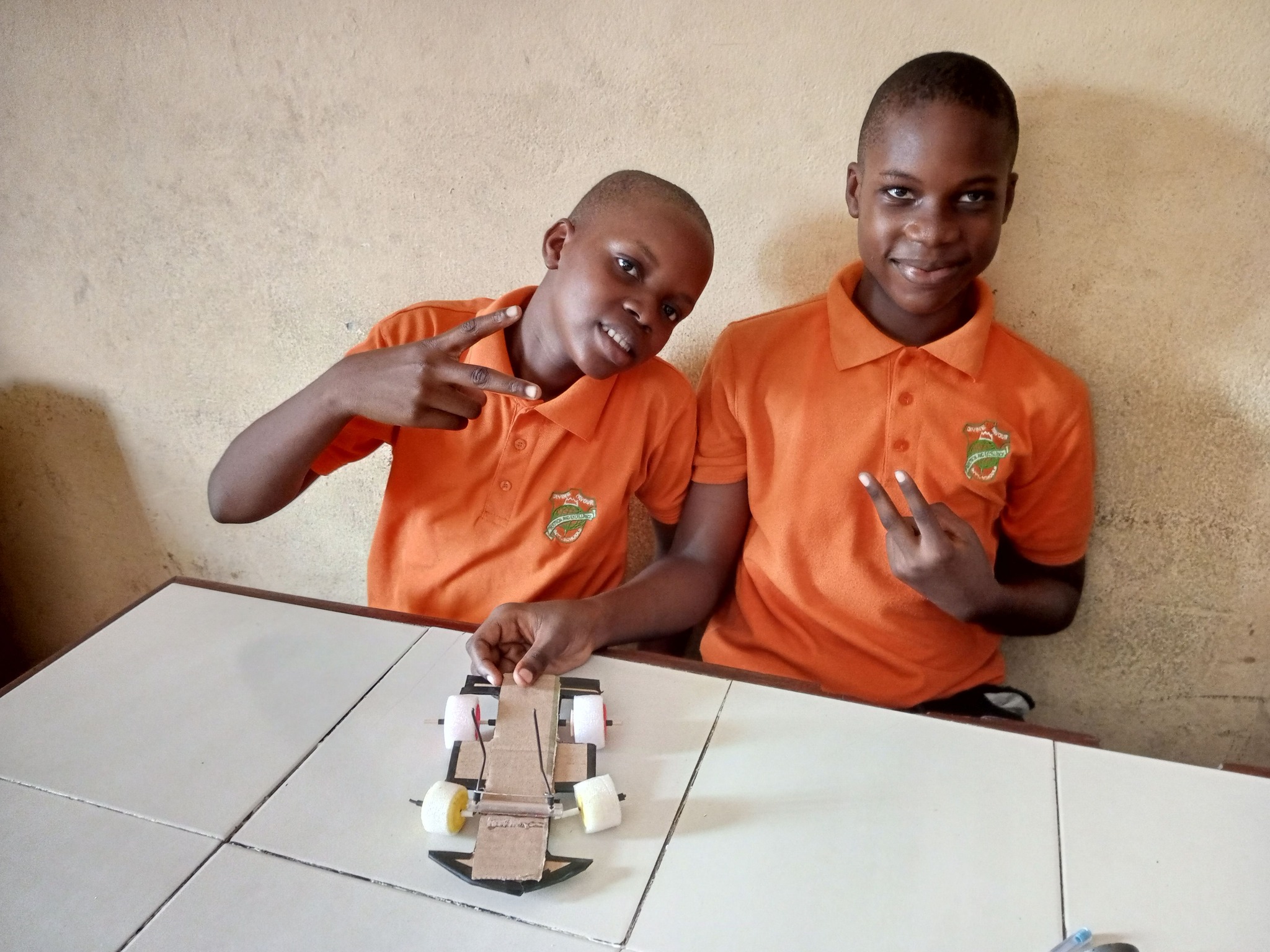
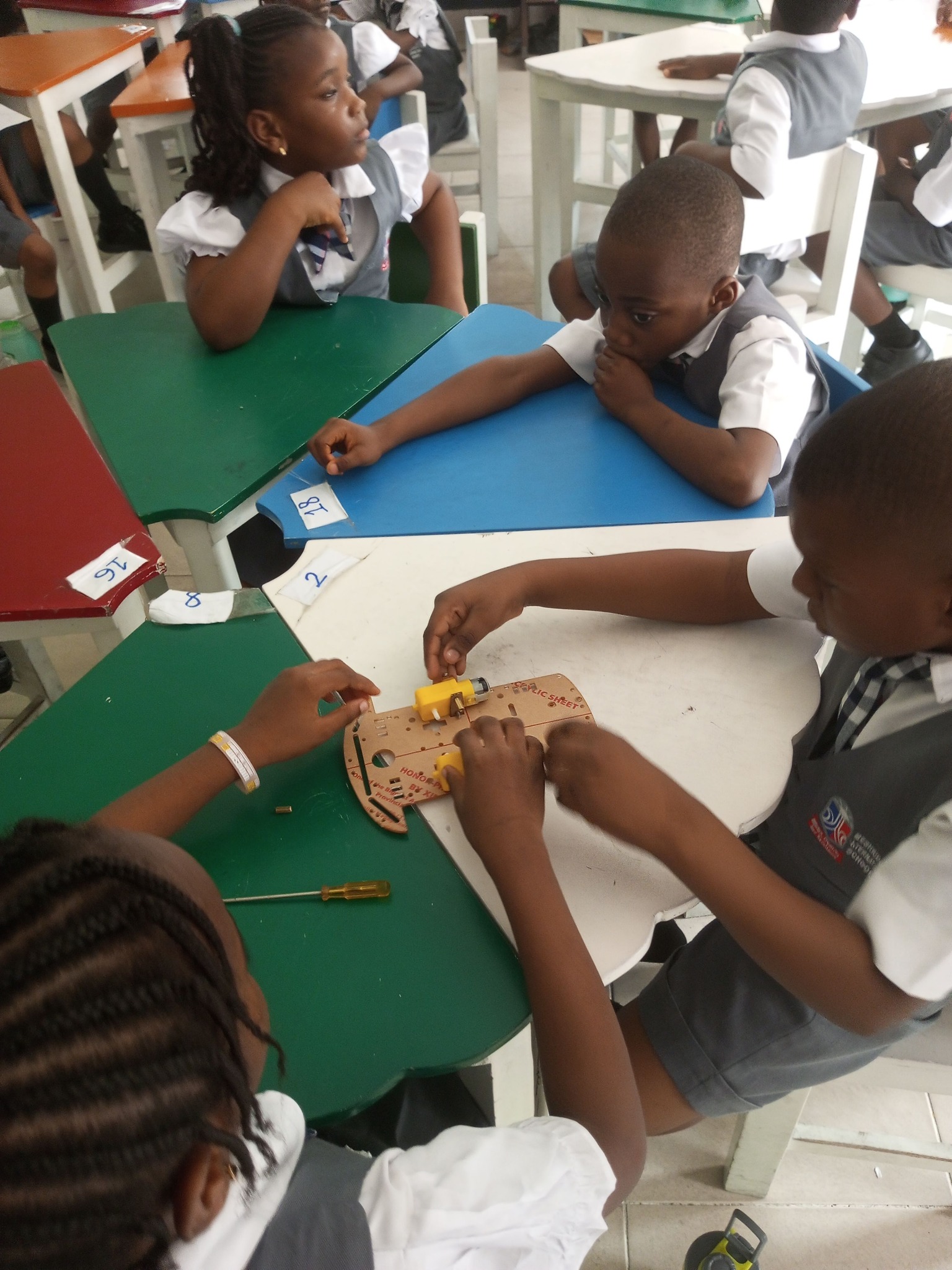
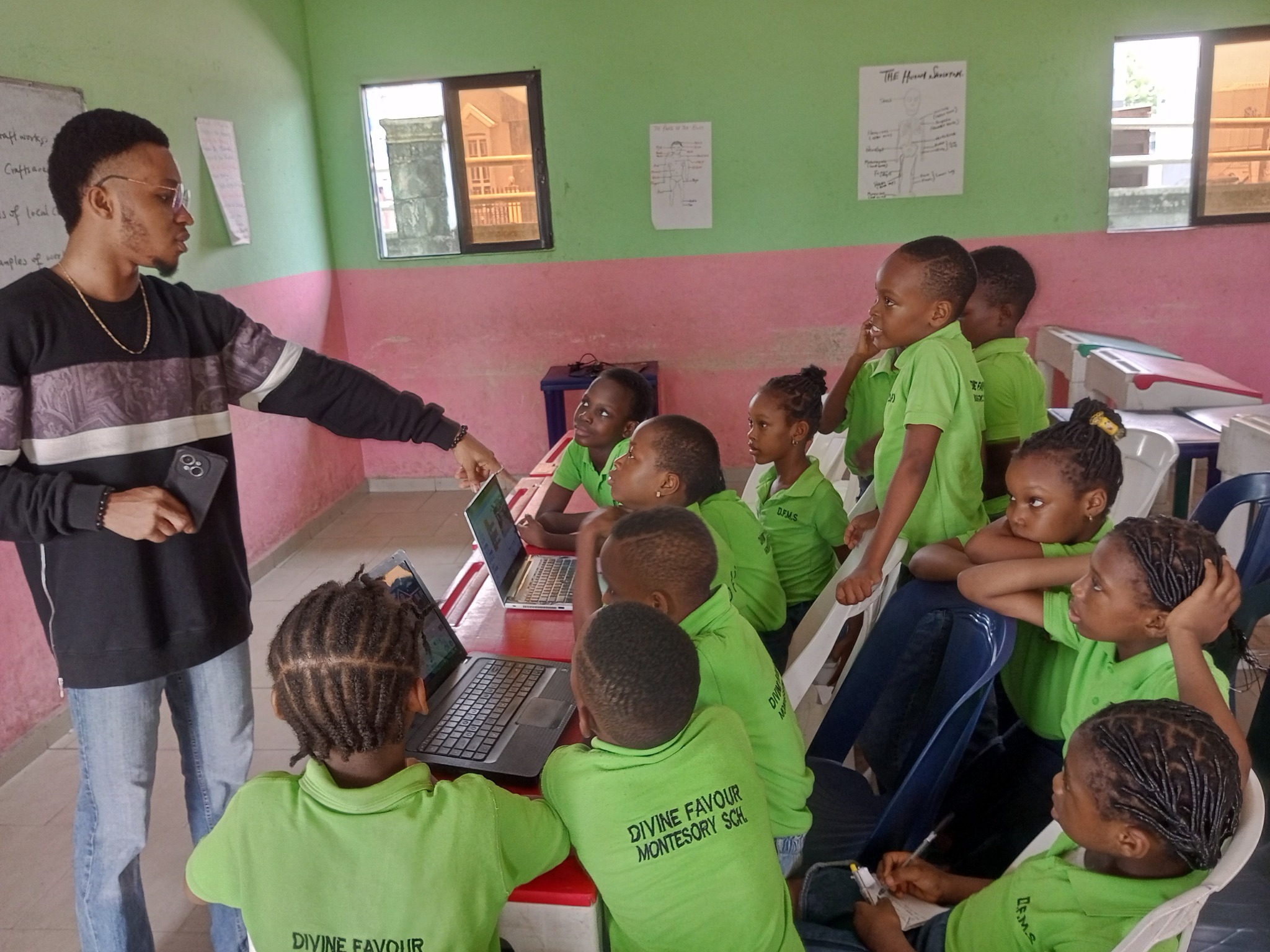
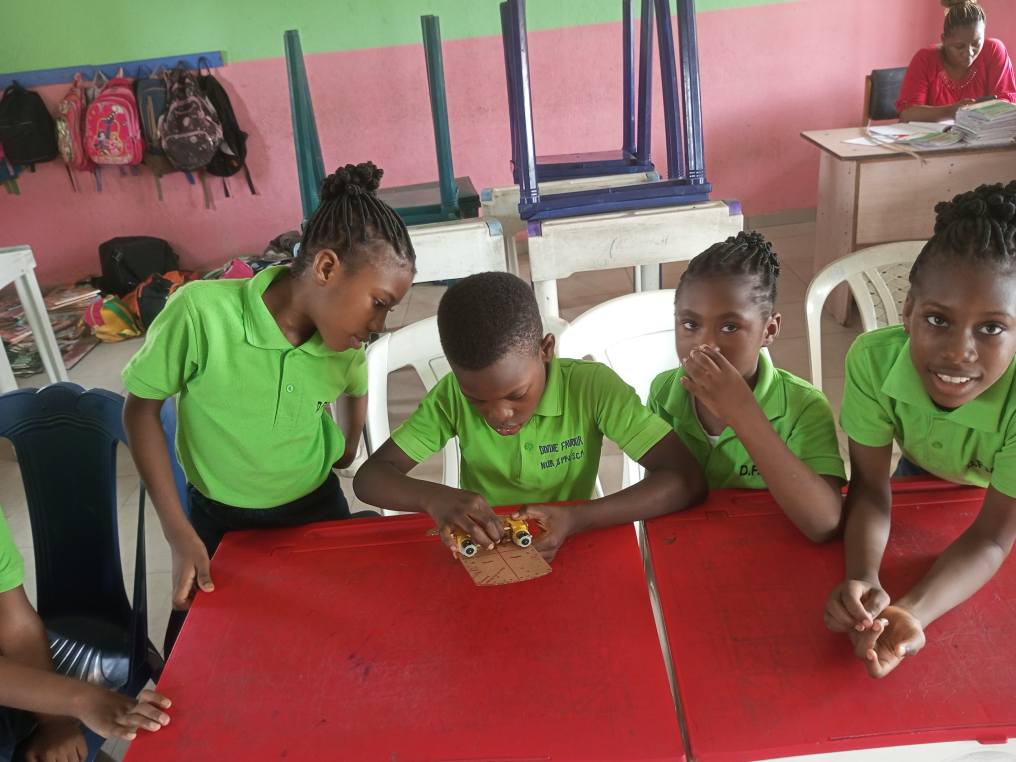
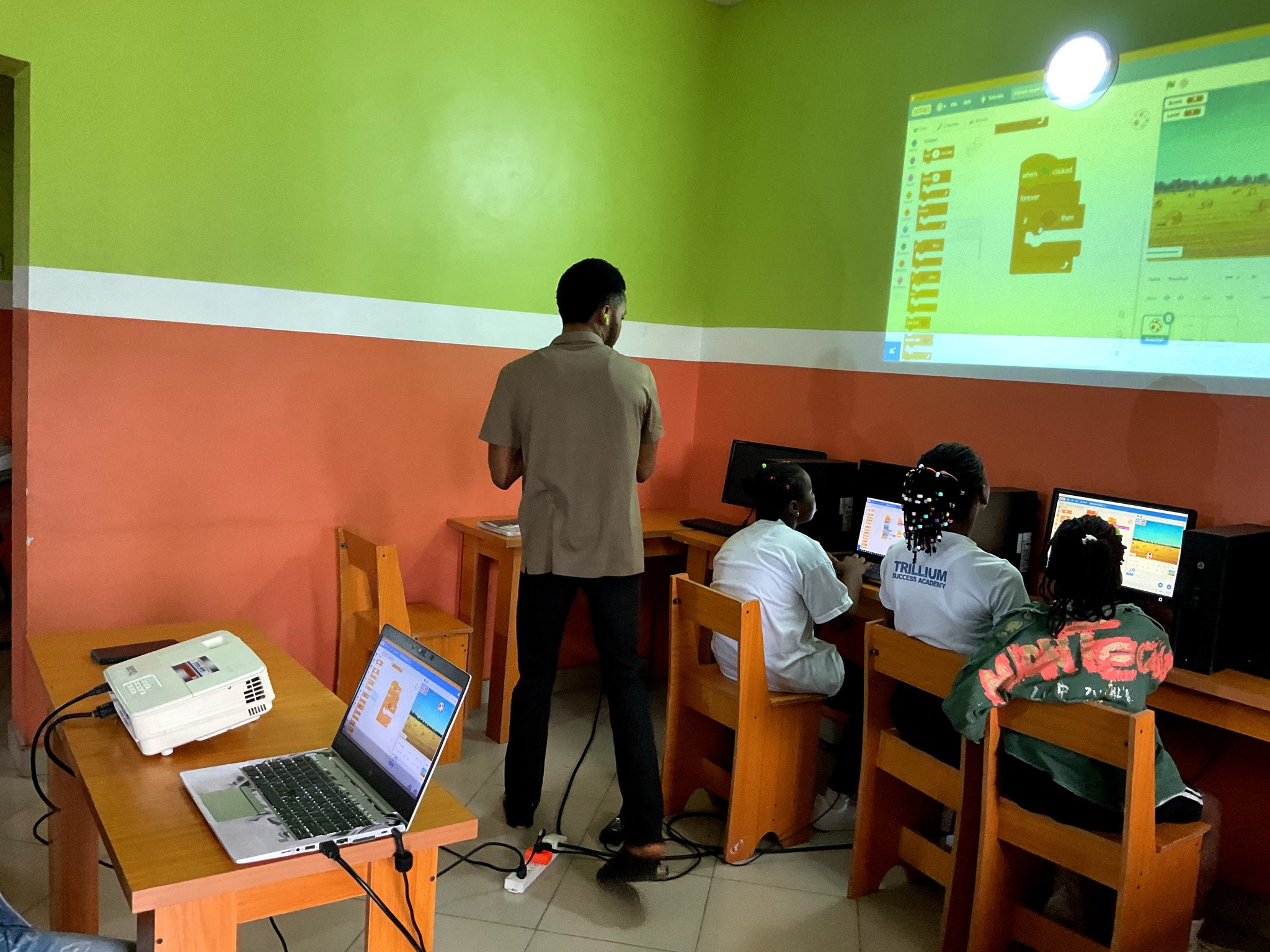
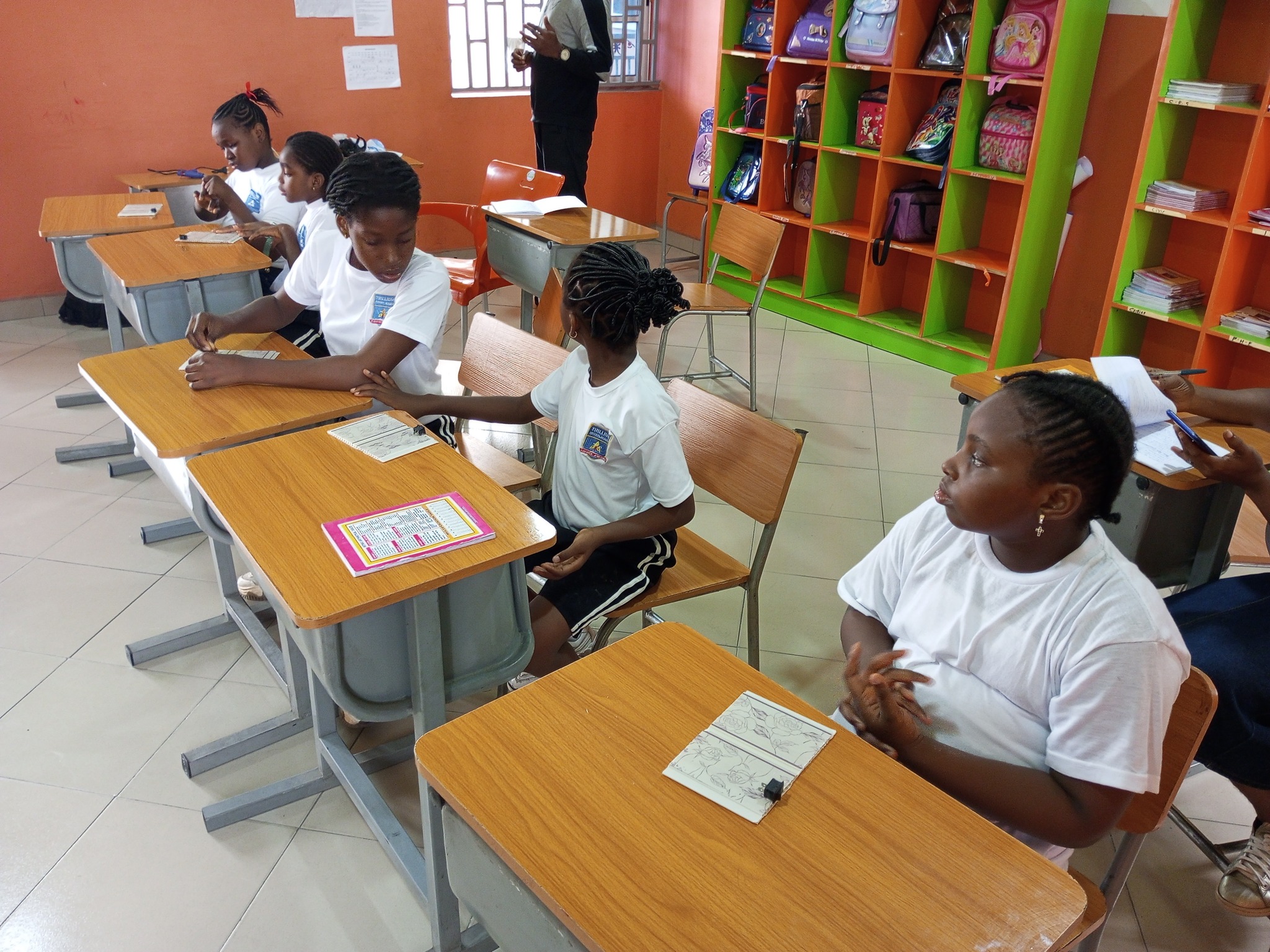
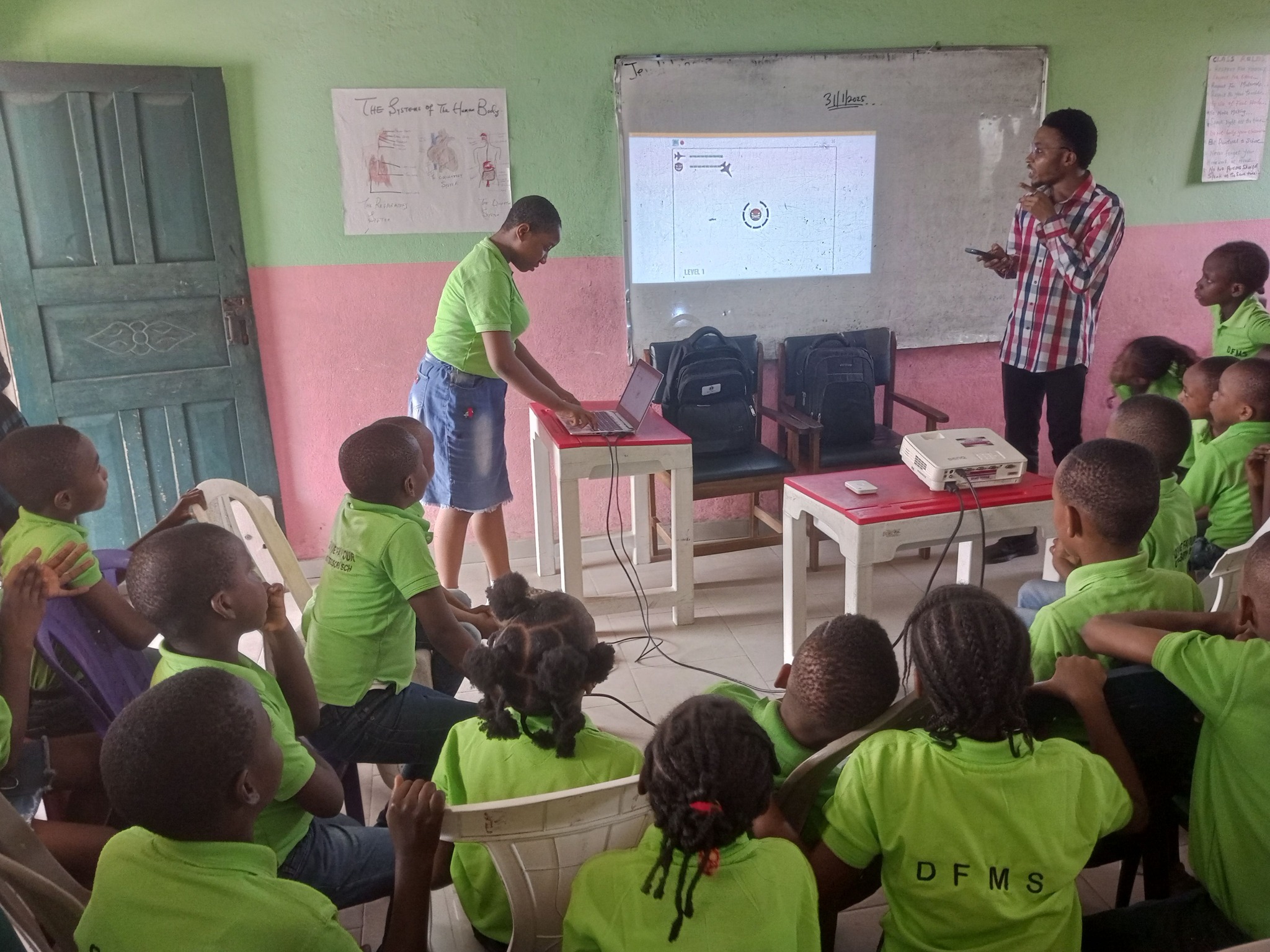
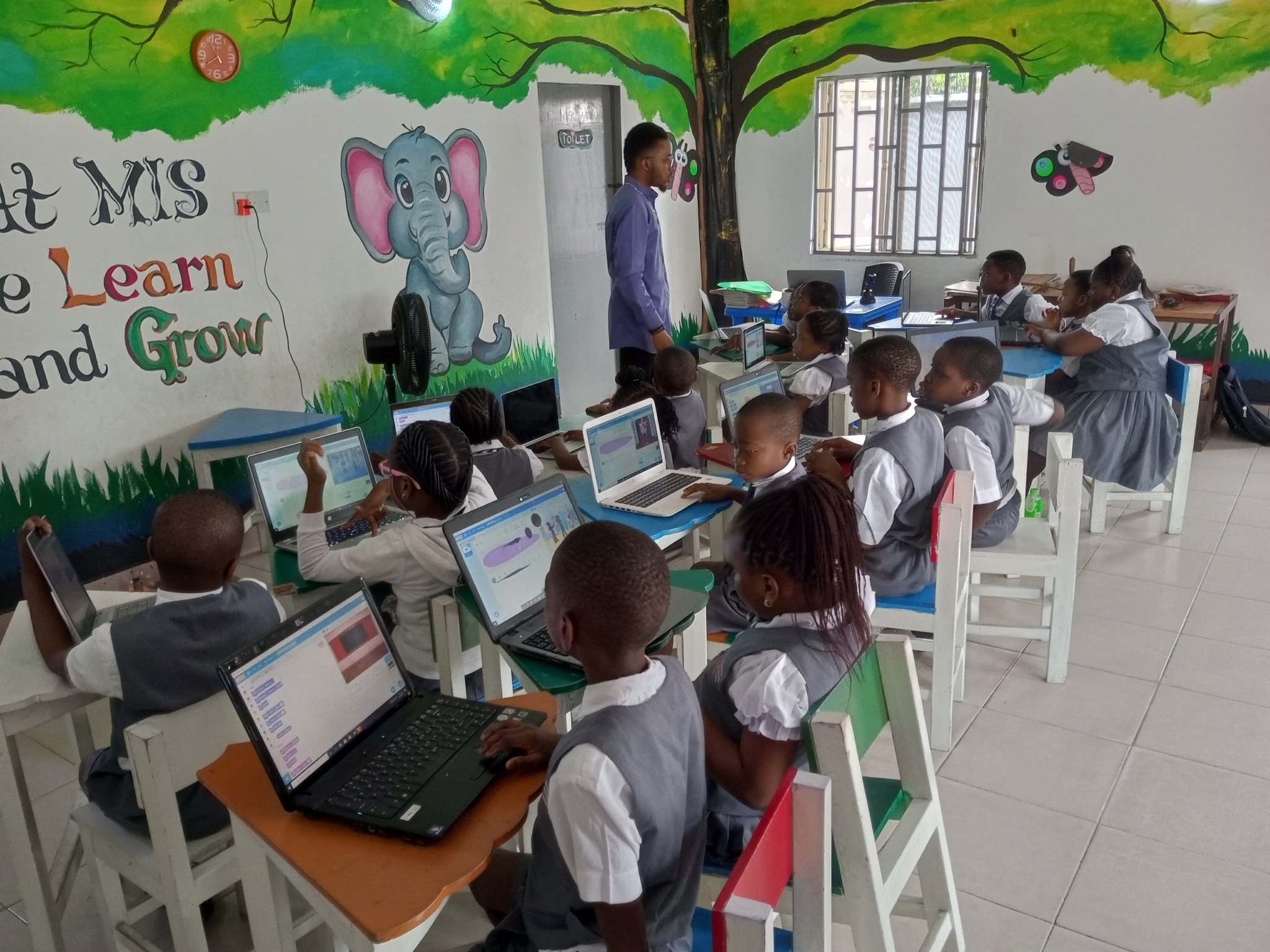
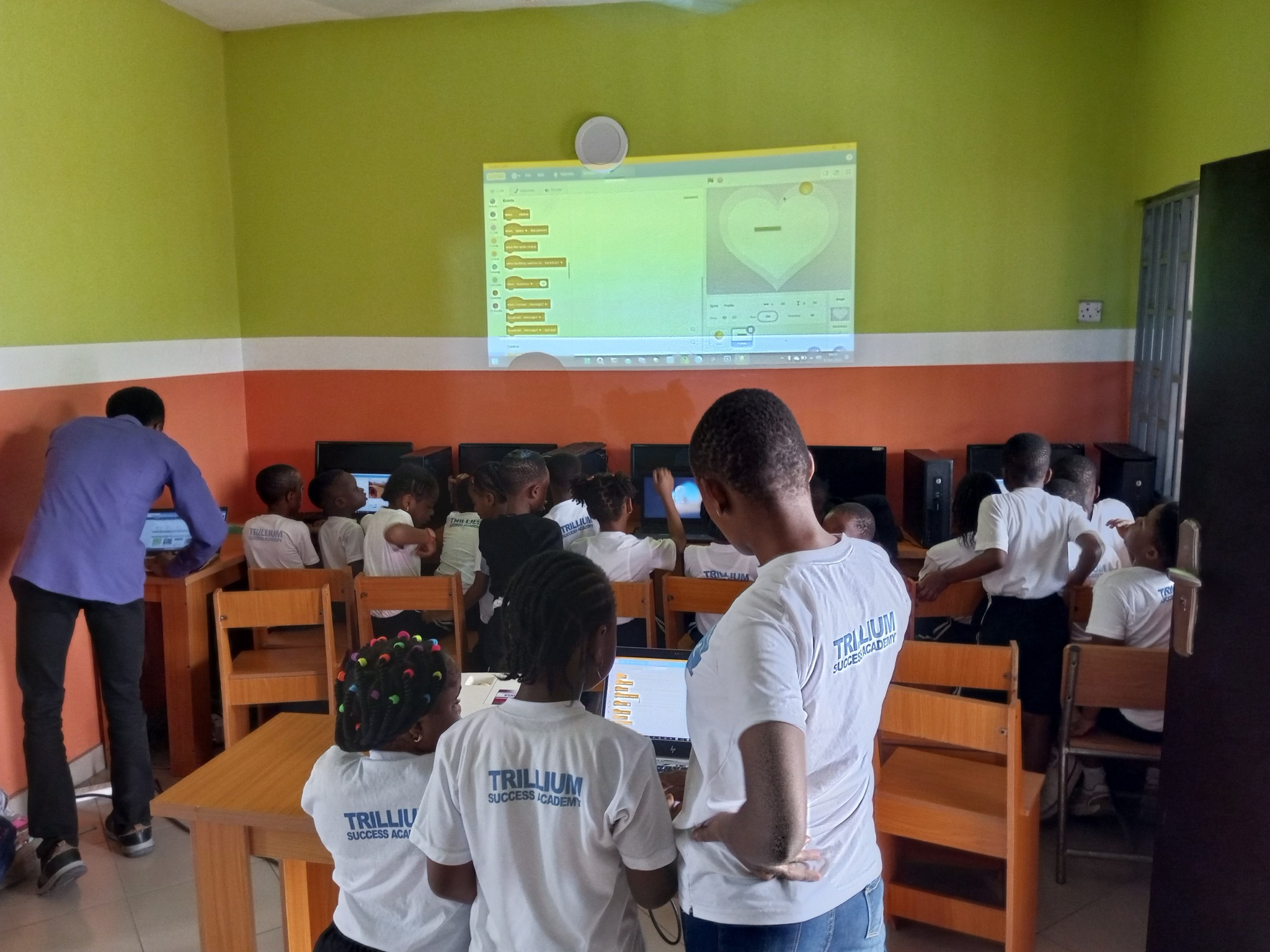
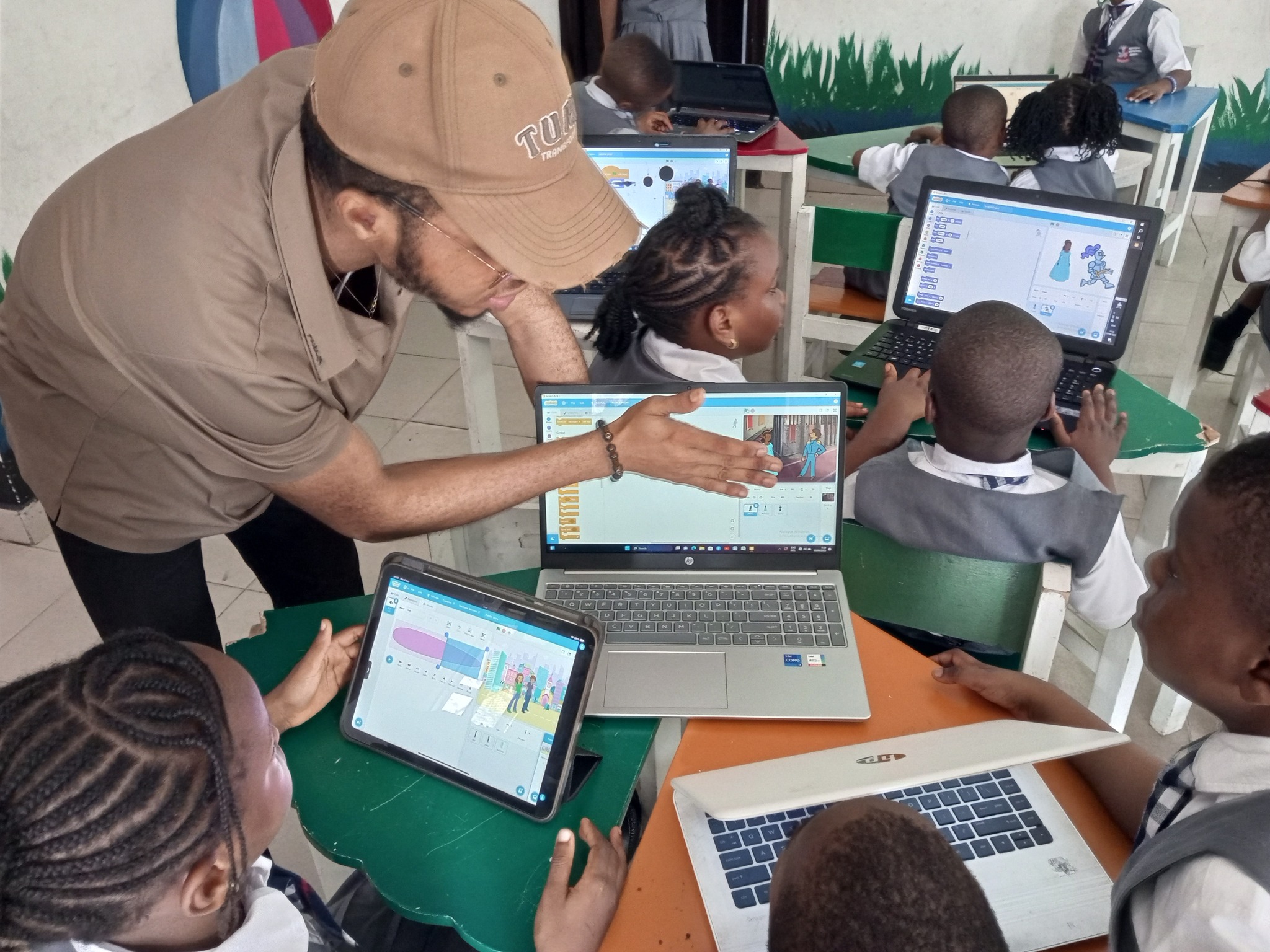
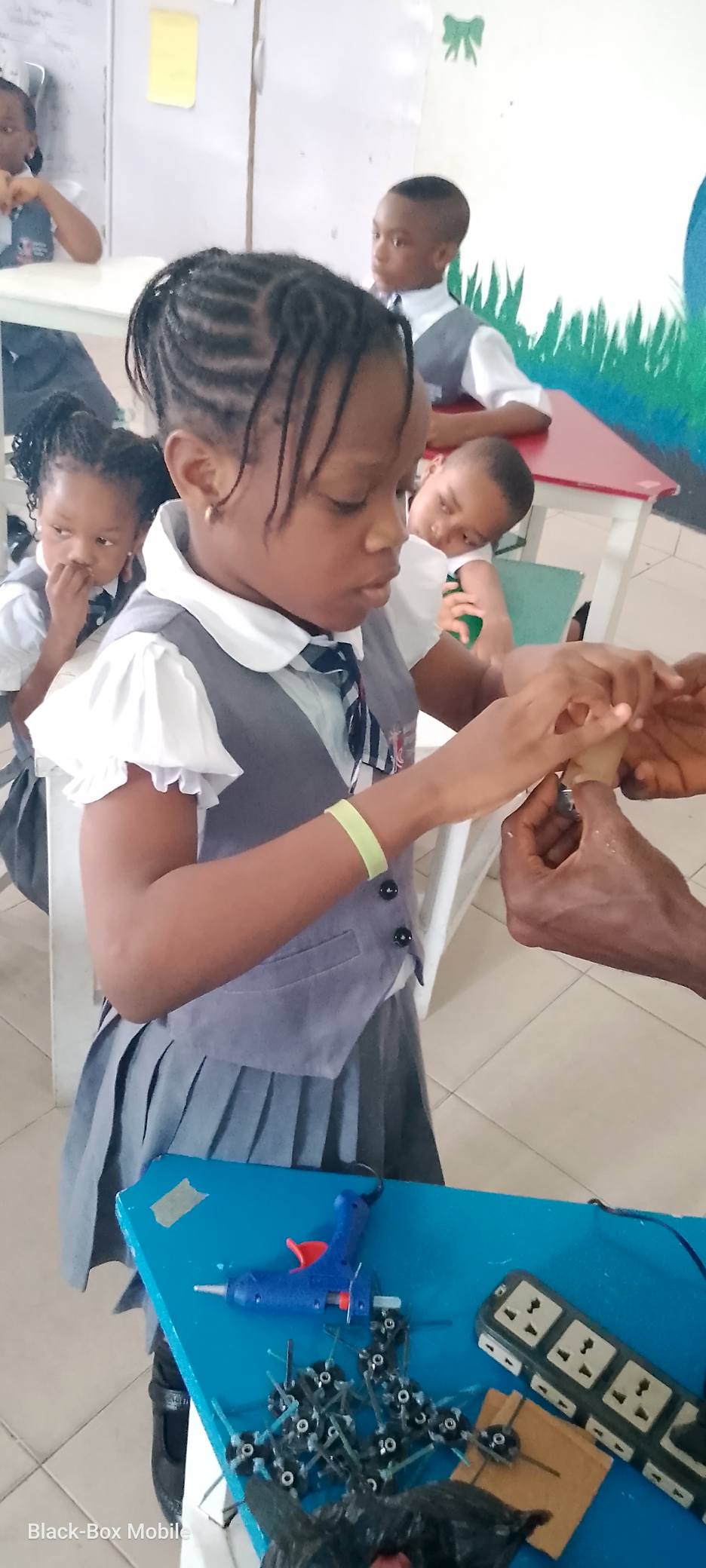
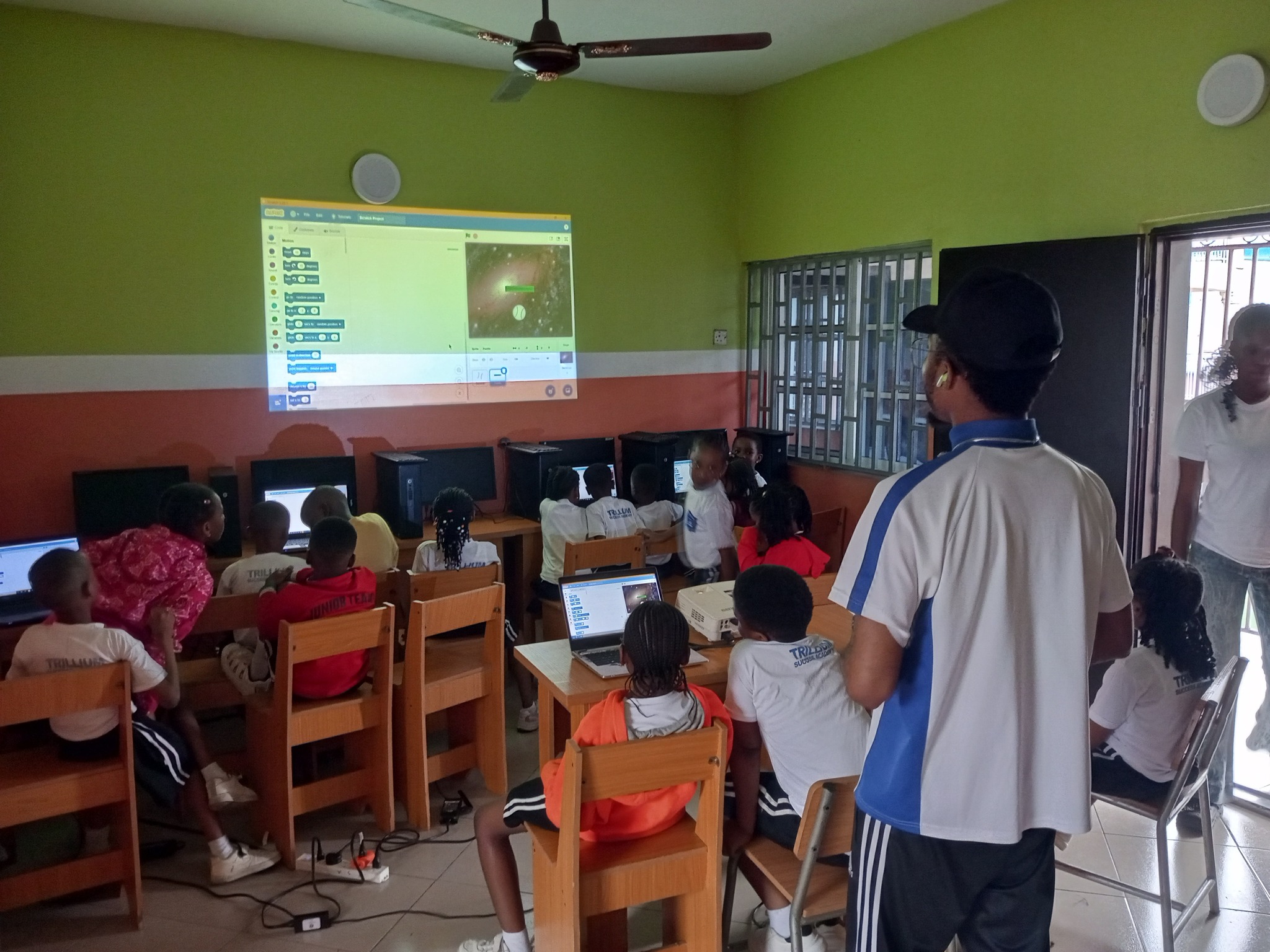
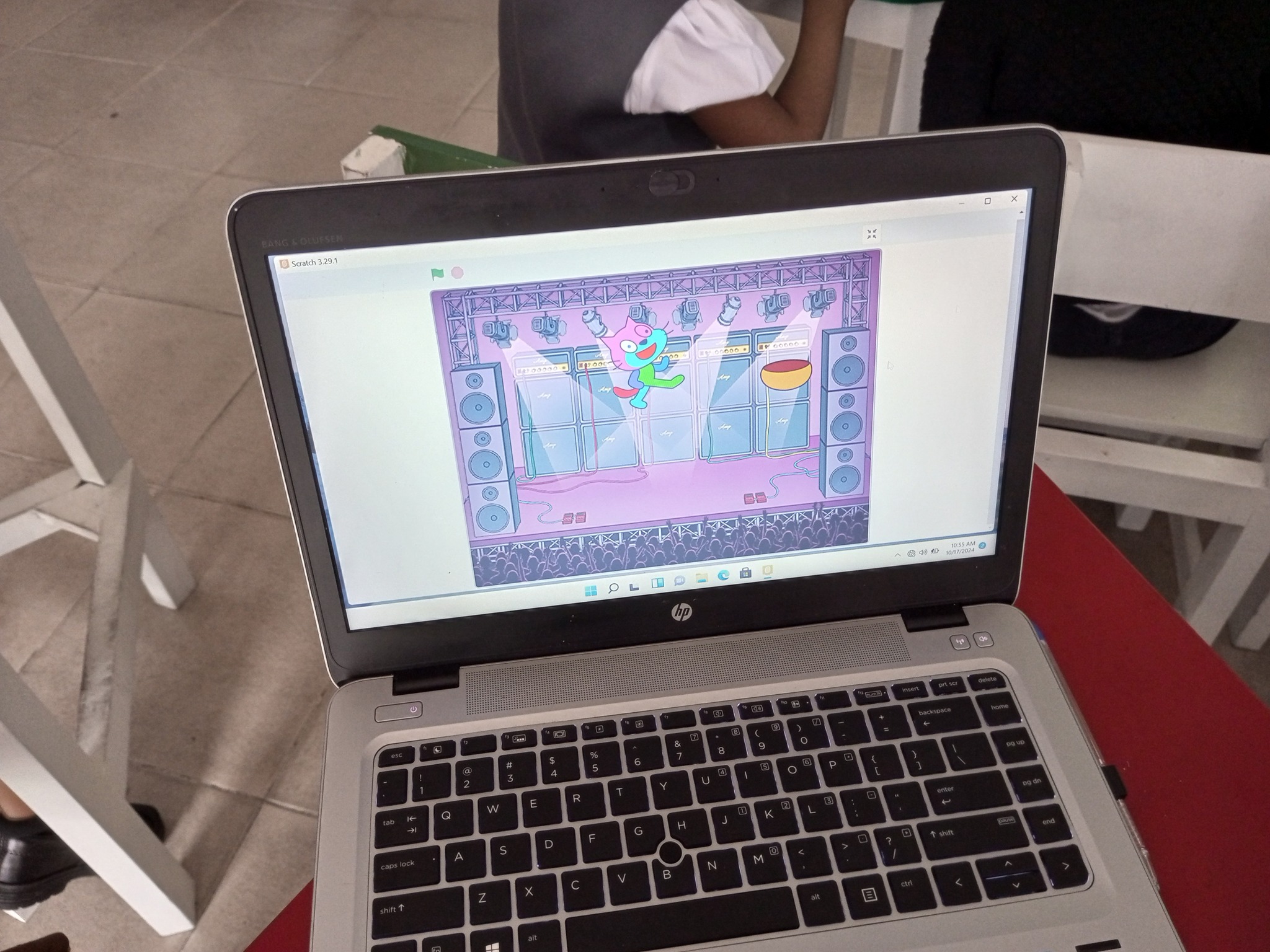
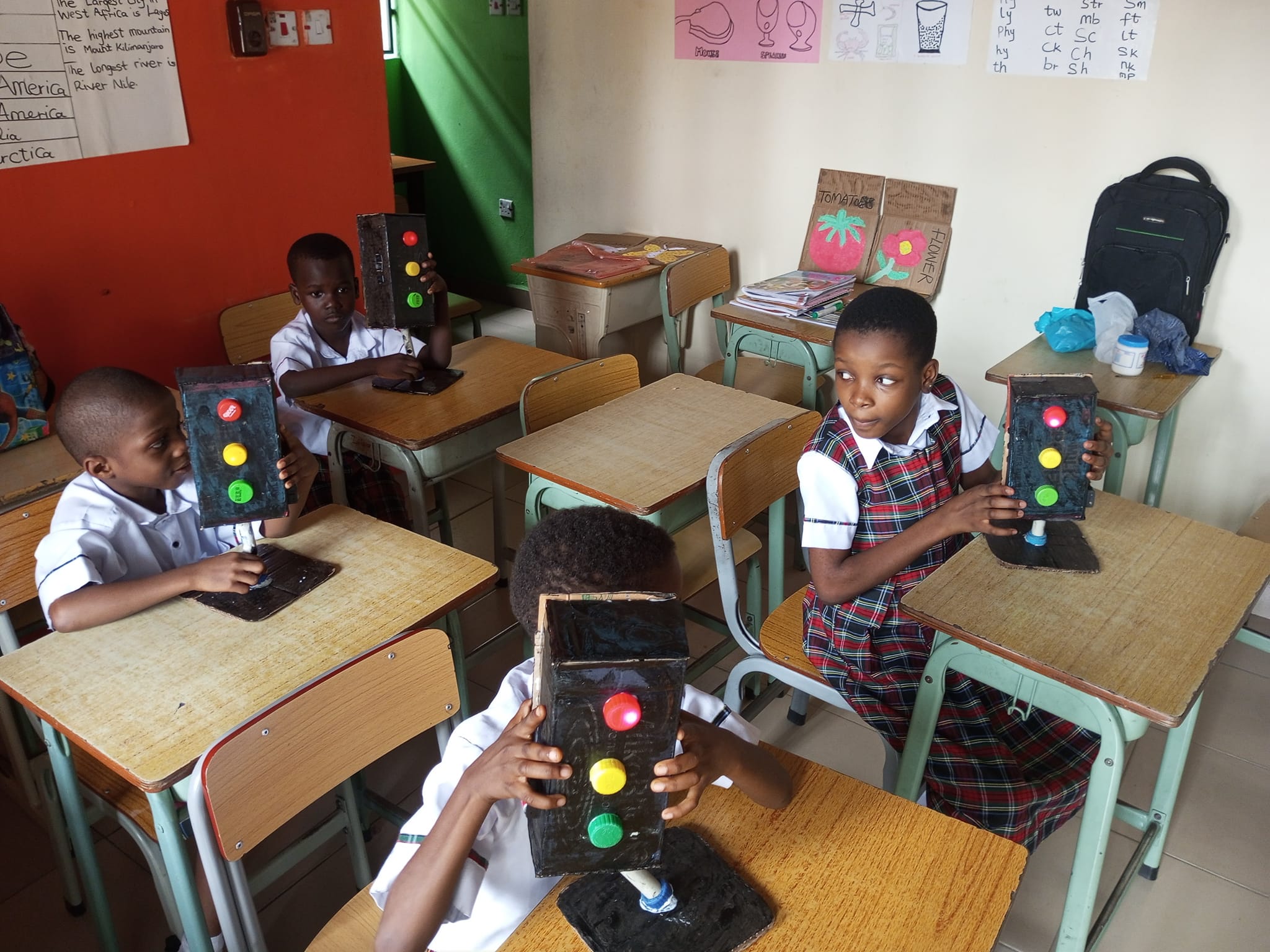
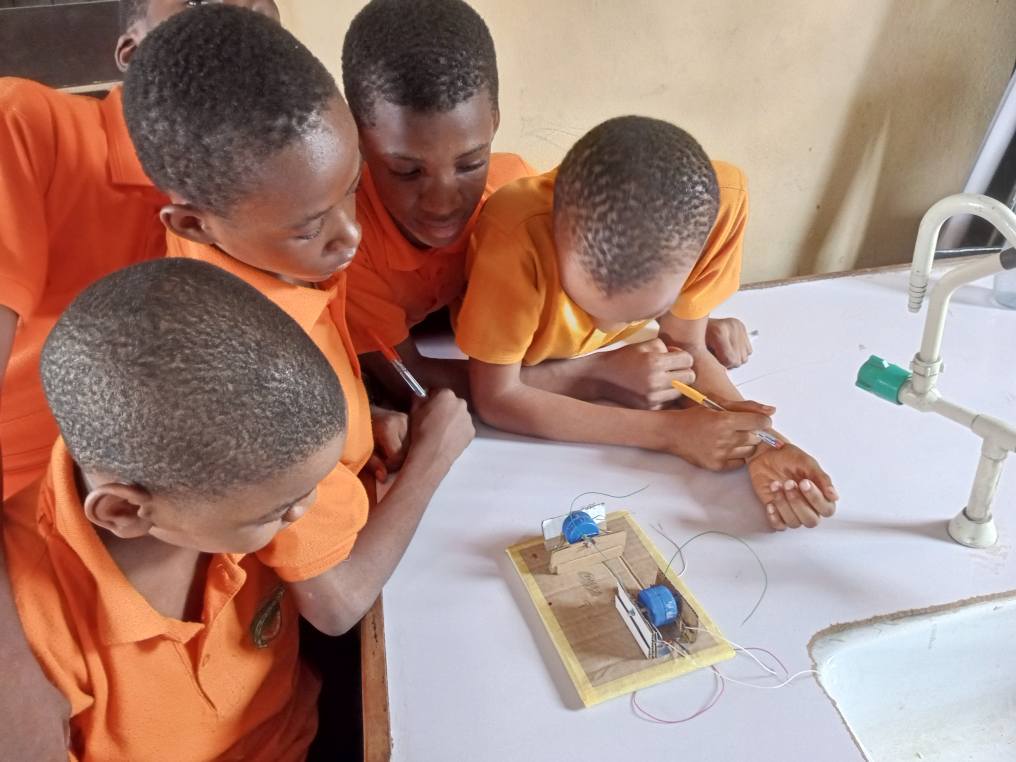
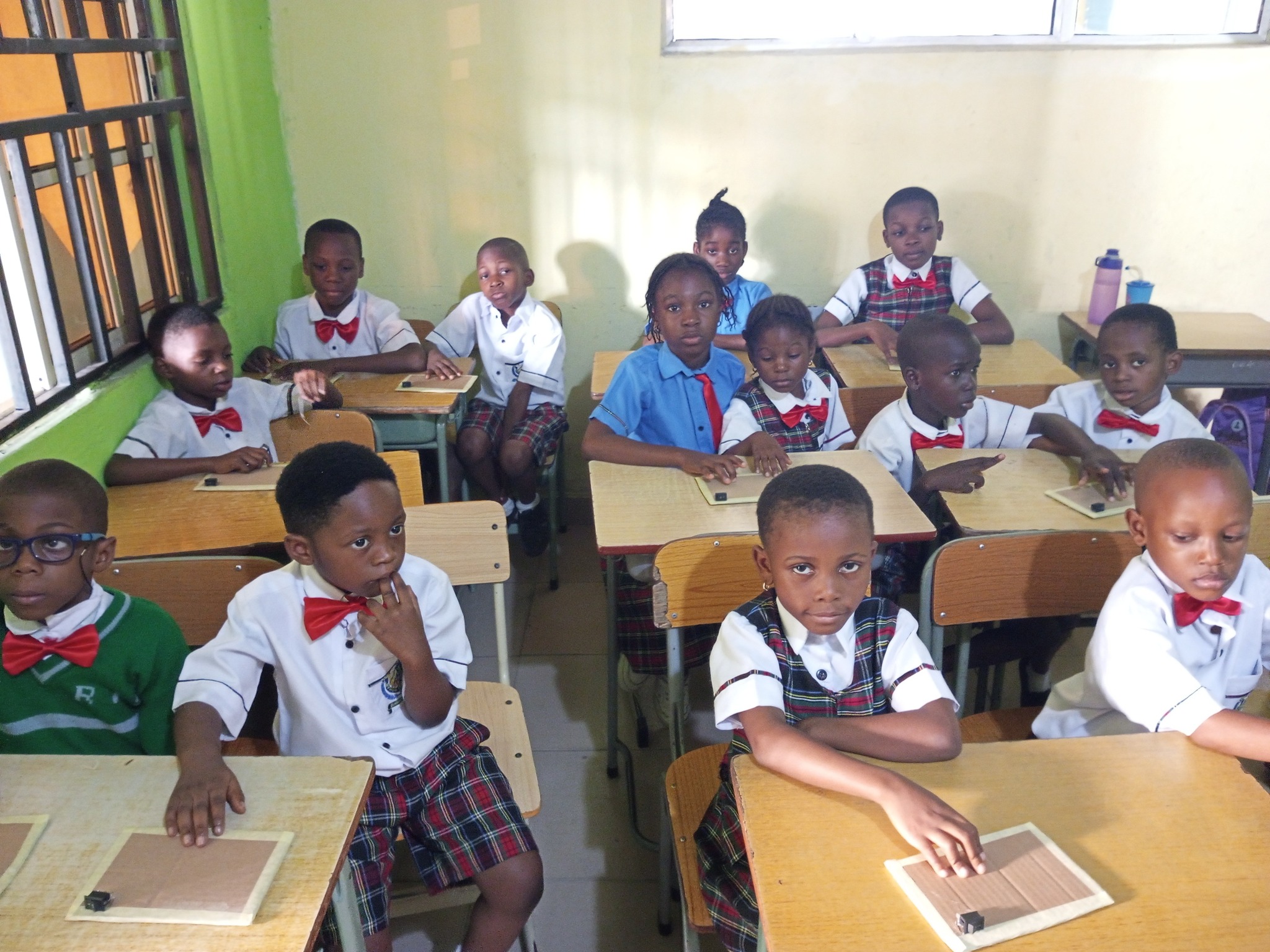
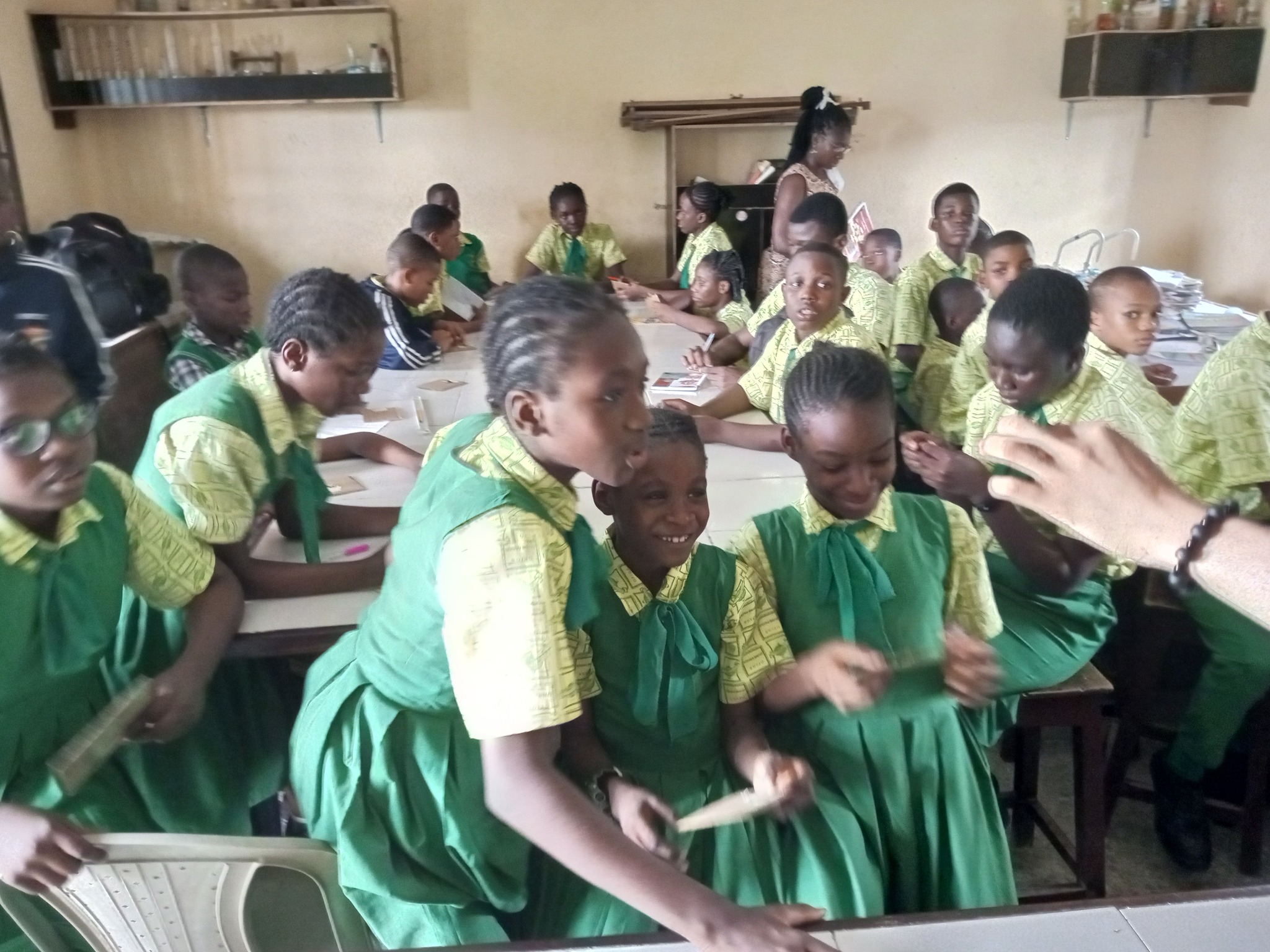
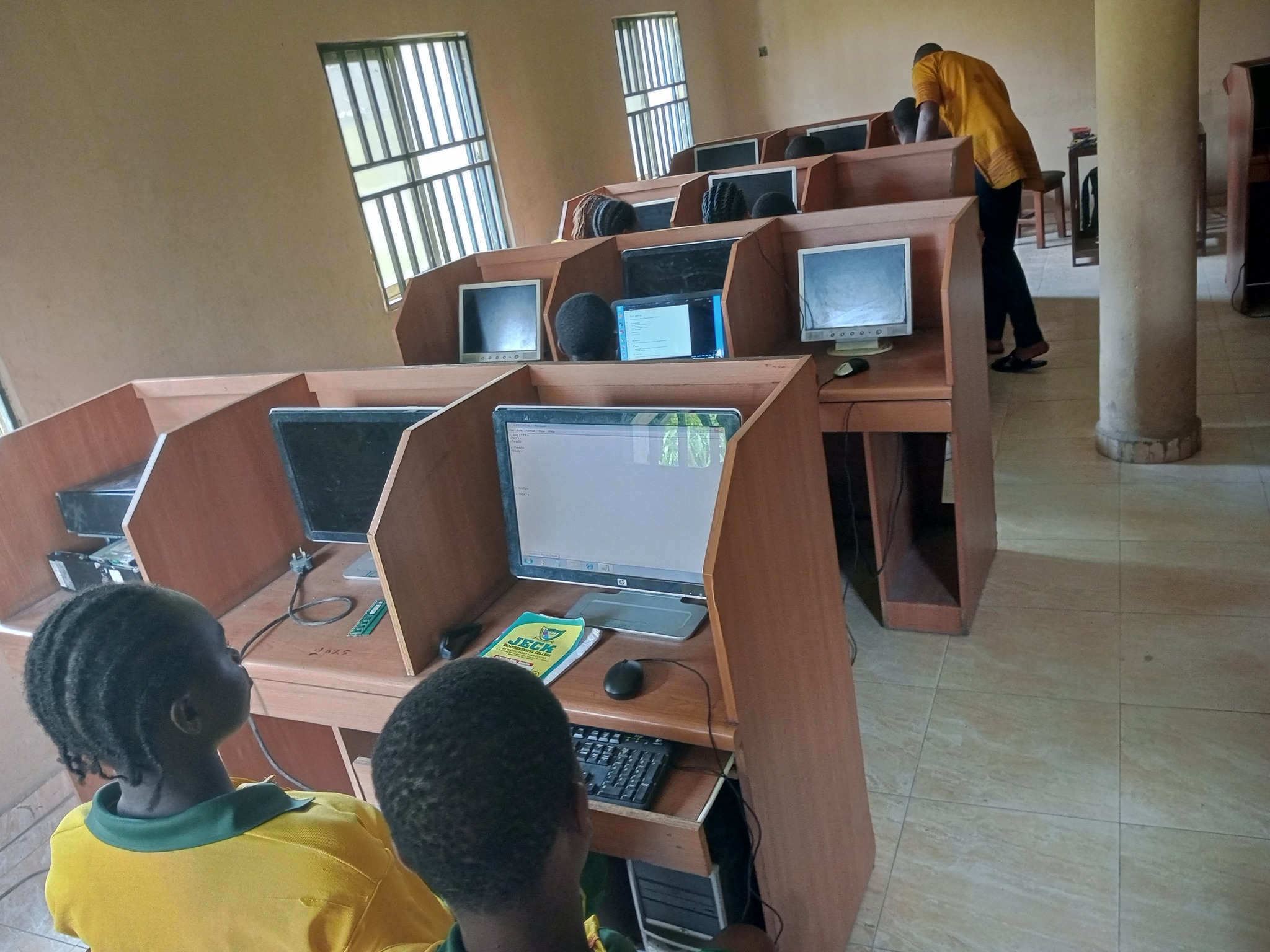
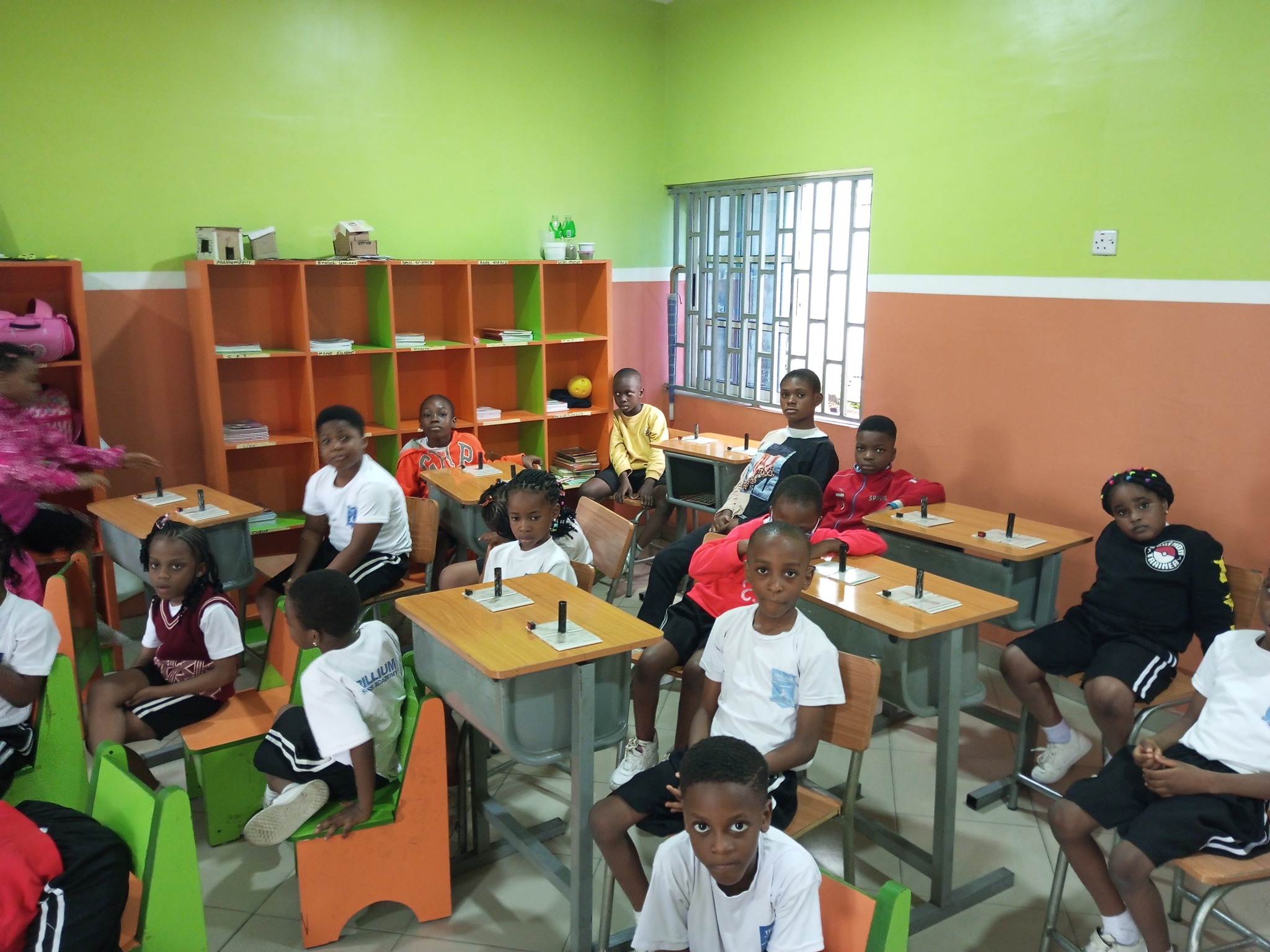
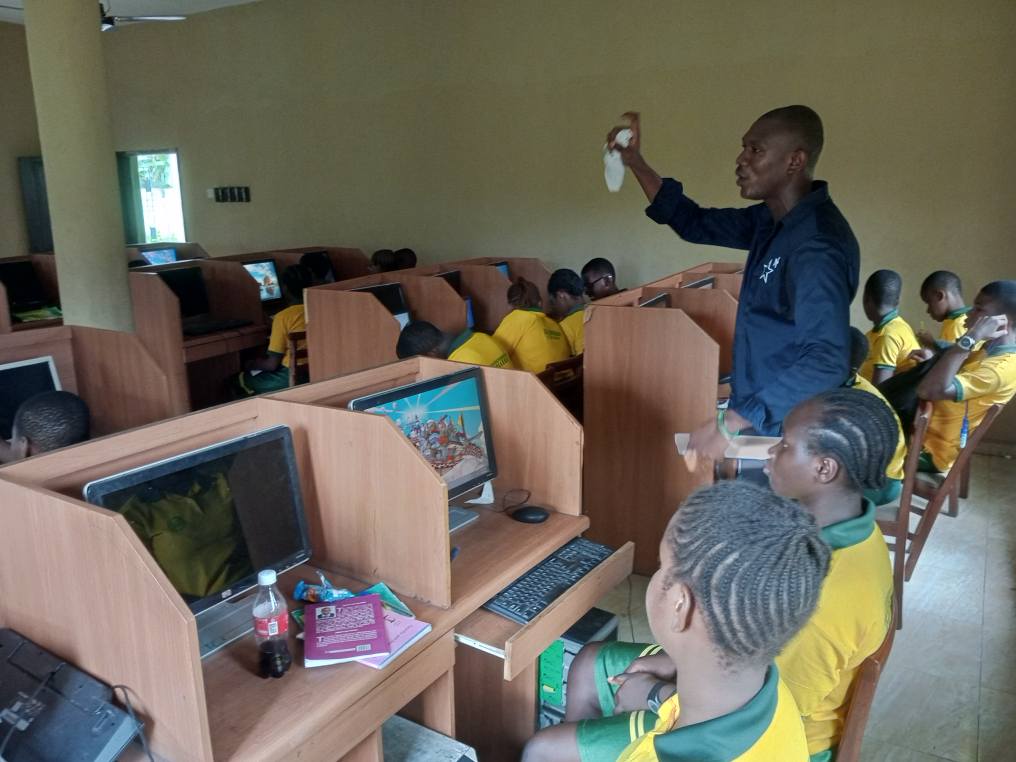
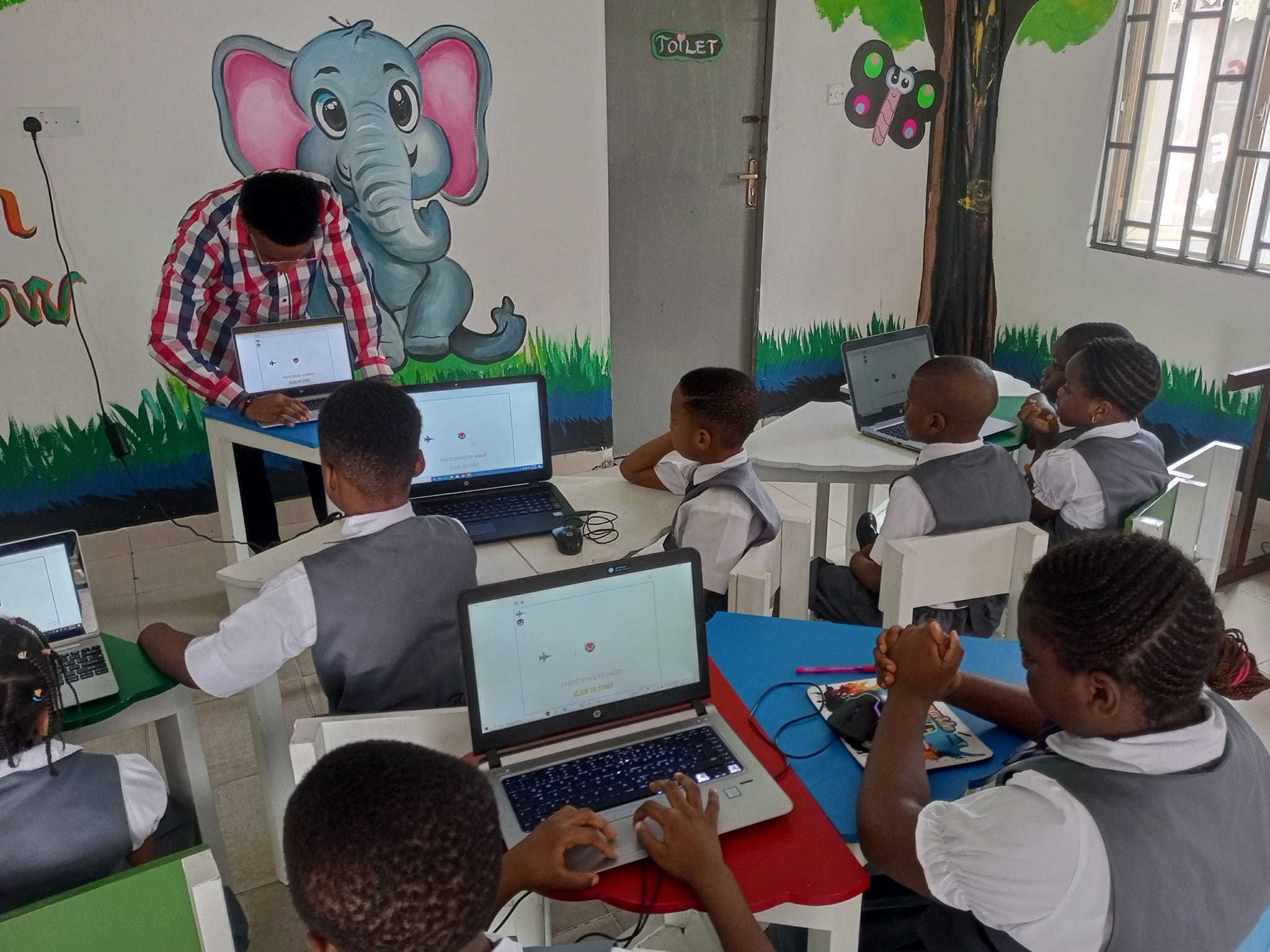
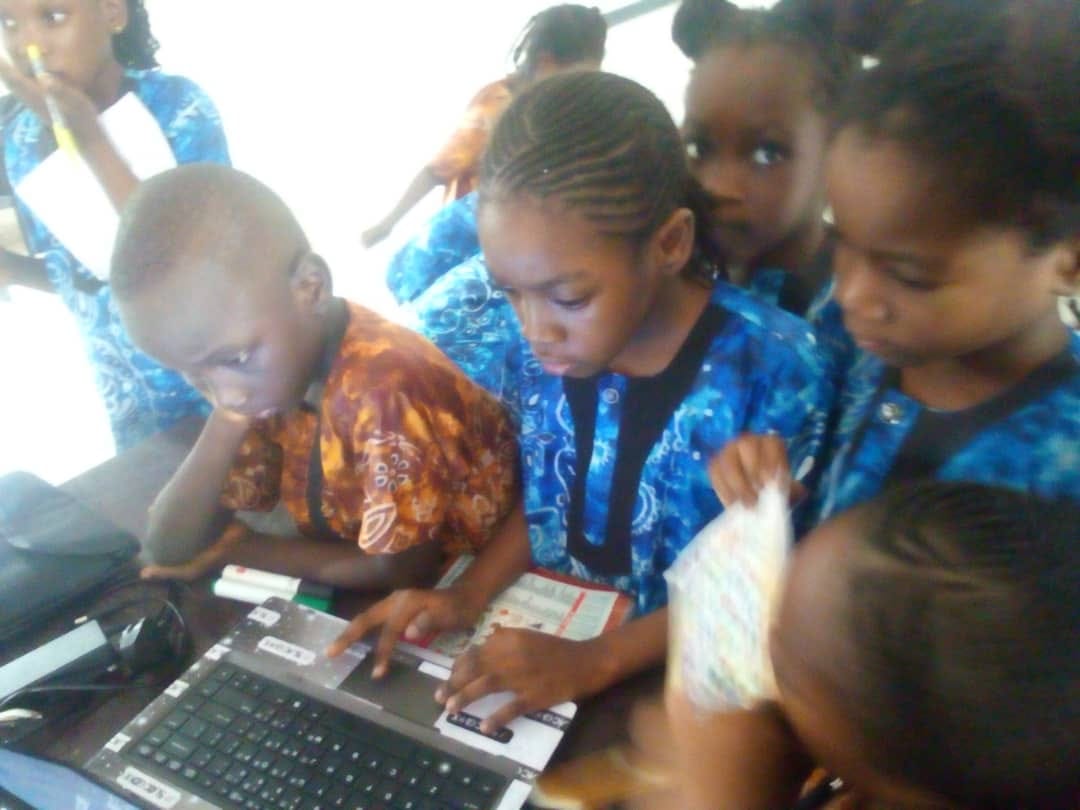
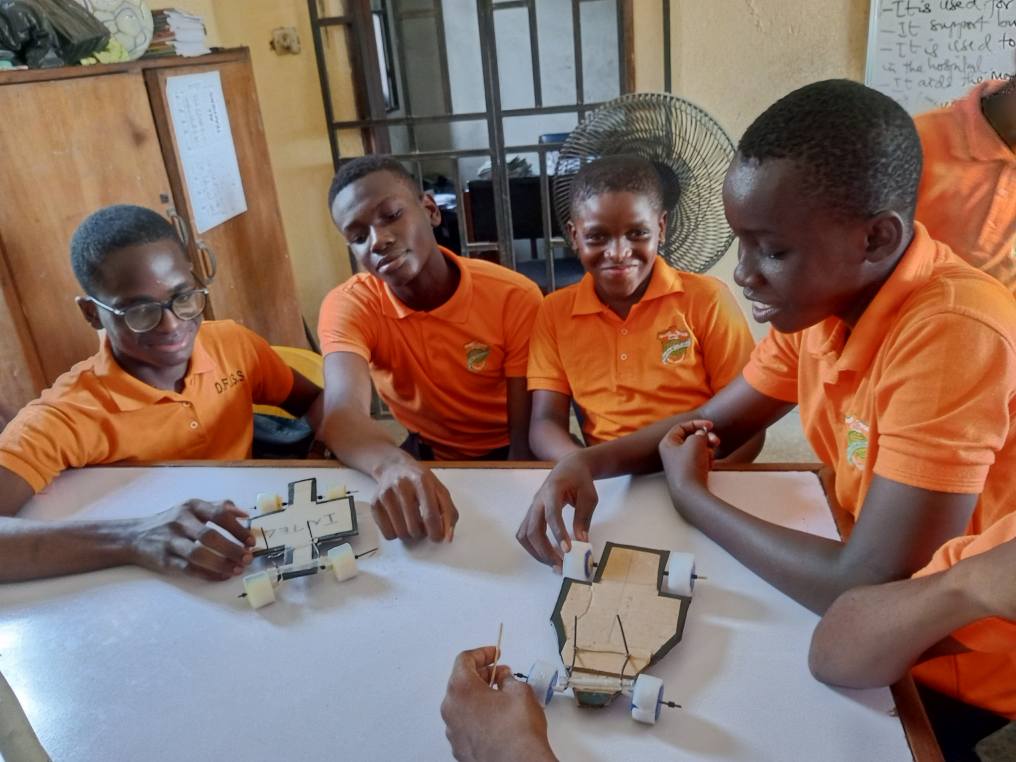
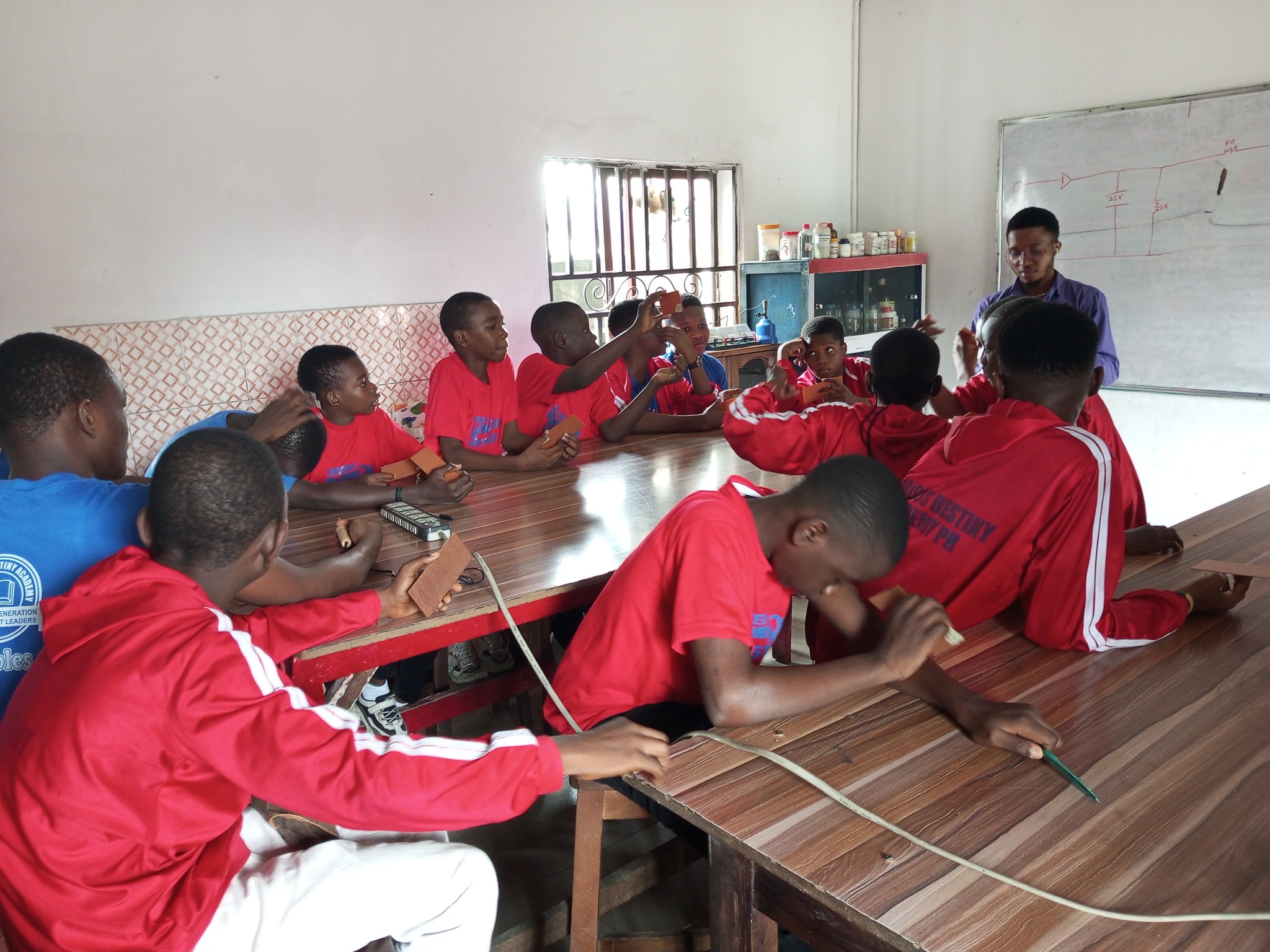
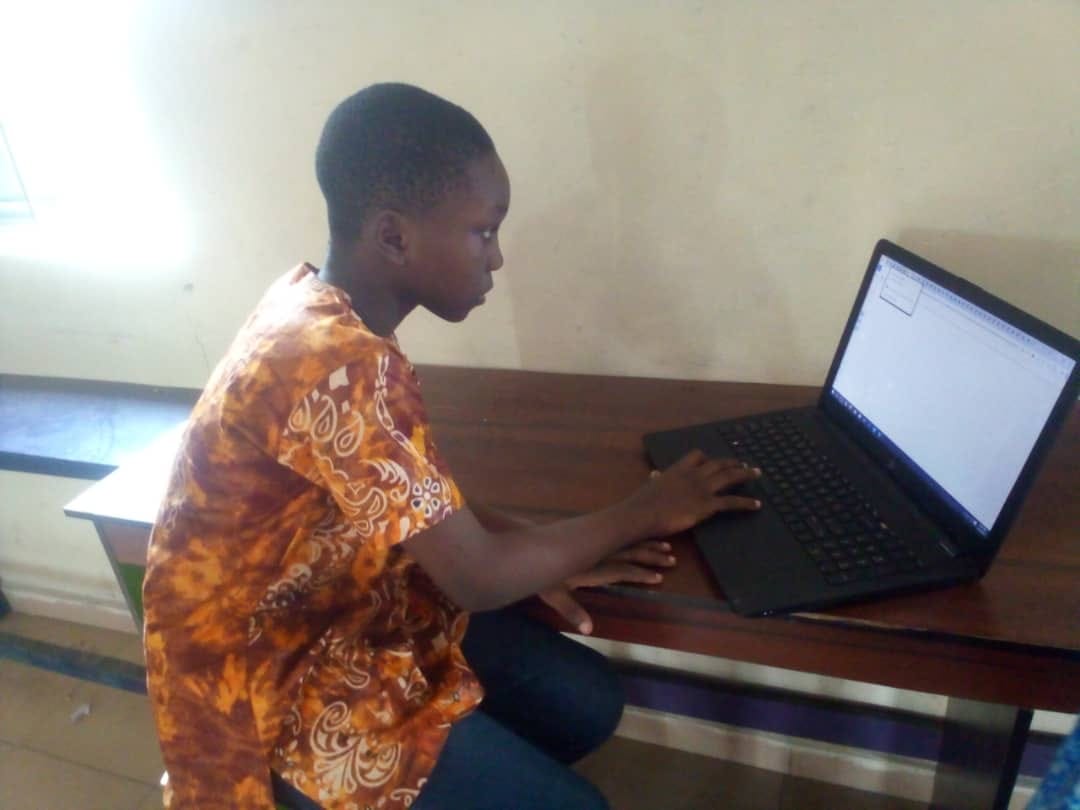
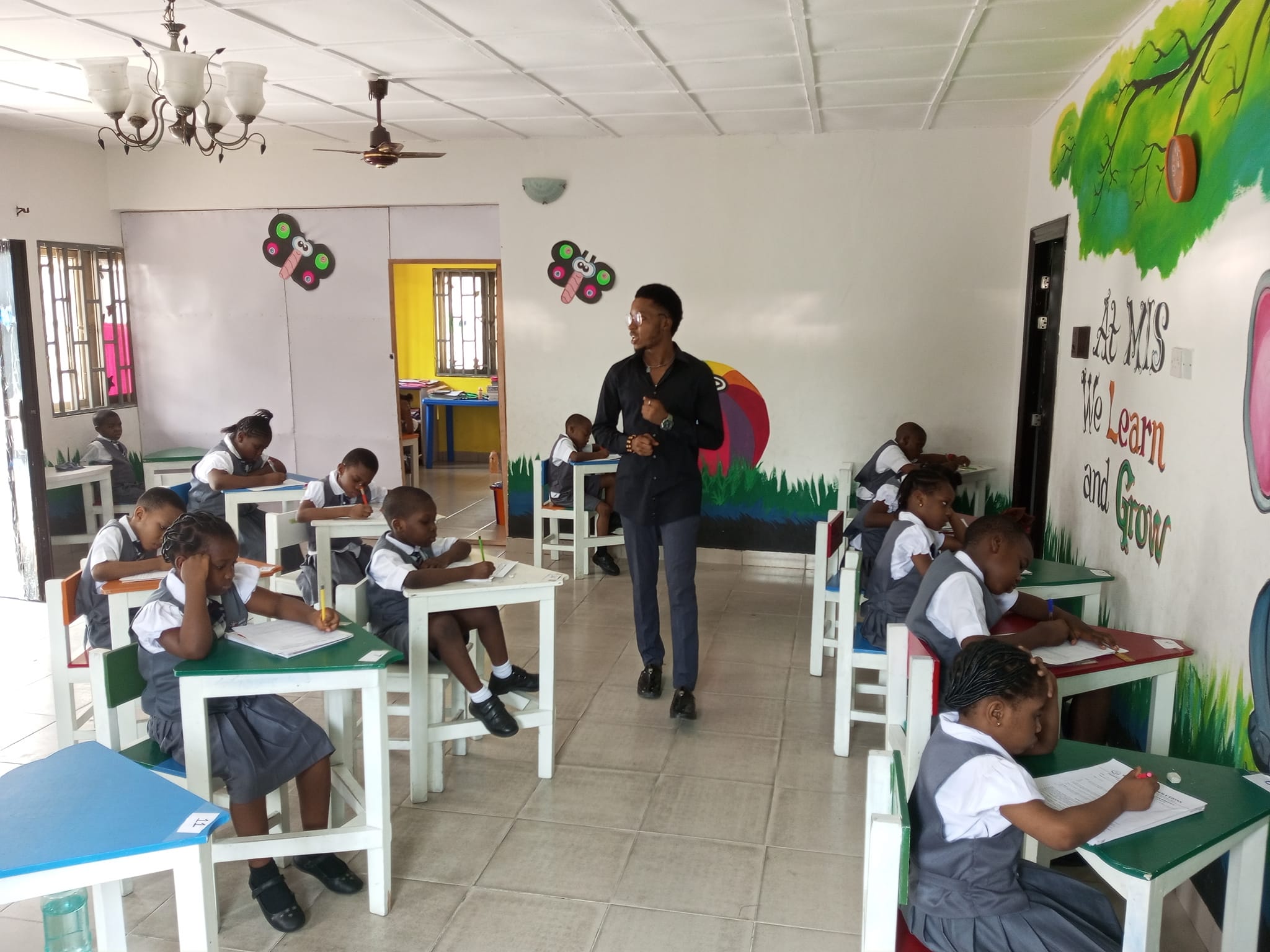
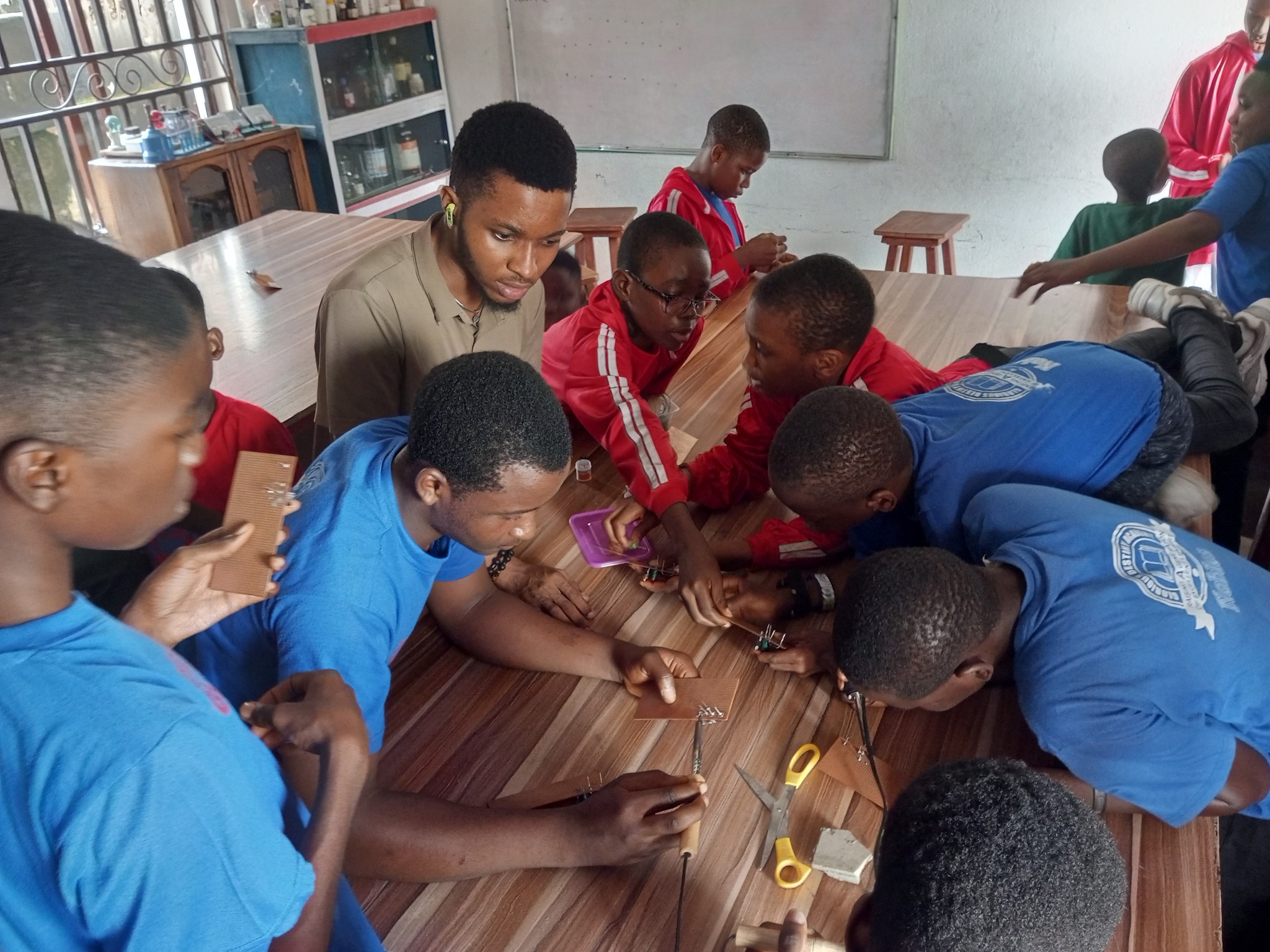
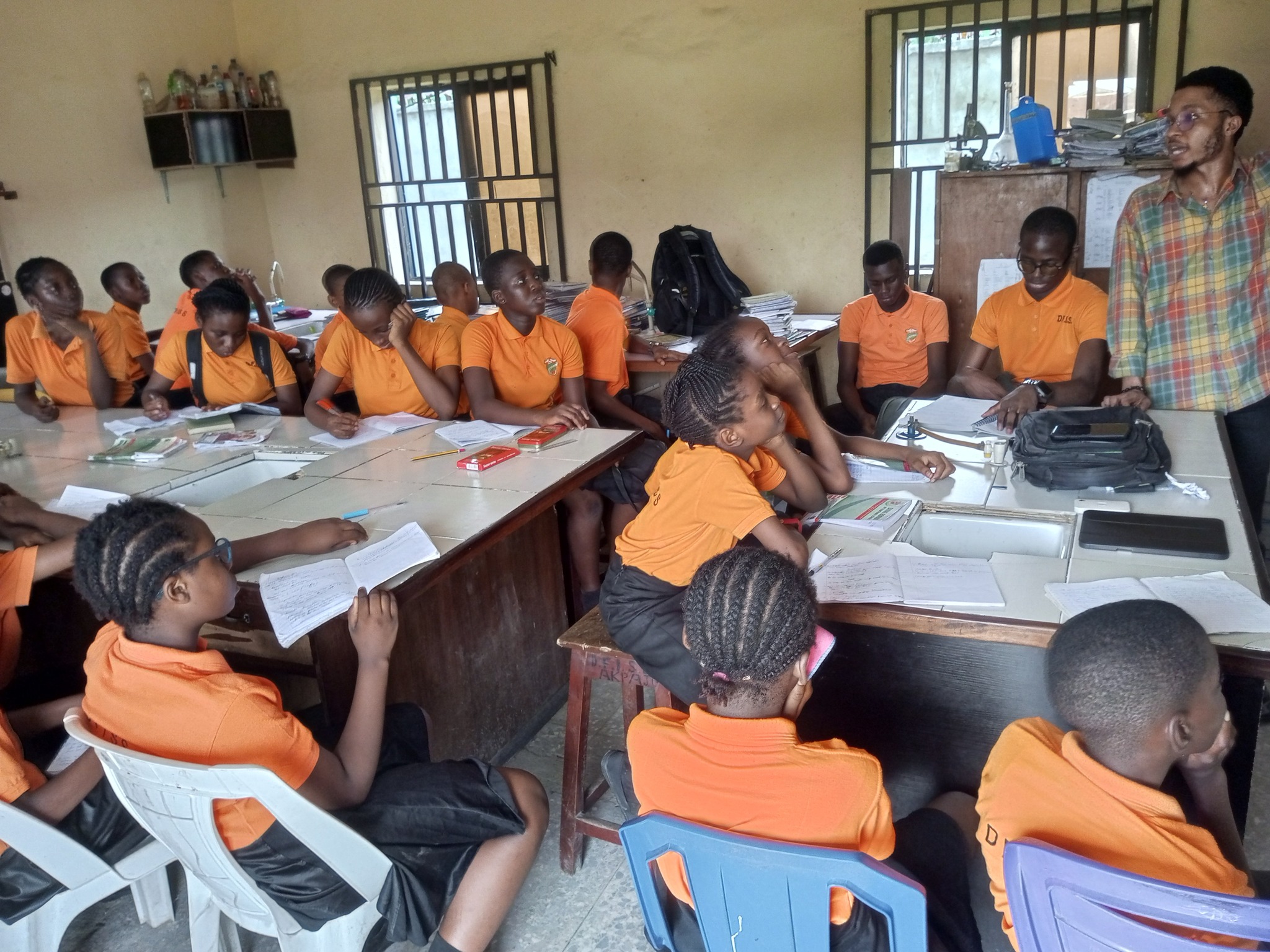
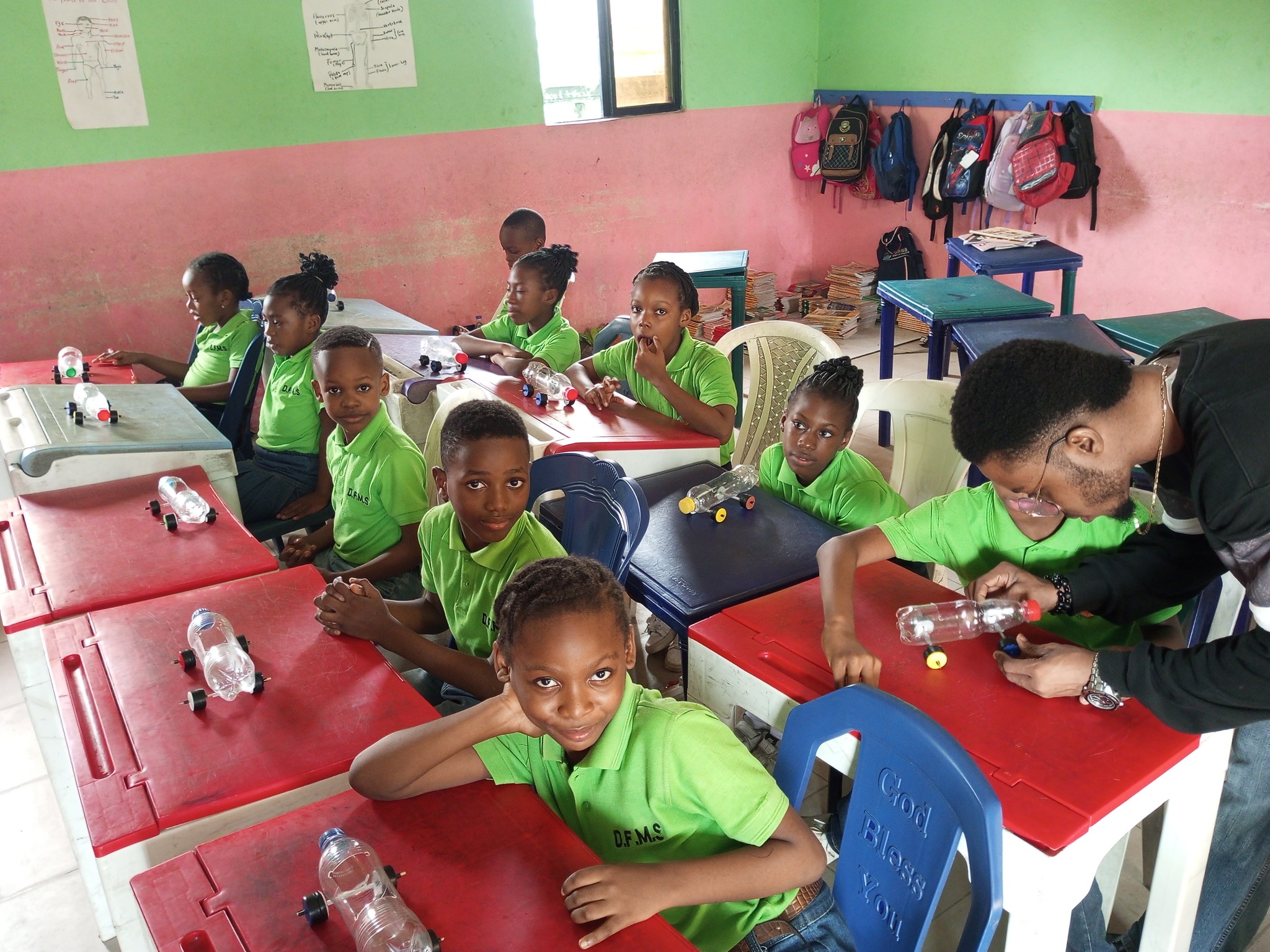
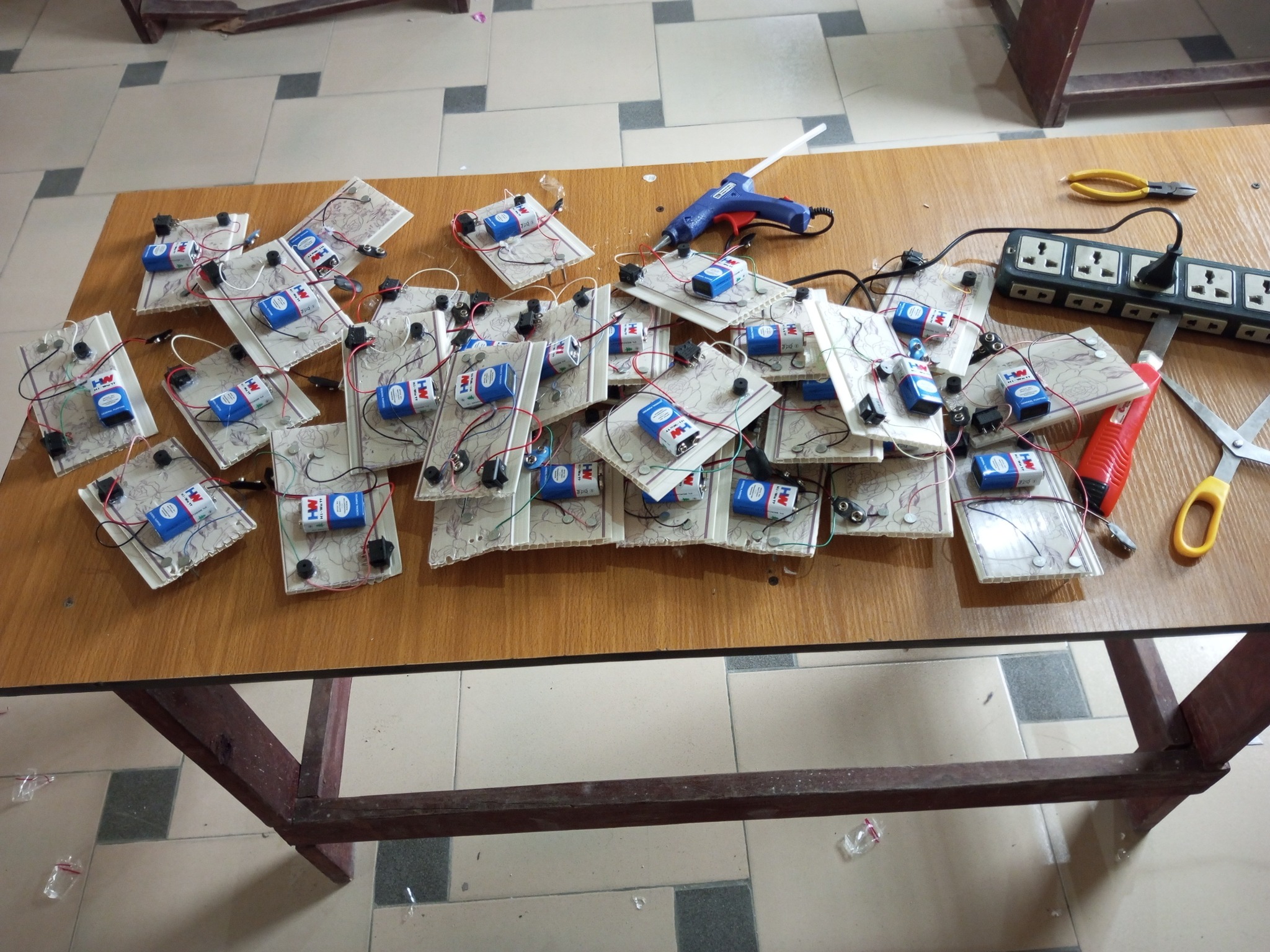
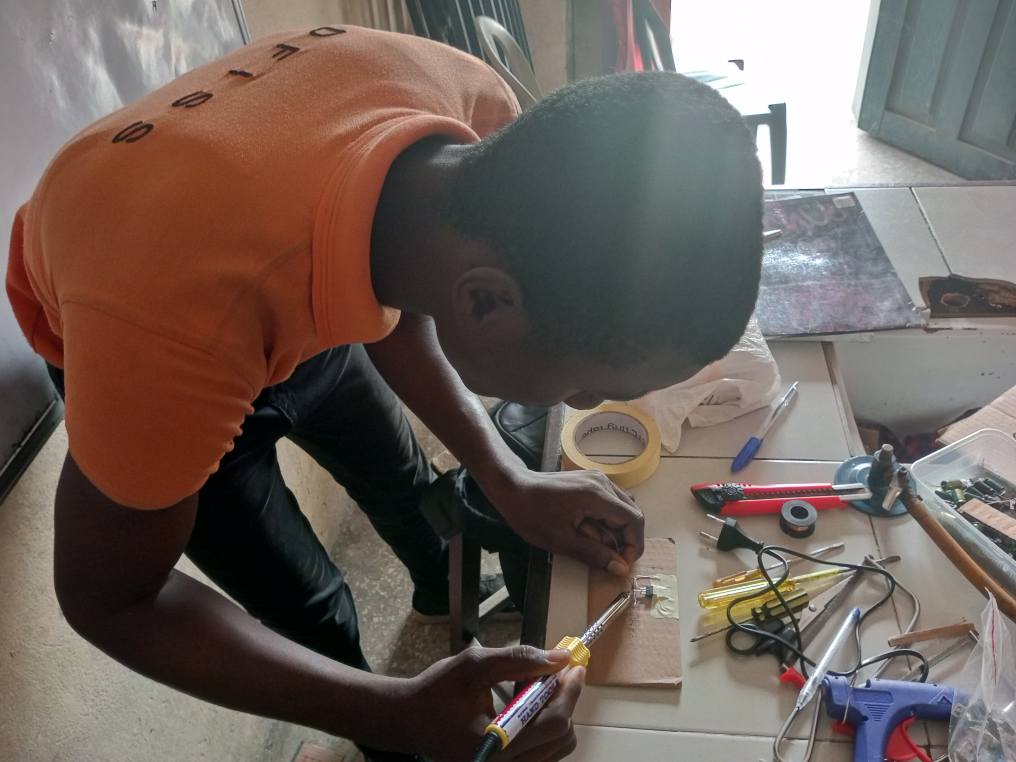
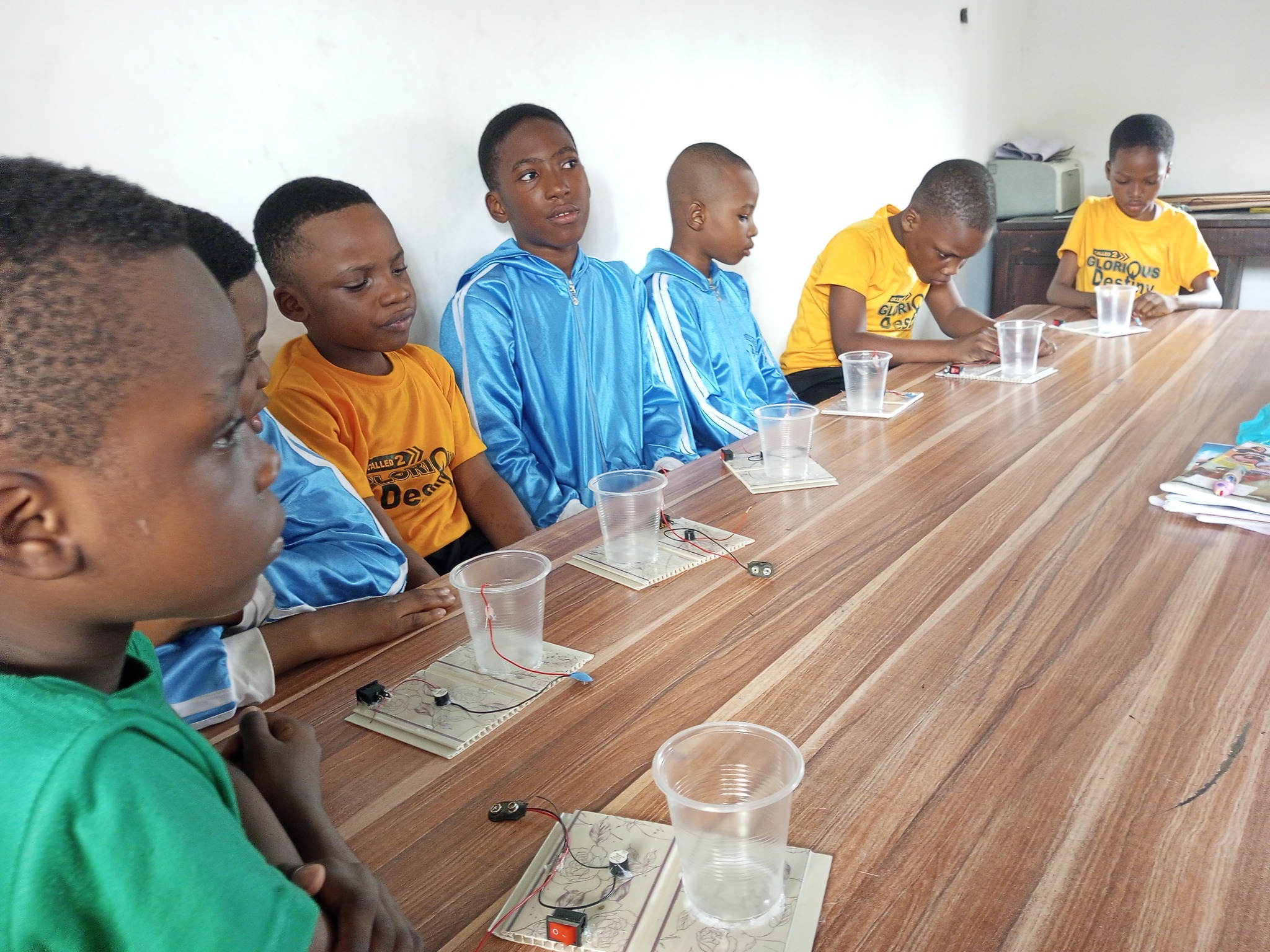
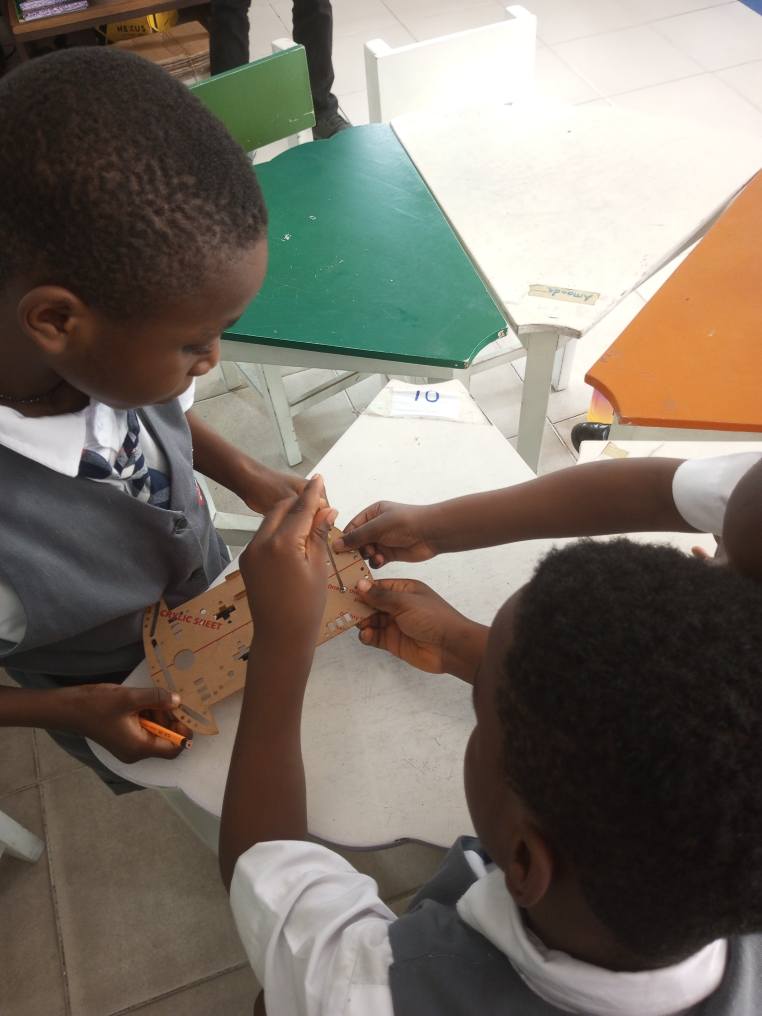
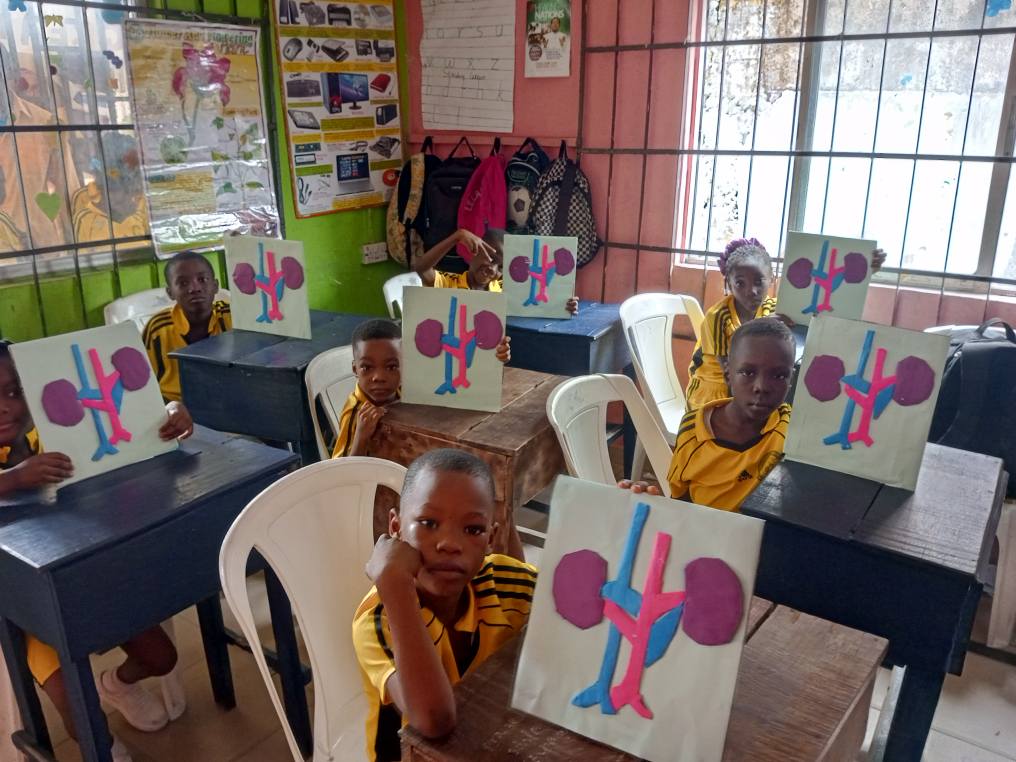
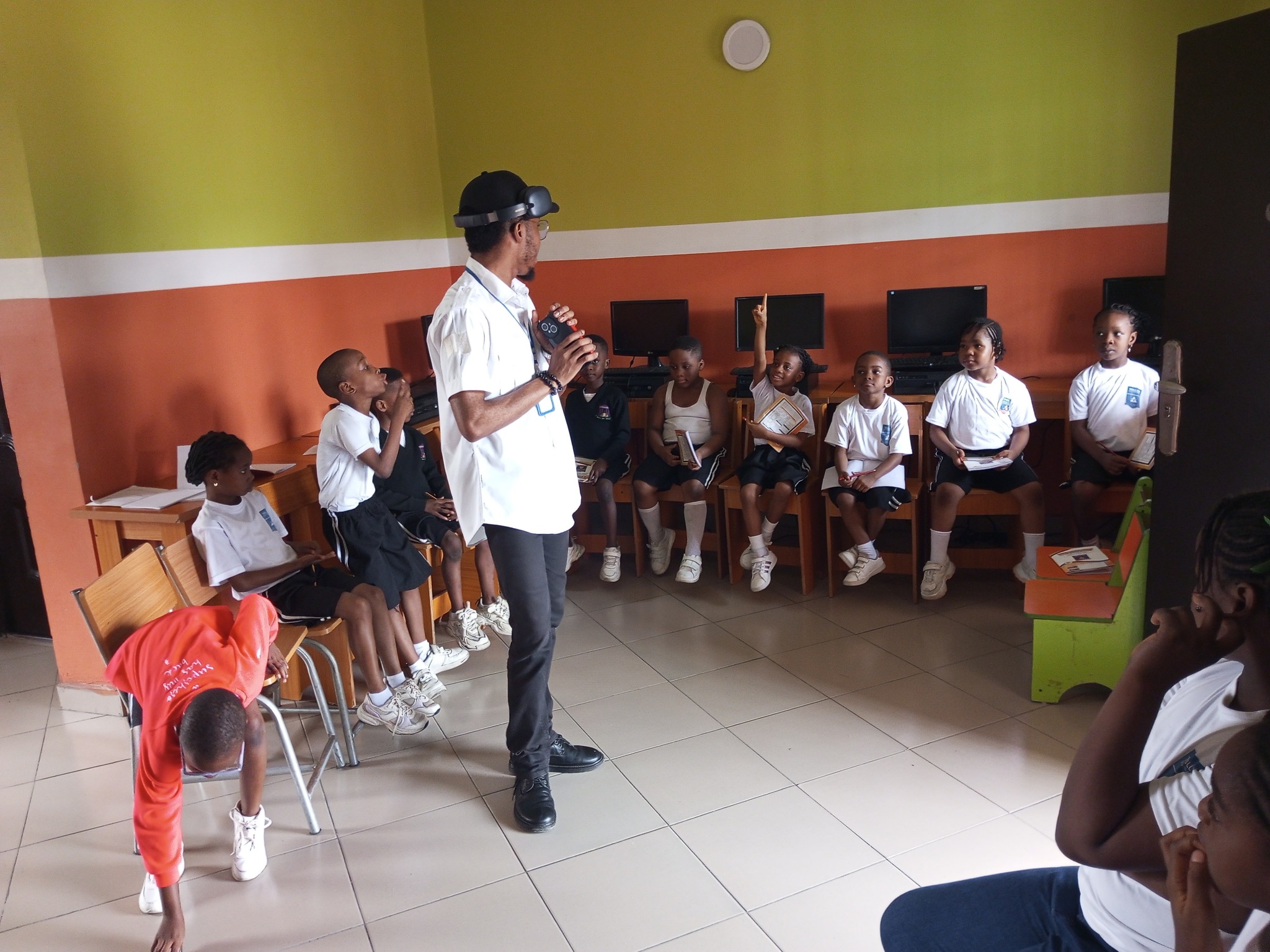
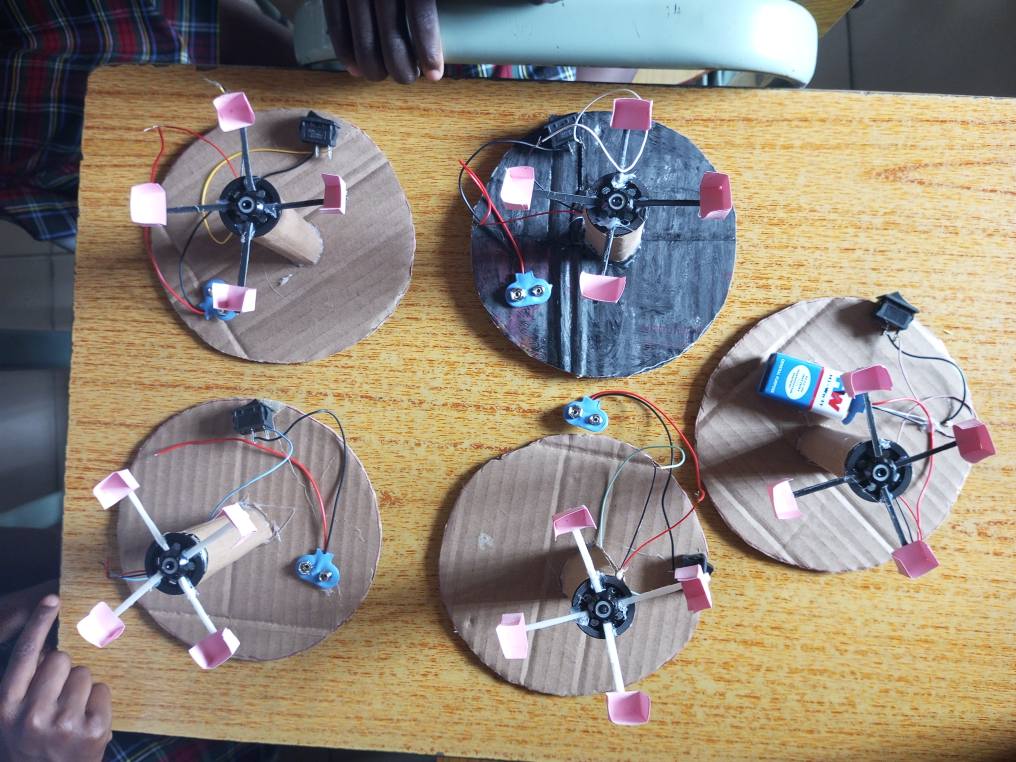
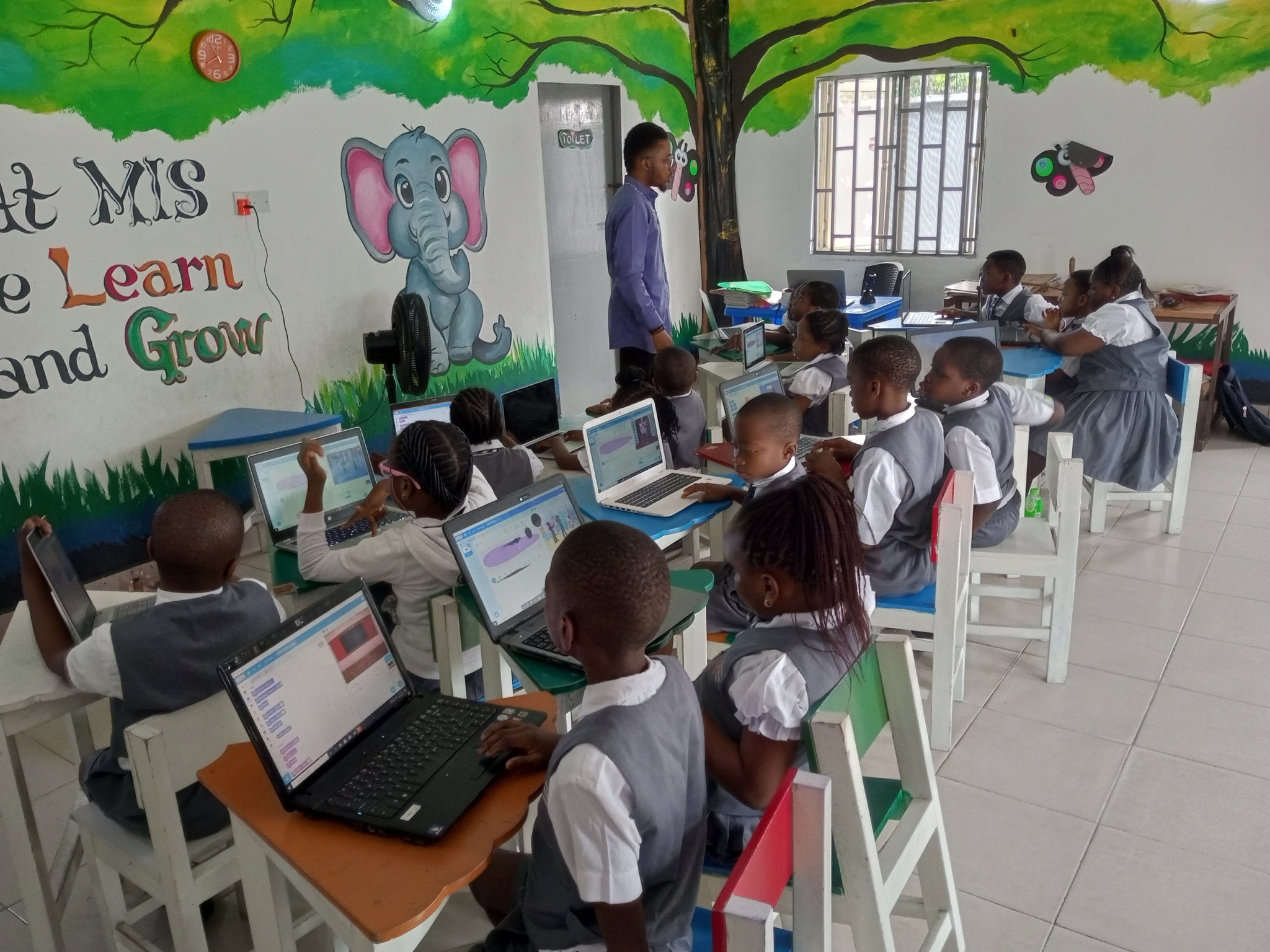
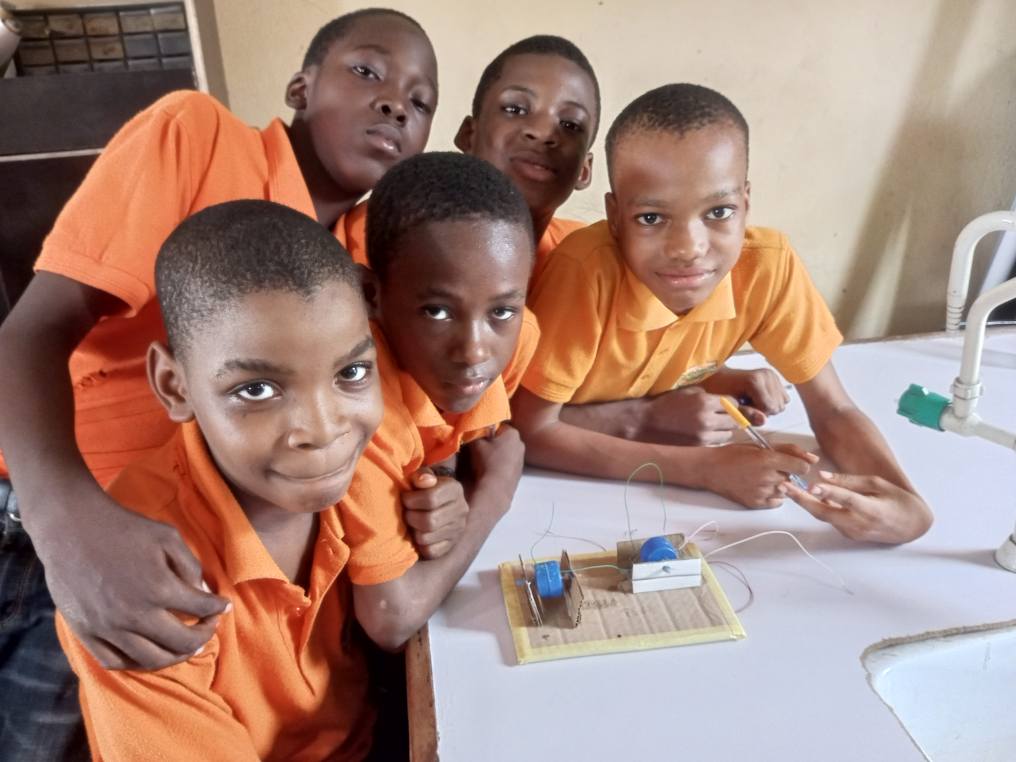
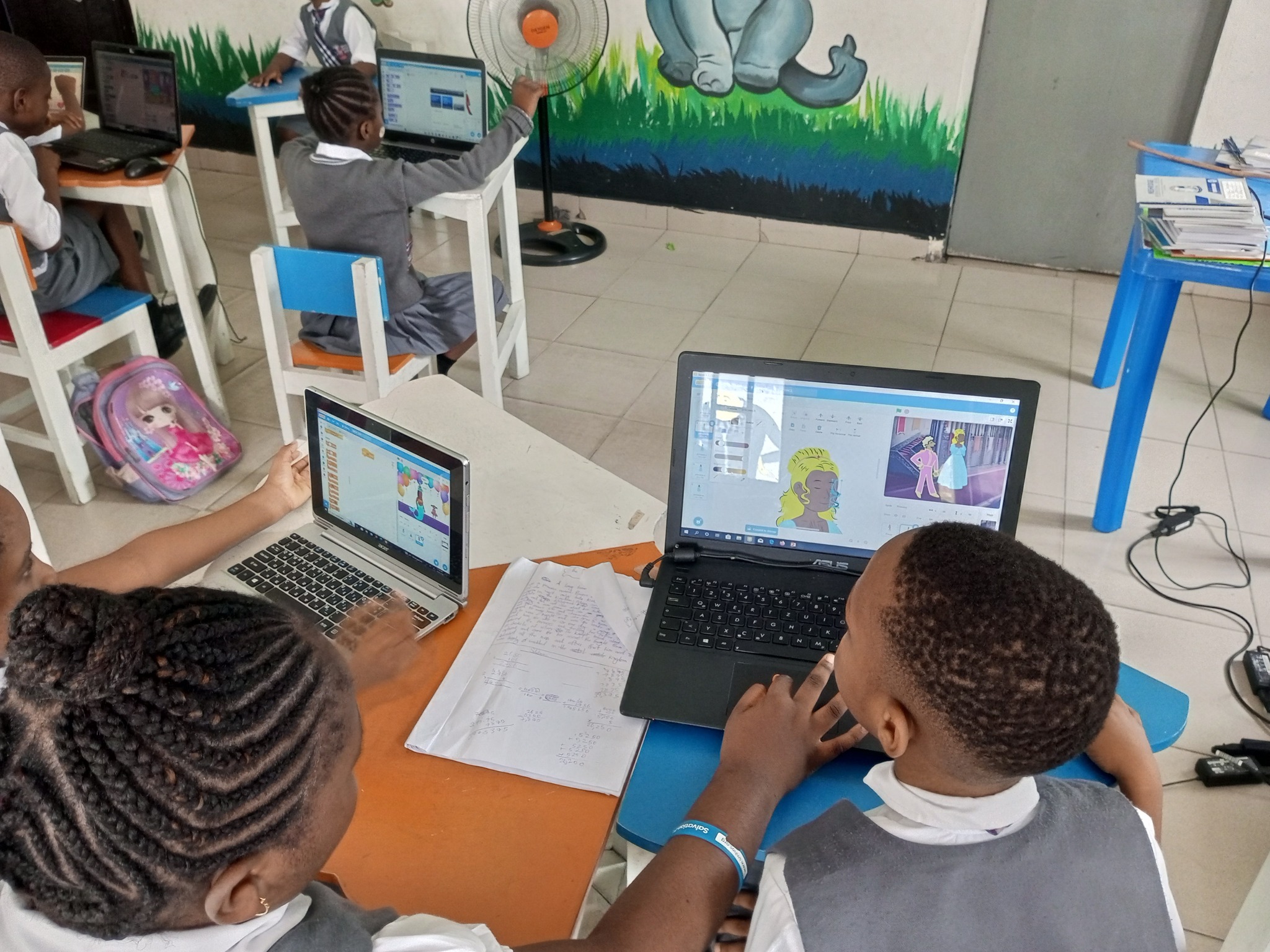
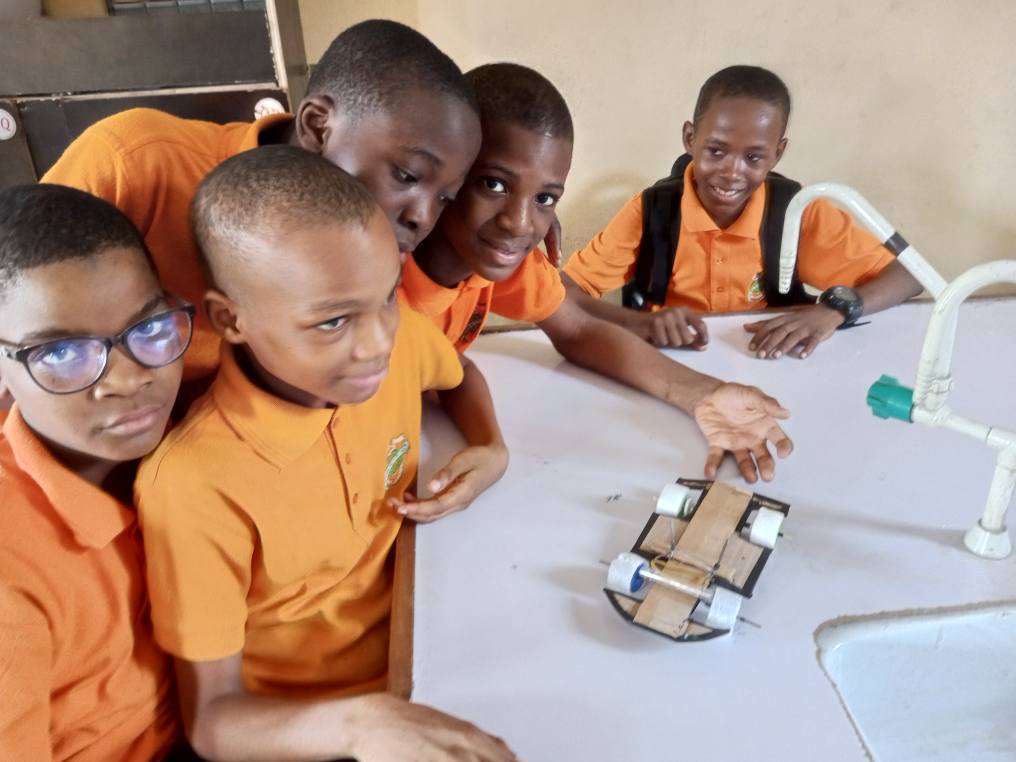
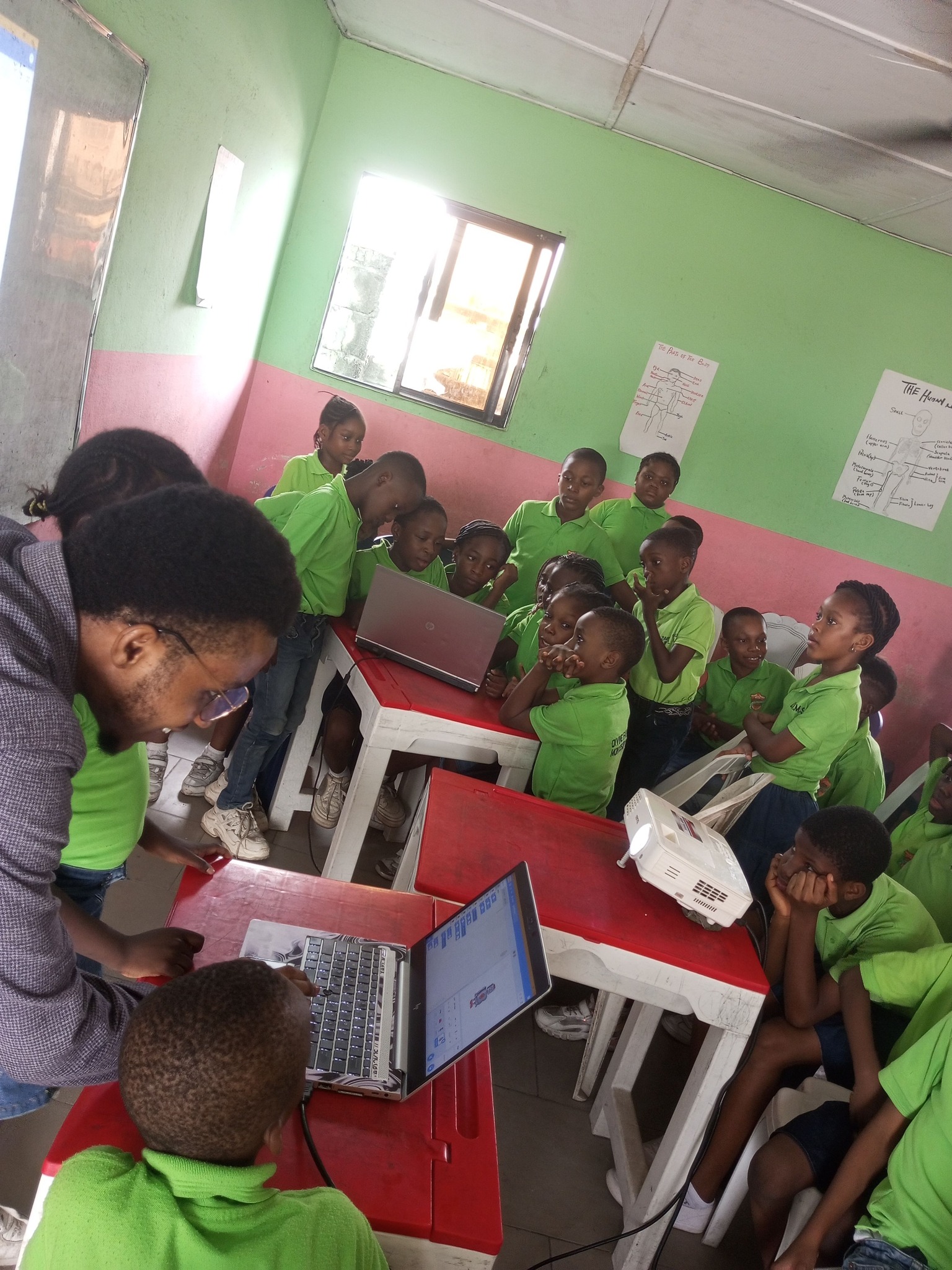
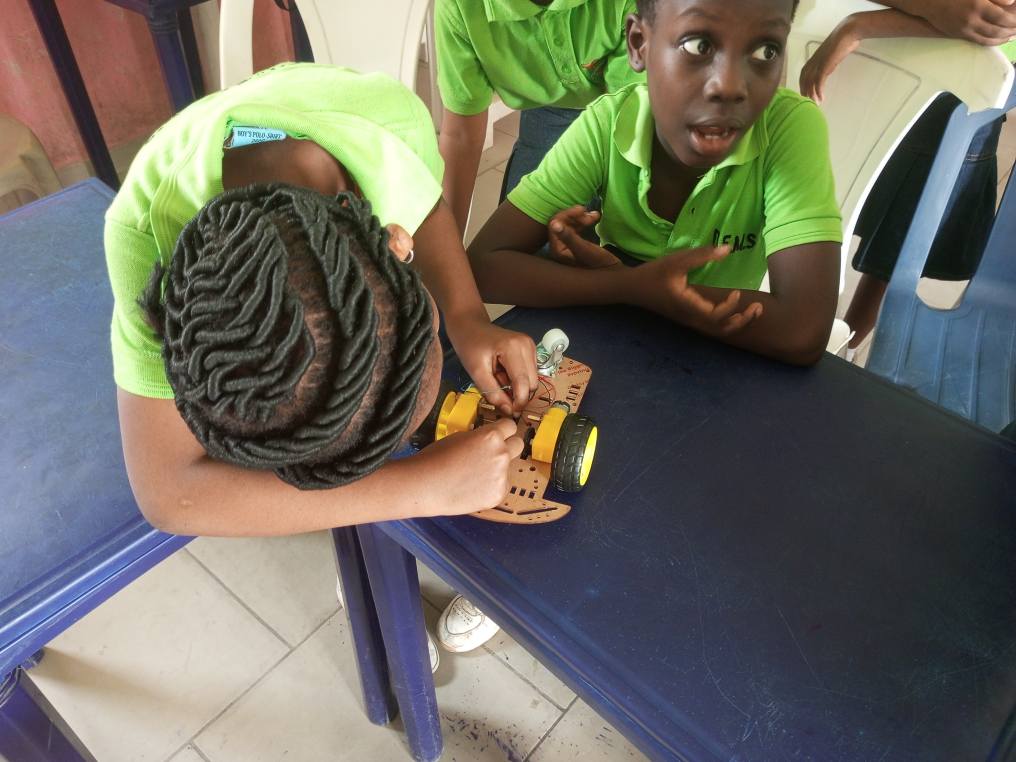
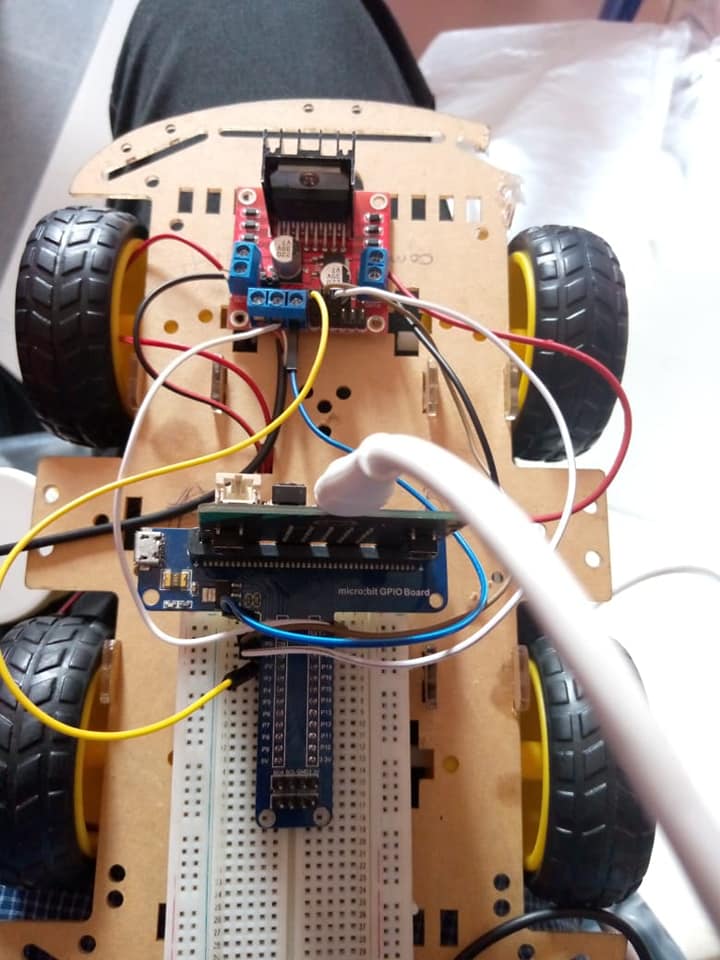
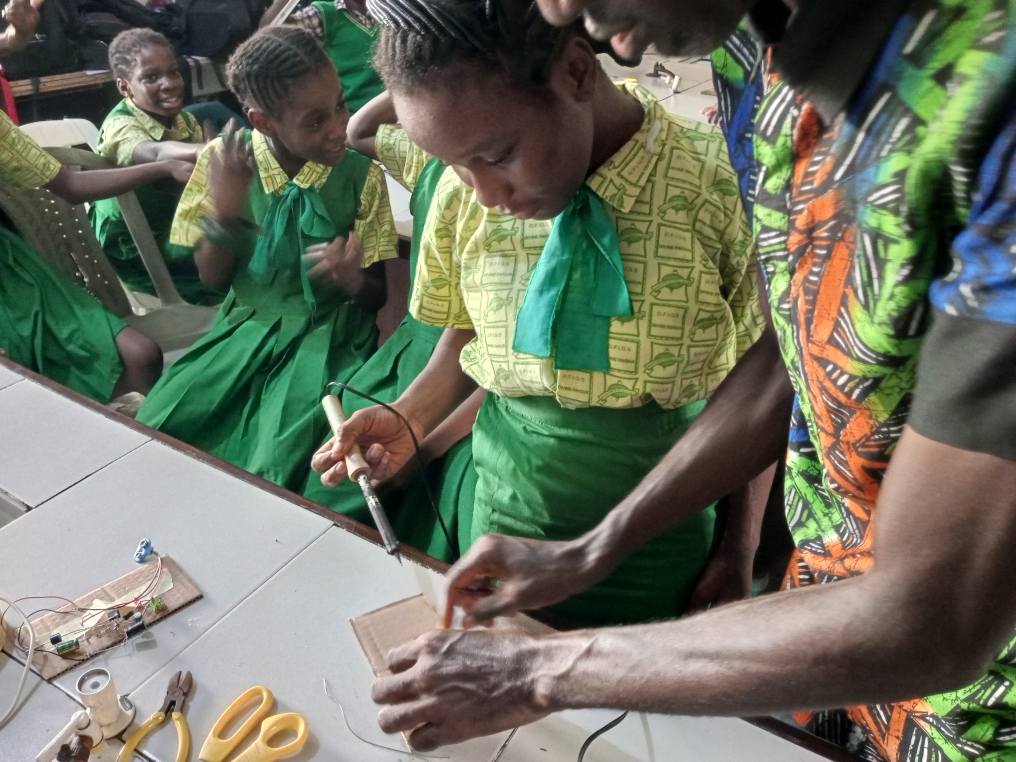
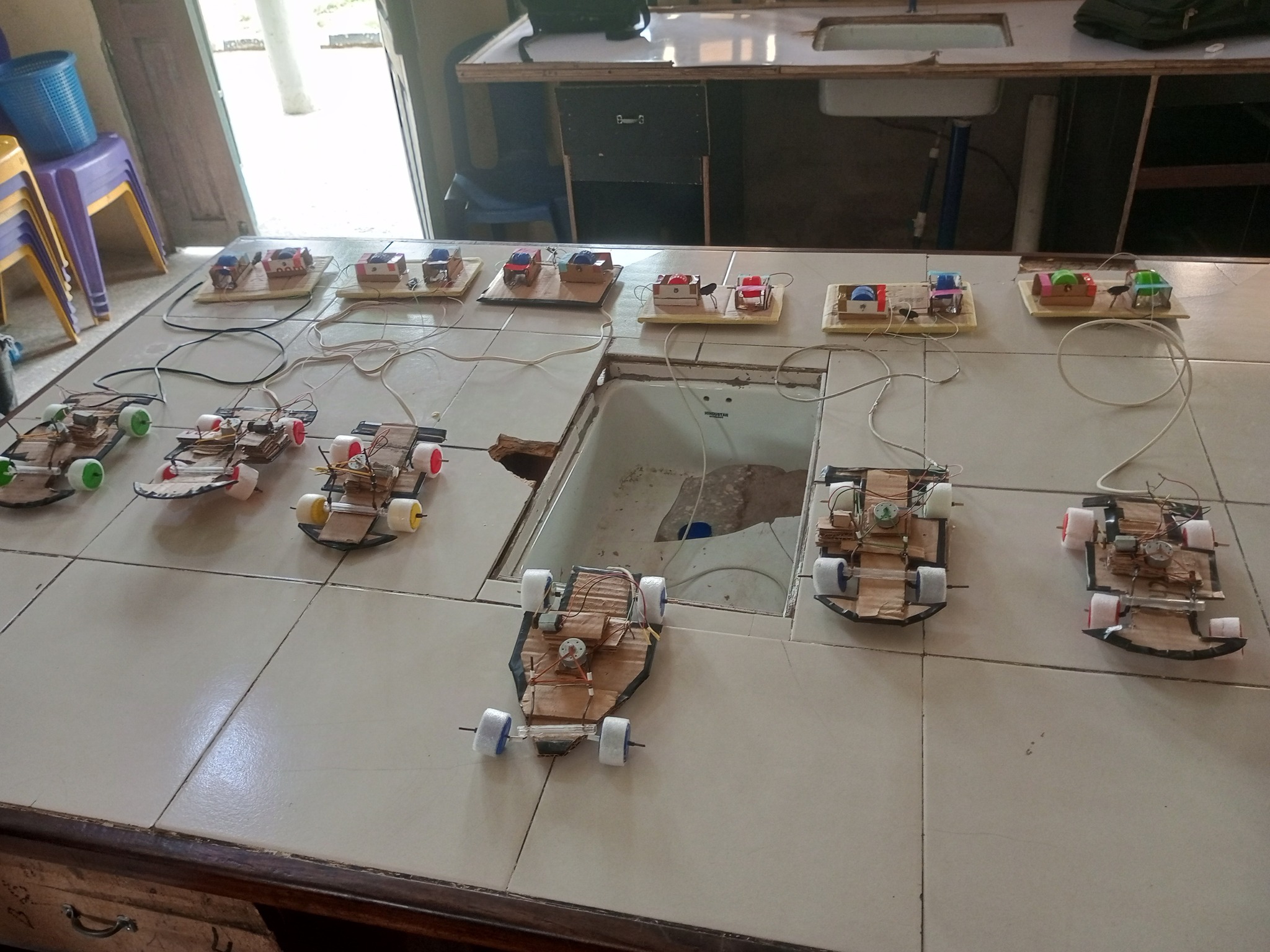
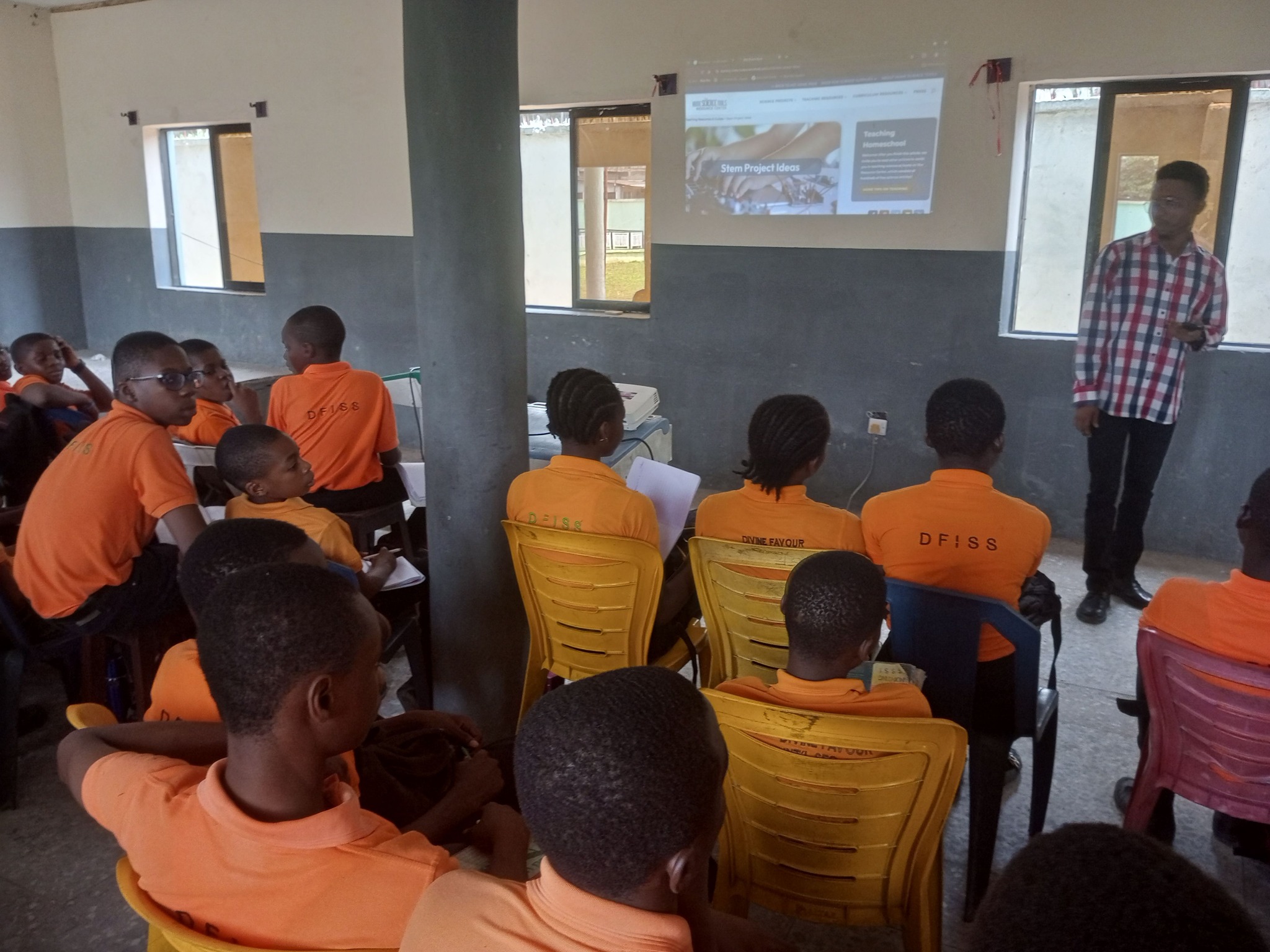
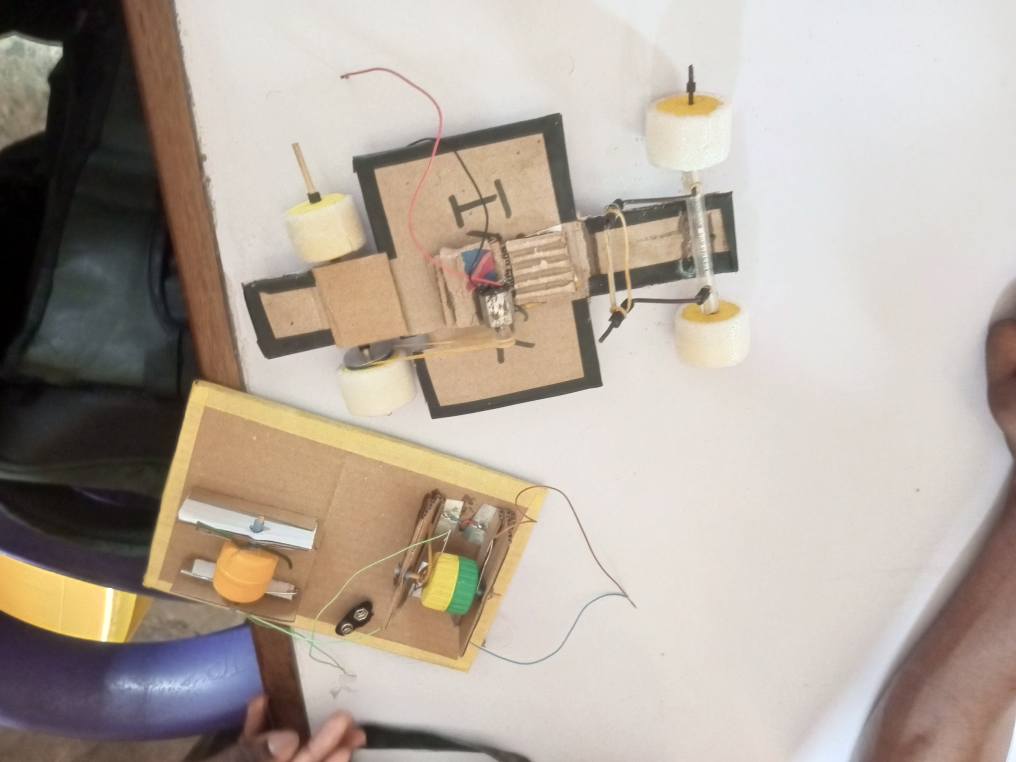
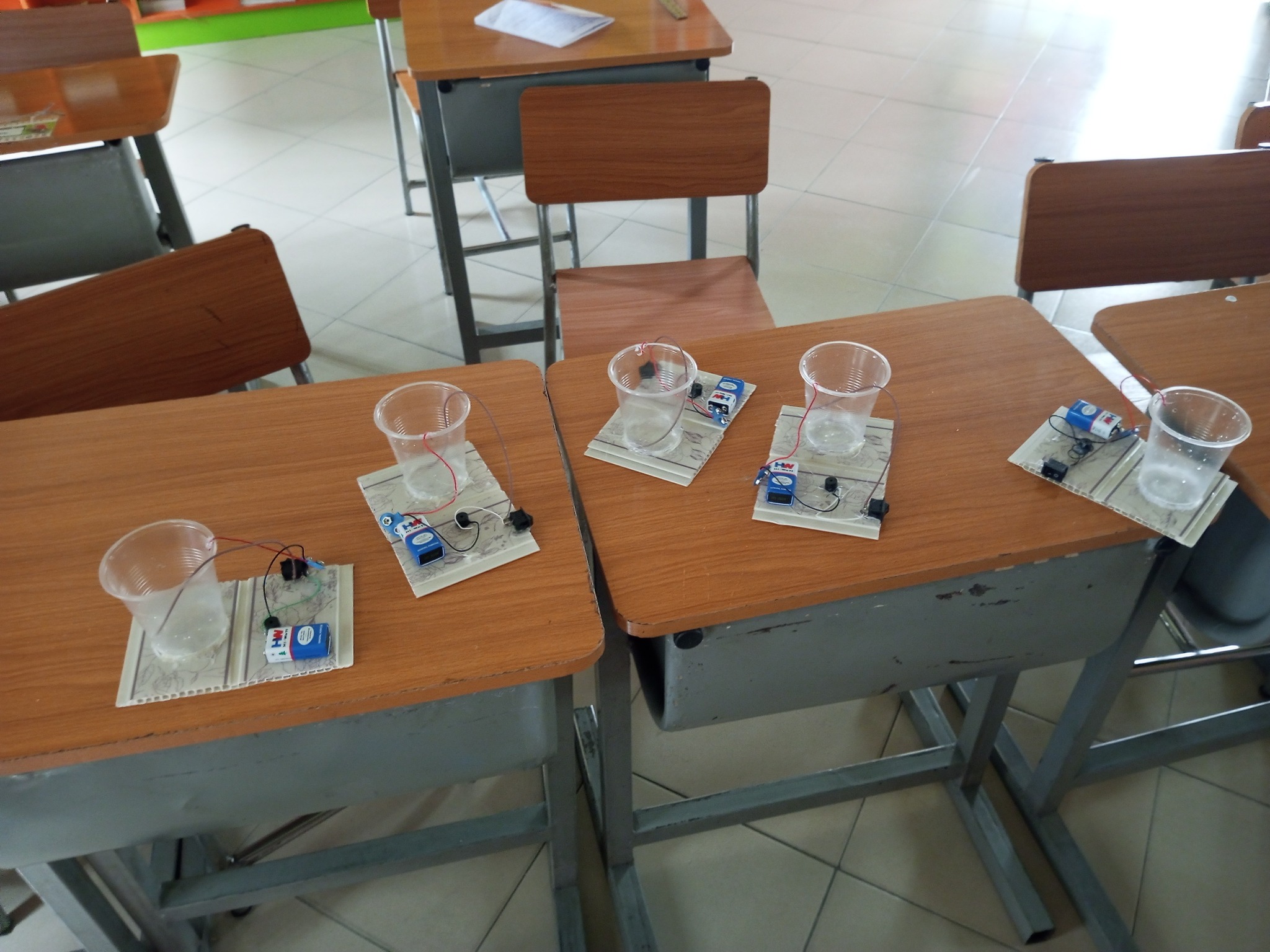
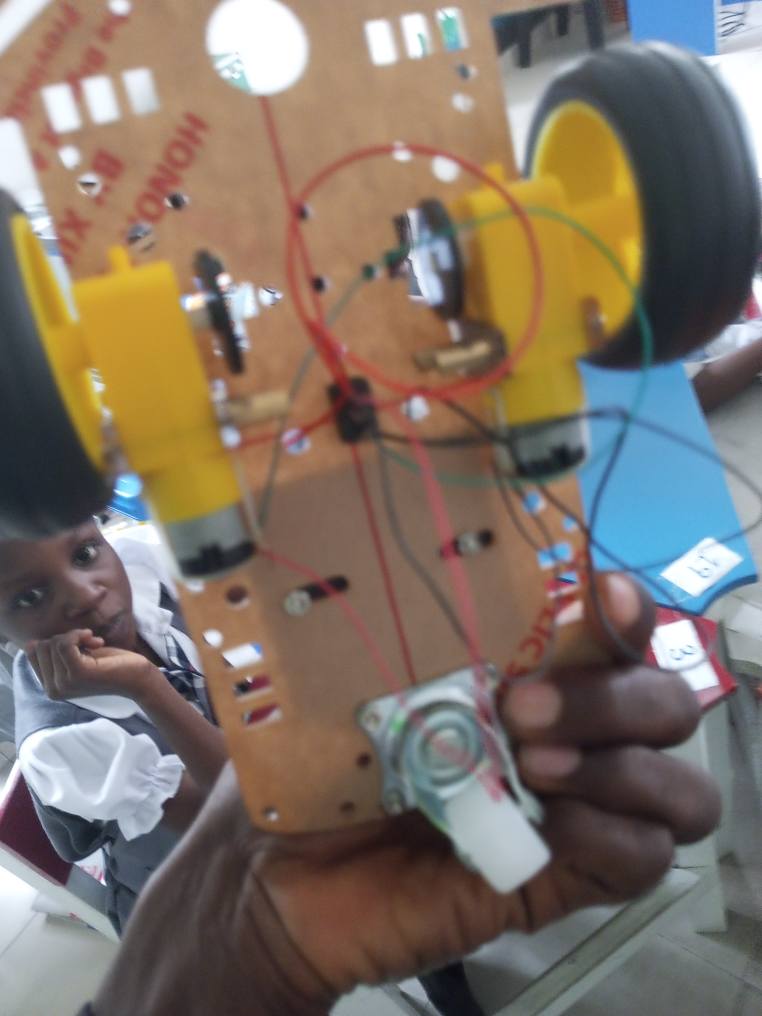
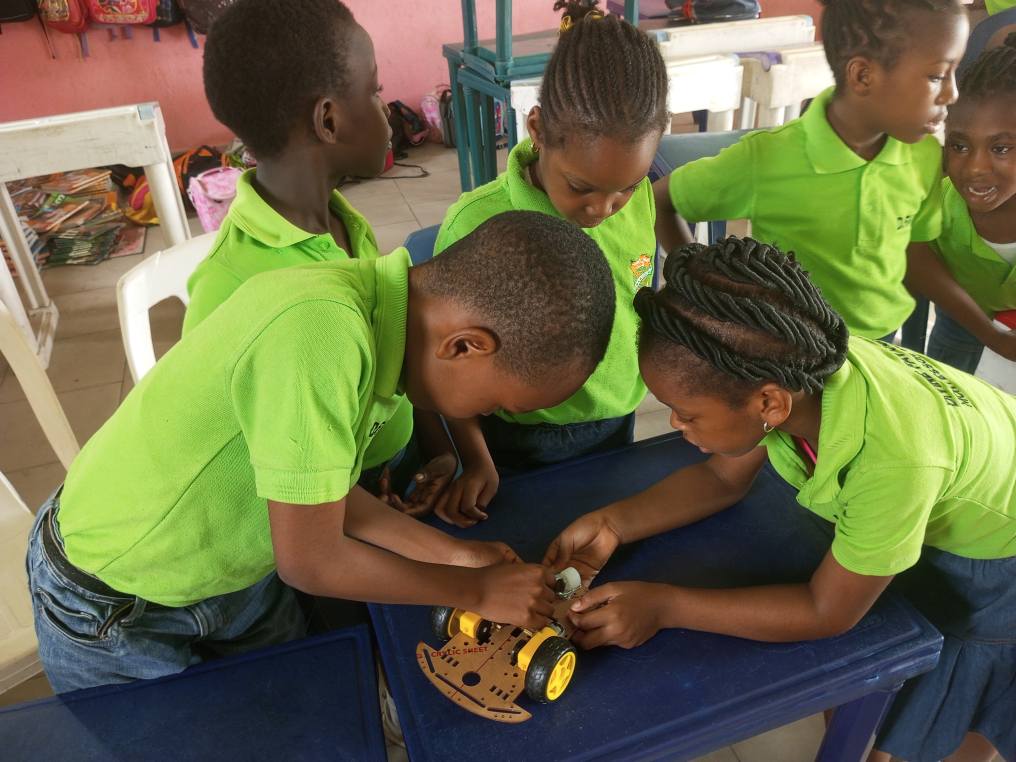
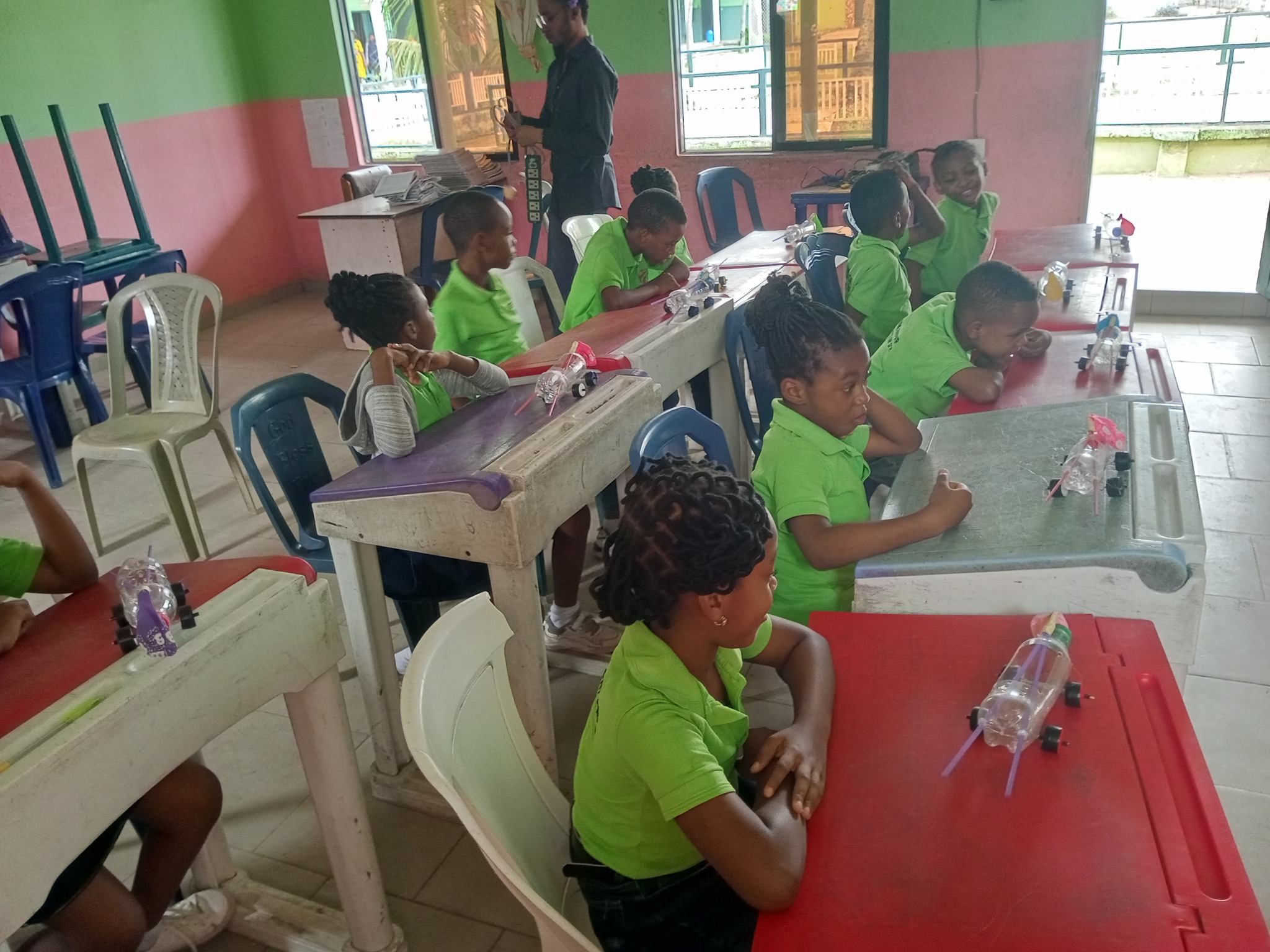
A glimpse into our impactful work in education and technology implementation.
Our Clients
Trusted by leading educational institutions across Nigeria.
GOINZE INTERNATIONAL SCHOOL OF MEDICAL HEALTH SCIENCE AND TECHNOLOGY, Bwari, Abuja - FCT
SPRING MONTESSORI SCHOOL, Akachi - Owerri, Imo State
DIVISON INTERNATIONAL SCHOOLS, Igbo-Etche, Rivers State
MESHRIDGE INTERNATIONAL SCHOOL, Trans-Amadi, Rivers State
GLORIOUS DESTINY ACADEMY, Eliozu, Port Harcourt, Rivers State
CEREBRAL MODEL COLLEGE, Igwuruta, Rivers State
BOLDLIVING CHRISTIAN ACADEMY, Trans-Worji, Port Harcourt, Rivers State
ROHAN EXCELLENT SCHOOLS, Abuloma, Port Harcourt, Rivers State
ROCKWORD CHRISTIAN SCHOOL, Elelenwo, Port Harcourt, Rivers State
PROWESS-POINT MODEL SCHOOL, Owerri, Imo State
STARLIGHT GALAXY INTERNATIONAL SCHOOL, Elelenwo, Port Harcourt, Rivers State
GLORIOUS COVENANT SCHOOL, Rumuodara, Port Harcourt, Rivers State
MORAL SEED MONTESSORI SCHOOL, Elelenwo, Port Harcourt, Rivers State
DE EXCELLENT CHILD INTERNATIONAL SCHOOL, Elelenwo, Port Harcourt, Rivers State
LIFE STANDARD EDUCATIONAL CENTER, Rumukwurushi, Port Harcourt, Rivers State
TREASURE INTERNATIONAL SCHOOL, Rumukwurushi, Port Harcourt, Rivers State
DIVINE FAVOUR INTERNATIONAL SCHOOL, Akpajo, Eleme, Rivers State
JECK COMPREHENSIVE COLLEGE, Elimgbu, Port Harcourt, Rivers State
GREATNESS MONTESSORI ACADEMY, Rumuokwurishi, Port Harcourt, Rivers State
TRILLIUM SUCCESS ACADEMY, Eliozu, Port Harcourt, Rivers State
JESHURUN MONTESSORI INTERNATIONAL SCHOOL, Atali, Port Harcourt, Rivers State
CHIBSON INTERNATIONAL SCHOOL, Rumunduru, Port Harcourt, Rivers State
JESHURUN HIGH SCHOOL, Atali, Port Harcourt, Rivers State
EAGLE GREAT STARS INTERNATIONAL SCHOOL, Elelenwo, Port Harcourt, Rivers State
3 STARS EDUCATIONAL CENTER, Borikiri, Port Harcourt, Rivers State
Meet Our Team
Dedicated professionals committed to excellence and innovation.

FRED C. ODII
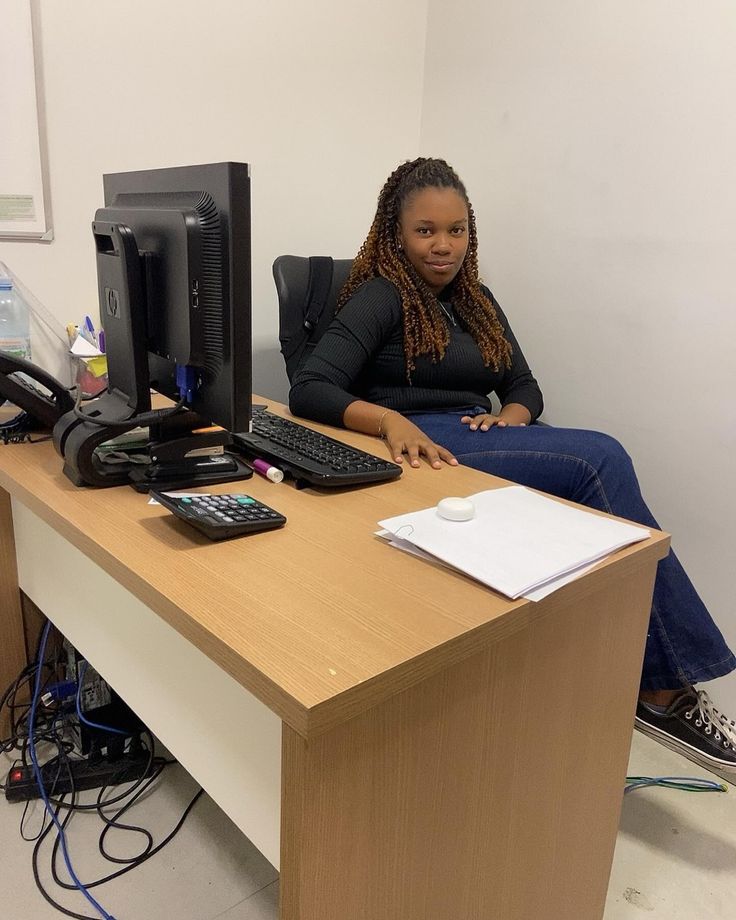
CHIAMAKA OKONKWO

NWACHUKWU ONYEKACHI

ADEBOLA ADEYEMI

CHINEDU OKAFOR
Get In Touch
Ready to transform your ideas into reality? Contact us today for a consultation.
Send us an Email
Have a project in mind or need more information about our services? Choose an option below to contact us.